Inside CoDMON Staff Portal: How 760 Municipalities Cut Childcare Admin Time
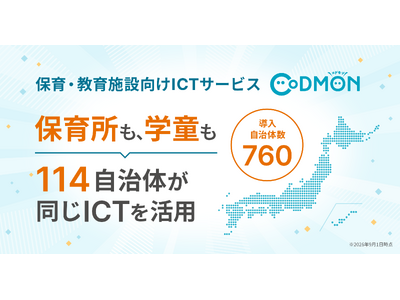
For decades, the standard 7:00 AM scene inside a Japanese municipal daycare involved ringing landlines, stacks of three-ring binders, and educators frantically cross-referencing paper logs. As parents dropped off toddlers, teachers logged body temperatures by hand into analog notebooks while supervisors penciled shift adjustments onto wall calendars. That administrative gridlock is finally eroding. According to an official ORICON NEWS Report, Tokyo-based childcare ICT platform CoDMON expanded its reach to 760 local governments nationwide as of September 1, 2026. Led by CEO Yoshinori Koike, the company now provides its software to 690 of Japan's 1,410 municipalities that operate public daycares, alongside an expanding roster of after-school clubs (gakudo).
The engine driving this institutional migration sits behind a password-protected web browser: the CoDMON staff management screen (shokuin kanri gamen). By moving public daycare workflow management from binders to unified administrative dashboards, municipal facilities are dismantling daily documentation bottlenecks.
📌 Key Takeaways:
- Municipal Scale: CoDMON is deployed across 760 local governments, covering roughly 49% of all Japanese municipalities operating public daycare facilities.
- Operational Relief: Automated attendance checks and digital contact books eliminate morning phone bottlenecks and save educators between 45 and 90 minutes of daily paperwork.
- Integrated Ecosystem: Municipalities connect the platform directly to local subsidy tools and workforce development programs to streamline public compliance.
From Phone Gridlock to Touchscreens in Local Daycares
Before digital systems entered municipal classrooms, morning attendance tracking was an operational bottleneck. Parents phoned facilities directly between 7:30 AM and 8:30 AM to report sick leave or late arrivals. A single municipal center might field 40 calls across two copper telephone lines within 45 minutes, pulling head teachers away from infant rooms to take handwritten memos.
Consider the transition in Kotohira-cho, Kagawa Prefecture. On October 1, 2026, the town deployed CoDMON across two public early childhood centers (kodomo-en). Staff members previously spent their first hour balancing phone calls against handwritten contact books (renrakucho) for infants aged zero and one. Missed memos meant classroom teachers did not know which children were arriving late or absent until morning assembly concluded.
With parents logging absences through a mobile app, attendance data flows straight to the nursery administration dashboard. Teachers open classroom tablets, see updated headcounts in real time, and adjust kitchen lunch orders without cross-checking three separate paper registries.
Inside the CoDMON Nursery Administration Dashboard
The CoDMON staff portal login grants educators and directors role-based access to daily operational tools. Rather than navigating fragmented enterprise software, the interface collects core classroom workflows into a modular screen:
The console organizes routine duties into five interconnected functions:
- Live Attendance Management Automation: Wall-mounted QR code scanners or direct app pings track arrivals and departures. The screen flags unaccounted absences in bright amber, prompting staff to follow up instantly.
- Digital Contact Book System: Educators type developmental milestones, mood notes, and sleep logs directly into child profiles. Parents receive updates on their phones, eliminating physical notebooks that frequently get lost in transit.
- Health and Nap Monitoring: In infant rooms, teachers log sleep posture checks every five minutes with quick screen taps. The system alerts educators if an entry is overdue, ensuring full compliance with national safety guidelines.
- Staff Shift Scheduling Software: Shift coordinators use CoDMON administrator settings to configure teacher-to-child ratios. The portal automatically flags compliance gaps if scheduled staff fall below mandated licensing thresholds.
- After-School Care Tracking: Facilities managing *gakudo* clubs monitor elementary students arriving from neighboring schools, issuing automated departure alerts directly to guardians.
This setup simplifies routine audits. When regional welfare inspectors arrive for unannounced site visits, facility directors pull historical attendance records and staff ratios from the dashboard archive in seconds, replacing the frantic retrieval of stored cardboard boxes.
Municipal Data Integration and Subsidy Automation
The software's public-sector reach extends beyond individual classroom convenience. When city halls subsidize extended-hours daycare (encho hoiku), paperwork requirements can be daunting. Facilities must prove exact arrival and pickup timestamps down to the minute to substantiate municipal subsidy filings.
Fukuoka City streamlined this pipeline by connecting CoDMON directly to its official municipal subsidy reporting software. Instead of clerks spending hours each month manually typing parent sign-in logs into municipal accounting portals, the CoDMON data link exports verified attendance timestamps straight into the city's system. Clerical errors drop to zero, and public funds disburse faster to providers.
This municipal interconnection explains CoDMON's rapid adoption across public sectors. Public daycare workflow management requires high-grade data privacy and interoperability with regional civil service networks. By standardizing these compliance modules, the platform has become a foundational layer of public early childhood education technology.
Operational Contrast: Paper-Based Nurseries vs. CoDMON Infrastructure
Switching from physical logs to unified screens changes the rhythm of a nursery's operating day. The contrast between traditional manual protocols and modern automated workflows highlights why local governments are funding this shift:
| Operational Workflow | Traditional Paper System | CoDMON Portal Infrastructure |
|---|---|---|
| Absence & Late Reporting | Manual phone calls taken on 1, 2 shared lines; paper memos run to classrooms. | Parents submit notifications via app; dashboard updates classroom rosters instantly. |
| Infant Sleep Monitoring | Paper body maps annotated by hand every 5 minutes using analog clipboards. | Tablet interface with quick-tap posture logging and automated visual overdue warnings. |
| Staff Shift Management | Wall calendars and standalone spreadsheets; manual recalculation of statutory teacher ratios. | Built-in scheduling module that auto-validates teacher counts against legal requirements. |
| Subsidy Reconciliation | Staff cross-reference sign-in binders at month-end; manual data entry for city hall filings. | Direct data export linking check-in timestamps to municipal accounting systems. |
Educator Administrative Burden and Teacher Retention
Japan's early childhood sector faces an ongoing staffing shortage. Demanding teacher-to-child ratios, uncompensated overtime, and relentless paper documentation drive young educators away from the profession. Surveys run by daycare labor groups regularly identify administrative fatigue as a primary driver of turnover.
When educators spend 90 minutes after their shift writing journal entries, preparing daily notices, and tabulating attendance logs, exhaustion sets in quickly. Digital dashboards do not replace human empathy, but they return that lost hour back to the classroom schedule.
Municipal leadership recognizes that modern software helps slow teacher attrition. In Tottori City, Mayor Yoshihiko Fukazawa partnered with CoDMON to roll out the "CoDMON College" online training portal across all 23 public nurseries and kindergartens in August 2026. Instead of requiring teachers to travel across town for professional accreditation seminars on weekends, staff access structured training modules directly through their existing staff portal profiles.
Frequently Asked Questions (FAQ)
Q1: What hardware is required to run the CoDMON staff management screen?
A1: The management portal runs entirely within standard web browsers on desktop PCs, laptops, and tablets (iOS and Android). Classrooms typically use dedicated tablets for roll call and nap logging, while administrative directors handle scheduling and reporting from desktop workstations.
Q2: How does the system handle security and child privacy?
A2: The platform uses encrypted cloud infrastructure that aligns with Japan's Act on the Protection of Personal Information (APPI) and regional municipal data protection ordinances. Role-based permission controls inside the administrator console ensure individual educators access only the student and family records under their direct care.
Q3: How difficult is the onboarding process for older staff accustomed to paper?
A3: Adoption curves vary, but most municipal implementations take two to four weeks. Interfaces use intuitive tap controls, large Japanese typography, and visual cues. Municipal rollouts often run a two-week transition period where paper notebooks and digital logs overlap until staff gain confidence.
The Path Forward for Public Childcare Infrastructure
The rapid adoption of CoDMON across 760 local governments shows how practical software tools can simplify public administration. What began as an operational workaround to handle high morning phone call volumes in early childhood centers has matured into an essential civic data pipeline.
As Japanese towns link classroom check-ins to municipal budgeting tools and after-school clubs, administrative paperwork takes a backseat. Teachers spend less time filling out paper forms and more time caring for children, showing how thoughtful municipal technology can make a real difference in early childhood education.