Inside Kobe MOSAIC: Ranking the Most Giftable Souvenirs by Popularity
Every weekend, thousands of travelers funnel through the breezy open-air decks of Kobe Harborland MOSAIC, sweeping past red-brick facades toward glass-fronted sweet shops facing the port. Long an anchor of the broader Umie shopping complex, this waterfront shopping arcade functions as an aggressive testing ground for regional confectioners competing to capture foot traffic before visitors board shinkansen lines at Shin-Kobe. Recent retail analysis and regional visitor polling show that gift selection here has shifted away from indiscriminate bulk buying toward highly curated, transport-durable items that convey clear regional identity.
Public taste data released through regional consumer surveys, including research tracked across Kansai and Kanto demographics by outlets like ITmedia, indicates a split in customer priorities. Travelers visiting the Hanshin area scrutinize packaging authenticity, ingredient pedigree, and luggage shelf-life rather than falling for generic port-themed novelties. As documented in a recent PR TIMES Report detailing high-profile regional culinary collaborations, Kobe confectionery makers are refining their formulas, paring back distribution to maintain regional exclusivity, and partnering directly with local authorities to verify authenticity.
📌 Key Takeaways:
- Traveler Preferences: Consumer surveys by market research firms reveal that over 65% of domestic visitors prioritize shelf stability and individual packaging when buying gifts at MOSAIC.
- Custard Dominance: Toraku Kobe pudding retains top rankings across Kansai surveys, supported by high shelf-stability and classic citrus-caramel balancing notes.
- Savory Growth: Kobe beef rice crackers and spiced pastries are carving out double-digit shelf growth across waterfront souvenir shops, providing alternatives to butter-heavy baked goods.
The Harborland Phenomenon and Modern Gift Giving
Japanese omiyage culture carries strict social obligations that western travel habits rarely duplicate. Returning from a port city without neatly boxed sweets for coworkers or relatives creates subtle workplace friction. At Kobe Harborland MOSAIC, retailers tailor floor plans specifically to address these professional rituals. Display tables place individually wrapped portions front and center, listing exact piece counts alongside bilingual ingredient profiles.
The geography of MOSAIC amplifies this buying pattern. Situated along the wharf facing the Kobe Port Tower and maritime museum, the complex attracts casual day-trippers alongside tour buses fresh from Awaji Island and Mount Rokko. Shoppers are often on strict timetables. They need to assess value, verify regional manufacturing stamps, and complete transactions within a single forty-minute shopping window before their transportation departs.
Foot-traffic surveys show distinct purchasing tiers within the Umie shopping complex. Ground-level stalls target impulse snackers with soft-serve ice cream and hot savory skewers. In contrast, the dedicated gift shops on MOSAIC's second floor serve serious souvenir shoppers. Customers examine boxed sets priced between ¥1,080 and ¥3,240, seeking items that balance prestige with practical portability.
Traveler Polling Decodes the Top Picks at MOSAIC
Polling compiled by research monitors like Voice Note and media distributors reveals sharp differences in what travelers seek depending on where they live. Kanto residents arriving from Tokyo lean heavily toward historic Kobe Kitano gourmet specialties and legacy European-style patisseries. They view Kobe as Japan’s historic gateway to Western baking, favoring butter cookies, langue de chat, and chocolate truffles that reinforce that cosmopolitan identity.
Local Kansai residents, on the other hand, prioritize novelty and limited availability. A resident of Osaka or Kyoto can purchase standard department store gift rankings at home with ease. When they travel to Harborland, they seek exclusive regional souvenirs found only along the waterfront strip, such as limited-edition fruit jellies, small-batch seasonal purées, or crossover merchandise designed specifically for port events.
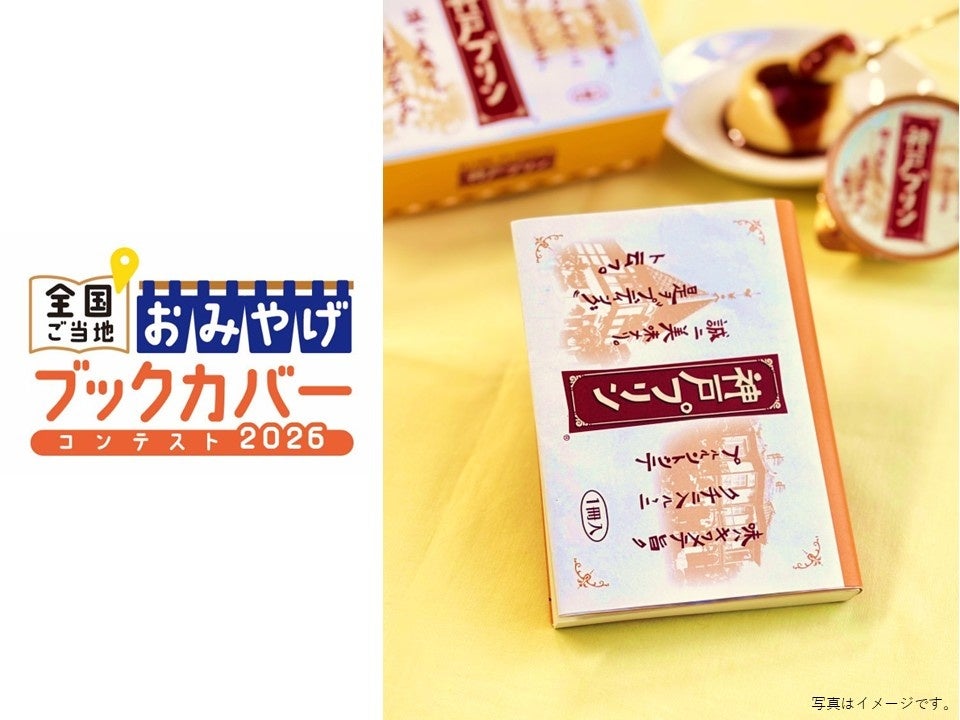
The Toraku Kobe pudding sits directly in the crosshairs of both consumer groups. Headquartered in Higashinada Ward under company president Koichiro Mouri, Toraku has preserved its position atop traveler purchase rankings by engineering a custard that maintains room-temperature stability for months without sacrificing silky texture. In late 2026, the company even turned its iconic yellow packaging into promotional culture items for national contests, proving the design's cultural traction across generational lines.
Benchmarking MOSAIC's Most Popular Souvenirs
Identifying the right gift requires weighing shelf life against transport fragility and unit price. The following matrix draws on retail performance, consumer satisfaction indexes, and point-of-sale data across major Harborland vendor stands.
| Product Category & Brand | Price Range | Shelf Life | Primary Gift Demographic |
|---|---|---|---|
| Toraku Kobe Pudding (4-pack standard) | ¥1,188, ¥1,404 | 120, 180 days (ambient) | Office teams, family households |
| Kobe Beef Senbei (Cracker Crisps) | ¥864, ¥1,620 | 90, 120 days | Casual peers, savory snackers |
| Kitano Nostra Artisan Sablés | ¥1,800, ¥3,240 | 30, 45 days | High-tier formal gifting, clients |
| Kobe Port Wharf Langue de Chat | ¥1,080, ¥2,160 | 180 days | Large department distributions |
| Frantz Kobe Magic Pot Pudding | ¥1,750, ¥2,600 | 2, 3 days (refrigerated) | Immediate consumption, partners |
Savory Delicacies and Port-Side Confectionery Heritage
While sweet bakeries dominate store real estate, savory treats generate consistent checkout growth across Kobe MOSAIC. Meat lovers who balk at the paperwork or prohibitive cost of shipping chilled Wagyu cuts overseas often settle on Kobe beef snacks. Processors blend certified Tajima-line beef extracts into salty rice dough, finishing the crisps with cracked pepper, ginger, and garlic glaze. These savory boxes sell briskly to tourists heading directly onto night trains.
Concurrently, artisan confectionery brands have adjusted recipes to curb sweetness levels. Pastry makers across the Hyogo prefecture increasingly use Awaji sea salt, Tamba black beans, and Nada ward sake lees to balance rich butter fats. That regional culinary lineage gives items sold in the waterfront shopping arcade a distinct terroir that standard mass-market candies cannot mimic.
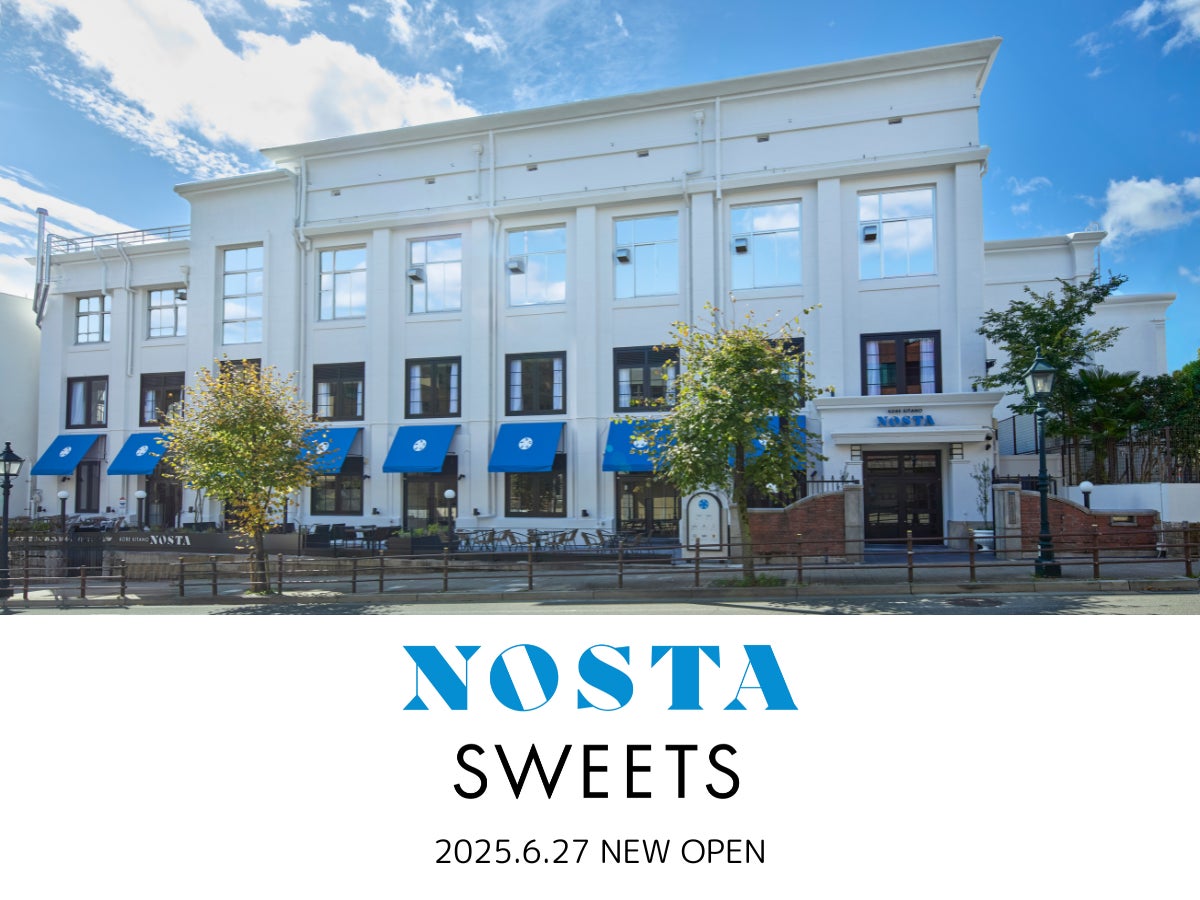
The culinary push intensified following projects like the 2025 renovation of the former Kitano Elementary School into the gourmet hub Kobe Kitano Nostra, run by GLION Group and Aquaignis. That initiative spurred retail operators throughout Harborland to stock higher-end items co-developed with civic bodies. Buyers can now pick up artisanal fruit tarts and fermented butter sablés that previously required climbing the steep inclines of the Kitano foothills.
Navigating MOSAIC Corridors Without Wasting Yen
Traversing the waterfront complex during weekend rushes requires basic strategy. MOSAIC's layout spans three levels, with most gift specialty outlets clustered on the second floor (2F) adjacent to the pedestrian bridges linking directly to the Umie South Mall. If you purchase temperature-sensitive desserts early in your visit, lockers near the Harborland station concourse will hold your goods for ¥300 to ¥600, sparing your chocolates from coastal humidity.
Look past promotional endcaps showcasing cartoon-character packaging. Genuine local craft is marked by regional certification insignias, like the official Hyogo Prefecture production stamp or clear municipal branding from the Kobe Tourism Bureau. Stores like Kobe Brand (Kobe Burando) curate verified local goods, eliminating the need to visit multiple individual bakeries across town.
Tax-free counters operate within the central Umie structure for overseas passport holders spending over ¥5,000 on consumables. However, independent souvenir stalls along the outdoor decking often process transactions on standalone registers without integrated tax-refund networks. Consolidate your purchases at dedicated retail centers inside the main complex if saving the 10% consumption tax is central to your travel budget.
Frequently Asked Questions (FAQ)
Q1: Can I carry Toraku Kobe Pudding through international airport security?
A1: No, you cannot carry it in your cabin baggage. Aviation authorities classify custards, puddings, and jellies as liquids or gels under the 100ml restriction rule. Pack all boxed puddings securely inside your checked luggage wrapped in soft clothing.
Q2: Where can I find the widest selection of souvenirs inside Kobe Harborland?
A2: Head to the 2nd Floor of MOSAIC, specifically targeting multi-brand gift stores like Kobe Brand and the dedicated regional food market inside the connecting Umie South Mall. These stores aggregate items from dozens of local bakeries under one roof.
Q3: Are Kobe beef snack crisps made from actual certified Kobe beef?
A3: Most commercial rice crackers use beef tallow, extract, or powdered seasoning derived from certified Hyogo-raised cattle. While delicious and authentic in flavor, they contain minimal pure meat mass, which allows them to clear standard international customs agricultural checks without issue.
Refining Your Shopping List on the Kobe Waterfront
Selecting souvenirs at Kobe Harborland MOSAIC comes down to understanding the gap between mass-produced souvenirs and genuine regional baking. Kobe earned its confectionery reputation over a century of maritime trade, absorbing European pastry techniques long before the rest of Japan. When you walk through the seaside shopping arcade, bypass generic biscuits with generic skyline prints and prioritize proven local staples like Toraku custards, Nada sake pastries, and small-batch butter sablés. You will leave the harbor with authentic gifts that justify your luggage space.