Inside Soma Santoki’s Breakout Drama Role: Why 'Mou Ee Wa' Is Making Waves
When Fuji Television announced that nineteen-year-old actor Soma Santoki would co-headline its prestigious network showcase alongside Masaya Sano of idol outfit Aぇ! group, the domestic entertainment industry took immediate notice. Fresh off nuanced performances in boundary-pushing projects like 90 Meters, recently analyzed in depth by an independent note Report, Santoki has stepped into the center of Japan’s youth drama renaissance with Mou Ee Wa.
The production represents far more than standard network programming. As the centerpiece winner of the 37th Fuji TV Young Scenario Award, the one-hour special carries a lineage of launching generational talents. Broadcast across the Kanto metropolitan region on Saturday, October 3, between 13:30 and 14:30 JST, the feature blends the electric tension of coming-of-age restlessness with grounded character work, cementing Santoki’s reputation as one of the most calculated young screen actors of his generation.
📌 Quick Summary:
- The Production: Soma Santoki and Masaya Sano (Aぇ! group) share the lead in Mou Ee Wa, the grand prize-winning script from writer Daiki Kawachi at the 37th Fuji TV Young Scenario Award.
- The Ensemble: Veteran character actors Kami Hiraiwa and Mahiru Konno anchor the supporting ensemble alongside Yoshiyuki Tsubokura, JP, and enka singer Yuki Tokunaga.
- The Significance: Following visceral festival entries and high-profile domestic television work alongside icons like Miho Kanno, Santoki cements his status as a dramatic heavyweight in modern Japanese television.
Rising Through the Ranks: From Child Actor to Dramatic Anchor
Soma Santoki did not arrive at this leading role overnight. Over several years, his steady accumulation of screen credits has revealed an actor focused on quiet observation rather than theatrical exaggeration. While mainstream viewers may remember his striking presence in mainstream network serials, film purists trace his rise through unconventional works that rely heavily on body language and unspoken interior conflict.
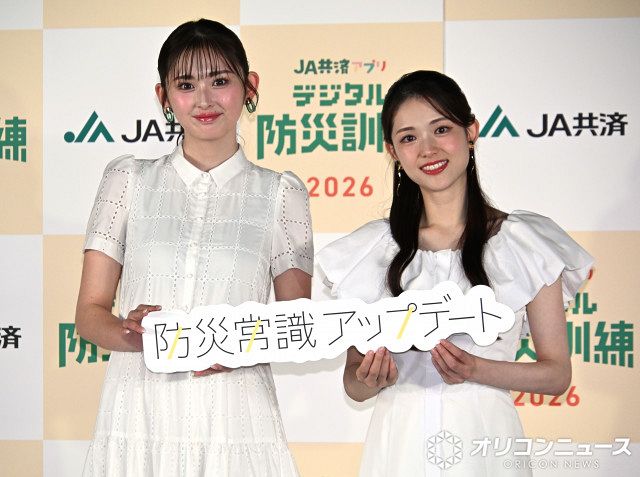
Earlier in his trajectory, Santoki garnered widespread media attention during promotional tours where screen legend Miho Kanno shared raw, emotional exchanges with him. During one high-profile press engagement reported by Oricon News, the pair read aloud surprise letters written by their respective mothers, visibly moving both actors to tears. That capacity for immediate emotional access made Santoki an ideal partner for Masaya Sano in Mou Ee Wa, giving their on-screen friendship a lived-in texture that typical teen melodramas rarely achieve.
The Creative Genesis of Daiki Kawachi’s Award-Winning Script
The Fuji TV Young Scenario Award functions as an incubator for Japanese television. Past recipients include screenwriters who later defined peak golden-time television, making each year's winner a subject of rigorous industry scrutiny. For the 37th edition, writer Daiki Kawachi captured the grand prize with Mou Ee Wa, a Kansai-inflected phrase that translates roughly to "enough already" or "let it be."
Kawachi’s script trades broad melodrama for precise dialogue rhythms. During production, Kawachi visited the filming set to confer directly with Santoki and Sano, resulting in candid production stills released by Fuji Television that show the two leads huddled over script revisions with the rookie screenwriter. Sano, who brings the natural kinetic charisma honed across stadium tours with Aぇ! group, balances against Santoki’s understated, brooding delivery. Their complementary acting styles breathe spontaneous energy into Kawachi’s text.
Production Specifications and Supporting Cast Breakdown
Fuji Television augmented the central pairing by surrounding them with veteran character actors. Kami Hiraiwa and Mahiru Konno supply seasoned depth to the domestic subplots, while comedian Yoshiyuki Tsubokura (of comedy trio Wagaya), impressionist JP, and singer Yuki Tokunaga introduce eccentric local flavor to the neighborhood dynamics depicted on screen.
| Cast Member | Professional Background | Dramatic Function in 'Mou Ee Wa' |
|---|---|---|
| Soma Santoki | Dramatic Actor (90 Meters) | Co-lead; internal youth navigating relational friction |
| Masaya Sano | Musical Artist & Performer (Aぇ! group) | Co-lead; externalized energy driving the narrative pace |
| Kami Hiraiwa | Otona Keikaku Troupe Veteran | Maternal figure; realistic grounding of family tension |
| Mahiru Konno | Former Takarazuka Top Musumeyaku | Supporting dramatic pillar; emotional balance |
| Yoshiyuki Tsubokura | Wagaya Comedy Trio / Screen Actor | Local community anchor; situational comic relief |
| JP & Yuki Tokunaga | Impressionist & Enka Vocalist | Neighborhood personalities adding regional color |

On-Set Chemistry and That Hands-Clasping Still
Promotional stills released across Japanese media outlets in late September generated substantial chatter among domestic television critics. One particular image highlighted by Real Sound captured Sano and Santoki locked in an intense, two-handed clasp against an outdoor backdrop. Rather than presenting the polished, stylized aesthetic common to commercial idol dramas, the shot emphasized sweaty temples, rumpled school jackets, and genuine dramatic weight.
Sources close to the set noted that Santoki spent days fine-tuning his dialect delivery alongside Sano, ensuring that the script's colloquial humor never overshadowed its underlying grief. Santoki’s background in short films and auteur projects gave the rehearsal process a collaborative, film-like intimacy. The resulting broadcast benefits noticeably from that preparation.
How Fuji TV’s Daytime Slot Unlocks High-Impact Storytelling
Securing the 13:30 to 14:30 Kanto-local slot on a Saturday afternoon might seem counterintuitive to overseas viewers accustomed to prime-time evening slots. In Japan, however, this specific broadcast window has historically served as a pressure-free testing ground where writers, directors, and emerging actors can bypass heavy commercial sponsors.
Without the burden of chasing double-digit prime-time ratings, Mou Ee Wa allowed director and cast to lingeringly film quiet domestic silences. Viewers tuning in across Tokyo and surrounding prefectures were treated to an earnest study of post-adolescent confusion. Online reactions across Japanese social channels highlighted Santoki's ability to hold the frame in tight close-up, verifying that his transition from supporting player to primary draw is complete.
Frequently Asked Questions (FAQ)
Q1: What is the primary plot premise of Fuji TV's 'Mou Ee Wa'?
A1: Mou Ee Wa centers on two young men wrestling with unresolved emotional burdens and identity crises in modern Japan. Written by Daiki Kawachi, the story examines the messy, humorous, and sometimes heartbreaking bonds that form between peers searching for direction.
Q2: Where and when did 'Mou Ee Wa' air, and will it be available for international streaming?
A2: The drama premiered on Saturday, October 3, from 13:30 to 14:30 JST on Fuji Television as a Kanto-local broadcast. While international licensing has not been formally scheduled, select Young Scenario Award winners typically land on regional platforms like FOD (Fuji TV On Demand) and TVer for domestic catch-up.
Q3: How does this performance connect to Soma Santoki's broader filmography?
A3: Santoki has steadily balanced major studio work with independent festival cinema, including 90 Meters. His dual-lead role in Mou Ee Wa demonstrates his maturity, showing he can share the spotlight with high-energy performers like Masaya Sano while maintaining authentic subtlety.
What Lies Ahead for Soma Santoki in Japanese Cinema
The reception of Mou Ee Wa reaffirms that young Japanese performers do not have to rely solely on manufactured viral moments to establish enduring credibility. By leaning into text-heavy, character-driven pieces written by new voices like Daiki Kawachi, Santoki is carving out a distinct career path reminiscent of Japan's most respected contemporary character actors.
With directors taking note of his screen discipline and veteran co-stars consistently praising his maturity during promotional campaigns, Santoki has emerged from the label of "promising newcomer." His collaboration with Masaya Sano stands as a masterclass in how to elevate a one-hour special into a defining screen statement.