Inside the Family Home: On-Screen Confessions and Household Secrets

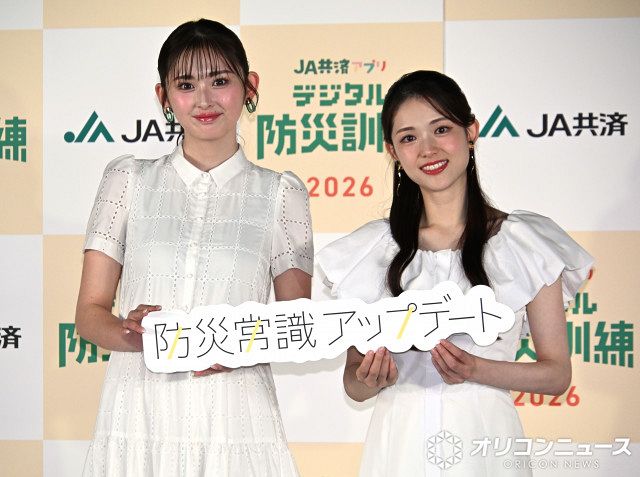
Japanese variety television thrives on peeling back the manicured public personas of its biggest entertainers, and nothing draws higher ratings than an unfiltered look into the family home. When pop icons and variety regulars drop their polished stage names to discuss where they grew up, television audiences lean in. A recent broadcast of Nippon TV’s popular talk program Ueda to Onna ga Hoeru Yoru sparked national discussion when media personalities openly discussed their extreme cleanliness habits, eccentric domestic rituals, and parental expectations, as detailed in an ORICON NEWS Report covering the broadcast.
The renewed obsession over celebrity upbringing, particularly surrounding stars known affectionately by nicknames like Gan-chan and variety staples like Ringo-chan, reflects a deeper shift in how audiences consume celebrity culture. Fans no longer want distant perfection. They crave relatable domestic friction, candid disclosures about generational wealth or small-town shopkeeping, and the strange household habits formed behind closed doors.
📌 Key Takeaways:
- On-Screen Authenticity: Prime-time variety panels have shifted toward unvarnished personal life disclosures, turning domestic quirks and clean-freak obsessions into comedic gold.
- The Family Business Dynamic: Frank admissions about hometown operations, from local eateries to generational industrial estates, dismantle manufactured idol mystique in favor of genuine family dynamics.
- Financial Pragmatism: Public fascination with living with parents and multi-generational wealth mirrors real-world economic pressures facing Japanese households in 2026.
The Prime-Time Appeal of Childhood Roots and Parental Homes
Japanese entertainment has long maintained a strict boundary between public performance and private background. Talent agencies historically shielded an entertainer’s hometown background, family business, and domestic lifestyle to protect an idealized commercial image. That wall has largely collapsed. Variety show producers now actively mine the parental home for storytelling fodder, recognizing that audience fatigue with manufactured banter has reached an all-time high.
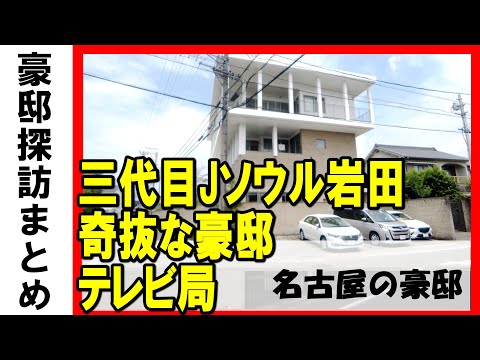
Viewers connect when a celebrated performer discusses the strict hygiene rules enforced by an overbearing parent or the chaotic reality of visiting the family estate. Discussions surrounding the family home, known culturally as the jikka, bring high-profile figures back down to earth. Whether an artist grew up as an heir to an industrial shoe empire, as in the widely documented pedigree of Sandaime J Soul Brothers star Takanori "Gan-chan" Iwata, or helping out at a regional family-run dining establishment, these disclosures humanize stars who otherwise seem untouchable.
Online discourse following these broadcasts consistently surges across X and local forums. Viewers share their own childhood domestic rules, turning prime-time television broadcasts into collective cultural mirrors. The family home serves as the great equalizer: everyone, regardless of current fame, had to navigate parental scrutiny and household eccentricities.
Clean-Freak Rules, Domestic Quirks, and Variety Revelations
During the August broadcast of Ueda to Onna ga Hoeru Yoru, the conversation turned toward intense domestic habits under the theme of navigating summer humidity and obsessive cleanliness. Guests shared unfiltered stories about household boundaries, revealing how their family homes established behavioral quirks that persist decades later.
Ringo-chan surprised the panel and audience by casually discussing the operational rhythms of their family business, highlighting how daily life inside a working-class household shaped their adult boundaries and domestic hygiene. The humor did not come from exaggerated punchlines. It emerged from the contrast between high-glamour media appearances and the practical realities of mopping commercial floors or following strict bathroom sanitation protocols under parental orders.
These on-screen confessions highlight a distinct sub-genre of Japanese entertainment programming: the clean-freak celebrity segment. In these episodes, guests admit to vacuuming three times a day, refusing to let outside guests sit on sofas in day clothes, and scrubbing door handles after family gatherings. These domestic habits often trace directly back to parental roots, where childhood chores were non-negotiable.
Domestic Realities: Comparing Public Perception with Household Fact
The gap between celebrity mythmaking and real domestic life creates intense public curiosity. Broadcast disclosures systematically break down those assumptions by pitting public expectations against verified household facts.
| Celebrity Persona & Topic | Widespread Public Myth | Broadcast Disclosure & Household Reality |
|---|---|---|
| Takanori "Gan-chan" Iwata (Hometown Background) | Assumed to lead a detached, ultra-luxurious lifestyle disconnected from practical trade. | Raised in a century-old Nagoya shoe manufacturing legacy (Madras); disciplined strictly under elite educational and traditional business ethics. |
| Ringo-chan (Family Enterprise) | Assumed to have broken away entirely from regional life into metropolitan entertainment. | Maintains active ties to the family restaurant trade, crediting hometown kitchen discipline for obsessive cleanliness standards. |
| Adult Entertainers Living with Parents | Perceived as a lack of personal independence or career stability. | Strategic financial stewardship; domestic sharing allows stars to build substantial liquid assets while supporting aging relatives. |
| Household Pets & Family Rituals | Viewed as staged social media content orchestrated for engagement metrics. | Genuine multi-generational chaos, including oversized rescue cats disrupting Buddhist memorial services and taking over ancestral rooms. |
Household Finances and the Economics of Staying at the Family Home
Behind the comedic banter lies a sharp economic truth that resonates deeply with modern audiences. A widely circulated financial report published by Yahoo Japan in September 2026 detailed cases of single adults accumulating upwards of 48 million yen (approximately $320,000) simply by remaining in the family home well into their professional careers.
By eliminating standalone metropolitan rent, dual utility bills, and single-occupant food waste, living with parents has transformed from a cultural taboo into a calculated wealth-building move. Celebrity variety guests frequently touch on this economic reality. When performers admit to saving aggressively or relying on home-cooked meals between shoots, they reflect the financial pressures felt by their viewers.
Family dynamics change as siblings marry, nieces and nephews arrive, and elderly parents require care. Entertainment panels increasingly discuss the uncomfortable tipping point where living in the family home transitions from financial brilliance to domestic congestion. The contrast between an entertainer pulling in high single-broadcast performance fees while sleeping in their childhood bedroom creates television comedy grounded in real-world practicality.
Unpredictable Chaos: When Returning Home Defies Celebrity Stature
No matter how famous an entertainer becomes, returning to the family home immediately resets the hierarchy. Viral media reports and talk-show monologues highlight this humbling dynamic.
A prominent social media case in August 2026 illustrated this perfectly when an individual returned to their hometown house after months away, only to be confronted by a massive stray cat that their parents had adopted without warning. The animal lounged across the living room carpet, glaring at the returning adult like an intruder. The post racked up over 490,000 views within hours, with commenters celebrating how parental priorities instantly demote returning children.
Similar stories frequently surface regarding traditional family rituals. Another widely covered incident involved an imposing family cat wandering into a solemn Buddhist memorial service (hoji), sprawling across tatami mats, and demanding affection within five minutes of the chanting. When celebrities share identical experiences on air, they puncture the illusion of Hollywood-style detachment. The family home remains a zone where celebrity accolades mean nothing, parental rules remain absolute, and domestic pets control the floor plan.
The Cultural Evolution of Celebrity Transparency
The appetite for family home disclosures represents an irreversible evolution in media consumption. The 1990s and 2000s prized untouchable, perfectly packaged pop figures whose personal lives were state secrets. Today, audiences reward vulnerability, domestic candor, and unvarnished truth.
Hearing a celebrated performer talk about washing dishes in their family's local diner or arguing with their mother over shoe placement builds lasting audience goodwill. It transforms temporary variety show appearances into memorable cultural touchpoints. These stories bridge the gap between high-profile metropolitan media careers and the grounded reality of regional Japanese life.
The family home remains the root of individual identity. By bringing those childhood rooms, clean-freak routines, and multi-generational relationships into the broadcast studio, entertainers offer audiences something far more enduring than scripted glamour: genuine human connection.
Frequently Asked Questions (FAQ)
Q1: Why do Japanese variety shows focus so heavily on the family home and hometown roots?
A1: Domestic disclosures break down artificial celebrity personas. Audiences connect strongly with relatable stories about parental rules, family businesses, and eccentric childhood environments, generating higher viewer engagement and viral social media discussion.
Q2: What did Ringo-chan reveal on Nippon TV regarding their family background?
A2: On the August 19 broadcast of *Ueda to Onna ga Hoeru Yoru*, Ringo-chan candidly discussed their family’s hometown business and shared how growing up around commercial service routines influenced their personal habits and approach to household cleanliness.
Q3: How common is it for working professionals and public figures in Japan to live with their parents?
A3: It is increasingly common and economically strategic. Recent financial studies highlight individuals saving tens of millions of yen by avoiding standalone rent, making multi-generational living a recognized method for financial security rather than a sign of dependency.
Domestic Truths and the Future of Media Authenticity
The modern media landscape offers limitless choices, yet the stories that capture lasting attention remain resolutely domestic. As variety programming continues to prioritize real human experience over rehearsed public relations lines, the family home will remain a primary narrative anchor. Audiences will keep tuning in not to marvel at unattainable luxury, but to confirm that behind the studio lights, their favorite stars still get scolded by their mothers for leaving a jacket on the dining table.