Inside the Turnaround: The Tactical Truth Behind Tegevajaro Miyazaki's Surge
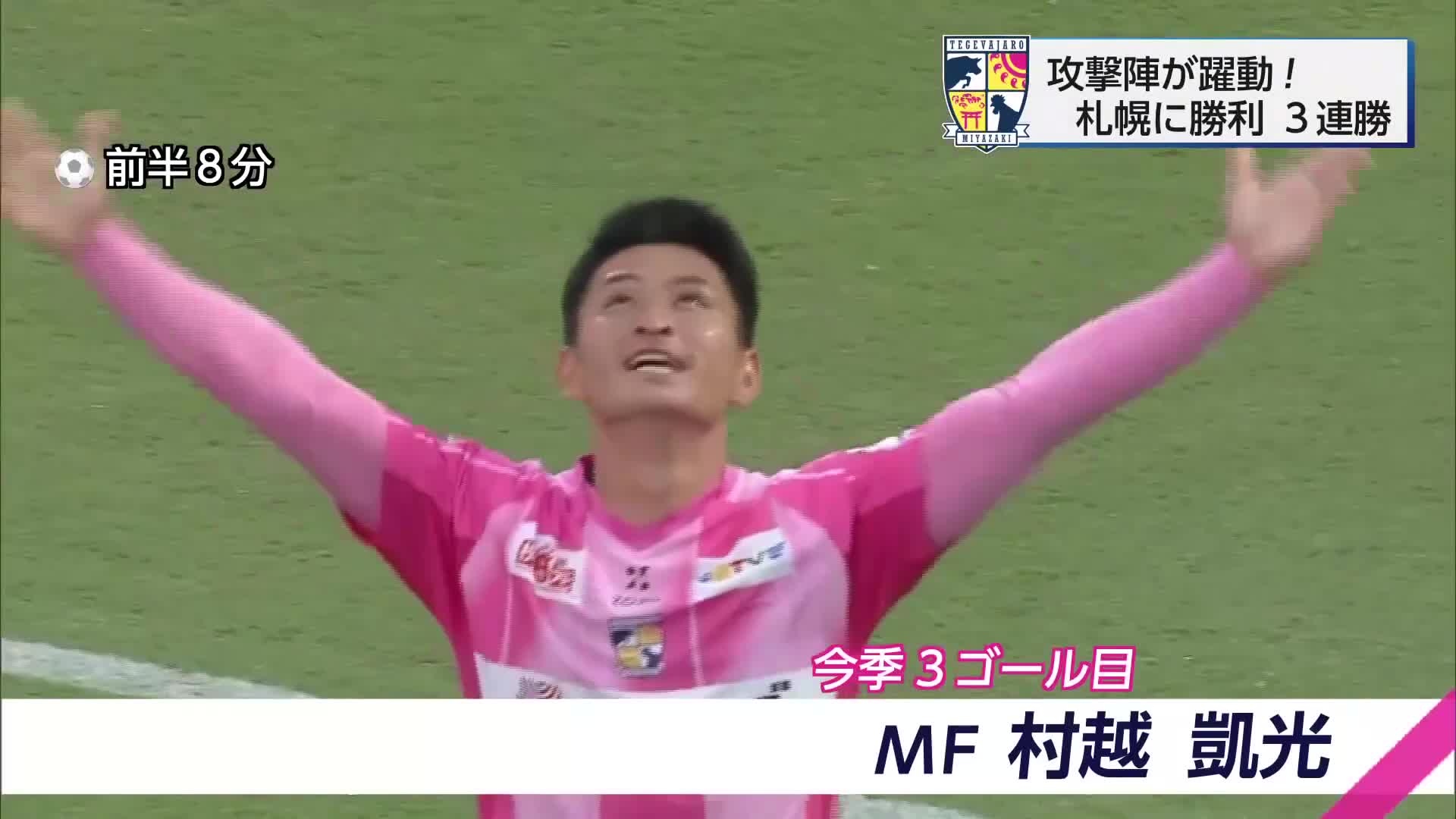
When the final whistle sounded at Ichigo Miyazaki Shintomi Football Stadium on September 26, 2026, the roar across the stands confirmed what local supporters had begun to suspect: Tegevajaro Miyazaki's survival campaign had evolved into an outright assault on the upper half of the table. A dominant victory over top-flight veterans Hokkaido Consadole Sapporo secured their third consecutive league win, marking an astonishing tactical revival for a club that seemed dead on arrival just three weeks prior, as highlighted in field coverage by the UMKテレビ宮崎 Report.
The transformation caught the Meiji Yasuda J2 League off guard. After clawing their way through the J3 promotion playoffs the previous autumn, Miyazaki stumbled badly into the 2026 campaign, enduring a demoralizing five-match winless slide that yielded just two points. Pundits wrote them off as relegation fodder. Yet, through sudden adjustments to their forward pressing structure and direct transitional channels, the southern club reversed course, netting six goals across two fixtures and shaking up the J2 League standings.
📌 Key Takeaways:
- The Turnaround: Tegevajaro Miyazaki converted a five-match winless slump (0 wins, 2 draws, 3 losses) into a three-game winning run, capped by a commanding win against Hokkaido Consadole Sapporo.
- The Tactical Shift: Managerial tweaks abandoned passive possession in favor of aggressive counter-pressing led by Okumura and direct aerial distribution through Hashimoto.
- The Big Test: Riding high after scoring six goals in two fixtures, Miyazaki now heads into Matchday 9 against high-spending promotion favorites RB Omiya Ardija.
From Playoff Euphoria to an Autumn Reality Check
Miyazaki’s rise to the second tier was never supposed to be smooth. The club earned its historic J2 berth after finishing fourth in J3 with a 19, 10, 8 record (61 goals scored, 45 conceded), surviving the grueling promotion playoff gauntlet through sheer defensive resolve. Momentum initially carried into regional warm-ups, where they topped their J.League 100-Year Vision West-B bracket with an extraordinary 15, 2, 1 run, scoring 35 goals while shipping just 11.
That winter form proved deceptive once the competitive autumn calendar kicked off. Summer transfer turnover destabilized the squad, with nine players arriving and nine departing. Most damaging was the unexpected exit of focal striker Toshida right after opening day. Without their primary target man, Miyazaki’s attack sputtered. Opponents sat in mid-blocks, absorbed toothless midfield circulation, and hit them on quick transitions. Through five rounds, the club sat anchored near the drop zone, generating low-percentage chances while leaking cheap goals from set pieces.
The Structural Reset That Sparked the Winning Streak
The breakthrough came on September 12 during Matchday 6 against Fujieda MYFC. Facing mounting scrutiny from supporters, the coaching staff dismantled their cautious defensive shape. Instead of dropping into a low block off the ball, Miyazaki moved their defensive line fifteen meters higher, instructing inside forwards to swarm passing lanes the moment opponents attempted to play out of the back.
The tactical gamble paid off immediately. At Ichigo Miyazaki Shintomi Football Stadium, the hosts overwhelmed Fujieda's buildup phase, securing an emotional first-ever J2 league victory. The tactical recalibration rested on two complementary profiles: Okumura’s relentless ball-hunting on the wing and Hashimoto’s physical aerial presence. When Okumura forced turnovers high up the pitch, Hashimoto provided an immediate outlet, flicking long clearances directly into open running lanes. The system simplified Miyazaki's progression, cutting down sideways passes and generating high-danger scoring opportunities within seconds of regaining possession.
| Matchday & Fixture | Scoreline & Outcome | Tactical Feature |
|---|---|---|
| MD 4: vs Vegalta Sendai | Loss / Winless Run Continues | Passive mid-block; squad rotation hangover following Emperor's Cup exit to Tochigi City. |
| MD 6: vs Fujieda MYFC | Historic First J2 Win | High pressing trap deployed; early ball recovery breaks five-match winless drought. |
| MD 7: League Fixture | Second Straight Win | Vertical combinations click; front line generates quick transitional goals. |
| MD 8: vs Consadole Sapporo | Decisive Win (3-game streak) | Hashimoto controls long balls; Okumura creates opening chances inside first 5 minutes. |
Dismantling Hokkaido Consadole Sapporo
Matchday 8 served as the litmus test. Consadole Sapporo entered Shintomi boasting top-flight pedigree, intricate positional rotations, and superior individual wage budgets. None of it mattered under Miyazaki’s suffocating press. From kickoff, the home side set a blistering tempo. Okumura stripped possession from Sapporo’s midfield within the opening minutes and tested the keeper from distance, signaling Miyazaki's intent to dictate terms.
Five minutes later, the game plan delivered its defining sequence. A measured long pass from the defensive third found Hashimoto, who rose above his marker to flick the ball behind Sapporo's backline. The direct route bypassed Sapporo’s entire midfield unit, throwing their center-backs into disarray. Miyazaki’s attack poured forward in waves, tallying their sixth goal across two matches and sealing a convincing victory. The performance erased any lingering doubts: this winning streak was no fluke of refereeing or fortunate deflections, but the result of precise tactical execution.
Navigating the Emperor’s Cup Hangover
The locker-room mood had not always been this buoyant. Just weeks earlier, fans openly questioned the squad's commitment on social channels. Miyazaki’s early-season collapse was compounded by a shocking 1, 2 Emperor's Cup defeat at home to Tochigi City. Heavily rotated lineups showed disjointed pressing and minimal cohesion, prompting boos from home sections and stinging player evaluations across regional media.
Rather than fracturing the squad, the tournament exit acted as a clearing event. The coaching staff abandoned experimental rotations, locked down a stable starting eleven, and eliminated tactical ambiguities. Players who drifted out of position during defensive transitions were benched in favor of workhorses who adhered strictly to pressing triggers. By focusing single-mindedly on the league calendar, Miyazaki reclaimed the physical aggression that carried them out of J3 in the first place.
Frequently Asked Questions (FAQ)
Q1: What tactical change sparked Tegevajaro Miyazaki's winning run?
A1: Managerial staff moved from a passive mid-block to an aggressive high press, leaning on Okumura to force turnovers high up the pitch and Hashimoto to win first contact on direct long balls.
Q2: Why did Miyazaki struggle during the first five rounds of the 2026 J2 season?
A2: Roster instability played a massive role, with nine departures, including key forward Toshida, disrupting offensive chemistry alongside tactical fatigue from a disappointing domestic cup exit.
Q3: How many goals did Miyazaki score during their Matchday 7 and 8 turnaround?
A3: The attack surged to produce six goals across the two fixtures, showing dramatic finishing efficiency compared to the two goals scored across their opening five matches combined.
The Road Ahead: Facing the Financial Might of RB Omiya Ardija
Sustaining this momentum presents an entirely different challenge. On Matchday 9, Miyazaki travels to meet RB Omiya Ardija, one of the division’s best-funded squads, backed by corporate resources and deep positional quality. Omiya will not surrender the midfield as easily as Sapporo did, and their tactical analysts will undoubtedly adjust to Hashimoto's aerial distribution channels.
For Tegevajaro Miyazaki, the upcoming clash is a referendum on their long-term ceiling. If their pressing triggers hold against Omiya's press-resistant pivots, the southern underdogs will establish themselves as legitimate playoff contenders rather than mere survivalists. For now, the recent run of match results has proven that disciplined vertical football can disrupt even the wealthiest rosters in Japanese football.