Is Don Quijote Theatrical White Makeup Safe? Ingredients and Myth-Busting
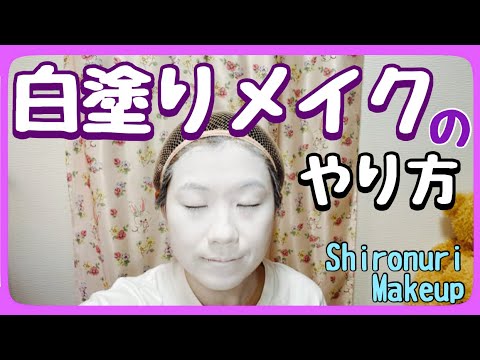
Every autumn and comic convention season across Tokyo and Osaka, the scene repeats itself with clockwork precision. Shoppers pack the crowded floor spaces of discount giant Don Quijote past midnight, grabbing cheap tubes and compacts of stark-white pigment off the seasonal costume shelves. Whether preparing for Shibuya street parties, an intensive visual kei shoot, or anime conventions, buyers routinely wager their complexions on inexpensive stage formulas. Professional performers have documented the fallout for years; as clown artist and stage performer Doremi pointed out in a detailed field analysis on the YouTube (ドレミちゃんチャンネル) Report, casual buyers often grab these heavy greasepaints without understanding formulation density, leading to ruined clothes, splotchy coverage, and acute contact irritation.
The white pigment jars lining the discount aisles are not everyday foundations. Known in Japan as dōran (ドーラン), this heavy-duty theatrical greasepaint originated in traditional theater and early cinema to bounce spotlight beams back into analog lenses. When consumers treat industrial-grade stage pigment like standard drugstore liquid makeup, the results are predictable: clogged sebaceous filaments, stubborn micro-tears from aggressive scrubbing, and allergic flare-ups.
📌 Key Takeaways:
- Formulation Reality: Don Quijote cosmetic aisle white face paints fall into two categories: heavy, wax-based theatrical greasepaint and water-activated festival cakes, each carrying distinct comedogenic risks.
- Chemical Occlusion: Traditional formulas depend on high-refraction titanium dioxide suspended in mineral oils and microcrystalline wax, creating a total seal that traps sweat and bacteria underneath.
- The Removal Danger: Trying to wash off oil-rich shironuri white face makeup using standard foaming cleansers strips the acid mantle; verified removal requires an oil-based cleansing balm to melt lipids without mechanical scrubbing.
The Midnight Rush to Don Quijote's Party Cosmetics Aisle
Don Quijote stores occupy an unusual cultural space in Japan. They sell groceries, luxury watches, novelty costumes, and professional cosmetics under one roof. In October, partygoers and cosplayers swarm the party-goods section rather than the curated skincare counters on the lower levels. They pluck unbranded white cream pots off hanging pegs for ¥600 to ¥1,200 ($4 to $8), assuming that because the products sit on retail shelves, they behave like normal cosmetics.
Costume-aisle jars are formulated to survive cold storage, high humidity, and rough transit. To achieve total opaque coverage at a bargain price point, manufacturers load these compounds with heavy concentrations of zinc oxide and titanium dioxide suspended in dense mineral oil bases. They are designed for stage distance, not close-up skin health. Professional brands like Mitsuyoshi stage makeup, the gold standard used by Kabuki actors, geisha, and film crews since 1953, engineer their pigments with pharmaceutical-grade waxes that spread predictably across properly primed skin. Budget costume variants cut production costs by using coarser waxes, which demand aggressive rubbing to apply and even more violent friction to strip away.
Decoding the Chemistry of Traditional Doran Greasepaint
Understanding what happens to your pores starts with the ingredient deck. Most budget grease paints sold for clown stage makeup or novelty shironuri rely on simple, hydrophobic chemistry:
Liquid paraffin (mineral oil), petrolatum, and talc form the structural chassis. Titanium dioxide provides the blinding white tint. Because mineral oil is chemically inert, it rarely triggers allergic sensitization on its own. The primary hazard comes from mechanical occlusion. When slathered over unprimed skin, this dense lipid film blocks the follicular infundibulum, the opening of the pore through which sebum discharges onto the epidermal surface.
[Dense Petrolatum / Mineral Oil Matrix] <-- Blocks trans-epidermal water loss completely
↓ (Traps heat, sweat, anaerobic bacteria)
[Sebaceous Gland Overproduction] <-- Triggers inflammatory papules & pustules within 4, 6 hours
Trapped beneath an airtight hydrophobic blanket, anaerobic bacteria such as Cutibacterium acnes proliferate rapidly. The skin continues to produce sweat and sebum, but the moisture has nowhere to escape. Heat builds within the epidermal layers, leading to miliaria rubra (sweat rash) alongside acute inflammatory acne. For anyone managing compromised skin, skipping an initial patch test for sensitive skin on the inner forearm 24 hours prior invites severe contact dermatitis.
Comparing Common White Makeup Formulations
Not every white pigment pot at Don Quijote shares the same chemical blueprint. Shoppers typically encounter three distinct categories of white face paint:
| Product Type | Primary Base & Active Pigment | Pore Clogging Potential | Durability & Removal Method |
|---|---|---|---|
| Professional Stage Doran(e.g., Mitsuyoshi) | Purified mineral waxes, high-grade titanium dioxide, microcrystalline wax | Moderate to High; creates physical moisture barrier | 8, 12 hours sweat-resistant; requires heavy emulsifying cleansing balm |
| Discount Costume Greasepaint(Generic Party Aisle) | Low-grade petrolatum, paraffin, raw calcium carbonate/talc blend | Severe; high concentration of pore-clogging mineral oils | 4, 6 hours before melting; dissolves solely through pure oils or cold creams |
| Water-Activated Face Cake(Body Paint Compacts) | Glycerin, acacia senegal gum, titanium dioxide, talc | Low; non-comedogenic water-soluble film | Fragile; dissolves with warm water and mild foam, rubs off with sweat |
Professional products contain refined binders that blend smoothly across the epidermis. Novelty costume paints rely on cheaper fillers that separate into oily pools within hours of body heat exposure.

Application Physics: Getting Pure Pigment Without Streaks
The biggest tactical mistake beginners make when applying shironuri white face makeup is treating it like liquid foundation. Pumping greasepaint onto fingertips and smearing it outward yields patchy gray streaks, highlighting uneven texture across the cheeks and jaw.
Cosplay video creators and stage makeup technicians emphasize meticulous cosplay skin prep before any pigment touches the face. Applying an oil-control primer creates a synthetic boundary layer between natural sebum and the greasepaint wax. If the skin is left bare, natural facial oils dissolve the greasepaint from underneath, turning the coverage translucent within ninety minutes.
[Clean Epidermis]
→ [Hydrating Gel Toner (Alcohol-Free)]
→ [Dimethicone Barrier Primer]
→ [Dabbed Greasepaint via High-Density Wedge]
→ [Press-and-Roll Translucent Setting Powder]
Stage veterans avoid dragging sponges across the face. They use firm, streak-free sponge blending, pressing high-density latex-free sponges directly onto the skin in vertical tapping motions. Once the base is laid down, setting it is non-negotiable. Unset greasepaint transfers onto collars, hair, and fingers at the slightest contact. Locking it down requires generous amounts of finely milled white or translucent setting powder, pressed into the pigment using a velour puff until the surface feels bone-dry to the touch.
The Removal Catastrophe: Preventing Barrier Damage
The real danger to skin barrier health rarely happens during wear; it happens at 3:00 AM over a bathroom sink. Makeup artist Condoiwao documented this exact emergency, showing that consumers regularly attempt to wash away oil-based theatrical white paint with standard foaming facial cleansers, only to find the makeup completely water-repellent. In panic, users reach for rough hand towels, scrubbing raw skin until the barrier is shredded.
Basic chemistry dictates removal strategy: like dissolves like. Foaming surfactants cannot penetrate thick mineral waxes. Scrubbing the face with hot water and alkaline soap removes natural intercellular lipids without dislodging the greasepaint, causing acute facial cleanser skin barrier damage that can take weeks to heal.
- Dry Breakdown: Apply a generous scoop of an oil-based cleansing balm or pure cosmetic-grade mineral oil directly to dry skin. Work the balm in circular motions for a full two minutes. The white pigment will liquefy into an oily emulsion.
- Tissue Removal: Gently press a soft facial tissue or microfiber cloth against the skin to absorb the liquefied pigment. Do not scrape or drag the fabric across sensitive zones.
- Emulsification: Add lukewarm water to your hands and massage the skin until the cleansing oil turns milky white, signaling that the surfactants have fully encapsulated the remaining oils.
- Gentle Second Cleanse: Wash once with a pH-balanced (5.5) amino acid foaming cleanser to remove residual emulsifier traces without stripping hydration.
- Barrier Repair: Immediately coat the face in a ceramide-rich cream to restore moisture balance.
Safe Profiles: Who Can Wear Stage Greasepaint and Who Must Walk Away
Halloween face paint safety demands an honest evaluation of individual skin conditions. Occlusive stage makeup poses wildly varying levels of risk depending on your baseline epidermal health:
- Individuals with normal to dry skin who show zero active inflammatory lesions, have no history of perioral dermatitis, and possess a complete oil-based double cleansing kit.
- Combination skin types prone to blackheads along the T-zone. These individuals must use a silicone-based barrier primer and limit wear time to under five hours.
- Anyone dealing with active cystic acne, rosacea, open excoriations, or atopic dermatitis. Sealing compromised skin beneath petrolatum waxes risks bacterial folliculitis and severe flare-ups. Water-activated cakes provide a far safer alternative for sensitive complexions.
Frequently Asked Questions (FAQ)
Q1: Can I use everyday cleansing oil to wash off Don Quijote white face paint?
Yes, provided it is an oil-rich formula. Lightweight micellar waters and makeup-wipes fail against theatrical greasepaint, but cleansing oils containing mineral oil, ethylhexyl palmitate, or jojoba oil break down the wax efficiently without harsh mechanical rubbing.
Q2: Why does my white face paint turn patchy and translucent after two hours?
Skin produces natural sebum and sweat that destabilizes greasepaint from below. Failing to apply a barrier primer beneath the makeup and omitting a heavy coat of translucent setting powder on top allows body heat to melt the wax film.
Q3: Is professional Mitsuyoshi stage makeup safer for skin than budget novelty paint?
Mitsuyoshi uses highly refined, cosmetic-grade waxes and controlled pigment particle sizes designed specifically for performance use. While still occlusive, it blends more evenly, requires less product for full opacity, and releases from the pore structure much more cleanly during oil cleansing.
Actionable Takeaways for Stage and Halloween Makeup
The white cosmetic compacts in Don Quijote’s party aisles serve a specific theatrical purpose. They deliver high-contrast, camera-ready opacity at an accessible price. Treating them like ordinary makeup, however, creates real dermatological headaches.
If you plan to use dense theatrical greasepaint this season, prioritize preparation over pigment volume. Always patch-test unfamiliar formulas on your arm, buffer your skin with a silicone-based primer, apply with a firm tapping motion, and maintain an oil-based cleansing balm at your sink before you head out. Respect the chemistry of stage makeup, and your skin will survive the performance intact.