Is Ikenotaira Hotel Worth the Visit? Amenities, Pricing, and Reality Fact-Checked

Perched at the edge of Lake Shirakaba in Nagano Prefecture, Shirakaba Resort Ikenotaira Hotel has spent seven decades anchoring regional tourism at the foot of Mount Tateshina. Long known as a traditional stop for school trips and bus tours, the property underwent an ambitious multi-phase modernization to shed its dated image. According to an official corporate release detailed in a PR TIMES Report, the operator restructured its operations under "THE LAKE RESORT" umbrella, matching newly built luxury hotel wings with expansive lakeside entertainment.
Yet as travel costs rise across Japan, families and international travelers routinely ask whether the property justifies its price tag. Reaching an elevation of 1,400 meters, this highland complex promises a cool summer sanctuary, winter ski access, thermal baths, and family entertainment. Examining room tiers, guest feedback, dining quality, and brand-new indoor facilities clarifies what visitors can genuinely expect.
📌 Key Takeaways:
- Core Evolution: Recent multi-million dollar renovations transformed aging Showa-era blocks into modern lakefront hotel wings, supported by brand-new, all-weather indoor entertainment complexes.
- Year-Round Appeal: An elevation of 1,400 meters keeps summer temperatures substantially cooler than Tokyo, while direct proximity to slopes creates a seamless Nagano ski and hot spring getaway in winter.
- The Trade-Off: While newly renovated wings and sprawling buffets earn strong reviews, peak season rates run high, and navigating the vast complex requires significant indoor walking between distant amenities.
The Reinvention of Lake Shirakaba's 70-Year Landmark
For decades, the standard Japanese mountain resort followed a rigid formula: communal tatami rooms, rigid meal schedules, and minimal entertainment beyond a scenic view. Ikenotaira Hotel operated under that model after its initial post-war opening. However, demographic shifts and changing consumer tastes forced a complete reimagining of the site. The current iteration blends natural highland recreation with structured resort hospitality, targeting multi-generational groups traveling from metropolitan Tokyo, Nagoya, and abroad.
Located in Chino City, Nagano, the resort positions itself as a gateway to the Mount Tateshina highland resort corridor. Its location right on Lake Shirakaba provides a distinct geographic advantage. Highland breezes keep humidity low from June through August, making it an established elevation 1400m summer retreat. In winter, the surrounding peaks receive reliable snowfall, shifting the complex into a combined snowsports and thermal retreat. Rather than relying solely on the seasonal climate, resort operators shifted their core investment strategy toward self-contained attractions that insulate travelers from bad weather.
All-Weather Attractions and the New Indoor Amusement Park
Nagano's mountain weather can turn treacherous without warning. Sudden alpine rainstorms often derail outdoor itineraries at nearby walking tracks or lakeside paths. To neutralize this vulnerability, the resort opened the Shirakaba Resort Indoor Park adjacent to the main building.
The indoor development houses obstacle zones, interactive digital attractions, and a climate-controlled heated pool with water slides. Parents no longer need to scramble for contingency plans when downpours roll over Mount Tateshina. Children can spend entire afternoons moving between dynamic climbing frames and projection-mapped games, while older family members access adjoining lounges. The complex integrates directly with the hotel's interior corridors, allowing guests to transition from their rooms to recreational zones without stepping outside into freezing rain or heavy snowfall.
The Pingu Partnership and Family Entertainment Value
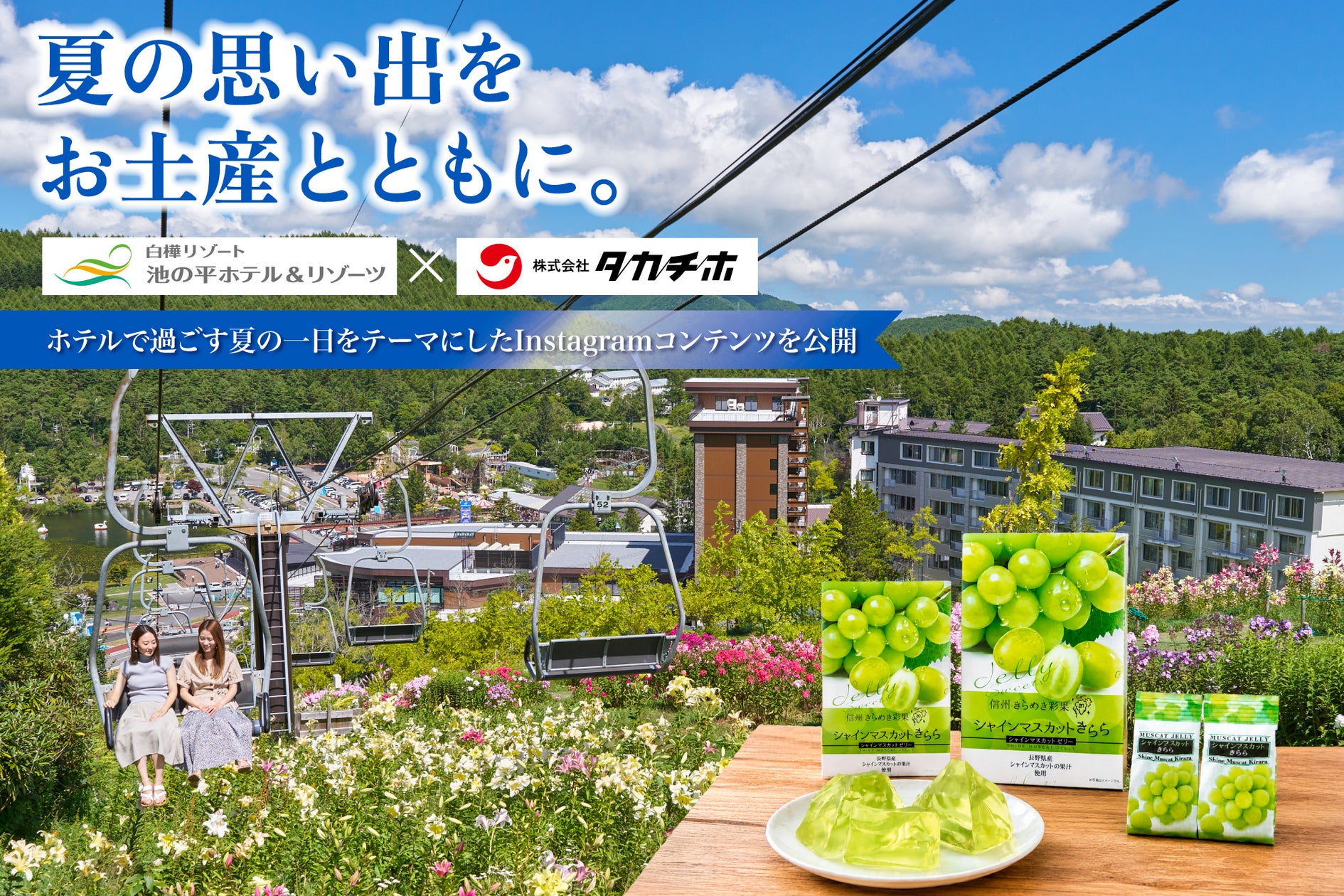
The resort's family appeal centers heavily on themed intellectual property. Character tie-ins include the long-running "Pingu Shirakaba Village" collaboration, which integrates the Swiss stop-motion character into seasonal resort programming. During peak spring and summer operations, the hotel hosts specialized character-themed guest rooms, curated scavenger hunts around the lakefront, and exclusive regional merchandise produced alongside regional souvenir manufacturers.
Outside the indoor complex sits the broader Shirakaba Kogen amusement park, featuring traditional open-air rides, go-karts, and a small animal sanctuary. While the outdoor rides display some architectural signs of age compared to Tokyo's modern theme parks, they cater effectively to children aged three to twelve. For families balancing toddlers and early-grade school children, the pairing of character events with low-stress amusement rides eliminates the punishing queue times common at urban theme parks.
Cost Breakdown: Room Rates, Lakeside Buffets, and True Value
Planning an excursion requires clear sight of pricing dynamics. Ikenotaira Hotel room rates fluctuate dramatically based on seasonal demand, room category, and dining tiers. Accommodations range from budget-conscious annex rooms in older structures to premium suites in the newly constructed Main Building (Honkan), which feature panoramic floor-to-ceiling lake views.
The signature dining experience is the lakeside buffet dining hall. Organized around open-kitchen counters, chefs prepare regional Shinshu beef, freshly fried tempura, regional soba, and seasonal seafood in full view of diners.
| Room Tier & Season | Nightly Cost Range (Per Person, Half-Board) | Included Amenities |
|---|---|---|
| Standard Annex Wing (Off-Peak) | ¥14,000, ¥19,000 ($95, $130) | Standard buffet dinner/breakfast, general onsen access |
| New Main Building Lake View (Standard Season) | ¥24,000, ¥34,000 ($160, $230) | Modern balcony room, premium buffet seating, lake view baths |
| Character Suites / Summer Peak & Holidays | ¥38,000, ¥52,000 ($255, $350) | Themed amenities, indoor park passes, all-inclusive entertainment access |
For an average family of four during peak summer weekends, a two-night stay can easily approach ¥160,000 to ¥220,000. The investment delivers value primarily if children actively utilize the indoor park, heated pools, and included onsen facilities throughout the stay.
Onsen Quality, Lake Views, and Seasonal Transitions
A central highlight of the property is its extensive thermal bath complex. The lake view hot spring onsen features open-air baths (rotenburo) engineered with infinity-edge styling that appears to merge seamlessly with Lake Shirakaba. Rich in mild alkaline minerals, the spring waters are gentle on sensitive skin, making them appropriate for infants and elderly visitors alike.
The bathhouse incorporates mixed-gender zones where bathers wear provided bathing garments (yuami-gi), allowing couples and families to soak together while watching alpine sunsets over the water. During autumn, the surrounding birch forests turn vivid shades of amber and gold. By mid-December, freezing conditions transform the lakeside into a winter sports base, catering to ski lessons on beginner-friendly slopes immediately behind the property.
What Real Guests Praise and Where the Resort Falls Short
An evaluation of verified Ikenotaira Hotel reviews highlights a distinct division between guest praise and practical friction points.
What Guests Consistently Praise:
- Stress-Free Child Management: The resort provides cribs, bottle warmers, baby food sections at the buffet, and stroller-accessible ramps across modern zones.
- High-Standard Buffet Execution: Unlike generic hotel buffets, the open kitchens maintain fresh product rotation, emphasizing Nagano apples, local dairy, and regional soba noodles.
- Scenic Bathing: The infinity-style lakeside baths receive near-universal acclaim for views across Lake Shirakaba toward Mount Tateshina.
Documented Shortcomings and Guest Grievances:
- Navigational Sprawl: The hotel footprint is immense. Walking from older outer annex rooms to the central dining hall or thermal baths can take nearly ten minutes through long connecting corridors.
- Aging Annex Discrepancy: Travelers who select lower-priced rooms frequently report worn carpets, dated bathroom fixtures, and thin acoustic insulation compared to the newly built Main Building.
- Peak-Hour Dining Congestion: Despite time-slot systems, the buffet hall can feel chaotic during peak Japanese holiday weekends (Golden Week, Obon, and New Year), with queues at prime grill stations.
Frequently Asked Questions (FAQ)
Q1: How do travelers without a car reach Ikenotaira Hotel from Tokyo?
A1: Take the JR Chuo Line Limited Express (Azusa) from Shinjuku Station to Chino Station, which takes approximately two hours. From Chino Station, the resort operates scheduled shuttle buses directly to the hotel lobby, requiring advance reservations. Local route buses also run from the station to the Lake Shirakaba bus stop.
Q2: Should visitors book the older wings to save money?
A2: Travelers prioritizing modern comfort, strong soundproofing, and elevator convenience should book the newly renovated Main Building (Honkan). The older annex wings offer substantial savings, but require longer walks through indoor hallways and feature dated Showa-era room interiors.
Q3: Is the resort suitable for international travelers who do not speak Japanese?
A3: Yes. Major signage throughout the hotel, digital game stations, buffet allergen labeling, and onsen guidelines feature English translations. Front desk staff utilize translation devices to process check-in procedures smoothly.
Deciding on Your Shirakaba Highland Itinerary for 2026
Shirakaba Resort Ikenotaira Hotel delivers a dependable, high-yield vacation when matched with the right expectations. It is not an intimate, secluded luxury ryokan meant for quiet introspection. It is an active, large-scale alpine family resort that excels at eliminating vacation friction for parents traveling with young children.
Those planning a trip should budget for the renovated Main Building to ensure modern accommodations, reserve buffet meal slots early in the evening to bypass heavy crowds, and make full use of the indoor park during unpredictable mountain afternoons. When planned strategically, this lakeside anchor remains one of the most functional, weather-resilient mountain retreats in central Japan.