Is Polo a Cheaper Knockoff? The Real Truth Behind Ralph Lauren’s Brand Hierarchy
Walk into any high-end department store or outlet village, and the rack confusion hits immediately. On one hanger sits a stiff navy blazer sporting the iconic embroidered equestrian player, priced at $498. Three aisles over, an unconstructed cashmere sport coat with an understated violet silk tag commands an eye-watering $5,295. Both bear the name Ralph Lauren, yet they inhabit entirely different stratospheres of construction, heritage, and prestige.
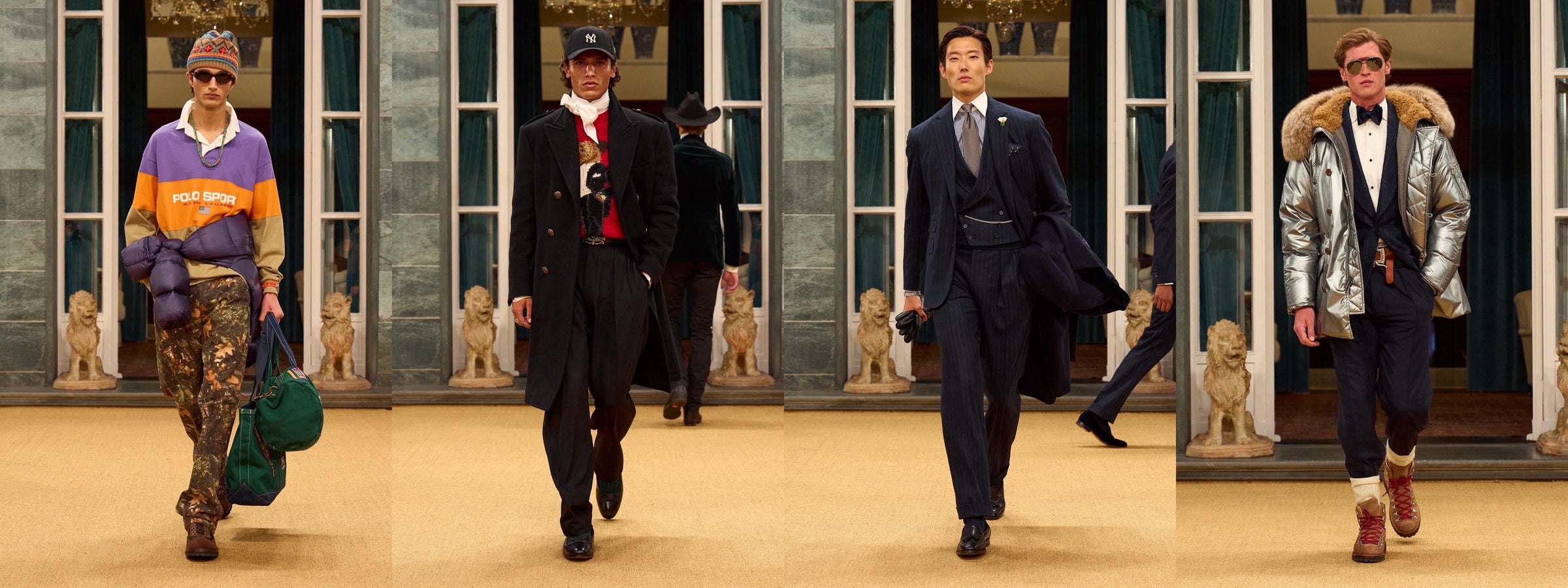
That massive delta has fueled persistent misconceptions among consumers, with casual shoppers often wondering whether Polo Ralph Lauren is merely a lower-grade licensing cash cow or if Ralph Lauren is an independent luxury house. The company addressed that dual identity head-on at Palazzo Ralph Lauren in Milan during its showcase of the Fall 2026 Purple Label and Polo Ralph Lauren presentations, as detailed by a PR TIMES Report. Far from being a knockoff, Polo serves as the historical bedrock of an empire deliberately segmented into precise tiers of price, manufacturing, and provenance.
📌 Key Takeaways:
- The Lineage Reality: Polo Ralph Lauren is not a budget diffusion line; it is the original menswear label founded in 1967 that built the entire corporate conglomerate.
- The Luxury Split: Ralph Lauren Purple Label represents the pinnacle of handcrafted Italian tailoring, while lines like Lauren Ralph Lauren serve mass-market department stores under altered licensing and fabric standards.
- Value Assessment: Garment longevity hinges on tag color and origin, where full-canvas Italian tailoring sits at the top and blended polyester pieces anchor commercial mall tiers.
The 1967 Origin That Sparked Decades of Consumer Confusion
The belief that "Ralph Lauren" came first and "Polo" was created later as a budget diffusion label gets the corporate timeline entirely backward. In 1967, a 28-year-old sales assistant named Ralph Lifshitz, operating out of a single drawer in the Empire State Building under the name Ralph Lauren, launched an unconventional collection of wide, hand-cut neckties. He called the label Polo, selecting the sport for its association with international glamour, athletic grace, and old-money elegance.
The full eponymous corporate banner, Ralph Lauren Corporation, emerged later as the holding architecture once the business diversified into womenswear, fragrances, home furnishings, and specialized sportswear. The pony logo, designed by tennis player and artist René Lacoste’s visual counterpart in American iconography, did not appear on clothing cuffs until 1971, and only hit the chest of the cotton short-sleeve shirt in 1972.
Over nearly six decades, the empire split its offerings to capture different income brackets without diluting the primary nameplate. When shoppers encounter a garment labeled "Polo Ralph Lauren," they are looking at the foundational aesthetic core of the brand: ivy league tailoring, collegiate tweed, rugby knits, and rugged sportswear. The confusion arises because mass department stores stock entry-level lines alongside genuine mainline pieces, muddying the waters for anyone unfamiliar with the internal pecking order.
Decoding the Label Color Hierarchy: From Mass Mall to Milan
Understanding Ralph Lauren requires looking past the embroidered chest logo directly at the neck tag. The house uses distinct label colors and typography to signal manufacturing origin, textile provenance, and target price points.
At the pinnacle sits Ralph Lauren Purple Label, introduced in 1994 to rival Savile Row bespoke and historic Italian houses like Brioni and Kiton. Purple Label pieces feature hand-set sleeves, floating full-canvas interlinings, horn buttons, and sourced wools from heritage mills in Biella, Italy. Its womenswear equivalent, the Ralph Lauren Collection, commands identical runway prestige.
Occupying an entirely separate, artisanal lane is Double RL (RRL), established in 1993 and named after Ralph and Ricky Lauren’s working ranch in Telluride, Colorado. RRL avoids conventional prep styling, focusing strictly on vintage American workwear, hand-distressed selvedge denim woven on narrow shuttle looms in Japan, and historically accurate military reproductions.
Further down the pyramid, lines like Lauren Ralph Lauren (LRL) represent women’s commercial ready-to-wear aimed at suburban retail chains. These garments rely on commercial supply chains, synthetic fiber blends, and glued fusings to keep entry costs accessible. The table below delineates the structural differences across the active tiers.
| Brand Tier | Typical Price Band (USD) | Primary Manufacturing Origin | Signature Design & Construction Focus |
|---|---|---|---|
| Ralph Lauren Purple Label | $495, $7,500+ | Italy, United Kingdom | Full-canvas tailoring, pure cashmere, hand-stitched detailing, ultra-luxury sartorial cuts. |
| Ralph Lauren Collection | $690, $9,000+ | Italy, France, USA | High-fashion women's runway line, silk evening wear, precious leathers, architectural drape. |
| Double RL (RRL) | $185, $2,400 | Japan, USA, Italy, Mexico | Raw selvedge denim, historic military rep, veg-tanned leather, rugged frontier workwear. |
| Polo Ralph Lauren | $98, $998 | Vietnam, China, Sri Lanka, India | Classic American prep, piqué cotton knitwear, varsity jackets, half-canvas soft blazers. |
| Lauren Ralph Lauren (LRL) | $60, $350 | Cambodia, Indonesia, China | Mass-market business casual, poly-blend knit dresses, machine-sewn commercial suiting. |
Fabric Quality and Manufacturing Realities Behind the Pony
The practical divide between lines comes down to internal garment construction rather than external branding. In Purple Label tailoring, master craftsmen assemble coats using a floating canvas made of horsehair and wool. This internal structure molds to the wearer's chest over time via natural body heat. Lapels roll smoothly without sharp artificial creases, and buttonholes are stitched by hand using heavy silk thread.
Polo Ralph Lauren blazers take an industrialized mid-tier approach. While modern Polo suiting frequently utilizes wool woven by Italian mills like Vitale Barberis Canonico, assembly relies on half-canvas methods or engineered interlinings constructed in specialized facilities across Southeast Asia. The garment holds its shape reliably and offers respectable longevity, but it lacks the bespoke flexibility of its Milanese sibling.
Materials diverge significantly at the casual level. A standard Polo piqué shirt uses long-staple ringspun combed cotton, featuring double-needle hem stitching and cross-stitched mother-of-pearl or composite buttons. Step down to lower retail-exclusive diffusion garments or discontinued outlet-specific sub-brands like Chaps (which was fully licensed out to Kohl's before being phased down), and the fabrics pivot sharply toward short-staple cotton blended with polyester. Those fibers pill rapidly, shrink unevenly after three washes, and lose neck elasticity within a single season.
How Diffusion Strategies Created Mass Misconceptions
During the retail boom of the late 1980s and 1990s, American fashion houses aggressively licensed their names to department store conglomerates. Ralph Lauren authorized distinct offshoots to capture mid-tier commercial revenue, introducing labels such as Polo Jeans Co., Rugby, Denim & Supply, and Chaps Ralph Lauren.
This licensing boom created severe brand dilution. Budget shoppers bought low-cost polyester-blend suits at mid-market regional retailers bearing the Ralph Lauren nameplate, assuming they were acquiring the same caliber of clothing worn by Manhattan elites. When those garments wore through at the elbows or puckered around fused chest seams, consumer sentiment took a hit.
The secondary market added another layer of confusion. Vintage resale platforms like Grailed, eBay, and Depop are flooded with older green-label, blue-label, and white-label garments. Without knowing the manufacturing eras, buyers often mistake discontinued mass-market commercial lines for rare archival sportswear, misinterpreting the brand’s intentional tier boundaries as inconsistent quality control.
The Modern Strategy: Streetwear Heritage and Milanese Salons
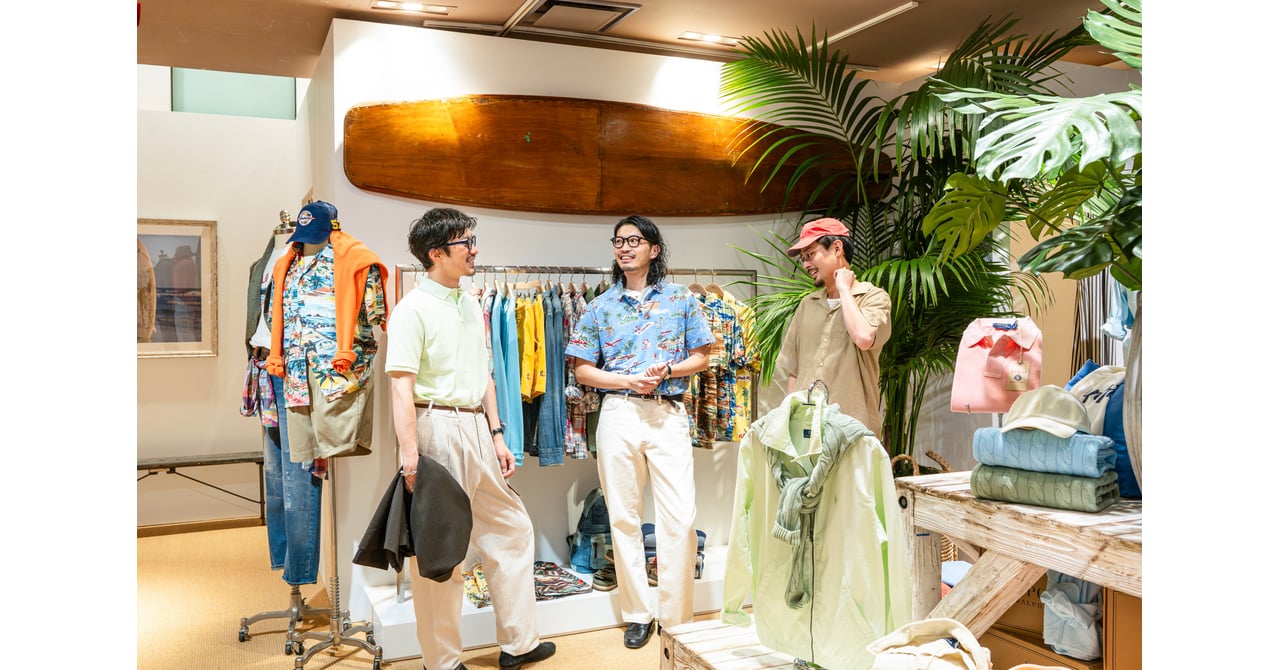
Rather than contracting its focus, the corporate flagship maintains its multi-tiered identity through strict stylistic specialization. In recent seasons, Polo Ralph Lauren has leaned heavily into hyper-curated cultural retrospectives. In July 2025, the brand released the Polo Ralph Lauren for Oak Bluffs capsule, highlighting the historic Black vacation community on Martha’s Vineyard through archival knitwear, collegiate stripes, and mid-century resort cuts. Similarly, the Surf Club Collection pop-up at Isetan Shinjuku in April 2025 demonstrated the mainline’s ability to dominate specialized summer lifestyle spaces.
Meanwhile, executive leadership protects Purple Label from seasonal streetwear trends. The Milan Fall 2026 presentation inside Palazzo Ralph Lauren avoided loud branding entirely, focusing on double-breasted charcoal overcoats, shearling flight jackets, and muted houndstooth cashmeres shown in private salon environments.
This operational separation preserves absolute exclusivity at the top while allowing the company to generate steady volume through its core sportswear network. The pony logo remains an everyday status marker across university campuses and casual offices, while Purple Label operates in the quiet luxury space occupied by Loro Piana and Brunello Cucinelli.
Frequently Asked Questions (FAQ)
Q1: Is Polo Ralph Lauren an inferior knockoff of Ralph Lauren?
A1: No. Polo Ralph Lauren is the original brand founded by Ralph Lauren in 1967. It serves as the historic heritage line of the Ralph Lauren Corporation. While priced lower than Purple Label, it uses solid construction methods and authentic designs, standing entirely separate from licensed budget lines.
Q2: Why do some Ralph Lauren shirts have no pony logo on the chest?
A2: Top-tier collections like Ralph Lauren Purple Label and Double RL intentionally omit the embroidered chest pony. These luxury tiers focus on discreet tailoring and fabric quality rather than conspicuous logo placement. Plain chest garments often signal higher-tier clothing than standard pony-embroidered options.
Q3: How can I tell if a vintage Ralph Lauren garment is high quality?
A3: Inspect the neck label and construction tags. Purple labels signify the highest Italian-made luxury tier. Blue labels with yellow or white cursive script represent solid mainline Polo pieces. Avoid white labels marked "Lauren Ralph Lauren" or green "Chaps" labels if you are hunting for high-end tailoring, as these rely on fused linings and synthetic blends.
Buying Smart in Today's Market
Navigating Ralph Lauren's ecosystem requires knowing what you want out of the garment. If your goal is everyday reliability, authentic American collegiate prep, and durable casual sportswear, mainline Polo Ralph Lauren delivers proven value. Its oxford cloth button-downs, heavyweight fleece hoodies, and cable-knit cotton crewnecks remain dependable wardrobe staples that hold their shape over years of machine laundering.
If you are hunting for serious sartorial craftsmanship, full-canvas tailoring, or heirloom-grade cashmere, bypass the pony logo completely. Target Ralph Lauren Purple Label on the secondary market or during seasonal private sales, where hand-stitched Italian construction rivals the finest suiting houses in Europe. For vintage denim obsessives, Double RL remains the undisputed benchmark for historically accurate workwear. Ralph Lauren's genius lies not in a single garment, but in building a brand structure broad enough to outfit both the country club spectator and the Milan runway connoisseur under the exact same family name.