Is Restaurant-Quality Chilled Somen Possible at Home? Professional Secrets Exposed

Every August across Japan, domestic kitchens encounter a familiar culinary wall: noodle fatigue. Thin, delicate dried wheat noodles that boil in under two minutes have sustained households through blistering heatwaves for generations, yet the default preparation, served over ice cubes alongside a diluted cup of bottled mentsuyu noodle base, frequently yields watery strands and muted flavors. According to culinary trends tracked in an MSN Report on summer meal adaptations, home cooks systematically seek alternatives to plain dipping sauces by mid-season, turning to vibrant regional variations and cross-genre toppings to revitalize their tables.
(Source: MSN: "【もう飽きない】そうめんアレンジ8選〜乗せて和えて変わり種まで")
The gap between a forgettable home lunch and a pristine bowl served at a premier Tokyo kappo counter comes down to two variables: starch management and broth density. Professional chefs treat chilled somen noodles not as an emergency convenience food, but as a neutral canvas capable of carrying nuanced fats, calculated acidity, and layered umami. By dismantling standard home cooking habits, culinary authorities are proving that a dry pantry staple can rival high-end restaurant fare in less than ten minutes.
📌 Key Takeaways:
- The Core Flaw: Melting ice cubes and lingering surface starch degrade standard home somen, diluting store-bought dipping broths within minutes.
- Chef Kasahara's Technique: Poaching lean chicken breast to extract clear chicken dashi broth provides natural gelatin and umami that cling to delicate noodles.
- The Essential Shock: A two-stage mechanical rinse followed by an ice-water noodle shock removes slippery amylose, ensuring crisp tensile snap.
The Kitchen Fatigue Driving Japan’s Summer Somen Shift
The monotony of midsummer cooking has a distinct vocabulary in Japan: somen manneri. By the time temperatures settle into mid-August highs, the simplicity of boiled noodles loses its charm. Millions of dried noodle bundles sit in domestic pantries, often received as ceremonial midsummer gifts. Boiling them is easy. Eating them the same way five days in a row is exhausting.
This culinary boredom has ignited a nationwide push toward radical noodle adaptations across culinary media. Japanese recipe networks and culinary researchers are aggressively publishing formats that borrow from Sichuan street food, Korean cold noodles, and classic Chinese-Japanese luncheon counters. The modern objective is straightforward: retain the rapid cooking time of somen while injecting protein, rich emulsions, and bold aromatics to combat summer lethargy.
Chef Masahiro Kasahara’s Broth Blueprint
Tokyo’s culinary establishment approached the somen dilemma from a different angle. On August 17, 2026, Chef Masahiro Kasahara, owner of the renowned Ebisu restaurant Sanpi Ryoron, highlighted a professional solution on his culinary channel. Instead of relying on commercially bottled concentrates, Kasahara introduced a refined method built on poached chicken breast and clean chicken dashi broth.
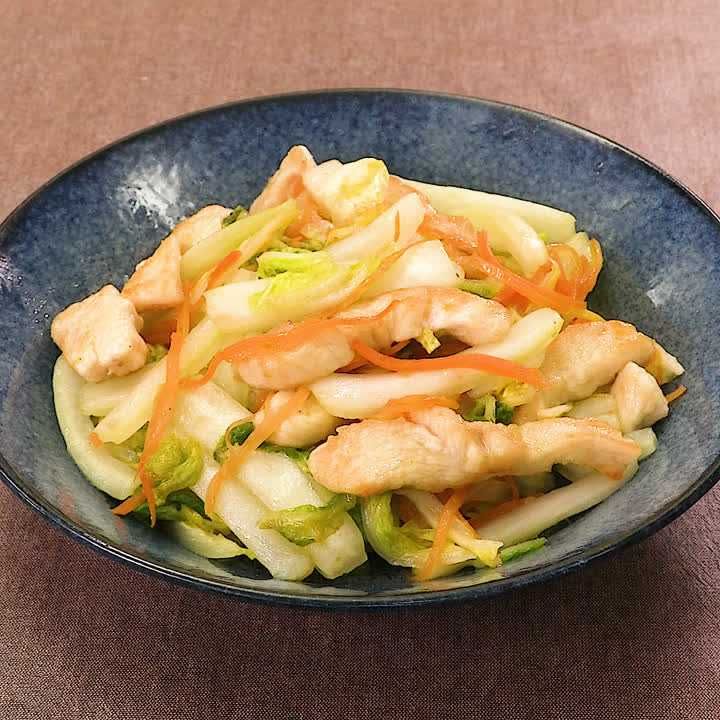
Kasahara's method targets the fundamental structural defect of casual cold noodles: standard mentsuyu carries salt and soy depth, but lacks the body required to coat thin wheat strands without heavy sugar. Kasahara gently poaches skinless chicken breast in water with sake, salt, and light soy sauce. As the meat cools in the poaching liquid, it yields clean poultry fat and dissolved collagen while staying tender. Once thoroughly chilled, this stock acts as both soup and sauce. Shredding the poached chicken directly over the noodles supplies clean protein, while the chilled broth adheres to every millimeter of the wheat surface without leaving an oily residue.
The Physics of the Starch Wash and the Ice Shock
Technique defines texture long before the soup touches the bowl. Somen strands measure less than 1.3 millimeters in diameter. Because they boil in 90 to 120 seconds, their exterior starches gelatinize almost instantly. Dropping noodles into a bowl of ice water immediately after boiling is the most common mistake in amateur kitchens.
Professional line cooks follow a strict three-phase cooling cycle:
First, drain the boiling water and blast the noodles with cold tap water. Second, wash the noodles vigorously between both palms, scrubbing away the slippery amylose starch coating the exterior. This friction creates a clean, matte surface that prevents clumping. Third, plunge the thoroughly scrubbed noodles into a bath of water and crushed ice for exactly 20 seconds. This sudden thermal contraction tightens the gluten network, creating the signature firm snap (koshi) prized by noodle masters. Finally, press the noodles firmly against the colander to extract every drop of excess moisture. Residual water remains the primary enemy of concentrated broths.
| Noodle Preparation Method | Texture & Firmness | Broth Cling Retention | Avg. Prep Time |
|---|---|---|---|
| Standard Domestic (Ice bowl soak, no scrub) | Soft, waterlogged, soggy within 3 minutes | Low (dilutes dipping tare by 40, 50%) | 3, 4 minutes |
| Professional Shock (Two-stage scrub + ice plunge) | Resilient, snappy, retains bite for 15+ minutes | High (clean starch surface binds broths) | 5, 6 minutes |
| Oil-Tossed Prep (Light sesame oil barrier post-shock) | Supple, distinct strands, zero stickiness | Optimal for rich pastes and tantan emulsions | 6, 7 minutes |
Modern Broth Formulations: Tantan Emulsions to Citrus Pork
Recent developments documented across Japanese recipe platforms showcase how home cooks are moving past standard dashi. Culinary researcher Yukari introduced two prominent models that gained significant traction in August 2026: a rich cold tantan somen and an acidity-balanced pork and grated daikon variation.
The tantan formulation balances dense sesame tare dressing with chilled unsweetened soy milk and concentrated noodle base. Topped with quick-fried spicy meat miso made from ground pork, ginger, garlic, and doubanjiang, the soup forms an opaque, velvety coat around thin noodles. Somen's minute diameter gives it vastly more surface area per bite than ramen or udon, allowing the creamy sesame soup to adhere evenly.
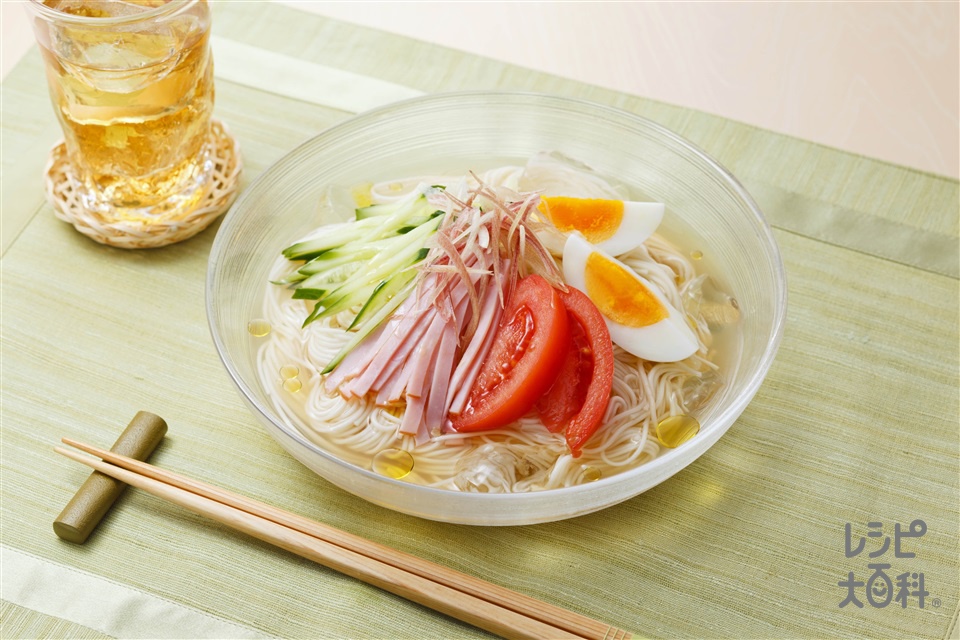
For high-humidity afternoons, Yukari’s pork and grated daikon method relies on quick-poached sliced pork belly laid over chilled strands, topped with coarse grated daikon radish and citrus ponzu. Daikon delivers digestive enzymes that cut through pork fat, while the radish juices blend into the base sauce to provide a clean finish. Simultaneously, home cooks on recipe hub Nadia popularized hiyashi chuka style somen, substituting alkaline Chinese noodles with somen dressed in a quick homemade dressing of soy sauce, rice vinegar, sesame oil, and sugar, garnished with thinly sliced cucumber, ham, and egg strips.
Who Benefits Most and Which Techniques to Skip
Adapting restaurant-level noodle techniques requires matching the method to your meal schedule. Not every preparation works for every dining scenario.
Ideal Kitchen Profiles:
Home cooks seeking fast, protein-balanced dinners will find chicken dashi and cold tantan methods invaluable. These formats transform an insubstantial side dish into a complete single-bowl meal under $3.50 per serving. They also accommodate meal preppers: poached chicken stocks and spicy meat miso can sit chilled in airtight containers for up to 72 hours without textural degradation.
Techniques to Avoid:
Avoid floating finished somen in ice water bowls at the dining table. While visually classic, this nostalgic serving style continuously saturates the noodles, stripping away their surface texture and watering down any sauce within seconds. Furthermore, avoid pairing somen with viscous, butter-heavy sauces or thick Western gravies; thin wheat noodles lack the structural backbone required to carry dairy fats, causing the strands to clump into unappetizing clusters.
Frequently Asked Questions (FAQ)
Q1: Why do home-cooked somen noodles turn limp so much faster than restaurant versions?
A1: Home cooks frequently skip the friction washing stage. Without physically scrubbing the noodles under running cold water, gelatinized surface starches remain on the outside of the strands. These starches absorb ambient water rapidly, making the noodle mushy within three minutes. A thorough cold scrub followed by a brief ice-water noodle shock preserves structural integrity.
Q2: Can commercial bottled mentsuyu match scratch-made broth?
A2: Yes, provided you fortify its body. Standard mentsuyu consists primarily of soy sauce, mirin, and dried fish extract, which lacks viscous fat. Whisking half a teaspoon of toasted sesame oil, pure sesame paste (neri goma), or cold chicken dashi into commercial concentrates gives the liquid sufficient viscosity to cling to delicate somen.
Q3: How long can cooked, chilled somen sit before serving?
A3: Somen should be dressed and consumed within 10 to 15 minutes of boiling. If you must prep 30 minutes ahead, thoroughly drain all water, toss the strands in half a teaspoon of neutral oil or sesame oil, and store them covered in the coldest section of your refrigerator.
The Future of Japanese Summer Noodle Craft
The boundary between traditional Japanese summer noodles and modern casual cooking has dissolved. Pantry somen is no longer trapped in a cycle of repetitive convenience. By borrowing precise thermal shock techniques from professional kitchens and pairing delicate wheat noodles with rich stocks like cold chicken broth or sesame emulsions, anyone can produce bowls with exceptional balance and snap. The secret does not reside in expensive pantry imports. It lives in cold water, deliberate starch removal, and broths engineered to coat every strand.