Japanese Diners and Home Cooks Embrace Winter Yuzu Kosho Chicken Bowls
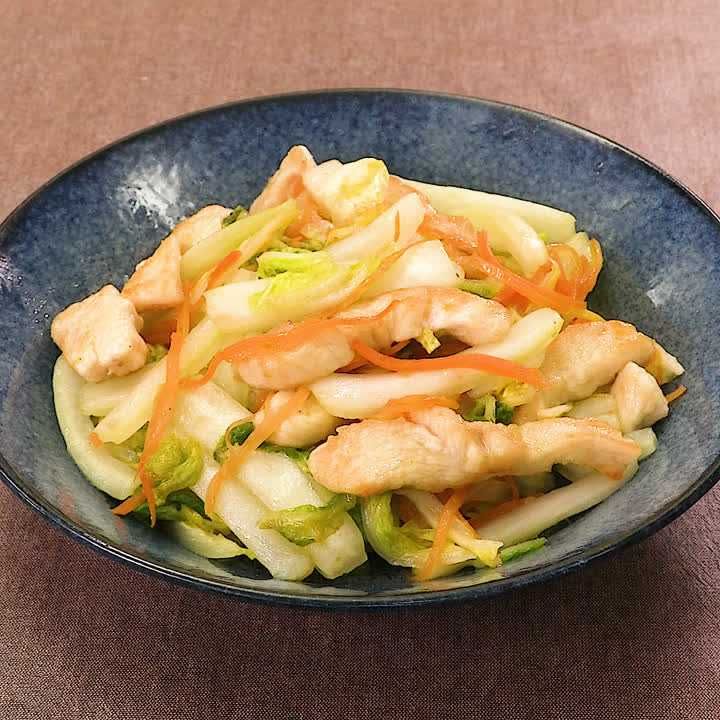
Steam rises against frost-streaked windows across Tokyo, Osaka, and Fukuoka as home cooks simmer pots of sliced chicken thighs, sweet ribbons of braised napa cabbage, and a sharp dab of green citrus chili paste. As detailed in a recent BBC Report tracking culinary shifts shaping dinner tables in 2026, everyday diners are discarding convoluted tasting menus and inflationary restaurant markups in favor of high-impact, minimalist home cooking.
The combination of tender poultry, winter cabbage, and the fiery brightness of yuzu kosho condiment has moved from regional izakaya menus straight into the center of weekday domestic cooking. What began as an unpretentious winter hot pot nabe staple has transformed into a viral dining habit, driving produce sales in neighborhood supermarkets and dominating social feeds worldwide.
📌 Key Takeaways:
- The Essential Formula: Dashi simmered chicken and braised napa cabbage combined with fermented citrus chili seasoning create balanced, restaurant-quality broth in under twenty minutes.
- Economic Reality: Surging grocery prices and dining fatigue pushed home cooks away from expensive proteins toward affordable, nutrient-dense brassicas and poultry cuts.
- Global Transition: Kyushu's signature fermented chili paste has transitioned from a niche specialty import to an essential pantry item on international kitchen shelves.
How Soaring Food Inflation Ignited the One-Pot Cabbage Craze
The meteoric rise of the trio known in Japanese kitchens as toriniku, hakusai, yuzu kosho did not happen in a cultural vacuum. Restaurant menus across major global metros spent years piling on surcharges and pushing steep price points for modest entrees, leaving diners cynical about high-end dining out. At the same time, domestic inflation in Japan pushed households to reconsider expensive cuts of beef and complex multi-course meals.
Napa cabbage offers an unbeatable ratio of mass, moisture, and gentle sweetness during the deep winter months between December and March. A single head of winter hakusai routinely sells for under ¥250 ($1.65), yet yields enough vegetable bulk to feed a family for four consecutive dinners. Paired with chicken thighs or ground chicken meatballs (tsukune), the cabbage collapses into meltingly tender ribbons that soak up savory pan juices. Diners realized that a simple one pot skillet dinner built on these two ingredients matches the richness of slow-cooked stews without requiring hours over a stove or expensive specialty seasonings.
The Chemistry Behind Fermented Yuzu Kosho
At the center of this culinary movement sits yuzu kosho, the legendary Kyushu condiment made by grinding fresh, unripened green yuzu zest with fiery green bird's eye chilies and sea salt, then aging the paste through lactic fermentation. Unlike vinegar-heavy hot sauces or sweet chili pastes, pure yuzu kosho delivers an immediate hit of sharp floral citrus followed by clean, tongue-pricking heat and deep salinity.
When whisked into rich cooking juices, the paste acts as a chemical catalyst. Chicken fat contains heavy, lip-coating savory compounds that can quickly fatigue the palate. The intense citric and malic acids in the yuzu zest cut straight through that surface richness, while the capsaicin opens up nasal passages to heighten aromatic perception. Home cooks who used to rely on butter, cream, or heavy starch gravies now reach for a half-teaspoon of this citrus chili seasoning to turn plain poaching liquid into an assertive umami chicken broth.
Comparing Classic Winter Hot Pot Profiles
Japanese comfort food features dozens of regional cold-weather broths, but domestic cooks have increasingly gravitated away from rich broths toward lighter, high-acid profiles. The table below illustrates how the yuzu kosho poultry skillet measures up against long-standing winter broth traditions.
| Dish Style | Active Cooking Time | Primary Flavor Vector | Caloric Density Per Serving |
|---|---|---|---|
| Yuzu Kosho Chicken & Cabbage Skillet | 15, 20 minutes | Zesty citrus, floral chili, dashi salt | 310, 380 kcal |
| Hakata Torimizutaki (White Chicken Broth) | 120, 180 minutes | Heavy collagen, bone marrow, ponzu dip | 520, 640 kcal |
| Classic Sukiyaki Skillet | 30, 40 minutes | Sweet soy, mirin, caramelized beef fat | 680, 820 kcal |
| Spicy Kimchi Chigae Nabe | 25, 35 minutes | Aged garlic, gochujang, pork belly lard | 490, 580 kcal |
From Late-Night Counter Izakayas to Weeknight Kitchen Counters
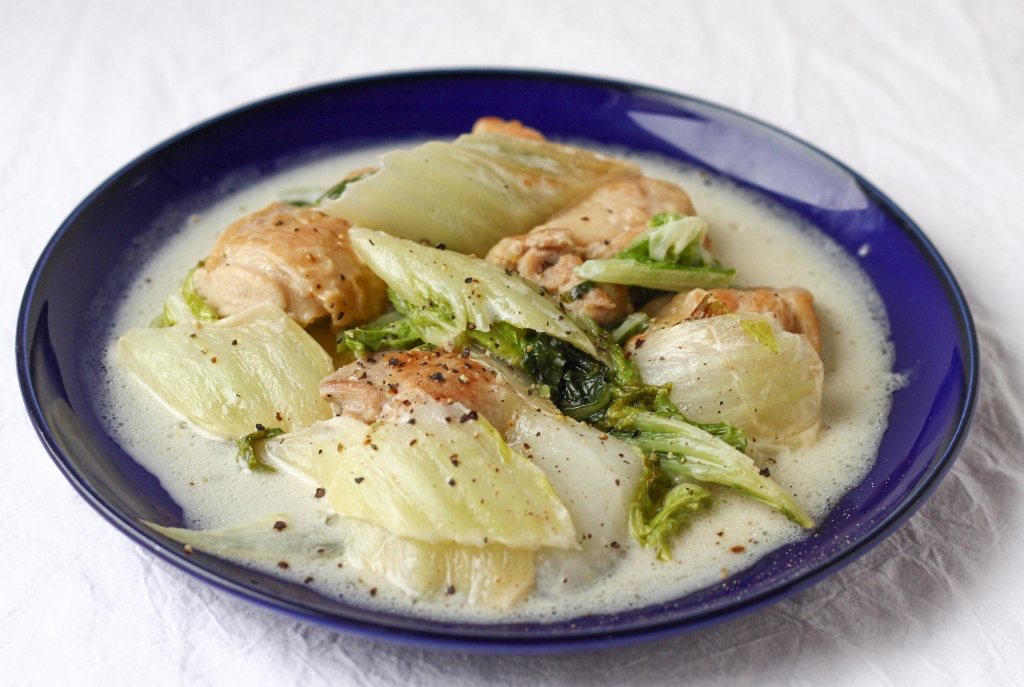
For decades, this flavor profile belonged strictly to smoky back-alley drinking dens across Kyushu. Izakaya cooks would sear skewered chicken over binchotan charcoal, setting a microscopic dot of green yuzu paste on each salted bite to counterbalance cold lager. Later in the evening, leftover braised cabbage pots would be seasoned with the same paste to revive tired palates before guests caught the final train home.
The pandemic years altered those domestic rituals permanently. Social video creators began stripping away the labor-intensive charcoal elements, translating the flavor profile into an accessible stovetop template. By layering bite-sized chicken between dense wedges of napa cabbage in an enameled Dutch oven or shallow frying pan, cooks created a self-basting steam chamber. The water content of winter cabbage, consistently hovering near 95 percent, sweats out beneath the lid, mixing with poultry collagen to generate its own stock without requiring cups of store-bought broth.
The Nutritional Math Behind Low-Calorie Comfort Food
Modern dietary habits demand satiation without heavy digestive drag. The combination of braised napa cabbage and lean poultry delivers an unusually dense micronutrient profile at a fraction of the calories found in traditional noodle bowls or cream-based gratins. A generous two-cup serving of cooked cabbage provides over 45 milligrams of Vitamin C, along with substantial insoluble fiber that sustains fullness throughout long winter evenings.
Because yuzu kosho carries such an immense sensory punch through essential oils and chili heat, home cooks require far less added sodium or sugar to achieve deep culinary satisfaction. A standard half-teaspoon contains under 180 milligrams of sodium, eliminating the need for heavy soy sauce glazes or artificial flavor powders. It has quickly become the gold standard of low calorie comfort food for fitness-conscious suburban professionals and urban apartment dwellers who refuse to compromise on taste.
Frequently Asked Questions (FAQ)
Q1: What is the best cut of chicken for this dish?
Skin-on, boneless chicken thighs deliver the ideal balance of collagen and savory fats to coat the cabbage leaves. However, boneless breasts or lean ground chicken meatballs also perform exceptionally well if simmered gently on low heat to prevent tough textures.
Q2: Can I substitute common pantry items if I cannot find yuzu kosho?
No single Western condiment matches its specific flavor profile. You can approximate the effect by finely grating fresh lime zest with a touch of grapefruit peel, grinding it into a mortar with minced serrano peppers, and blending in fine sea salt.
Q3: When should yuzu kosho be added to the pot?
Stir half into the simmering stock during the final three minutes of cooking so the warmth blooms the citrus oils. Reserve the remaining portion as a fresh condiment on the side of the bowl, allowing each diner to add dab by dab to maintain crisp chili brightness.
The Evolution of Modern Japanese Comfort Cooking
The ongoing fascination with chicken, napa cabbage, and yuzu pepper proves that home cooking does not require elaborate pantry inventories or hours of tedious prep work. By matching winter produce with a centuries-old fermented citrus paste, modern cooks have found a fast, affordable counterweight to overcomplicated dining trends.
Simmering poultry and crisp greens in a covered skillet provides genuine physical warmth without physical heaviness. As grocery budgets face continued pressure and domestic schedules tighten, this Kyushu trio will remain an enduring fixture on kitchen stoves across Tokyo and worldwide dining tables for seasons to come.


