Is Squid Cartilage Actually Edible? Culinary Facts, Nutrition, and Safe Prep
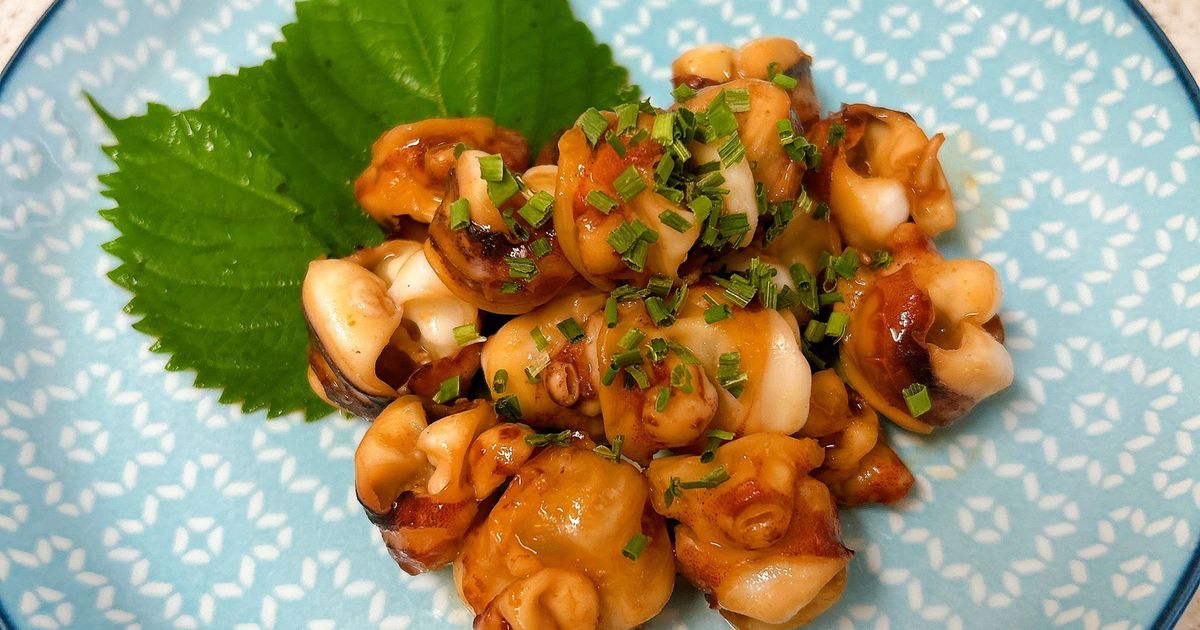
Walk into a coastal Japanese seaside tavern during early summer, and you will spot small plates of translucent, bite-sized morsels crackling in cast-iron skillets or sizzling over charcoal. While western home cooks routinely toss everything except the mantle rings and tentacles directly into the compost bin, Japanese culinary tradition reserves reverence for squid cartilage, known locally as ika nankotsu (イカ軟骨). As highlighted in a seasonal seafood analysis from the [MSN Report](https://www.msn.com/ja-jp/lifestyle/food/%E6%97%AC%E3%81%AF%E4%BB%8A-%E9%A3%9F%E3%81%B9%E9%80%83%E3%81%99%E3%81%AA-%E5%88%9D%E5%A4%8F%E3%81%AE%E3%82%A4%E3%82%AB%E7%B5%B6%E5%93%81%E3%83%AC%E3%82%B7%E3%83%94top3/ar-AA23UvxZ), utilizing every cut of early-run summer squid yields rich flavors and striking textural contrast that outshine standard fried calamari rings.
The appetite for zero-waste cooking and high-protein bar bites has pushed this once-obscure cut into global home kitchens. The cut delivers a distinctive, rubber-free crispness prized across Asian drinking culture. Yet home cooks often hesitate when facing the raw cut on a cutting board. Misidentifying the edible collar cartilage alongside the hard internal pen creates kitchen disasters, while skipping basic moisture extraction guarantees violent oil splatters. Understanding how to handle this cut unlocks one of the most rewarding seafood snacks available.
📌 Key Takeaways:
- Edibility Reality: True culinary squid cartilage consists of firm, chewable cranial and collar cartilage plates, completely separate from the clear, plastic-like internal chitin spine (*gladius*), which is inedible.
- Nutritional Density: Delivering roughly 18, 20g of protein and under 90 calories per 100g, ika nankotsu serves as a lean, marine collagen-rich drinking snack (*sake no sakana*).
- Prep Fundamentals: Thorough coarse-salt washing (*shita-shori to araikata*) and aggressive surface drying are non-negotiable steps to achieve the signature korikori snap while avoiding hot oil explosions.
Anatomical Reality: Differentiating Edible Cartilage from the Chitin Pen
Seafood anatomy confuses even experienced culinary workers. Cephalopods lack a true vertebrate skeleton, leading many home cooks to question how squid cartilage can exist at all. The answer lies in the squid's cranial capsule and mantle hinge.
Squid possess two distinct rigid structures. The first is the *gladius*, commonly called the feather or pen. This flexible, transparent blade runs along the dorsal wall of the mantle. Made of pure chitin, the pen does not soften under heat. Biting into a cooked gladius feels like chewing on brittle packaging plastic. It must be discarded every time.
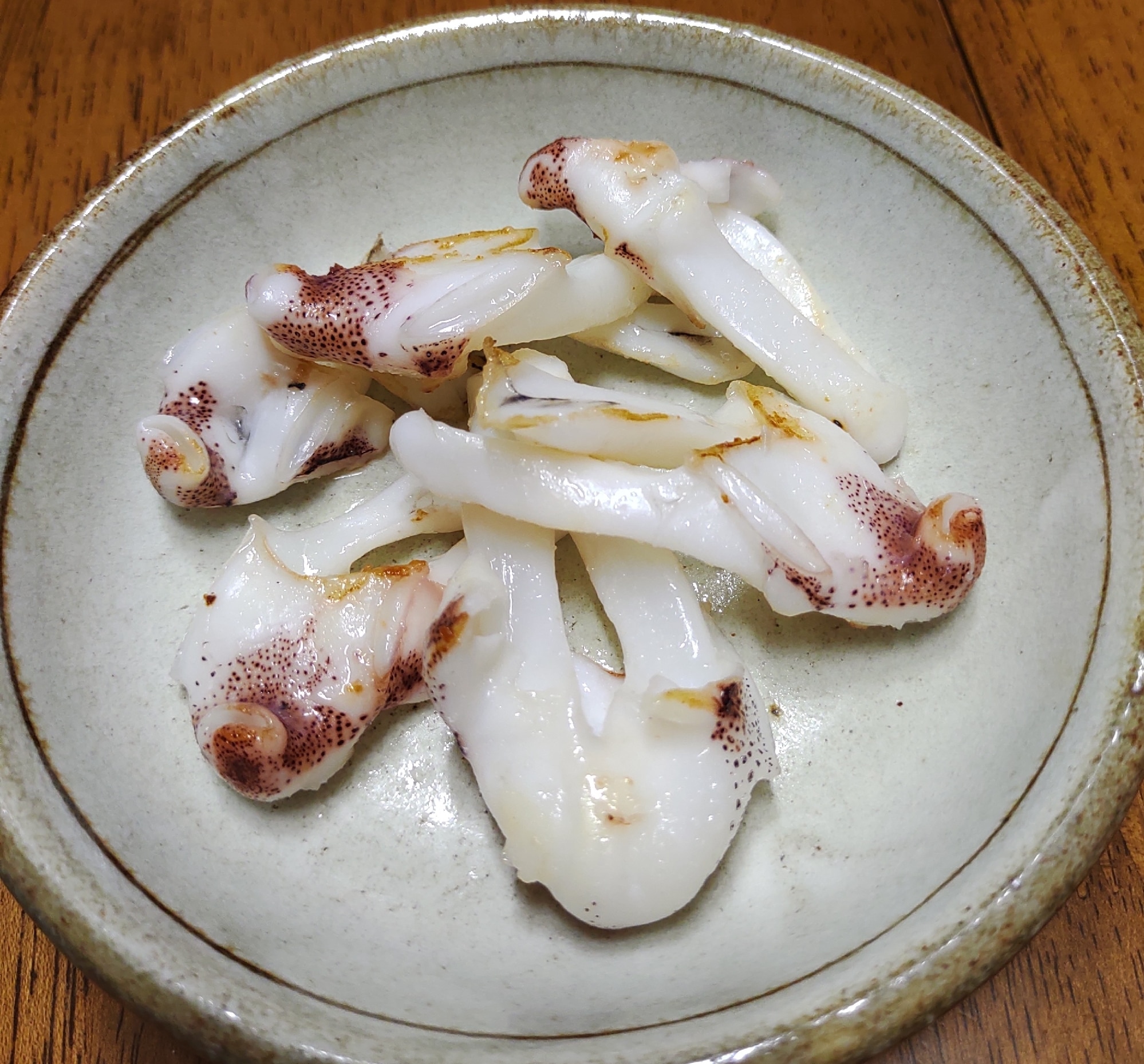
The true culinary cartilage (*ika nankotsu*) sits at the junction where the head meets the body mantle, enclosing the central brain cavity and eye sockets. This tissue is dense, white or semi-translucent, and rubbery when raw. Composed of specialized structural proteoglycans and chondrocytes, this collar structure softens slightly during rapid cooking while retaining structural integrity. When bitten, it yields with a clean, auditory snap, a sensory quality Japanese menus celebrate as korikori shokkan (コリコリ食感).
The Izakaya Nutritional Blueprint: Collagen, Protein, and Calorie Counts
Beyond tavern counters, sports nutritionists and low-carb meal preppers have taken notice of squid cartilage. The cut qualifies as a quintessential low-calorie, high-protein food (*tei-karorii ko-tanpaku*), containing virtually zero dietary sugars and negligible lipids.
A standard 100-gram raw portion delivers between 80 and 90 calories, anchored by roughly 18.5 grams of functional marine protein. Total fat content sits beneath 0.8 grams. This macro split matches or exceeds skinless chicken breast while offering unique connective tissue benefits.
Marine collagen makes up a substantial portion of the structural protein in ika nankotsu. While terrestrial cartilage sources require hours of braising to break down cross-linked fibers, marine cephalopod cartilage provides bioavailable collagen peptides that soften within minutes of searing or flash-frying. The tissue also delivers meaningful concentrations of taurine, an amino sulfonic acid associated with hepatic support and reduced blood pressure, cementing its cultural reputation as the ideal counterweight to evening beers (*sake no sakana*).
Kitchen Prep Essentials: Step-by-Step Cleaning and Desliming
Uncooked squid cartilage straight from the processing plant carries an alkaline surface film and delicate mucous membranes. Skipping the cleaning and desliming phase (*shita-shori to araikata*) ruins both texture and aroma, producing a muddy aftertaste and soggy exterior.
Proper home preparation follows four sequential stages:
1. Trimming and Separation: Lay the thawed cartilage flat on a clean board. Strip away any remaining black ink residue, eye tissue, or yellow digestive glands clinging to the base. Feel along the edges for any shards of the hard chitin pen and slice them off cleanly.
2. Salt Rubbing (*Shio-momi*): Place the pieces in a stainless steel bowl and toss with 1 to 2 tablespoons of coarse sea salt. Massage the cartilage firmly for 60 seconds. The salt crystals act as a gentle abrasive, stripping the viscous surface mucus and drawing out moisture that harbors fishy trimethylamine compounds.
3. Cold Water Flush: Rinse the cartilage under running ice-cold tap water until the wash liquid runs crystal clear. Squeeze the pieces gently in a colander to drain free liquid.
4. Dehydration: Spread the cartilage flat over three layers of heavy paper towels. Press down with additional paper towels. Trapped moisture inside cartilage cells causes steam pockets to rupture violently in hot oil. For fried recipes, let the patted-dry pieces air dry uncovered on a wire rack inside the refrigerator for 20 to 30 minutes before cooking.
Comparing Izakaya Cartilage Classics: Squid vs. Chicken vs. Pork
Taverns across Tokyo and Osaka feature an entire menu category dedicated to cartilage (*nankotsu*). Choosing the right base ingredient depends on desired chew resistance, cook time, and nutritional targets.
| Cartilage Variety | Caloric Load (100g) | Protein / Fat Split | Signature Mouthfeel | Primary Cook Method |
|---|---|---|---|---|
| Squid Collar (Ika Nankotsu) | 85 kcal | 18.5g / 0.7g | Crisp, marine snap; tender interior | Karaage, Butter-Soy Glaze |
| Chicken Keel (Yagen Nankotsu) | 54 kcal | 12.5g / 0.4g | Dry, splinter-resistant fracture | Charcoal Salt Skewers |
| Chicken Knee (Genkotsu / Hiza) | 160 kcal | 14.0g / 11.2g | Spongy crunch with melting fat caps | Deep-fried Karaage |
| Pork Rib Cartilage (Pai-gu) | 220 kcal | 15.0g / 17.5g | Gelatinous, yielding marrow chew | Slow Simmer / Pressure Cook |
Squid cartilage holds a specific mechanical advantage over poultry cuts. Chicken keel bone requires sustained chewing that tires the jaw, whereas ika nankotsu yields cleanly upon the second bite, releasing savory cephalopod juices directly onto the palate.
Four Classic Japanese Preparations for the Home Kitchen
Cooking squid cartilage requires intense, brief heat. Overcooking evaporates the moisture content and turns the cut leathery, while inadequate heat leaves it limp. These four methods transform processed cartilage into izakaya-style tavern food (*ouchi izakaya otsumami*).
1. Golden Squid Cartilage Karaage (イカ軟骨唐揚げ)
The standard by which all tavern snacks are judged. Cut 250g of prepped cartilage into bite-sized 2-centimeter chunks. Marinate for 15 minutes in 1 tablespoon of dark soy sauce, 1 tablespoon of mirin, 1 teaspoon of freshly grated ginger juice, and a crushed garlic clove. Drain thoroughly on paper towels. Toss the pieces lightly in potato starch (*katakuriko*), shaking off all excess flour. Heat neutral frying oil to 180°C (355°F). Flash-fry in small batches for just 90 to 120 seconds until the crust is pale gold and brittle. Serve immediately with a wedge of fresh lemon and sea salt.
2. Butter-Soy Sizzle Pan (バター醤油焼き)
A rapid weekday side dish (*kantan supiido ryouri*) that balances dairy richness with umami. Melt 15 grams of unsalted butter in a cast-iron skillet over high heat. Add prepped cartilage and sear without moving for 60 seconds to establish golden browning on the edges. Toss rapidly for another minute. Pour 1 tablespoon of Japanese soy sauce around the outer perimeter of the smoking pan to caramelize the liquid before folding it into the butter. Finish with cracked black pepper and thinly sliced scallions.
3. Minimalist Sea-Salt Skewers (塩焼きレシピ)
Thread dried cartilage pieces onto soaked bamboo skewers. Mist lightly with dry cooking sake, then season aggressively with coarse sea salt. Broil under an oven element at 230°C (450°F) or grill over hardwood charcoal for 2 to 3 minutes per side. The exterior blisters into savory crackling while preserving the juicy crunch inside. Serve dusted with *shichimi togarashi* (seven-spice blend).
4. Garlic-Scallion Wok Toss (イカなんこつ炒め)
Wok searing transforms the cut into a versatile seafood dish (*kaisen chinmi arenji*). Sear minced garlic, sliced fresh red chilies, and whole scallion batons in sesame oil until fragrant. Drop in the cartilage alongside a splash of Chinese Shaoxing wine and oyster sauce. Toss over maximum heat for 90 seconds. The cartilage absorbs the aromatics without releasing excess water, staying taut and glistening.
Frequently Asked Questions (FAQ)
Q1: Where can I buy squid cartilage outside Japan?
A1: Look inside the frozen seafood chests of major East Asian and Japanese supermarkets (such as Mitsuwa, H Mart, or Marukai). It is typically labeled as "Squid Collar Cartilage," "Frozen Squid Nankotsu," or "Cuttlefish Cartilage" in 500-gram vacuum-sealed bags. Wholesale seafood importers often stock it for commercial izakayas.
Q2: Why does squid cartilage splatter and explode in hot oil?
A2: Cartilage contains dense cellular pockets of moisture. When exposed to oil above 175°C, that water instantly flashes to steam. If the exterior is damp or coated too thickly, pressure builds until the pocket bursts. To stop this, dry the cartilage on paper towels, coat it lightly with dry potato starch rather than wet batter, and maintain frying temperatures around 180°C.
Q3: How long can you store cleaned cartilage in the freezer?
A3: Cleaned, salt-rubbed, and thoroughly dried cartilage keeps exceptionally well. Vacuum-seal the prepped pieces in flat portions and freeze at -18°C for up to 3 months without textural breakdown. Thaw completely inside the refrigerator before frying or searing.
Modern Home Kitchens and the Zero-Waste Seafood Wave
Broadening your seafood repertoire past white fillets and headless shrimp rings reduces coastal processing waste while bringing bold regional dishes into everyday cooking. Squid cartilage represents the very best of Japanese tavern food culture: humble off-cuts elevated through thoughtful salt-cleansing, calibrated heat, and assertive seasoning.
Whether crisped in a dusting of potato starch or tossed rapidly in a smoking skillet of butter and soy, this cut delivers high-yield nutrition and crisp texture on a modest budget. The next time fresh whole squid appears on the fishmonger's ice bed, bypass the trash can. Keep the collar, scrape the spine clean, and fire up the pan.