Is Ticket Pia Membership Free? Hidden Costs, Premium Tiers, and Subscription Facts

Creating a basic Pia ID account does not cost a single yen. Anyone with a Japanese mobile phone number can register on the ticketing platform without paying a subscription fee. Yet music fans and theatergoers routinely find their checkout totals swollen by ¥1,500 to ¥3,000 per transaction, leading to persistent confusion about whether Ticket Pia is genuinely free or running a covert paywall. The reality sits in the complex gray zone between free entry-level access, stacked service surcharges, and niche subscription perks.
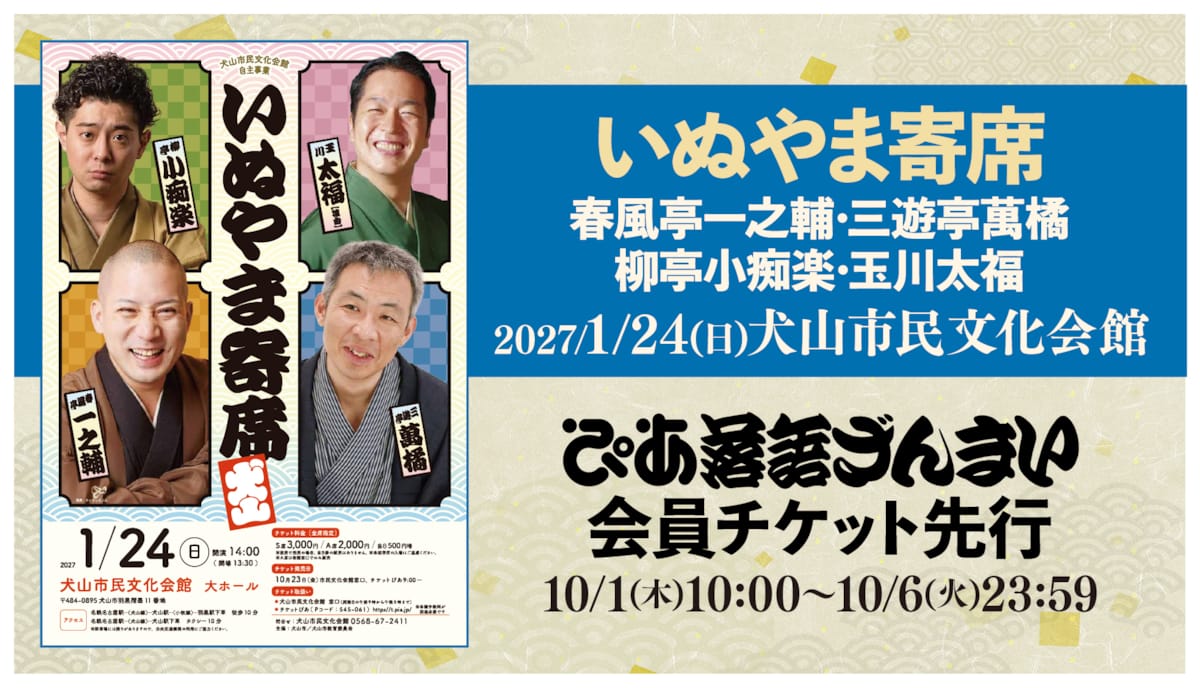
The platform has further diversified its monetization by linking external media subscriptions directly to preferential ticket lotteries. According to an official corporate filing published in a PR TIMES Report, Pia Corporation expanded this model through its specialized streaming service, Pia Rakugo Zanmai. Subscribers paying a monthly fee now receive targeted presale lottery access to marquee traditional performing arts shows across Japan. For foreign tourists and domestic concertgoers alike, understanding where free registration stops and mandatory or optional fees begin is crucial before entering any ticket ballot.
📌 Key Takeaways:
- Baseline Account Economics: Standard Pia ID account creation carries zero upfront charges and zero recurring monthly fees.
- The Presale Toll Gate: Upgraded early lottery presale (senkou) perks require either an annual-fee credit card or targeted cultural media subscriptions.
- The Foreign Buyer Bottleneck: Strict domestic SMS authentication requirements and domestic payment restrictions effectively block tourists lacking local cellular infrastructure.
Free Accounts Versus the Paywalled Presale Engine
Evaluating Ticket Pia free membership vs premium tiers reveals a deliberate corporate split. The standard Pia ID gives users access to general ticket sales (ippan hatsubai) and basic public lotteries. You pay nothing to register your name, Japanese address, and email. However, entering popular general lotteries through a basic tier yields historically dismal success rates for arena tours and top-tier theatrical stagings.
To gain genuine priority, the platform nudges consumers toward the PIA Premium Card. Issued in partnership with credit card brands like NICOS or JCB, this physical card costs roughly ¥4,180 annually after the first year. Cardholders unlock "Pia Premium Member" status, which opens dedicated secondary lottery rounds, bypasses certain general queues, and elevates matching probability in competitive computer-generated draws. For domestic fans following popular idol groups, rock bands, or 2.5D stage plays, this credit-card tier operates as an unspoken requirement rather than a casual perk.
Ticket Pia also layers specialized perks atop individual subculture interests. Rather than charging an across-the-board site fee, Pia Corporation binds ticketing privileges to dedicated content platforms. The Pia Rakugo Zanmai subscription perks demonstrate this model clearly. By paying ¥1,089 per month for unlimited streaming of classic comedic theater (rakugo), members gain exclusive, dedicated presale windows for high-demand cultural showcases. This separates dedicated enthusiasts from casual shoppers without forcing the entire platform into a universal subscription wall.
How Specialized Subscriptions Unlock Stage Headliners
Pia Corporation’s integration of streaming subscriptions into its main ticket-allocation engine marks a major tactical pivot. Media consumers no longer view streaming purely as home entertainment; it acts as a functional lottery fast-pass. This approach was tested extensively across traditional comedy venues throughout Japan, drawing notable community attention.
Recent seasonal lineups illustrate how targeted presales function under this model. Promoters launched an exclusive presale lottery via Pia Rakugo Zanmai for the Inuyama Yose showcase in Aichi Prefecture. The bill featured standout storytellers Shunputei Ichinosuke, Sanyutei Bankitsu, Ryutei Kochiraku, and rokyoku narrator Tamagawa Daifuku. Shortly after, the Shinshun Toyokawa Yose double-bill featuring rising star Chokaro Toka and讲谈 (kodan) master Ichiryusai Teikyo went live exclusively for Zanmai paying subscribers, followed by the Toyota Yose showcase featuring classical heavyweight Yanagiya Sanza alongside Katsura Kunou.
On social platforms like X and specialized performance forums, fans openly discuss the trade-offs of this approach. Traditional theatergoers accustomed to standard postal or phone bookings now maintain monthly streaming accounts simply to secure front-row seats in Toyota or Toyokawa. Pia Corporation relies on this exact behavioral lock-in: pairing niche cultural archives with scarce live seat inventories to stabilize monthly recurring revenues across demographic lines.
The True Cost of Japanese Concert Tickets
Securing a ticket on a basic free Pia ID does not shield buyers from substantial back-end costs. Japanese concert ticket handling fees represent a multi-layered pricing architecture that surprises consumers during the final checkout stage. A ticket advertised at ¥9,800 face value rarely leaves the user's digital wallet for less than ¥11,500.
| Fee Classification | Standard Cost Range (JPY) | Application Condition |
|---|---|---|
| System Usage Fee (システム利用料) | ¥220, ¥330 per ticket | Mandatory across all digital and paper transactions |
| Early Lottery Presale Charge (先行サービス料) | ¥550, ¥1,650 per ticket | Levied whenever booking through advance lottery windows |
| Issuing & Printing Fee (発券・引取手数料) | ¥110, ¥220 per ticket | Charged for convenience-store printing or Cloak digital routing |
| Settlement Processing Fee (決済手数料) | ¥220, ¥330 per order | Triggered when paying in-store (7-Eleven/FamilyMart) or via bank transfer |
| Special Performance Surcharge (特別販売利用料) | ¥500, ¥1,200 per ticket | Applied selectively to mega-stadium acts and limited-capacity runs |
When you secure seats during an early lottery presale (senkou), the platform stacks the advance lottery surcharge directly onto the baseline system usage fee. If you opt to pay at a convenience store counter rather than using an approved credit card, settlement and issuing fees kick in instantly. None of these charges represent an account membership fee; they are transaction tolls levied per seat. However, their cumulative presence leads many casual purchasers to conclude that the platform operates on a hidden subscription structure.
The Domestic Verification Wall Facing Inbound Travelers
International interest in Japanese live entertainment has reached record levels, but overseas fan registration obstacles remain unyielding. The primary hurdle in the Ticket Pia registration guide is the mandatory SMS authentication requirement. During Pia ID account creation, the platform issues an automated outbound telephone prompt or sends an SMS text containing an activation token. This check relies on Japan’s unified carrier protocol, instantly rejecting foreign country codes.
Data roaming services and international virtual numbers (such as Google Voice, Skype, or global data-only eSIMs) fail this verification checkpoint. The system checks carrier routing prefixes, requiring a registered 070, 080, or 090 number tied to a domestic Japanese MVNO or telecom provider like NTT Docomo, au, or SoftBank. Because Japanese anti-fraud statutes strictly control voice-and-SMS-capable SIM cards for tourists, overseas buyers cannot complete registration from home without local residency documentation.
Payment systems present another steep roadblock. Even if a traveler bypasses phone screening using a resident friend's credentials, Ticket Pia’s 3D-Secure 2.0 payment portal systematically rejects non-Japanese credit cards during high-demand lotteries. The system screens card-issuing bank identification numbers (BINs). Attempting to pay with a Chase, Barclays, or HSBC card frequently results in a silent transaction failure, canceling the lottery ballot right at the confirmation window.
Ticket Pia Cloak Digital Distribution and Entry Controls
Securing a winning ballot is only half the battle. Ticket collection occurs within Ticket Pia Cloak digital distribution, a proprietary web repository that holds purchased barcodes prior to admission. Cloak allows users to choose how their ticket manifests: either distributed digitally to an official mobile wallet app (like MOALA or tixeebox), transferred to a designated companion, or assigned a collection voucher for over-the-counter redemption at 7-Eleven or FamilyMart.
Cloak introduces strict anti-scalping identity checks. Transferring a companion ticket through Cloak requires the recipient to log in with their own verified Pia ID. If an international traveler wins two tickets and hopes to transfer one to a traveling partner who lacks a verified Japanese account, Cloak prevents the handoff. In such cases, buyers must select physical convenience-store collection, provided the promoter has not mandated 100% smartphone-only digital entry (denshi chiketto).
For stadium-scale arena shows, digital tickets lock to the applicant’s verified smartphone hardware 24 hours before showtime. If the original buyer’s operating system version mismatches, or if the phone lacks an active domestic data signal to refresh dynamic QR codes, venue staff redirect the user to identity troubleshooting booths. These technical barriers prevent unauthorized secondary ticket reselling on unauthorized international marketplaces, but they place legitimate foreign attendees in administrative limbo.
Frequently Asked Questions (FAQ)
Q1: Can I register for a Ticket Pia ID while living outside Japan?
A1: Generally no. Official account setup requires domestic Japanese SMS or outbound call verification using a standard Japanese carrier prefix (070, 080, or 090). International telephone numbers cannot receive the verification trigger, and proxy or VoIP numbers are filtered out automatically.
Q2: Does joining Pia Rakugo Zanmai increase my odds for pop concerts or musical theater?
A2: No. Pia Rakugo Zanmai subscription perks apply exclusively to traditional rakugo, manzai, and narrative performing arts events. Gaining an edge in pop, rock, or anime events requires entering promoter-specific lotteries or holding a physical PIA Premium Card.
Q3: What happens if my overseas credit card fails at the lottery settlement stage?
A3: If your card is declined by Ticket Pia’s 3D-Secure fraud filter when lottery results are tallied, the platform immediately forfeits your allocation. Pia does not provide a grace period to update payment details. Choosing convenience-store payment (konbini kessai) avoids card drops, but requires paying cash inside Japan within 48 to 72 hours of winning.
Q4: Are convenience store issuance fees refundable if a concert is canceled?
A4: If an organizer cancels an event, Ticket Pia refunds the face value of the ticket and baseline system fees. However, third-party payment processing surcharges and individual convenience-store printing fees are frequently deemed non-refundable under standard platform terms.
Navigating Ticket Pia Realities
Ticket Pia remains structurally free at its foundation, but treating it as a frictionless open marketplace is a mistake. The base Pia ID account costs nothing to maintain, yet accessing high-profile live entertainment demands navigating a labyrinth of transaction surcharges, credit card gates, and media subscriptions. For domestic consumers, paying these costs has simply become an accepted part of modern Japanese fan culture.
For international fans, navigating this platform requires realistic preparation. Unless an organizer launches a rare, dedicated bilingual lottery window hosted on Pia's English portal, standard domestic registration remains largely out of reach for non-residents lacking local telecom access. Understanding these technical rules, tiered structures, and fee stacks beforehand prevents wasted lottery entries and sudden payment cancellations when your favorite artist announces a Tokyo Dome or local theater run.