Is Washoku Sato's Crab Buffet Worth It? Rules, Fine Print, and True Dining Value Analyzed

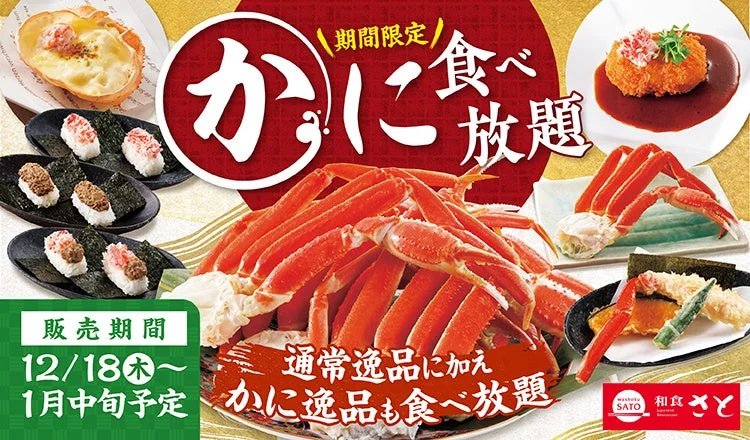
Every December, Japan's family restaurant chains wage a fierce marketing war over winter luxury dining, turning holiday gatherings into high-volume seafood feasts. Heading into the 2025, 2026 holiday season, parent company SRS Holdings escalated this battle by rolling out a winter limited menu across roughly 200 Washoku Sato locations nationwide. Anchored by unlimited snow crab legs (Zuwaigani) and grilled kani miso shell appetizers, the campaign attempts to deliver high-end Japanese dining hall indulgence at mid-market chain prices, as detailed in the initial 楽天Infoseek Report covering the rollout.
The promotion blends seasonal crab courses directly into Washoku Sato's established all-you-can-eat shabu-shabu, sukiyaki, and yakiniku lineups. Running from December 18 through January 14, the limited window targets year-end bonenkai and New Year family gatherings. Premium seafood carries high ingredient costs, volatile import rates, and notoriously thin margins. Diners face a real dilemma: does this ambitious all-you-can-eat crab course offer legitimate culinary quality, or does the fine print, strict seating limits, defrost quality, and mandatory table-wide ordering rules, tilt the math against the consumer?
📌 Key Takeaways:
- Campaign Window: The promotion runs from December 18 through January 14 across roughly 200 Washoku Sato branches nationwide, with advance reservations strongly advised.
- The Hybrid Offering: Unlimited boiled snow crab leg shoulders (Zuwaigani) and kani miso kourayaki are paired alongside base courses of shabu-shabu, sukiyaki, or yakiniku.
- Cost Versus Volume: Breaking even requires consuming at least three to four full crab shoulders per adult, making shell-cracking efficiency and timing critical.
Winter Seafood Frenzy Across 200 Japanese Family Restaurants
Family restaurants in Japan rarely gamble on premium crustaceans without strict logistical safeguards. SRS Holdings structured this campaign to capture pent-up demand for seasonal gatherings during late December and early January. Zuwaigani represents the gold standard of Japanese winter comfort dining, yet surging wholesale auction prices in coastal prefectures like Fukui and Ishikawa routinely push ryokan crab dinners past ¥15,000 to ¥25,000 per seat.
Washoku Sato bypasses boutique ryokan economics by relying on bulk cold-chain procurement across its nationwide network. Distributing flash-frozen snow crab sections to 200 storefronts simultaneously lets the brand lower entry barriers for multi-generational families. Grandparents can order simmered seasonal vegetables while younger diners focus on meat and seafood. This strategy defends the chain's market share against competing seasonal promotions from chains like Gusto, Denny's Japan, and specialized sushi buffets.
Direct consumer demand drives this aggressive timing. Year-end bonenkai and New Year shinnenkai bookings demand celebratory food that justifies higher checks. By positioning boiled crab legs alongside bubbling broth and tabletop grills, the chain turns routine suburban dining into an accessible culinary event.
What the Unlimited Snow Crab Course Actually Includes
The promotional structure avoids piecemeal ordering by bundling the crab directly into the brand's core dining formulas. Guests do not order crab in total isolation. Instead, they select a foundation: Sato Shabu (hot pot broth), Sato Suki (sweet-savory sukiyaki), or Sato Yakiniku (tabletop grilled meats). The crab upgrade applies on top of these established buffet tiers.
The star offering consists of boiled snow crab shoulders (hikata), featuring full leg clusters and connecting joints ready for immediate consumption or a brief warm dip in simmering dashi. Washoku Sato pairs this with kani miso kourayaki, rich crab hepatopancreas paste seasoned and served inside the carapace shell, intended for slow heating on tabletop burners until bubbling and fragrant. Diners also gain unlimited access to the standard buffet roster: sliced beef, pork, seasonal vegetables, dumplings, noodles, sushi varieties, tempura, and an extensive dessert bar.
Speed of service dictates satisfaction in any seafood buffet. The initial serving arrives with an introductory platter containing one to two crab shoulders alongside the starter meat cuts and dipping sauces. Subsequent reorders take place via tabletop touchscreen tablets. Table orders submit in real time, though kitchen queue times fluctuate heavily during peak 7:00 PM dinner rushes.
Breaking Down the Bill: Tiered Menus, Hidden Extras, and Timing Caps
Buffet math hinges on balancing per-customer ticket averages against real consumption capacity. Washoku Sato standardizes dining times to strict 120-minute seating blocks across all 200 participating locations, with the final order call landing precisely at the 90-minute mark. Because peeling cold-thawed crab legs requires considerable time and physical effort, that 90-minute ordering window exerts genuine pressure on your dining pace.
| Menu Tier / Category | Price Point & Conditions | Time Allowance & Ordering Rules |
|---|---|---|
| Full Crab + Shabu/Suki Course (Adults) | ¥7,500, ¥8,500 per person (approx. tax-inclusive) | 120-minute table limit; 90-minute tablet cutoff |
| Senior Discounts (65+ years) | Approx. ¥400, ¥600 deduction from adult tier | Requires age confirmation; same table restrictions apply |
| Children (Elementary age) | Half of adult price; preschool children free | Must match group-wide course selection |
| Table Policy Mandate | All seated guests must select the identical course tier | No splitting courses between crab and standard meat buffets |
The table mandate remains the single largest financial variable for families. If a party of four includes two casual eaters who only want basic broth and noodles, the entire party must still purchase the crab tier. At roughly ¥30,000 to ¥34,000 for a family of four adults, casual diners can inadvertently drag down the cost efficiency of committed seafood fans.
Kitchen Logistics: Thawing Techniques, Salinity, and Portion Realities
High-volume crustacean buffets live or die by their prep line execution. The snow crab served across Washoku Sato arrives pre-cooked and blast-frozen at sea. Store kitchens thaw these clusters under controlled running water or cold-storage refrigeration schedules before plating. When kitchen operations fall behind during peak dinner shifts, thawed legs can occasionally retain internal ice crystals or excess moisture, diluting the natural sweetness of the meat.
Brine concentration represents another operational hurdle. Commercial flash-freezing utilizes salt brine to preserve meat density and texture. If not purged and brought to room temperature properly, the meat clings stubborn to the shell wall and leaves a pronounced salty aftertaste. Savvy diners circumvent this by dropping cold crab sections into the simmering shabu-shabu broth for 20 to 30 seconds. This brief hot bath melts surface glaze, warms the interior meat, and leaches excess salinity directly into the soup.
Meat density varies by shipment. Medium-grade Zuwaigani shoulders yield solid leg meat but thinner knuckles compared to high-end Echizen-gann specimens. Dedicated seafood lovers will find that the kani miso shells offer the deepest umami of the entire campaign. Grilling the shell directly over tabletop burners until the edges brown caramelizes the fat, yielding an intense savory richness that pairs exceptionally well with plain steamed rice or chilled draft beer.
Reservation Tactics and Group Dining Realities for New Year Diners
Walk-in diners face steep wait times throughout late December and early January. Because crab peeling slows customer turnover, table rotation speeds drop noticeably compared to standard weeknights. Average table turnover extends from the usual 60 to 75 minutes up to the full two-hour maximum. Walk-in waits during peak hours can easily stretch past 90 minutes across major suburban arteries in Osaka, Hyogo, Aichi, and Kanagawa.
Washoku Sato manages table inventory through its official smartphone application, regional phone lines, and third-party portal integrations. Reserving an off-peak slot, either an early 4:30 PM dinner seating or a late 8:15 PM slot, dramatically improves service velocity. When kitchen tickets drop, kitchen teams prep and dispatch replacement crab platters within three minutes rather than ten minutes, preserving valuable peeling time before the 90-minute digital cutoff strikes.
Diners targeting optimal value should balance their party composition carefully. If your group consists entirely of seafood fans ready to crack shells with singular focus, the economics work strongly in your favor. If your group includes young children or light eaters who eat very little, the mandatory table-wide course requirement makes individual à la carte orders or standard shabu courses far more sensible.
Frequently Asked Questions (FAQ)
Q1: Can one person at our table order the crab buffet while others order standard shabu-shabu?
No. Washoku Sato enforces a strict uniform-table policy across all 200 locations. Every seated member of your party must register for the exact same buffet tier, with the exception of preschool children who dine free.
Q2: Are the snow crab legs served hot or cold?
The crab shoulders arrive pre-boiled and chilled. Diners can eat them cold immediately upon delivery or submerge them in simmering shabu broth or sukiyaki stock for 20 to 30 seconds to enjoy hot crab meat.
Q3: How many crab portions do I need to eat to match retail market value?
Given retail fishmonger and supermarket prices for boiled snow crab sections in early 2026, consuming three to four full shoulders (hikata) per adult breaks even against buying frozen legs at retail and boiling them at home.
Q4: Do all 200 Washoku Sato stores accept online reservations for this promotion?
Most suburban and highway roadside locations accept reservations through the chain's digital platforms, though specific seating allotments for peak dates (December 31 through January 3) fill up quickly and may require direct phone confirmation.
Strategic Takeaways for Family Dining in 2026
Washoku Sato's holiday crab buffet balances convenience against the realities of chain restaurant seafood logistics. For roughly ¥8,000 per adult, diners bypass the premium surcharges and formal etiquette of high-end ryokan without sacrificing the joy of eating until satisfied. The inclusion of kani miso shells elevates the menu above standard meat-and-leg promotions, providing authentic izakaya-grade flavor right at suburban family tables.
Capturing legitimate value requires clear-eyed preparation. Watch the clock, master quick shelling techniques, and avoid carb-heavy fillers during the first 60 minutes of service. Most importantly, ensure everyone at your table shares an appetite for crab before committing to the mandatory group-wide tier. Approached with the right strategy, this seasonal promotion delivers one of the most cost-effective seafood celebrations available in Japanese casual dining today.