Is Your TOTO Shower Defective or Throttled? The Truth Behind Low Pressure
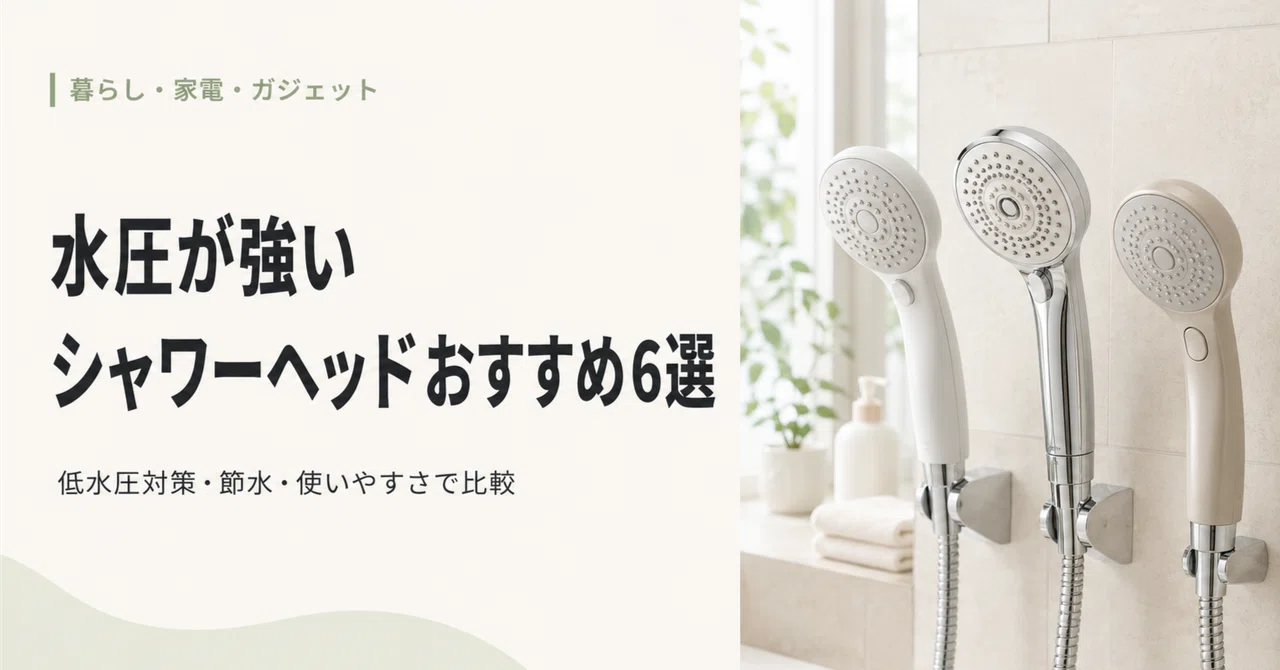
Homeowners upgrading to Japanese luxury bathroom fixtures often expect the vigorous cascade of a five-star hotel spa. Instead, many turn on their newly installed TOTO shower only to encounter a tepid, underwhelming trickle. The immediate reaction across home improvement forums is frustration, with buyers questioning whether their premium fixture arrived defective from the factory. Field reports compiled by architectural housing analysts in a マイナビニュース Report reveal that sluggish flow rarely stems from manufacturing flaws; rather, it traces back to stringent regional flow regulations, uncalibrated mechanical stops, and mismatched plumbing infrastructure.
TOTO engineers its fixtures around high-efficiency fluid mechanics, designing products to meet strict conservation mandates in Japan, North America, and Europe. When high-spec engineering collides with aging residential piping or misaligned valves, the user experience collapses. Unlocking the intended performance requires looking past cosmetic hardware defects and understanding how modern mixing systems, internal regulators, and municipal supply dynamics intersect inside the wall.
📌 Key Takeaways:
- Design Intent: Low output in modern TOTO systems is almost never a manufacturing defect; it stems from factory-installed flow restrictors and safety stops engineered for environmental compliance.
- Mechanical Chokepoints: Integrated service stops, debris-clogged strainer screens, and uncalibrated thermostatic cartridges account for the vast majority of weak stream complaints.
- Actionable Fixes: Homeowners can resolve most volume issues without wall demolition by tuning service stop screws, descaling aerator screens, or balancing dynamic line pressure.
Why Premium TOTO Showers Feel Weak Out of the Box
The gap between showroom expectations and residential reality begins with water conservation codes. In the United States, federal standards cap showerhead discharge at 2.5 GPM (gallons per minute) at 80 PSI, while jurisdictions like California enforce an aggressive 1.8 GPM ceiling. Japanese domestic standards similarly prioritize water efficiency, utilizing micro-orifice faceplates that optimize spray droplet velocity while cutting gross water consumption by 30% to 50%.
To comply with these disparate global standards, TOTO installs a specialized GPM flow rate regulator inside the showerhead inlet or the wand coupling. This small elastomeric O-ring or plastic disc flexes under water pressure, constricting the orifice as pressure rises to ensure volume never exceeds statutory thresholds. When installed in an older home with baseline water supply line pressure running below 40 PSI, that regulator over-throttles the supply. The stream turns hollow and feeble.
Compounding this baseline regulation is the precision of TOTO’s engineering. Standard domestic showerheads use simple open chambers where water rushes through wide channels. TOTO’s Aero Shower and Comfort Wave technologies inject air or oscillate water droplets across micro-engineered internal passages. If the incoming dynamic line pressure dips below the operational baseline of 0.15 to 0.20 MPa (roughly 22 to 29 PSI), these aeration systems stall, transforming an engineered spray into an uneven drip.
Diagnostic Audit: Internal Eco-Regulators Versus Supply Line Limits
Pinpointing the root cause of weak shower volume requires isolating the fixture from the house plumbing. If every faucet in the residence runs sluggishly, the municipal pressure-reducing valve (PRV) or a closed main gate valve is the culprit. However, if the sink basin runs with vigorous force while the shower head sputters, the constriction exists strictly between the rough-in valve and the spray face.
The first variable to check is whether the system suffers from static or dynamic pressure drops. Static pressure represents line tension when all valves remain closed. Dynamic pressure is the actual force delivered while water flows through the shower mixer tap calibration. A residential main might read a healthy 55 PSI on a static gauge, only to collapse to 18 PSI the instant a high-efficiency mixer opens.
| Symptom | Underlying Component | Corrective Action |
|---|---|---|
| Weak hot stream, strong cold stream | Water heater inlet pressure drop / Hot check valve | Flush water heater; inspect hot-side check valve |
| Equal, balanced, but sluggish overall flow | GPM flow rate regulator / Factory service stops | Adjust service stops; inspect inlet flow restrictor |
| Sudden pressure drop after remodel | Construction debris in strainer screen filter | Remove trim plate; clean rough-in inlet filters |
| Erratic spray direction with sputtering | Showerhead aerator clogging from mineral scale | Submerge spray nozzles in diluted vinegar solution |
This diagnostic path isolates the mechanical bottlenecks. If the hot water delivery drops off disproportionately, the water heater inlet pressure or a failing thermal expansion tank may be choking supply before hot water ever reaches the bathroom wall.
Inside the Valve: Service Stops, Cartridges, and Check Valves
Behind the polished faceplate of a concealed TOTO shower sits a heavy brass casting containing critical adjustment mechanisms. Most homeowners never realize that TOTO rough-in valves feature integrated service stop screws. Installers frequently leave these brass screws partially turned down during construction to prevent water hammering or to test system seals, forgetting to back them out completely upon final trim installation.
A quarter-turn deficit on an integrated service stop can reduce water volume by 40%. Accessing these stops requires popping off the decorative escutcheon plate. Using a flat-blade screwdriver, turning the hot and cold stop screws counter-clockwise until they rest parallel to the supply channels restores maximum volumetric flow.
Beyond the stops sits the internal valving. Depending on the model series, TOTO relies on either a pressure balance cartridge or an advanced TOTO thermostatic mixing valve. A pressure-balance cartridge utilizes an internal sliding spool or diaphragm that reacts to pressure differentials between the hot and cold supply pipes. If sediment partially blocks the cold feed, the cartridge automatically drops hot water volume to shield bathers from thermal shock.
Thermostatic valves use wax thermoelements alongside spring-loaded plumbing check valves. If fine solder flux, copper burrs, or calcium scale migrate into these check valves during installation, the springs jam. Water stalls directly inside the valve body, mimicking a catastrophic failure of the house supply line.
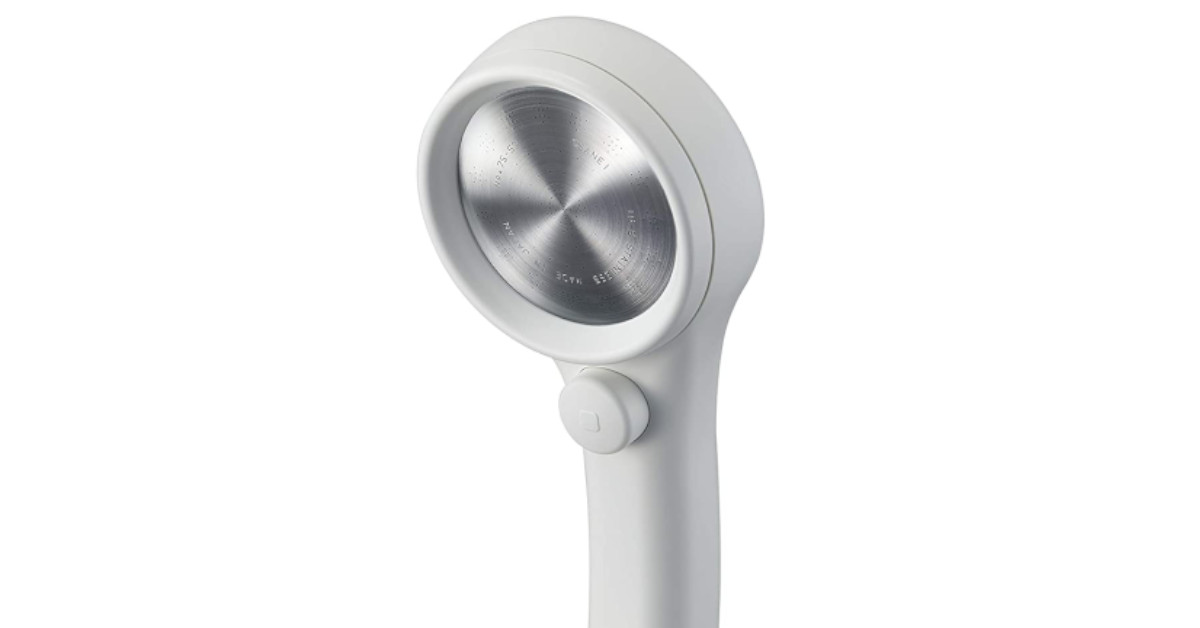
Strainer Screens and Mineral Obstructions
Mineral scale represents a quiet operational hazard for modern fixtures. Unlike older cast-iron fixtures that tolerated heavy silt, TOTO utilizes fine mesh strainer screen filters directly upstream of sensitive internal components. These screens catch rust, sand, and municipal mineral sediment before particles can damage the ceramic valve discs.
Following bathroom renovations, contractors often restore main water feeds without flushing lines thoroughly. Loose debris rushes downstream, instantly coating the strainer screens. Showerhead aerator clogging occurs in tandem; calcium carbonate accumulates inside the silicone nozzles, disrupting the spray pattern and creating backpressure against the mixing cartridge.
Resolving this issue requires regular maintenance. Shut off the water at the main valve or service stops, extract the cartridge, and brush the mesh screens clean under running water. A 30-minute bath in 50% white vinegar dissolves stubborn mineral scale from showerhead nozzles without degrading rubber gaskets or high-grade chrome plating.
Adjusting and Calibrating the Thermostatic Mixing Valve
Temperature limitations often masquerade as low pressure. When a TOTO thermostatic mixing valve is miscalibrated, the safety stop ring blocks the handle from rotating into hotter temperature zones. Because bathers compensate by cracking open only the high-pressure cold feed, total dynamic output drops, leaving the user with an unsatisfying rinse.
Calibrating the mixer tap requires removing the temperature selector knob to expose the splined rotational spindle. Turn on the shower at full volume and place a digital thermometer under the stream. Rotate the brass spindle manually until the water temperature reaches exactly 104°F (40°C), the standard factory reference point.
Once set, realign the handle’s internal limit stop with the 104°F mark on the trim plate before securing the set screw. This mechanical calibration ensures the valve blends the hot and cold channels at designed ratios, unlocking maximum water volume through the cartridge without bypassing thermal scald protections.
Modifying Internal Flow Restrictors Safely
When line pressure remains marginal despite clean filters and open service stops, modifying or removing the factory flow restrictor provides relief. Located within the threaded connection of the showerhead or the base of the handheld wand, this circular plastic insert limits liquid passage regardless of line capabilities.
Flow restrictor removal requires deliberate care. Unscrew the showerhead from the brass shower arm using a strap wrench to avoid gouging decorative finishes. Look directly down into the threaded female inlet. A brightly colored plastic disc, often green, pink, or white, sits seated against an internal O-ring.
Using needle-nose pliers or a small drywall screw turned gently into the plastic center, pull the restrictor straight out. Keep the rubber washer intact, as it creates the primary watertight seal against the shower arm threads. Reinstalling the showerhead without the restrictor restores full unrestricted volume. In regions with modest household supply, this minor adjustment elevates a frustrating mist into a rich, immersive spray.
Frequently Asked Questions (FAQ)
Q1: Does removing the flow restrictor void the manufacturer warranty on a TOTO showerhead?
A1: Modifying the internal regulator does not void the warranty on the rough-in brass valve or the cosmetic finish, but TOTO will not replace a showerhead damaged during forceful restrictor extraction. Use gentle mechanical extraction techniques to avoid cracking the internal threading.
Q2: Why does my TOTO shower fluctuate wildly in temperature when someone runs a faucet downstairs?
A2: This behavior indicates a faulty or mineral-locked pressure balance cartridge. When the downstairs fixture demands cold water, the cartridge fails to slide smoothly to throttle the hot feed, creating abrupt thermal spikes. Cleaning or replacing the cartridge core eliminates this instability.
Q3: What is the minimum household water pressure required for TOTO fixtures to operate correctly?
A3: TOTO specifications recommend a minimum dynamic working pressure of 0.15 MPa (roughly 22 PSI) at the valve during operation. For optimal performance with specialized aeration technologies, residential static pressure should sit between 45 and 65 PSI.
Achieving Peak Performance From Modern Fixtures
Modern high-end plumbing fixtures operate under tight mechanical tolerances. A TOTO shower system is not a passive pipe fitting; it is a calibrated fluid delivery mechanism that demands balanced municipal pressure, clean supply water, and open internal stops to function as intended. Weak output is almost never a death sentence for the hardware. By conducting systematic checks, auditing service stop screws, clearing strainer screen filters, and managing restrictive flow regulators, homeowners can restore robust water volume and experience the full performance of their investment.