KFC Japan Officially Drops Lemon-Infused Pari-Pari Umashio Chicken Nationwide

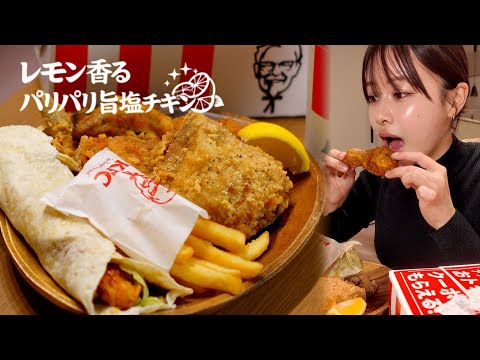
Kentucky Fried Chicken Japan has officially refreshed its most anticipated springtime tradition. On April 8, 2026, the chain launched its nationwide rollout of Lemon-Infused Pari-Pari Umashio Chicken (レモン香るパリパリ旨塩チキン), introducing a tart, aromatic citrus profile to its signature light-salt fried chicken. As detailed in an initial ORICON NEWS Report, the release serves as a seasonal counterweight to the brand's heavier, pressure-fried Original Recipe staples across all domestic branches.
Spring in Japan triggers fierce menu turnover across the quick-service restaurant industry. Instead of chasing oversized portions or steep price cuts, domestic operators fight for foot traffic through distinct seasonal textures and regional flavor formulations. Japan KFC, headquartered in Yokohama's Nishi Ward, has refined this specific cut over several years, banking on an ultra-crisp skin that shatters differently than traditional American-style crusts.
📌 Key Takeaways:
- The National Drop: Japan KFC released the limited-run chicken across domestic counters on April 8, 2026, following an advance briefing on April 1.
- Recipe Evolution: The 2026 iteration departs from earlier umami-salt runs by pairing sea salt and dashi seasoning with real lemon aromatics.
- Purchasing Constraints: The item carries a strict limited-quantity tag (数量限定), with single pieces priced at ¥330 and meal sets spanning ¥950, ¥1,250 while supplies last.
The Spring Blueprint Behind Japan's Umashio Tradition
Fried chicken occupies a peculiar cultural niche in Japan. Outside the famed Christmas rush, fast-food operators struggle with springtime palate fatigue. As temperatures climb through April, heavy coatings, dense grease, and dark peppery breading lose appeal. Consumers drift toward lighter fare.
Japan KFC introduced the Pari-Pari Umashio concept to address this seasonal dip. The Japanese onomatopoeia pari-pari designates a paper-thin, brittle crunch, completely unlike the crunchy, jagged ridges of American extra-crispy chicken. Paired with umashio, a savory salt blend reinforced with kelp extract, garlic, and white pepper, the profile mimics the seasoning found at traditional yakitori counters. The spring rollout has evolved from an occasional experiment into an annual staple that re-energizes domestic store traffic during golden week preparations.
Deconstructing the 2026 Formula: Citrus Notes and Thin-Layer Crunch
The 2026 recipe tackles oil fatigue through acidity. Traditional fried poultry relies heavily on fat to carry flavor across the tongue. This version cuts through the rendered chicken fat by infusing dried lemon peel and cold-pressed citrus aromatics into the surface dust right after frying.
The texture relies on a specialized batter wash. Kitchen staff apply a much thinner starch solution than the milk-and-egg dip used for the Original Recipe. When dropped into open frying vats rather than pressurized cookers, the moisture in the skin flash-steams out immediately. The result is an ultra-crispy, blistered exterior that clings tightly to the meat without absorbing excess oil. Bite into it, and the skin fractures cleanly. The tongue first catches the tart citrus peel, followed immediately by coarse mineral salt, finishing with a lingering hit of savory glutamates.
Rollout Timeline, Package Configurations, and Pricing Structure
Japan KFC confirmed the spring release schedule through corporate dispatches on April 1, 2026, before opening customer ordering on April 8, 2026. Distribution spans standard storefronts, highway service plazas, and suburban drive-thrus across all 47 prefectures, though individual stores will cut sales as soon as localized seasoning batches run dry.
| Product Iteration / Option | Core Seasoning & Texture | Official Pricing (JPY) | Operational Availability |
|---|---|---|---|
| Single Piece (Lemon Umashio) | Lemon zest, sea salt, white pepper; blistered crackling skin | ¥330 | Limited stock nationwide (April 8 onward) |
| 2-Piece Taste Comparison Set | 1 Lemon Umashio + 1 Original Recipe + Medium Fries | ¥950 | Limited quantities through spring window |
| Spring Umashio Pack | 2 Lemon Umashio + 2 Original Recipe + 1 Side Selection | ¥1,450 | Peak promotional stock through late April |
| Original Recipe (Baseline) | 11 herbs and spices; pressure-cooked, soft-crusted skin | ¥310 | Permanent nationwide standard |
Price adjustments reflect prevailing agricultural and logistical inflation throughout Japan's domestic supply chain. At ¥330 per piece, the seasonal variant sits roughly twenty yen higher than the permanent Original Recipe cut. Japan KFC balances this differential by bundling comparison combos, enticing solo diners to evaluate the new skin against Colonel Sanders' classic blend side-by-side.
Texture Engineering in Japanese Fast Food Culture
Foreign visitors often express surprise at Japanese fried chicken textures. In Western fast-food ecosystems, crunch usually equates to thick, jagged flour ridges. Think Nashville hot chicken or Southern double-battered thighs. Japanese culinary tradition, shaped by tatsuta-age and crisp chicken skin skewers (torikawa), prizes clean separation between the outer membrane and the underlying fat.
When the original Umashio hit stores in 2019, customer surveys highlighted the audible bite. That sound matters immensely in Japanese food marketing, where television commercials amplify the snap of food through high-gain directional microphones. By engineering the skin to dry out during frying without leaving the dark meat parched, the Yokohama culinary development team solved a long-standing customer complaint: that standard KFC chicken turns soggy if transported home in steam-trapping takeout paper.
Consumer Reception Across Social Channels and Counter Lines
Social feeds lit up within hours of the morning counter openings on April 8. Discussion threads across Japanese forums and X centered on the intensity of the lemon profile. Early reviews from lunchtime office workers in Tokyo's Shimbashi and Marunouchi business districts praised the lack of greasy residue on the fingers, positioning the chicken as an easy midday purchase.
Online reviewers frequently contrasted the 2026 iteration with summer seasonal drops like Red Hot Chicken. While summer items rely on habanero heat that overwhelms the palate, the spring salt formulation preserves the chicken's natural sweetness. A vocal faction of long-term fans did express skepticism about the citrus injection, arguing that the pristine, non-fruity 2019 salt recipe was already flawless. Most verified reviews, however, note that the lemon presence acts more like a freshly squeezed garnish than a sweet artificial glaze.
Evaluating the Profile: Who It Suits and Who Should Pass
This release targets very specific taste preferences, leaving behind those who judge fried chicken strictly by heaviness and crunch volume.
Ideal Profiles:
- Fans of Izakaya-Style Skewers: If you habitually squeeze a fresh lemon wedge over grilled salt-seasoned yakitori, this seasoning hits that exact flavor memory.
- Takeout Diners: The low-moisture crackling skin retains crispness during a thirty-minute train commute far better than pressure-cooked batter.
- Lighter Palates: Diners who find the traditional 11-spice recipe too peppery, salty, or heavy will welcome the crisp, clean finish.
Risk Flags (Who Should Skip It):
- Sauce and Batter Purists: Anyone seeking deep, thick, craggy Southern-style breading will find this parchment-thin skin unfulfilling.
- Citrus Averse Diners: The lemon aroma is present the moment you open the box; those who dislike fruit accents in savory meat dishes should steer clear.
- Maximum Caloric Value Seekers: Because the cut carries significantly less heavy flour coating, it feels lighter in the stomach than a standard meal piece.
Frequently Asked Questions (FAQ)
Q1: How long will Lemon-Infused Pari-Pari Umashio Chicken stay on the menu?
A1: Japan KFC designates this as a limited-quantity item (数量限定). Historical patterns suggest supplies will last between three and six weeks, meaning most locations will deplete their inventory by early to mid-May 2026.
Q2: Is the lemon flavor sweet or savory?
A2: It is strictly savory. The seasoning avoids sugary syrups, using dried citrus peel and aromatic lemon oils blended into sea salt and umami base powders.
Q3: Can customers select specific chicken cuts for this seasonal item?
A3: Store policy mirrors standard orders: piece distribution depends on batch availability in the holding bin. Staff will accommodate breast, thigh, or drumstick requests only when operational inventory permits.
The Strategic Value of Seasonal Novelty at Japan's Counters
The Lemon-Infused Pari-Pari Umashio drop underscores how Japan KFC maintains high market relevance. By adapting its core product to mirror local dining sensibilities, swapping heavy breading for paper-thin skin and pairing salt with bright seasonal citrus, the chain bypasses the usual stagnation that plagues mature fast-food franchises. The window to try the cut is narrow, but for diners tracking the ongoing evolution of Japanese convenience dining, it offers an instructive lesson in localized food engineering.