Latest Base Makeup Innovations: How New Loose Powders Solve Dispensing Woes
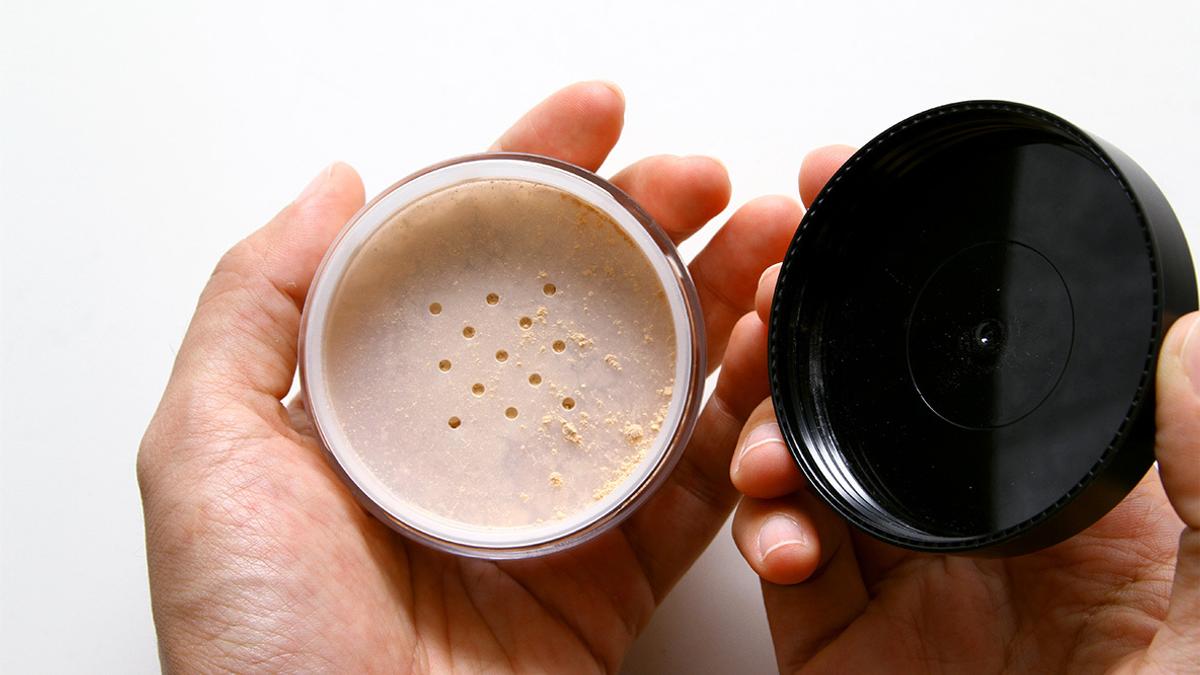
Every beauty enthusiast knows the sudden cloud of dust that erupts when opening a conventional setting powder. For decades, cosmetic jars relied on rigid plastic sifters punctured with uneven holes, creating an all-or-nothing hazard that covered bathroom sinks, stained dark clothing, and dumped excess chalk onto makeup brushes. That persistent structural frustration is finally disappearing. As highlighted in a ルーミー Report examining seasonal base formulas, skincare specialists like Dr. Chiho Yamada emphasize that skin-protective setting products must deliver seamless daily wear without caking or over-application.
Packaging engineers and global cosmetic houses have answered the call. Across recent product cycles, brands are overhauling the humble jar to prioritize controlled powder dispensing, micro-tension mesh screens, and travel-safe inner seals. Combined with refined spherical silica granules, these hardware upgrades address the fundamental challenge of getting the right amount of loose powder onto an applicator without wasting half the container.
📌 Key Takeaways:
- The Packaging Shift: Traditional multi-hole plastic sifters are being replaced across Japanese and Western beauty lines by micro-elastic nylon mesh and valve-style dispensers that meter out precise single-dose measurements.
- Formulation Upgrades: Modern launches by prestige and indie labels blend sebum-absorbing porous minerals with amino-acid coatings to deliver shine control without clinging to dry patches.
- Application Mechanics: Professional makeup artists rely on the container lid trick and uniform puff loading to prevent patchy foundation disruption and eliminate midday oxidation.
The Frustration Behind Traditional Sifter Jars
The standard loose powder container has annoyed consumers for half a century. Traditional packaging relies on a rigid injection-molded plastic plate pierced with several large perforations. During transit, vibration forces dozens of grams of powder above the plate. Opening the screw cap frequently sends airborne mica into the air, while dipping a brush directly into the reservoir loads bristles unevenly.
When too much powder hits the face at once, it binds instantaneously with liquid foundation. The result is cakey buildup, accentuated fine lines, and premature creasing around the eyes and mouth. Japanese cosmetic evaluators holding Class 1 licensing certifications frequently note that user dissatisfaction rarely stems from the chemical ingredients themselves. The true culprit is erratic dispensing. Over-saturating the skin suffocates the base layer, whereas an ultra-thin, evenly buffed veil creates an enduring shield against humidity and heat.
Engineering the Mesh Sifter and Valve Solutions
To eliminate product loss and uneven clumping, manufacturers turned to flexible textile engineering. Instead of static plastic grids, newer containers integrate high-tension nylon mesh. When a user presses a velour puff down into a mesh sifter packaging system, the woven fabric yields slightly, depositing an even micro-layer across the entire contact surface. The elastic screen acts as a responsive trampoline that filters out compacted clumps before they reach your skin.
Other brands have introduced spring-loaded internal valves and rotating shutters. These mechanisms seal the reservoir completely when the lid screws shut, keeping loose powder from migrating into the upper chamber inside a handbag. When opened, a partial twist exposes calibrated slits that release exactly one dusting dose. This mechanical precision prevents airborne clouds, cuts waste by an estimated 30% to 40%, and keeps cosmetic bags clean during travel.
Autumn 2026 Launches Reshaping Base Formulation and Hardware
Seasonal development calendars show high-end and accessible brands racing to integrate these dispensing innovations alongside micro-milled formulas. Prestige label RMK announced its Autumn 2026 base collection scheduled for release on September 4, 2026. Anchored by the RMK Loose Powder Translucent Matte (priced at 4,400 JPY for 7g, complete with a custom puff) alongside its companion Loose Powder Blur, the line targets light-scattering pore reduction using ultra-fine granules paired with calibrated container resistance.
Simultaneously, personality-backed ventures are addressing the everyday consumer need for portable, moisture-retaining powders. Yuki Kashiwagi's cosmetic brand upink scheduled its Moist Veil Loose Powder Clear for an advance debut at Loft retail shops on August 28, 2026, before rolling out nationwide on September 18, 2026. Formulated to balance a natural sebum control finish with dew-trapping emollients, these releases show that both high-end department store labels and high-street brands treat controlled dispensing as an indispensable feature rather than an afterthought.
| Product & Brand | Release Window | Dispenser Architecture | Formula Focus |
|---|---|---|---|
| RMK Loose Powder Translucent Matte | September 4, 2026 | Tension mesh with bespoke velour applicator | Soft-focus blur, optical matte, sebum locking |
| upink Moist Veil Loose Powder Clear | August 28, September 18, 2026 | Fine-gauge sifter with travel-lock stopper | Hydrating clear veil, shine reduction without dryness |
| Muji Loose Powder Series | Continuous line updates (2024, 2026) | Recessed micro-well multi-hole sifter | Botanical moisturizers, mineral-based oil absorption |
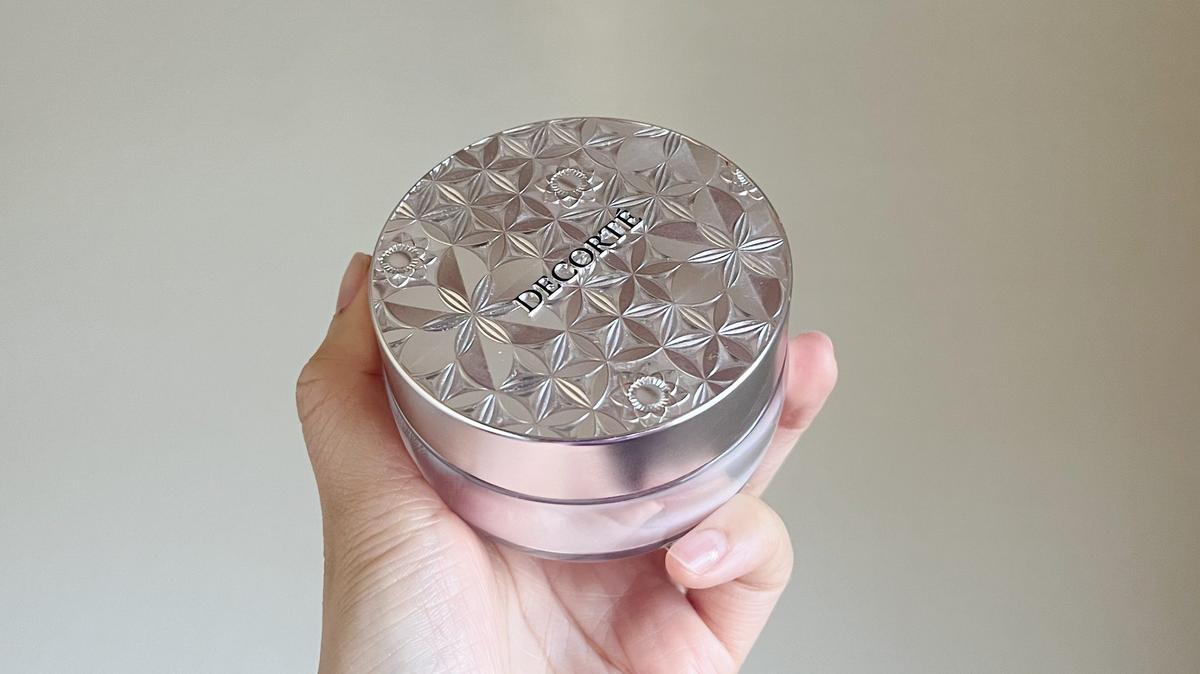
| Decorté Loose Powder Line | Core staple catalog | Elastic micro-net screen | Organic silk powder, moisture-coated spherical silica |
Mastering the Powder Container Lid Trick and Puff Technique
Even with advanced hardware, mastering physical handling makes the difference between a natural radiant finish and a chalky buildup. Editorial makeup artists rely on a specific cadence when handling a loose powder sifter jar. If you are working with an older rigid plastic sifter, keep the lid tightly screwed on, flip the jar upside down once, tap the bottom gently, and set it upright. Unscrewing the lid reveals a controlled amount resting on the inner rim rather than an overwhelming pile inside the chamber.
To transfer the formula correctly, avoid dipping brushes directly onto the plastic plate. Instead, follow this proven routine:
1. Invert the lid and shake a nickel-sized portion of translucent setting powder into the shallow cap cavity.
2. Press your powder puff flat into the lid, rotating it 90 degrees to draw the powder uniformly into the velvet fibers.
3. Fold the puff in half and massage the two sides together. This crucial friction step works the particles deep into the core fibers instead of leaving loose dust on top.
4. Execute the excess powder tapping hack against the back of your hand. If visible white dust flies into the air, the puff is overloaded. Keep massaging until the fabric looks lightly frosted.
5. Press and roll the puff across the T-zone and high-movement zones. Never drag or wipe, which tears the underlying foundation film.
Baking Versus Targeted Buffing for Long-Wear Performance
The beauty community spent years debating the baking technique popularized across digital platforms. That method involves leaving thick layers of talc or starch under the eyes and along the jawline for five to ten minutes, letting body heat melt the foundation beneath before dusting off the residue. In high-definition daylight, heavy baking often backfires. It dehydrates the delicate under-eye epidermis, turning tiny expression lines into obvious dry cracks.
Modern backstage base prep favors targeted micro-buffing. Instead of sitting under piles of loose powder, makeup artists use small dome-shaped blending brushes dipped lightly into the sifter lid. Working in circular motions, they buff microscopic amounts of translucent setting powder directly into pore-dense regions beside the nose, on the chin, and between the brows. This approach achieves 12-hour oil control while letting natural skin radiance shine through on the cheekbones, preventing the dreaded mask-like appearance.
Frequently Asked Questions (FAQ)
Q1: How can I stop loose powder from exploding everywhere when I open the jar?
A1: Always leave the plastic sticker halfway over a new plastic sifter instead of peeling it completely off, exposing only two or three holes. For jars already open, tap the base firmly on a flat table before opening so airborne particles settle below the grate.
Q2: Is a powder puff or a fluffy brush better for applying loose powder?
A2: Velour puffs offer superior oil control and pore blurring because the rolling pressure embeds the powder into skin texture. Fluffy brushes deliver a sheerer, more radiant veil best suited for dry complexions or setting dry cheek zones.
Q3: Why does my setting powder look patchy or cling to dry skin?
A3: Clumping happens when powder touches wet skincare or liquid foundation before it has settled. Wait 60 to 90 seconds after applying foundation, blot excessive oil with a tissue, and thoroughly massage the powder into your puff before touching your face.
The Future of Powder Dispensing Mechanics
Cosmetic packaging is moving beyond static plastic jars. The drive toward mess-free utility has transformed powder dispensing into a genuine engineering discipline. As mesh sifter packaging becomes standard and brands adopt sealed single-dose valves, the long-standing hassle of chalky spills, ruined clothes, and uneven coverage is finally fading into history. For everyday wearers and professional artists alike, mastering proper puff friction and investing in refined packaging guarantees a soft-matte, photo-ready finish that lasts all day without caking.