Nico Live Kanata Chronology: From Early Pioneer Days to Her Modern Broadcast Presence
The golden era of Japanese livestreaming forged a distinct subculture where direct confrontation, chaotic viewer banter, and complete lack of polish ruled the airwaves. Long before corporate agencies and polished virtual avatars dominated the domestic streaming charts, independent personalities carved out digital territories on Dwango’s Niconico Live platform. Among the female broadcasters who shaped this foundational period, Kanata (かなた) stood as one of the most recognizable fixtures. Her broadcasts captured the volatile, intoxicating energy of early internet subculture, navigating everything from community bans to platform migrations. As detailed in a recent PR TIMES Report documenting the platform's evolving event broadcasts, Dwango has continually reshaped its digital infrastructure, yet the footprint left by grassroots creators like Kanata remains central to how audiences understand Japan's broadcast history.
📌 Key Takeaways:
- The Pioneer Era: Kanata emerged during the early 2010s boom of independent Niconico Live broadcasters, defining an unvarnished, participatory format built around real-time viewer interaction.
- Platform Evolution: Her career tracks the broader shifts of the Dwango broadcast platform, weathering strict moderation policies, community stream archive losses, and audience migration across YouTube and TwitCasting.
- Enduring Legacy: Kanata’s trajectory highlights the sociological pressures faced by early female streamers, establishing broadcast conventions that modern Japanese creators still rely upon in 2026.
The Wild West of Early Niconico and the Rise of Female Streamers
Japanese web broadcasting operated under entirely different social rules in the early 2010s. Niconico Live was not a passive viewing experience; it was a collaborative, often adversarial combat zone mediated by danmaku, the signature horizontal text comments flying across the screen in real time. Unlike Western services like Justin.tv or early Twitch, where chat sat quietly in a side panel, Dwango forced broadcasters to physically share screen real estate with their audience’s unfiltered reactions.
Within this frenetic ecosystem arose the onna-namanushi (female live broadcaster) phenomenon. While early video-sharing on Niconico centered on vocaloid producers, dancers, and game commentators, live broadcasts invited ordinary individuals into the crosshairs of internet anonymity. Kanata stepped into this arena with a distinct presence. She did not adopt the sanitized, idol-adjacent persona common among mainstream talent agencies. Instead, she embraced the chaotic vernacular of Niconico, leaning into casual conversational streams (zatsudan), public outings, and impulsive on-air decisions that kept viewers constantly guessing what might happen next.
The cultural footprint of this era was substantial. While collaborative efforts like the 2014 idol trio Nicomusu!, formed by fellow female broadcasters Muramako, Ayanatto, and Narumi, attempted to channel raw stream popularity into conventional pop culture, solo broadcasters like Kanata held the line in pure streaming. They built communities that thrived entirely on late-night broadcasts, direct call-ins (totsugeki), and the emotional volatility that made Japanese subculture broadcast history so magnetic.
Kanata’s Breakthrough: Defining the Unfiltered Namanushi Style
Kanata gained traction because her content rejected the artifice of traditional entertainment. Her streams functioned as an open diary broadcast directly to thousands of strangers. Sessions routinely lasted hours, often spiraling into passionate debates with her chat, comedic breakdowns of everyday embarrassments, or ambitious real-life adventures documented via primitive mobile streaming setups.
Her audience was diverse, fiercely loyal, and relentlessly critical. Viewers tested her boundaries constantly, tossing provocative comments onto the screen to elicit immediate emotional reactions. Kanata rarely backed down. Her ability to fire back, defuse trolling with self-deprecating wit, and maintain composure under an avalanche of flying text separated her from creators who quickly burned out under the platform's harsh glare.
The milestones of her channel accumulated rapidly. Thousands of premium members subscribed to her community page, tuning in whenever the notification chime sounded across the desktop client. In an era before superchats and frictionless virtual tipping, viewer loyalty was measured in watch hours, community level rankings, and the sheer volume of comments generated per minute. Kanata regularly commanded the upper tier of Dwango's ranking boards, demonstrating that personal authenticity could outdraw expensively produced corporate programming.
Chronological Milestones Across Kanata's Broadcasting Timeline
Tracking Kanata's streaming path provides a direct window into how Japanese digital media matured between 2011 and 2026. Her career divides naturally into distinct structural phases, punctuated by technical changes, algorithmic shifts, and platform disruptions.
| Phase & Timeframe | Core Platform Focus | Defining Developments & Impact |
|---|---|---|
| Pioneer Ascent (2011, 2014) | Niconico Live (Dwango Communities) | Rapid growth via daily conversational streams; established core fan base; navigated early mobile IRL broadcast constraints. |
| Golden Age Volatility (2015, 2018) | Niconico Live & TwitCasting | Repeated community bans due to tighter site moderation; periodic migrations to TwitCasting; massive live viewer counts during real-life event coverage. |
| Multi-Platform Transition (2019, 2023) | YouTube, Twitch, Openrec, Nico Live | Decentralization of legacy audiences; experimentation with modern monetization tools; periodic nostalgic revivals on original Nico channels. |
| Veteran Presence (2024, 2026) | Hybrid Legacy Platforms & Social Feeds | Surviving the historic June 2024 Dwango data center outage; steady elder-statesman status in veteran streaming circles; sustained niche viewer loyalty. |
Navigating the Danmaku Storm: Community Moderation and Audience Friction
Maintaining an extended presence on Niconico came at a severe psychological cost. The platform offered minimal safety nets for individual broadcasters during its foundational decade. Content policies shifted unpredictably. A stream flagged for minor public nuisance during an outdoor shoot or an accidental copyright violation could trigger an immediate thirty-day community suspension or permanent account deletion.
Kanata faced these regulatory hurdles repeatedly. Each community ban wiped away accumulated viewer metrics, forcing her to rebuild her subscriber base from scratch on backup accounts (sab-aka). The resilience required to repeatedly rebuild an audience became part of her appeal. Viewers were not just watching someone chat; they were tracking a creator surviving the friction of an unforgiving digital environment.
Furthermore, parasocial entanglements ran deep. Early streaming culture lacked the modern boundaries that streamers now establish through automated moderation bots and strict discord moderators. Kanata’s broadcasts frequently handled intense real-time criticism, obsessive fans tracking her location, and coordinated harassment campaigns from rival community forums. Her endurance across these episodes underscored the raw tenacity that characterized the first wave of Japanese independent streamers.
Dwango’s Strategic Transformation and the Veteran Creator Dilemma
As the internet shifted into the 2020s, the economic foundation beneath legacy broadcasters cracked. Dwango faced fierce competition from international giants. YouTube Live offered automated archiving, superior encoding, and direct revenue splits through Super Chats. Meanwhile, Twitch captured the competitive gaming demographic, and platforms like TwitCasting offered low-latency mobile streaming tailored to younger smartphone users.
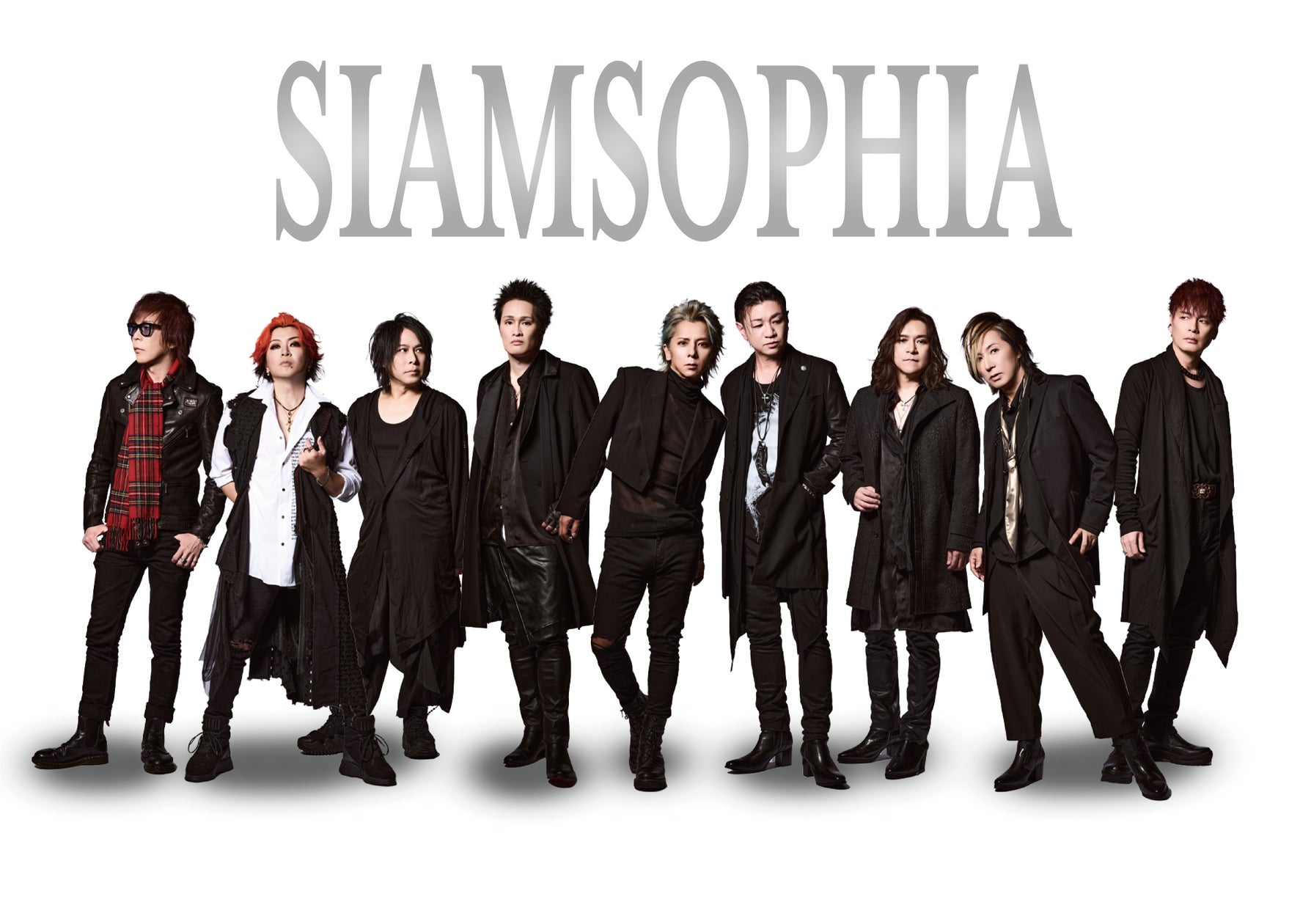
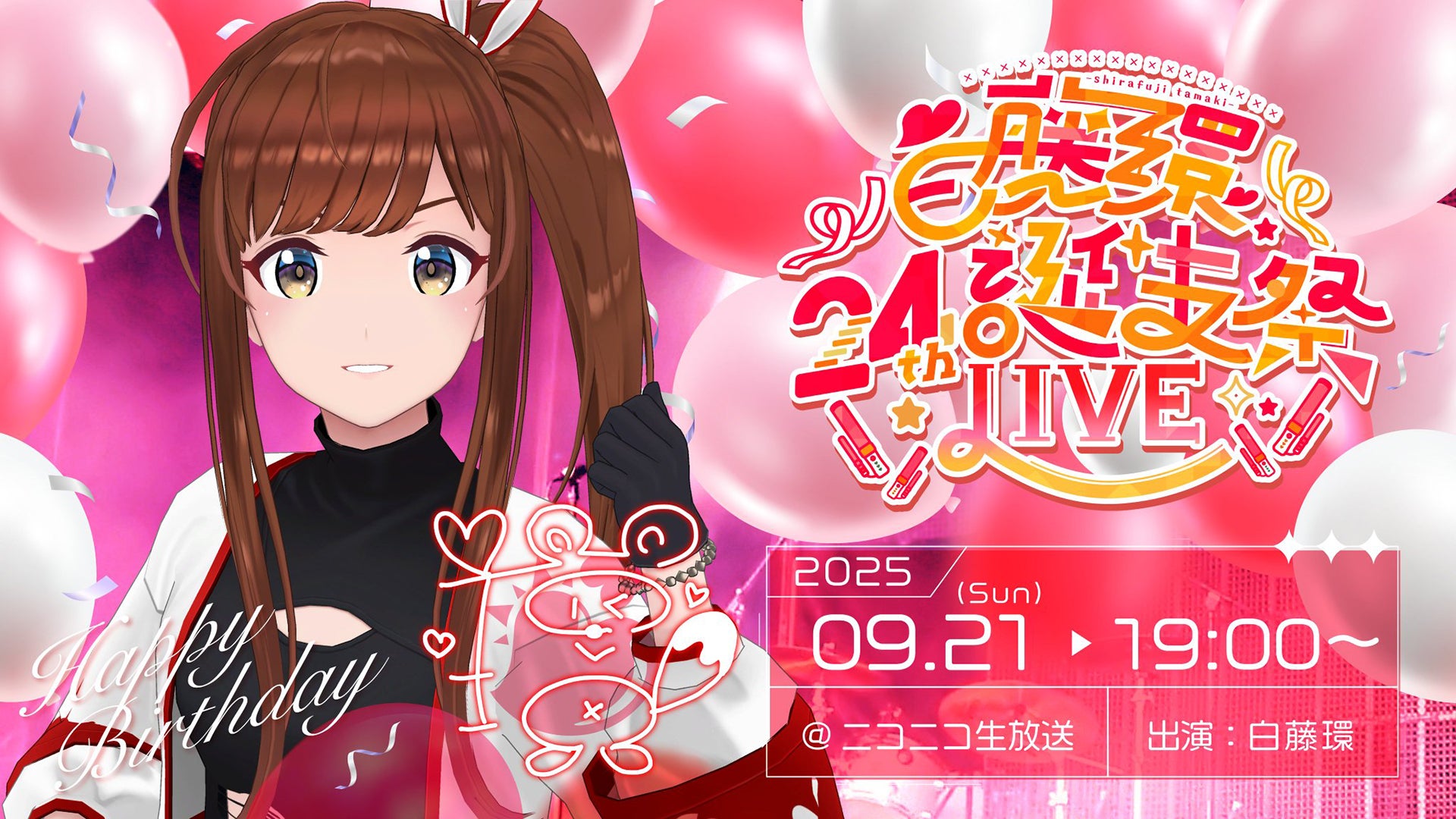
Dwango responded by reorienting Niconico Live toward official intellectual property, institutional events, and niche subcultural programming. Under CEO Takeshi Natsuno, the platform leaned into high-profile exclusive spectacles. Recent company broadcasts, such as the October 2025 SIAMSOPHIA final concert at Toyota Arena Tokyo, specialized virtual idol stages like Shirafuji Tamaki's birthday live, rock performances by Amai Bouryoku, and comprehensive youth-focused coverage of the 51st General Election in February 2026, illustrate a platform balancing corporate production with civic utility.
For grassroots pioneers like Kanata, this corporate pivot changed the entire broadcast dynamic. The freewheeling community hubs that once defined the service were no longer its primary commercial engine. While many peers migrated permanently to YouTube or retired into private life, Kanata maintained a split existence. Her regular broadcasts adapted to modern multi-streaming norms, yet she consistently returned to Niconico, serving as a living link to the platform’s golden era for viewers who found modern corporate streams sanitized and sterile.
Frequently Asked Questions (FAQ)
Q1: Why is Kanata considered significant in Japanese streaming history?
A1: Kanata was one of the central female broadcasters during Niconico Live's formative years in the early 2010s. She popularized unfiltered conversational streams and mobile IRL broadcasting, establishing interactive community dynamics that shaped modern Japanese livestreaming conventions.
Q2: How did the 2024 Niconico cyberattack impact legacy streamers like Kanata?
A2: The massive ransomware attack on Dwango's data infrastructure in June 2024 took Niconico offline for over two months. This forced veteran creators to temporarily relocate their broadcasts entirely to platforms like YouTube and TwitCasting, accelerating the decentralization of legacy streaming communities.
Q3: Did Kanata transition entirely away from Niconico Live?
A3: No. While she diversified her presence across platforms like YouTube and Twitter/X to adapt to modern streaming economics, she consistently maintained her original Niconico broadcast footprint, retaining a dedicated community of long-time viewers who prefer the platform's unique comment culture.
The Cultural Imprint of Unfiltered Internet Broadcasting
Looking back across Kanata's broadcasting path reveals how profoundly digital creation has transformed over fifteen years. The early days of Niconico Live were imperfect, technologically messy, and often hostile. Broadcasters had no corporate playbooks, no talent management agencies, and no guarantee of financial compensation. They opened their cameras simply to connect with an unpredictable public in real time.
Kanata personified that raw era. Her broadcast archives document the journey of an independent creator navigating the pressures of digital celebrity before the industry had even coined a professional vocabulary for it. While contemporary streaming has evolved into an optimized, highly monetized industry driven by corporate partnerships, the chaotic charm of Kanata's legacy broadcasts remains a vital chapter in Japan's internet history.