Oil vs Milk vs Mist: The Definitive Breakdown of Men's Leave-In Hair Care Products

Men are finally ditching the harsh habit of washing their hair with stripping shampoo, towel-drying it aggressively, and immediately slapping on high-hold matte clay. The fallout has been predictable: brittle strands, unruly frizz, and flaky scalp lines. The modern grooming countermovement revolves around post-wash moisture retention, commonly categorized in Asian and global barbering cultures as 流さないトリートメント (leave-in treatments).
Selecting the wrong formula quickly creates another headache. Pick an oil that is too dense, and fine strands collapse into greasy, separated strings by midday. Choose a watery spray when your hair is thick and bleach-damaged, and your texture remains rough and unmanageable. Finding the right formula requires understanding hair porosity, molecular weight, and styling mechanics.
📌 Quick Summary:
- Core Formula: Mists excel on low-porosity and fine hair, milks repair medium-to-coarse dehydrated shafts, and oils seal cuticles and tame unruly textures.
- The Culprit Behind Greasy Hair: Over-application and applying occlusive oils directly to the roots without prior water-based hydration causes heavy, flat hair.
- Routine Optimization: Using a leave-in as a styling base primer shields cuticles from blow-dryer heat while cutting your wax or clay consumption by half.
The Post-Wash Void in Men's Daily Grooming
For decades, men's hair care was treated as a two-phase process: strip everything away in the shower, then force shape back into dry hair using synthetic styling resins. The space between those steps, the vulnerable drying phase, was completely ignored. When water evaporates from an open hair cuticle without a barrier, it siphons out internal moisture, leaving behind brittle keratin fibers susceptible to friction damage and split ends.
Tokyo's high-end men's salons and London barber academies began formalizing the use of non-rinse conditioning agents between 2022 and 2024 to combat this problem. Rather than treating leave-in conditioning as a niche cosmetic indulgence, stylists started applying lightweight leave-in conditioner formulas at the basin as a mandatory technical step. The goal was simple: normalize strand moisture before introducing hot air or clay.
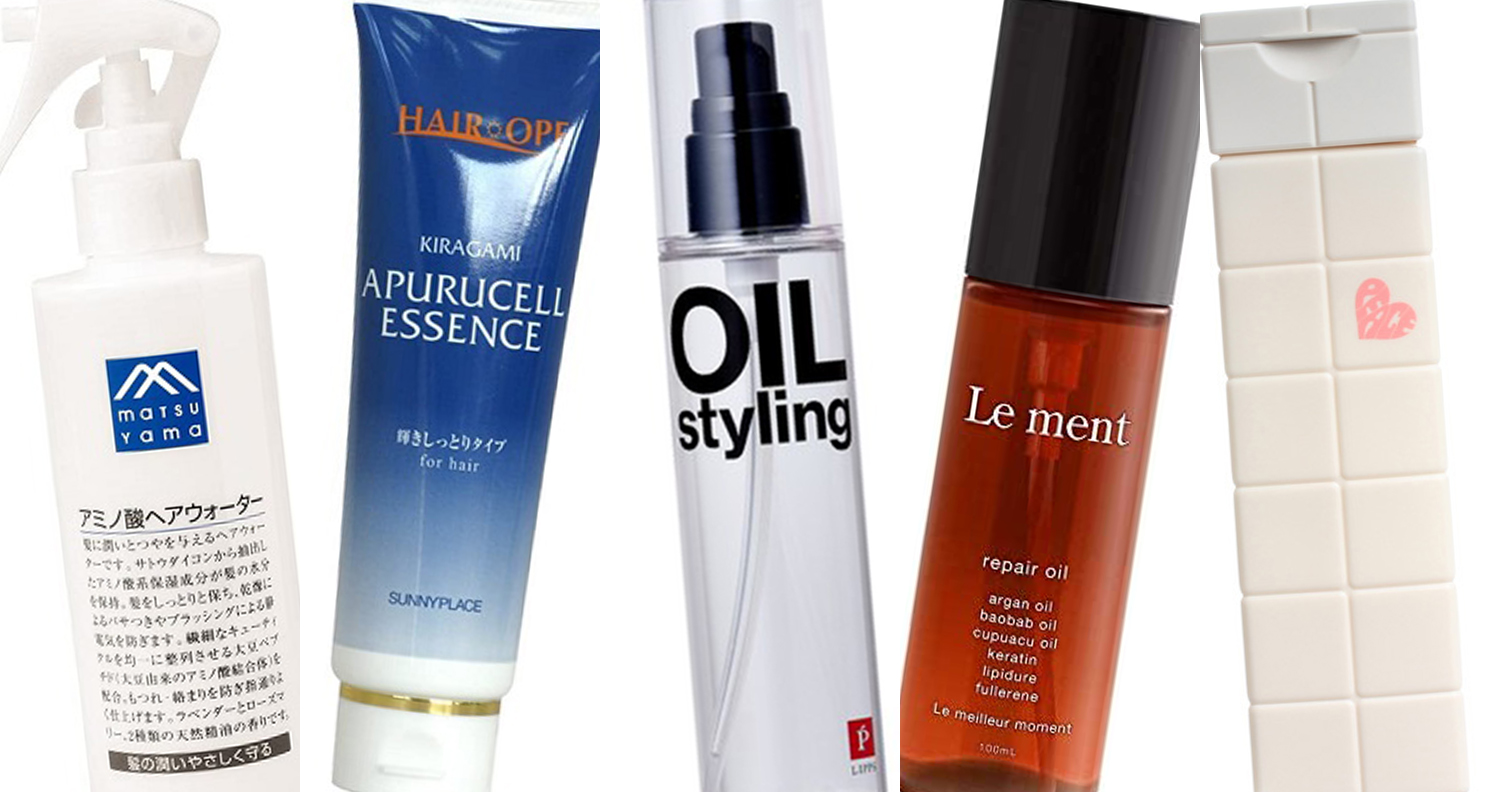
The modern market now divides these leave-in products into three primary delivery vehicles: water-dominant mists, lipid-and-water emulsions known as milks, and concentrated lipid oils. Each interacts differently with keratin bonds and sebum production. Knowing which bottle to reach for comes down to analyzing the physical diameter of your hair, its degree of chemical damage, and its natural porosity.
Diagnosing Hair Porosity and Strand Geometry
Matching a product to your hair starts with a practical porosity assessment. Porosity defines how easily your hair absorbs and retains liquid. When cuticles sit tight and flat against the cortex like smooth roof shingles, hair has low porosity. Products bead on its surface, and heavy emollients struggle to absorb, causing visible greasiness.
When hair undergoes repeated bleaching, perm treatments, or intense heat styling, those protective cuticle shingles lift, tear, and gap open. This creates high porosity. Hair absorbs moisture instantly, but loses it just as quickly to the surrounding air, leading to rough textures, dull finishes, and frizzy flare-ups in humid weather.
Medium and coarse hair strands possess a dense medulla and thick cortex layer, demanding deeper lipid penetration to soften. Fine hair lacks this structural heft; overloading it with heavy vegetable or mineral oils weighs down the root, collapsing natural volume within hours. Assessing these physical traits reveals why one person's miracle styling product leaves another looking like they skipped showering for a week.
| Product Type | Primary Base & Actives | Target Hair Type | Core Benefit |
|---|---|---|---|
| Leave-In Treatment Mist | Aqueous solutions, amino acids, hydrolyzed keratin | Fine, limp, low porosity, short-to-medium lengths | Weightless detangling, cuticle realignment, fast prep |
| Hair Milk (Emulsion) | Water-oil emulsions, ceramides, panthenol, light esters | Coarse, dry, perm-treated, wavy/curly textures | Internal cortex hydration, lasting softness, curl bounce |
| Hair Oil (Serum) | Dimethicone, argan, jojoba, squalane lipid blends | Thick, chemically damaged, bleached, frizz-prone | Cuticle sealing, thermal protection, high surface shine |
Mists: The Weightless Hydrator for Fine Strands
Leave-in treatment mists rely on an aqueous base infused with low-molecular-weight amino acids, hydrolyzed silk, and trace humectants. They atomize fine liquid micro-droplets evenly across the hair, minimizing the risk of clumping or product buildup.
For men with naturally fine hair or thin textures, mists are the safest starting point. They provide essential hydration without weighing down the root or collapsing natural lift. Mists also act as an exceptional morning restyler. A few sprays break down sleep-flattened hydrogen bonds, revitalizing your hair without requiring a full shower.
The trade-off lies in their moisture retention. Because water-based mists lack a dense lipid layer, moisture evaporates quickly from coarse or porous strands in dry environments. If your hair feels dry to the touch or snaps under slight tension, a mist alone will not supply the deep structural hydration needed to restore elasticity.
Milks: Deep Cortex Hydration for Coarse Textures
Hair milk bridges the gap between water and oil through a carefully balanced emulsion. Featuring active agents like ceramides, fatty alcohols, and plant-derived squalane suspended in a water base, milk delivers moisture straight past the cuticle and deep into the internal cortex.
Coarse hair hydration demands this dual approach. Water provides flexibility to stiff inner fibers, while lipids lock that moisture in place without suffocating the strand. If you rock a wavy textured cut, an Asian down-perm, or naturally tight curls, hair milk offers the non-greasy moisture control needed to smooth dry ends and refine shape.
Using hair milk requires careful portion control. Dispense a dime-sized amount into your palm, emulsify thoroughly across your fingers, and focus application strictly on the mid-lengths and ends. Spreading an emulsion directly onto the scalp or near the roots can trap excess sebum and lead to premature scalp oiliness before your day even starts.
Oils: High-Performance Cuticle Sealing and Heat Defense
Contrary to popular belief, pure hair oil does not hydrate hair. Oils are occlusives: they do not add water, but rather seal existing moisture inside the cortex while blocking outside humidity from causing frizz. Hair oils rely primarily on volatile silicones, such as cyclopentasiloxane, blended with cold-pressed botanical oils like argan, camellia, or jojoba to smooth and align the hair's outer cuticle layer.
Hair oil acts as a durable heat shield during heat styling. Applying two to three drops of oil to damp hair before blow-drying shields delicate keratin proteins from thermal shock up to 450 degrees Fahrenheit. The oil layer helps brushes slide effortlessly through the hair, preventing the mechanical pulling and snapped ends that often occur during round-brush blowouts.
The major pitfall with hair oils is user error. Applying dense oil directly to bone-dry hair seals moisture out, leaving brittle strands trapped underneath a slippery surface coating. Oil performs best when applied to clean, towel-blotted hair that retains slight internal dampness, locking moisture within the shaft where it belongs.
Building a Functional Post-Shower Protocol
Integrating a leave-in treatment transforms the performance of your downstream grooming products. When your hair cuticle is properly conditioned and smoothed, finishing waxes, pomades, and clays distribute evenly without snagging dry patches or clumping strands together.
Step 1: Gentle Towel Blot (Remove excess water; avoid aggressive friction)
│
▼
Step 2: Thermal & Moisture Prep
├── Fine / Limp Hair ────────► 4, 6 pumps of Treatment Mist
├── Medium / Permed Hair ────► Dime-sized portion of Hair Milk
└── Coarse / Damaged Hair ───► 1, 2 drops of Protective Hair Oil
│
▼
Step 3: Mid-Lengths to Ends Application (Keep 1 inch away from root base)
│
▼
Step 4: Medium-Heat Blow-Dry (Direct air downward to close cuticles)
│
▼
Step 5: Apply Finishing Wax, Paste, or Matte Clay (Cut regular dose by 50%)
Using a leave-in treatment as a styling base primer helps your daily styling products work more efficiently. Because the hair fibers are already hydrated and aligned, you need roughly half the usual amount of styling clay or paste to establish hold. This cuts down on heavy chemical buildup, protects scalp health, and saves money on expensive styling waxes over the course of the year.
Frequently Asked Questions (FAQ)
Q1: Can I use both hair milk and hair oil at the same time?
Yes, this two-step technique works wonders on bleached, permed, or severely damaged hair. Apply hair milk to damp strands first to hydrate the cortex, then work one drop of hair oil over the surface to seal the cuticle before blow-drying.
Q2: Should I apply a leave-in treatment when my hair is wet or completely dry?
Apply your leave-in to towel-damp hair right after showering. The open cuticle and residual moisture allow the treatment to absorb and spread evenly. Applying dense formulas to bone-dry hair often causes localized clumping and an uneven, greasy finish.
Q3: Will using a leave-in hair product cause scalp acne or clogged pores?
Only if applied incorrectly. Keep leave-in treatments roughly one inch away from the scalp, concentrating entirely on mid-lengths and ends. Choose non-comedogenic, silicone-balanced formulations and wash with an effective clarifying shampoo weekly to prevent residue buildup.
Upgrading Your Daily Hair Routine
Modern men's grooming is moving away from brute-force matte clays and heavy pomades that mask damaged hair. True control starts with healthy hair. Hydrated, properly conditioned strands naturally fall into place with minimal styling effort, holding their shape throughout the day without feeling stiff or crispy.
Adding a targeted leave-in treatment takes less than thirty seconds at the sink, but fundamentally transforms your hair's baseline health. Choose a mist for lightweight volume, a milk for deep internal hydration, or an oil for sleek surface protection. Your hair will dry faster, style easier, and remain manageable all day long.