Overnight Bed Frame Failure: A Minute-by-Minute Guide to Emergency Bed Repair
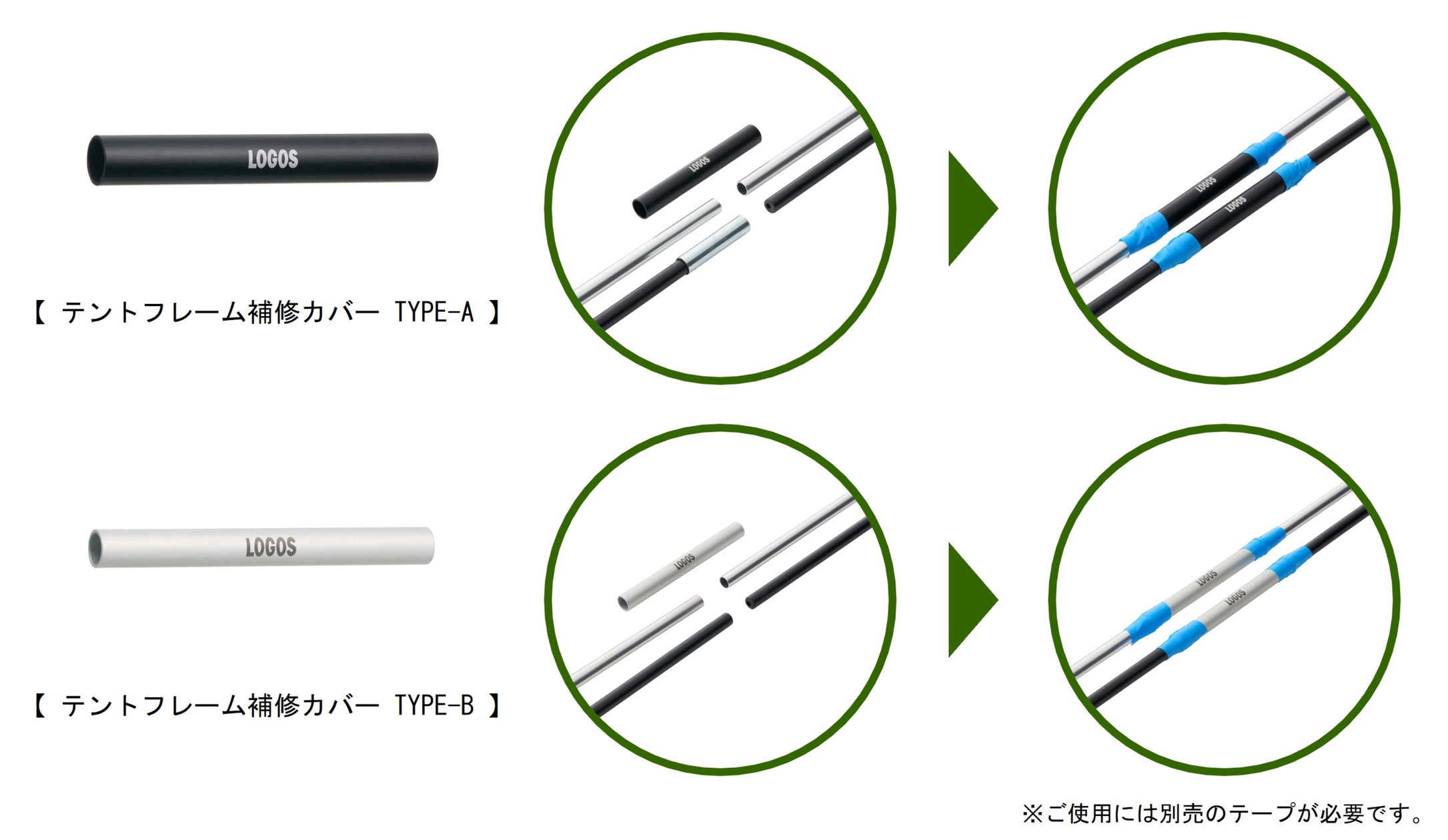
A sharp crack jolts you awake at 2:30 AM, followed immediately by an unsettling tilt as your mattress dips sharply toward the floor. Structural bedding failures strike suddenly under dynamic load, turning what should be seven hours of restorative sleep into an immediate structural hazard. Emergency engineering principles mirror those used in field gear; outdoor gear manufacturer LOGOS Corporation documented this exact mechanical vulnerability when detailing how sudden lateral tension fractures structural poles in their recent product dispatch covered in a PR TIMES Report, prompting the development of rapid, load-bearing splint covers.
When residential bed furniture fails in the dead of night, you cannot easily visit a home center or lumber yard. You need immediate stabilization to prevent mattress ruin and secure a level sleeping surface until morning.
📌 Quick Summary:
- Immediate Action: Strip the mattress off the frame instantly to assess structural compromise and prevent torsion damage to the internal springs or memory foam core.
- Primary Failure Points: Lateral splitting along a cracked wooden side rail, snapped pine slats, or center support leg failure caused by sheer horizontal drag.
- The 48-Hour Fix: Transition from temporary zero-cost floor stabilization to heavy-gauge steel mending plates, wood glue, and continuous structural reinforcement.
Midnight Triage: The First Five Minutes After the Crack
Do not attempt to push the mattress back up while remaining in bed. Shifting your weight across an unstable frame risks driving splintered timber into the mattress casing or snapping neighboring support joints. Slide out of bed carefully, peel away your duvet, and lift the mattress entirely off the bedstead.
Set the mattress directly onto the bedroom floor. If floor space permits, this is your safest sleeping arrangement for the rest of the night. Modern hybrid and memory foam mattresses require continuous flat backing; leaving an uneven break beneath them can warp their structural coils or tear their internal adhesive bonds within hours.
Inspect the chassis with a smartphone flashlight to identify the exact break point. Residential frames generally suffer three predictable catastrophic failures: snapped support slats, a cracked wooden side rail, or a collapsed center support leg that rolled outward when someone shifted positions.
Immediate Makeshift Stabilization for the Night
If limited floor space forces you to keep the mattress on the elevated structure until daylight, execute emergency furniture stabilization using rigid household items.
Stack dense hardback books, unused storage totes, or solid wooden chopping boards directly under the fracture site. The objective is to transfer gravity-driven load directly to the floorboards rather than letting the frame bear dynamic tension. If a single slat snapped, pull two sound slats from the extreme foot of the bed and slide them into the compromised torso area. The human body places over 60% of its resting mass across the hips and midsection, leaving the foot zone under comparatively low mechanical strain.
For metal bed frame structural fix requirements overnight, watch out for sheared bolts. If a steel side rail detached because the factory fastener snapped off, run heavy-duty zip ties or a ratchet strap through the empty bolt holes to create a tight friction hold. Never trust a single tie; loop four or five around the rail junction to distribute the lateral shear force.
Assessing the Damage: Wood Splits, Sheared Bolts, and Center Legs
Morning light brings the opportunity for methodical forensic assessment. Understanding the mechanical force that caused the rupture dictates whether you can execute a permanent broken bed frame repair or need an entirely new foundation.
| Failure Mechanism | Root Cause | Permanent Remedy | Material Cost Range |
|---|---|---|---|
| Horizontal Side Rail Crack | Bending moments across wood grain knots | PVA wood glue, C-clamps, and steel mending plates | $12, $25 |
| Snapped Lateral Slat | Concentrated pinpoint kinetic shock | Solid southern yellow pine or poplar slat replacement | $8, $18 |
| Center Leg Torsion Fold | Dragging frame horizontally during cleaning | Heavy-duty adjustable steel T-leg with top bracket | $15, $30 |
| Torn Corner Joint Screws | Stripped wood threads in particle board | Hardwood dowel plugs, structural screws, steel L-brackets | $10, $20 |
Center support leg failure is arguably the most common structural defect in modern platform beds. Mass-market beds ship with vertical wooden dowels secured by a single thread-in hanger bolt. When you drag the bed across a rug to vacuum, that vertical dowel acts as a lever arm, loosening the receiver plate and tilting the post off its vertical axis. The next time weight lands on the mattress, the unaligned post snaps instantly under dynamic pressure.
Permanent Wood Rail Repair: Splints, Glue, and Steel Plates
A cracked wooden side rail does not mean you have to discard the bed. If the wood split horizontally along the grain without shattering into a dozen fragments, a composite chemical-and-mechanical join restores full weight capacity reinforcement.
Start by working Type II or Type III PVA wood glue deep into the fissure. Avoid polyurethane expanding glues for this specific task; PVA glue bonds directly into cellulose wood pores, producing a joint that holds stronger than the surrounding natural timber. Once glue saturates the crack, set heavy C-clamps every 4 to 6 inches along the breach. Wipe away extruded glue with a damp cloth, and keep the clamps torqued down for a full 24 hours.
After the adhesive cures, back the internal side of the rail with heavy galvanized steel mending plates. Position a 10-inch to 12-inch steel plate flat over the break on the hidden interior face of the timber rail. Drive 1-inch structural wood screws through the plate's offset holes. Avoid placing screws along a straight line, which can split dried timber. Stagger your fasteners to distribute the load across unaffected wood fibers.
When dealing with loosened hardware or stripped screw hole repair at corner posts, do not drive larger screws into the damaged void. Instead, clear loose sawdust, coat two round hardwood toothpicks or a 3/8-inch wooden dowel in PVA glue, tap them into the wallowed-out cavity, and trim them flush. Once dried, drill a fresh pilot hole directly down the center. The new screw threads now bite cleanly into solid wood core instead of chewing up crumbling particleboard.
Upgrading Broken Bed Slats and Foundation Rigidity
Standard broken bed slats replacement usually exposes how flimsy stock bed slats are. Mass-market manufacturers commonly use low-grade finger-jointed pine slats measuring barely 0.6 inches thick. These thin slats flex under modern pocket-coil mattresses, causing noticeable mattress foundation sagging that produces lower back stiffness.
Ditch the flimsy replacements. Head to a local timber supplier and request custom-cut 1x4 kiln-dried southern yellow pine or furniture-grade Baltic birch strips. Ensure the spacing between individual slats stays strictly under 2.75 inches. Wider gaps allow independent pocket springs to squeeze downward between the supports, ruining internal coil alignment and voiding most 2026 mattress manufacturer warranties.
To eliminate individual slat stress altogether, install a plywood bunkie board reinforcement system. Have a hardware retailer cut two sheets of 0.5-inch exterior-grade ACX plywood to match the internal dimensions of your frame. Lay these sheets directly on top of your existing sound slats. The solid plywood platform disperses body weight evenly across the entire surface perimeter, stopping localized stress concentrations and adding rigid structural bracing that keeps the perimeter rails from flexing outward under lateral loads.
Frequently Asked Questions (FAQ)
Q1: Can I sleep on a cracked bed frame if I slide a wooden board under the mattress?
A1: This works strictly as a short-term stopgap for one or two nights. Plywood disperses weight, but if the perimeter rail or center leg is cracked, downward tension will eventually tear the joint further apart. Reinforce or repair the actual frame break before returning to normal daily use.
Q2: Why did my bed frame snap when it was rated for 600 pounds?
A2: Factory weight limits measure static, evenly distributed mass. Dropping your body down abruptly onto the edge of the mattress creates a concentrated dynamic shock load that easily exerts triple your body weight on a single slat or rail corner, blowing past static load capacities.
Q3: Is wood glue alone strong enough to hold a split side rail?
A3: No. Quality wood glue holds high tensile stress inside the joint, but long bed side rails endure continuous dynamic bending moments as sleepers shift positions. You must pair glue with mechanical reinforcements, such as steel mending plates or an interior sister board screwed firmly to the rail.
Long-Term Structural Integrity for Modern Bedding
Furniture durability depends on routine preventative maintenance rather than sudden midnight triage. Modern mattresses are heavier than their predecessors; high-density memory foams and multi-tiered coil configurations frequently tip the scales at 100 to 140 pounds before anyone even lies down. Check all corner bolts and center support hardware every six months. Timber contracts and expands across seasonal humidity changes, loosening mechanical fasteners and inviting joint play that leads directly to timber splits. Tighten loose assembly points, inspect your center vertical support legs to ensure they stay plumb, and immediately replace warped pine slats with solid hardwood before midnight fatigue turns a simple squeak into a sudden frame failure.