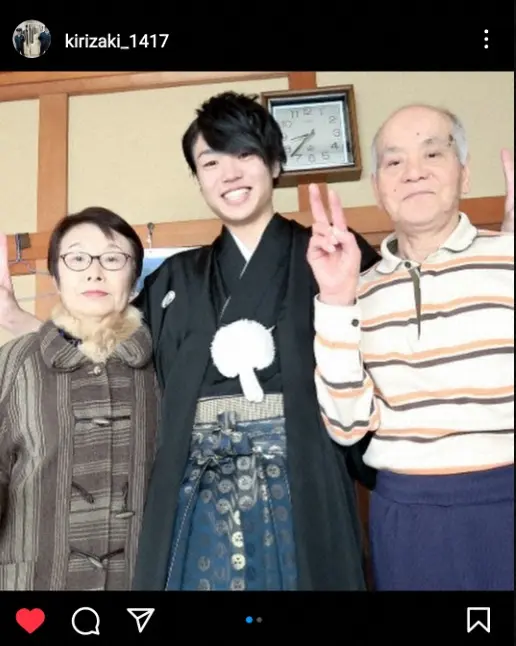
Ozaki Sekaikan in 2026: New Diary Book Release, TV Highlights, and Hairstyle Buzz
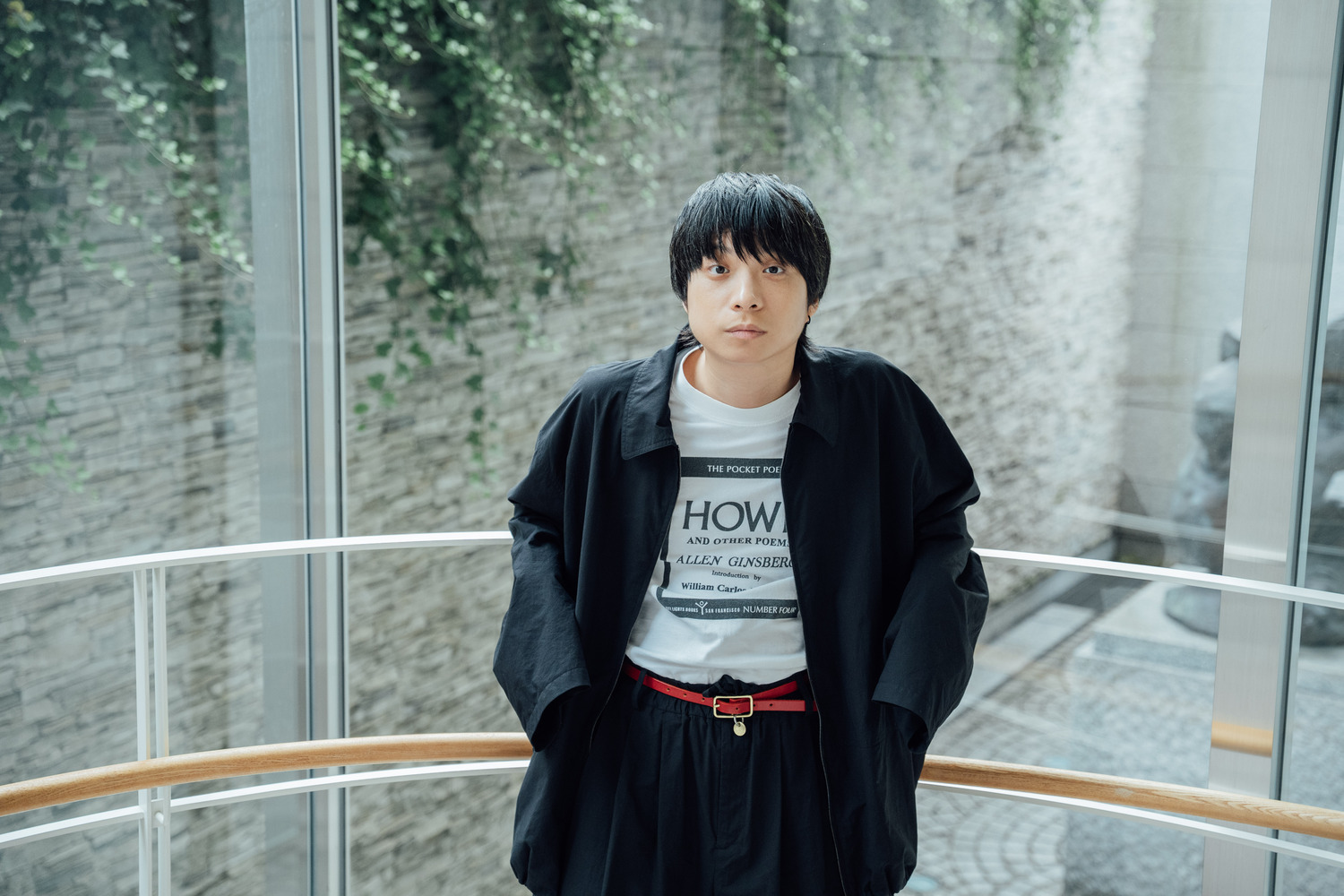
CreepHyp frontman Ozaki Sekaikan is commanding Japanese cultural discourse across music, publishing, and urban fashion. Between releasing a major autobiographical book and making an unfiltered appearance on Japanese variety television, the Akutagawa Prize-nominated musician has simultaneously become the primary reference photo across high-end Tokyo hair salons. The surge in searches for the singer's signature wavy locks comes alongside fresh public interest in his personal philosophy, spurred by an [ORICON NEWS Report](https://www.oricon.co.jp/news/2466610/full/) covering his candid remarks on television in early July.
For casual listeners and salon clients alike, the fascination runs deep. Ozaki has spent over a decade subverting expectations, balancing caustic indie rock anthems with meticulous literary essays. In mid-2026, those worlds converged, turning his daily routines, artistic grudges, and effortless personal style into a broader cultural talking point.
📌 Key Takeaways:
- The Publishing Milestone: KADOKAWA published Ozaki's yearlong daily diary collection on June 22, 2026, illustrated by celebrated picture-book author Shinsuke Yoshitake.
- The TV Confession: During a July 6 appearance on TV Tokyo's Kawashima Akira no Jisho de Nomu, Ozaki confirmed he originally adopted his stage moniker "Sekaikan" (Worldview) purely out of spite toward dismissive music critics.
- The Hairstyle Demand: Japanese salons report record requests for the "Ozaki Sekaikan perm," a textured, medium-length wavy spiral cut that redefines modern alternative rock aesthetics.
The Literary Milestone: Inside "The Diary of Things I Didn't Write"
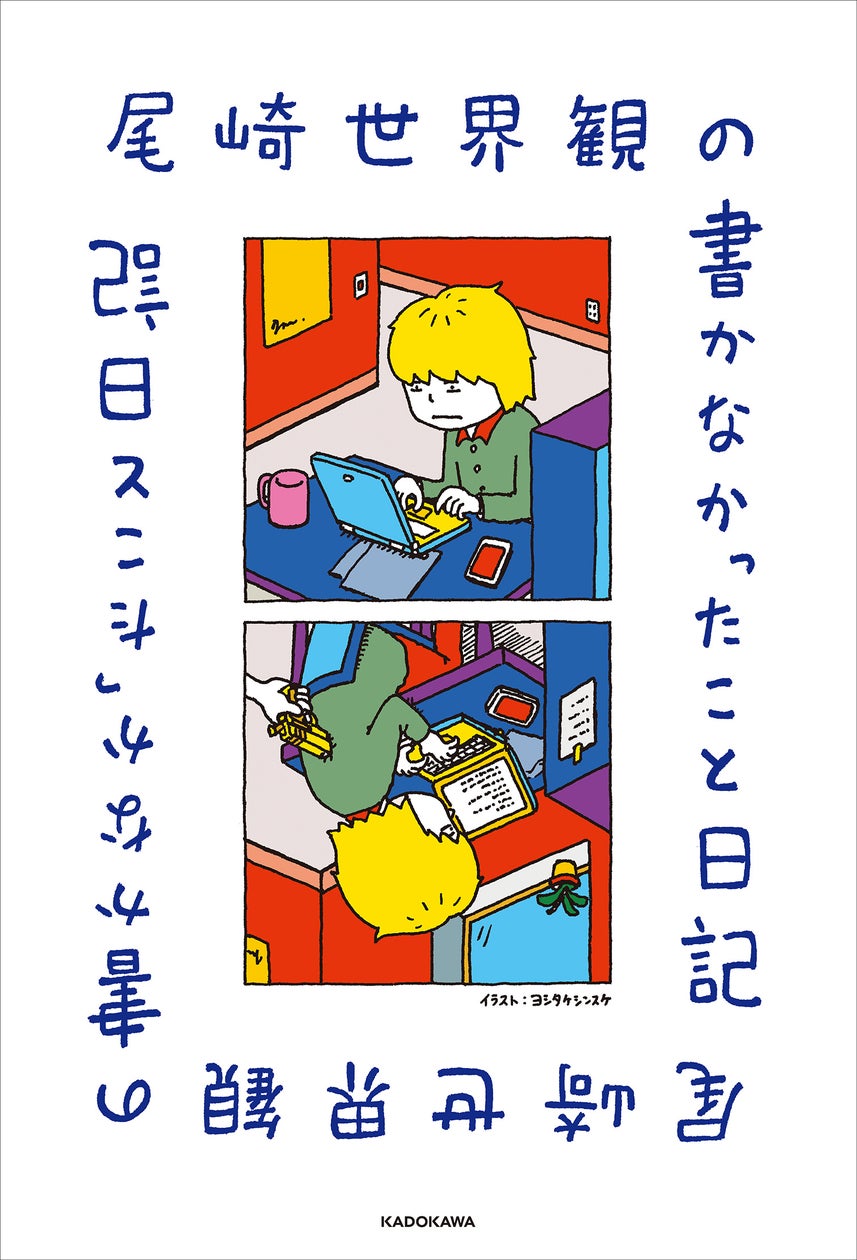
On June 22, 2026, publisher KADOKAWA released Ozaki Sekaikan no Kakanakatta Koto Nikki (The Diary of Things I Didn't Write), marking the CreepHyp vocalist's most ambitious non-fiction project since his celebrated Kuju 100% and Kuju 200% volumes. The new book compiles daily journal entries serialized in literary culture magazine Da Vinci, chronicling every single day between December 25, 2024, and December 24, 2025.
To ground the collection's introspective tone, picture-book author and illustrator Shinsuke Yoshitake contributed custom artwork throughout the text. Yoshitake’s playful, minimalist line drawings offer visual levity against Ozaki’s sharp self-critique. The text avoids standard tour diary grandstanding. Instead, it captures the mundane friction of daily existence: agonizing over songwriting phrasing, navigating rehearsals, and the self-imposed pressure of an author twice shortlisted for the prestigious Akutagawa Prize.
Readers and critics have noted the tension between what is shared and what remains omitted. By framing the journal around the unwritten thoughts behind everyday occurrences, Ozaki interrogates the distance between the public rock frontman and the private individual who spends hours agonizing over solitary sentence structures.
Late-Night Revelations on TV Tokyo: Spite, Words, and the Stage Name
Two weeks after the book hit shelves, Ozaki joined host Akira Kawashima on the July 6 broadcast of TV Tokyo's Kawashima Akira no Jisho de Nomu. The talk format uses Japanese dictionary terms as conversational prompts over drinks. When the conversation turned to words starting with the syllable "se," Ozaki opened up about the word that has defined his public career: sekaikan, which translates roughly to "worldview" or "artistic universe."
Ozaki recounted how early industry observers would patronizingly praise his band by saying, "I really love your worldview." The phrase felt like an evasion, an empty label handed out when someone lacked the vocabulary to critique the actual songwriting. Infuriated by the lazy catchphrase, he decided to paste it directly onto his own name as a permanent act of defiance.
The candid explanation resonated immediately with audiences. On Japanese social media platforms, clips of the exchange circulated widely, with viewers praising his willingness to acknowledge petty artistic fury decades after becoming a household name. That dry authenticity remains central to his appeal.
Tracing the Creative Evolution of CreepHyp's Frontman
Ozaki’s transition from an abrasive indie-circuit underdog to an institutional literary figure has unfolded across multiple distinct phases. The trajectory demonstrates how his music, literature, and visual presentation developed in tandem.
| Career Period | Primary Creative Milestone | Visual & Aesthetic Profile |
|---|---|---|
| 2012, 2016 | Major-label debut with CreepHyp; release of debut novel Yusuke | Straight-cut shaggy indie rock fringe, unstyled textures, vintage knitwear |
| 2017, 2021 | Publication of Kuju 100%; first Akutagawa Prize nomination for Haha no Senaka | Transition toward loose permanent waves, dark natural tones, wireframe glasses |
| 2022, 2025 | Da Vinci daily diary column serialization; regular broadcast appearances | Defined medium wavy spiral perm, layered collar length, tailored minimalist coats |
| 2026 | Release of The Diary of Things I Didn't Write; TV Tokyo dictionary appearance | Effortless center-split spiral perm, semi-matte styling, high-street salon staple |
Decoding the "Ozaki Perm": The Salon Blueprint for Japanese Rock Hair
The term "尾崎世界観 パーマ" (Ozaki Sekaikan perm) consistently populates style tags on Hot Pepper Beauty and TikTok. Japanese salons from Harajuku to Osaka treat his cut as a textbook catalog example of modern men's alternative grooming. It offers an alternative to stiff, overly sculpted fades or hyper-manicured idol curtains.
Achieving the look requires specific technical coordination with a stylist:
- Base Length and Cut: The hair needs medium base length, hitting just past the earlobes on the sides and touching the nape of the neck in back. The fringe must reach beneath the eyebrow line when dry, allowing the perm's shrinkage to lift it to eye level. Subtle layering keeps the crown from falling flat.
- Perm Technique: Stylists typically employ a loose spiral or twist-spiral perm using medium-gauge rods (roughly 14mm to 17mm). The objective is an irregular, organic ridge pattern rather than tight, uniform ringlets. The base remains soft to allow natural fall around the cheekbones.
- The Parting: The silhouette relies on a casual center or off-center 6:4 split that leaves the forehead subtly visible while strands sweep softly across the temples.
- Daily Styling Routine: The haircut functions best when dried to approximately 80% dampness before working in a dime-sized amount of semi-matte hair balm or light styling butter. Avoiding heavy oils or high-shine pomades preserves the airy, literary aesthetic.
Frontman Aesthetics: Why the Anti-Idol Look Rules Japanese Rock
The enduring popularity of Ozaki's appearance reflects a wider shift in Japanese men's street style. Mainstream Japanese boy groups often showcase rigid, heavily lacquered fringes and neon colorways. Indie rock frontmen occupy the opposite aesthetic space: natural raven-black tones, tousled textures, and garments that suggest an afternoon spent browsing used bookstores in Jimbocho.
Ozaki embodies this balance. His silhouette communicates creative depth without reading as overly calculated. Men in their twenties and thirties favor the hairstyle because it transitions cleanly between creative workplaces and weekend casual wear. It conceals cowlicks, requires minimal touch-ups throughout the day, and softens sharp jawlines through layered volume.
Hair stylists frequently note that clients seeking the cut range from university students to corporate workers pursuing relaxed office grooming. By keeping the wave pattern loose and avoiding severe temple undercuts, the style retains an approachable polish that outlasts fast-moving microtrends.
Frequently Asked Questions (FAQ)
Q1: What should I tell my barber or salon stylist to get the Ozaki Sekaikan perm?
A1: Ask for a medium-length layered cut with the perimeter brushing the collar and bangs sitting slightly below eye level. Request a loose spiral or twist-spiral perm using medium rods to produce relaxed, irregular wave definition rather than tight curls, keeping the parting flexible for a natural 6:4 or center split.
Q2: What is the core subject of Ozaki's 2026 diary publication?
A2: Ozaki Sekaikan no Kakanakatta Koto Nikki compiles 365 daily diary entries written for culture magazine Da Vinci between late 2024 and late 2025. It documents his interior life, creative self-doubt, band rehearsals, and daily routines, enhanced by illustrations from Shinsuke Yoshitake.
Q3: Why did Ozaki Sekaikan adopt his unusual stage name?
A3: During his early indie years, reviewers and acquaintances repeatedly praised his music by vaguely referencing his band's "worldview" (sekaikan). Feeling the phrase was dismissive and superficial, he adopted it as his performance moniker out of stubborn irony.
The Cultural Staying Power of CreepHyp's Frontman
Ozaki Sekaikan continues to thrive by leaning into his inherent contradictions. He remains a high-charting rock musician who harbors deep anxieties about literary craft, and a sharp television conversationalist who named himself after an artistic grievance. His signature wavy perm is not a fleeting cosmetic choice; it serves as a visual signature for a creator who has consistently treated indie sensibilities as serious cultural currency.
As The Diary of Things I Didn't Write finds its way onto bookshelves and CreepHyp heads toward new performance schedules, Ozaki’s presence across literature and street culture shows no sign of diminishing. His work proves that maintaining an uncompromising, slightly caustic voice is often the surest way to build lasting appeal.