Pancake Mix Pound Cake Myths Debunked: Solving Dry Texture, Sticky Tops, and Sinking Berries
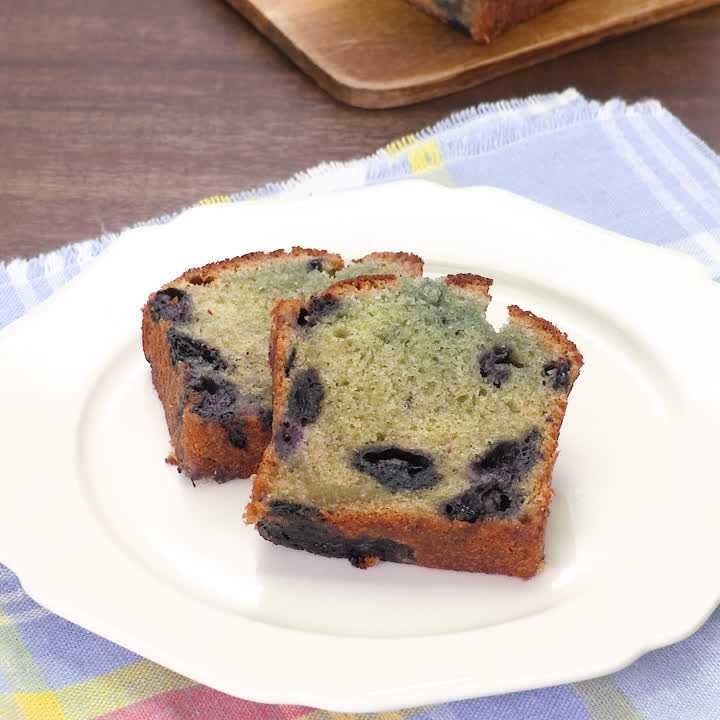
Japanese pancake mix, labeled commercially as hotcake mix, has transformed home baking across Tokyo, Seoul, and Western metropolitan test kitchens. Packaged in precise 150g and 200g sachets by legacy manufacturers like Morinaga and Showa, these premixed blends contain finely milled soft wheat flour, precise amounts of sugar, shortening powders, and balanced leavening agents. Yet when home cooks transition from griddle cakes to dense loaf pans, the formulation frequently revolts. Bakers pull loaves from the oven only to encounter a sunken base of burst purple berries, a tacky surface crust, and a pale, rubbery core.
(Source: [MSN: "[炊飯器ケーキ] ホットケーキミックスで作るブルーベリー ..."](https://www.msn.com/ja-jp/video/foodanddrink/%E7%82%8A%E9%A3%AF%E5%99%A8%E3%82%B1%E3%83%BC%E3%82%AD-%E3%83%9B%E3%83%83%E3%83%88%E3%82%B1%E3%83%BC%E3%82%AD%E3%83%9F%E3%83%83%E3%82%AF%E3%82%B9%E3%81%A7%E4%BD%9C%E3%82%8B%E3%83%96%E3%83%AB%E3%83%BC%E3%83%99%E3%83%AA%E3%83%BC%E3%83%81%E3%83%BC%E3%82%BA%E3%82%B1%E3%83%BC%E3%82%AD%EF%BD%9C%E3%81%97%E3%81%A3%E3%81%A8%E3%82%8A%E7%B0%A1%E5%8D%98%E3%83%AC%E3%82%B7%E3%83%94%E3%80%90hm%E3%81%A8%E3%82%AF%E3%83%AA%E3%83%BC%E3%83%A0%E3%83%81%E3%83%BC%E3%82%BA%E3%81%A7%E3%81%8A%E6%89%8B%E8%BB%BD%E3%82%B9%E3%82%A4%E3%83%BC%E3%83%84%E3%80%91/vi-AA1CT3ZZ))
Bridging the gap between quick-mix convenience and patisserie-quality structure requires understanding how commercial starches interact with heat and free water. As documented in a culinary breakdown from an MSN Report detailing simplified hotcake mix baking, shortcut baking still adheres to strict thermodynamic and structural principles. A slight recalculation of hydration, lipid choice, and fruit handling turns a sodden loaf into an airy, velvet crumb.
📌 Key Takeaways:
- Emulsion Chemistry: Commercial mixes are engineered for high-heat, brief-contact skillet cooking; transferring them into loaf pans requires a denser batter suspension to hold wet inclusions.
- Fruit Physics: Preventing sinking blueberries requires managing fruit skin condensation, deploying dry flour dredging, and staggering batter layers.
- Baking Thermodynamics: Sticky surfaces and undercooked bottoms stem from steam trapping and early sugar caramelization, solvable through lower shelf placement and calibrated tenting.
Why Japanese Pancake Mix Behaves Differently in Loaf Pans
Commercial Japanese hotcake mix differs significantly from Western pancake formulas. Western mixes lean heavily on baking powder, salt, and minimal sugar, requiring milk and eggs to generate flavor. Japanese hotcake mix incorporates fine granulated sugar, milk solids, and vanilla flavoring directly into the dry packet, paired with a controlled ratio of sodium bicarbonate and glucono delta-lactone. This proprietary blend achieves that distinct fluffy, soufflé-like skillet rise.
The problem arises in loaf pans. A pound cake requires an even, prolonged expansion of gluten and starch networks over 40 to 50 minutes. Because hotcake mix already contains active leavening agents calculated for rapid 3-minute griddle activation, an unmodified Japanese pancake mix ratio exposes the batter to early gas exhaustion. If the wet base contains too much milk, the batter collapses midway through baking.
Executing an effective batter density adjustment is critical. For a standard 150g sachet, home bakers often pour in the standard 100ml to 150ml of milk recommended for griddle pancakes. For a loaf cake, that hydration must drop to 30ml to 50ml of dairy liquid, relying primarily on eggs and fats to provide moisture. The raw batter must cling firmly to a spatula rather than run off in a ribbon. This increased viscosity provides mechanical support for heavier additions.
The Suspension Problem: Preventing Sinking Blueberries
Nothing ruins a fruit loaf faster than finding every berry welded into a mushy, purple stratum at the bottom of the tin. This issue occurs when the gravitational pull on dense, moisture-laden fruit outpaces the batter’s rate of heat-set coagulation.
The solution starts with the flour dredging technique. Blueberries carry a natural waxy cuticle that repels water-based batters. Tossing whole berries directly into the bowl causes the surrounding batter to slide off during early oven liquefaction, dropping the fruit straight down. Tossing berries in one teaspoon of reserved dry mix or cornstarch creates a microscopic barrier that adheres to the batter matrix.
Evaluating fresh vs frozen blueberries introduces another variable. Fresh blueberries offer superior structural rigidity. If using frozen berries, do not thaw them. Thawing ruptures cell walls, releasing internal juice that thins the batter and turns the crumb gray. Fold frozen berries into the batter straight from the freezer.
Bakers should also use a stratified pouring technique. Pour one-third of the plain batter into the base of the loaf pan before folding the dredged fruit into the remaining two-thirds. This creates a fruit-free foundation that sets early, keeping the berries suspended throughout the crumb.
Fat Profiles and Crumb Structure: Melted Butter vs Vegetable Oil
The choice of lipid dictates whether the cake finishes as a velvety loaf or a greasy, heavy brick. The debate between melted butter vs vegetable oil comes down to water content and crystallizing fats.
Butter contains roughly 16% to 18% water alongside dairy solids. When melted butter combines with hotcake mix, that water content activates wheat proteins, generating structural lift while dairy solids toast into a rich aroma. Oil, being 100% lipid, coats flour proteins thoroughly, hindering gluten networks. This promotes maximum crumb moisture retention and keeps the crumb soft for days, but it lacks the structural stiffness needed to support heavy fruit additions.
A hybrid approach delivers the best result: 35g of unsalted butter melted and cooled, paired with 15g of neutral oil (such as rice bran or canola). This blend captures butter’s aromatic lift while oil prevents crumb staling over 48 hours.
| Lipid / Mixing Strategy | Structural Stability | Moisture Retention (Day 3) | Fruit Suspension Efficacy |
|---|---|---|---|
| 100% Melted Butter (50g) | Firm, classic pound cake crumb | Moderate; firms when chilled | High; batter sets rapidly |
| 100% Vegetable Oil (45g) | Fragile, tender, chiffon-adjacent | Very High; remains glossy | Low; berries drift toward bottom |
| Hybrid (35g Butter + 15g Oil) | Balanced, cohesive, elastic | High; stays soft at room temp | Optimal; stable middle suspension |
| Ice Cream Base Shortcut (150g Mix + Pint) | Dense, custard-like crumb | High; heavy sugar content | Moderate; needs cold fruit |
As highlighted in culinary tests by livedoor and MSN throughout 2025 and 2026, combining premixed dry goods with rich dairy products, like softened ice cream or grated hard cheeses, creates reliable emulsion shortcuts. However, balancing these additions against total free water remains essential for a light, even crumb.
Eliminating the Sticky Cake Top and Gummy Center
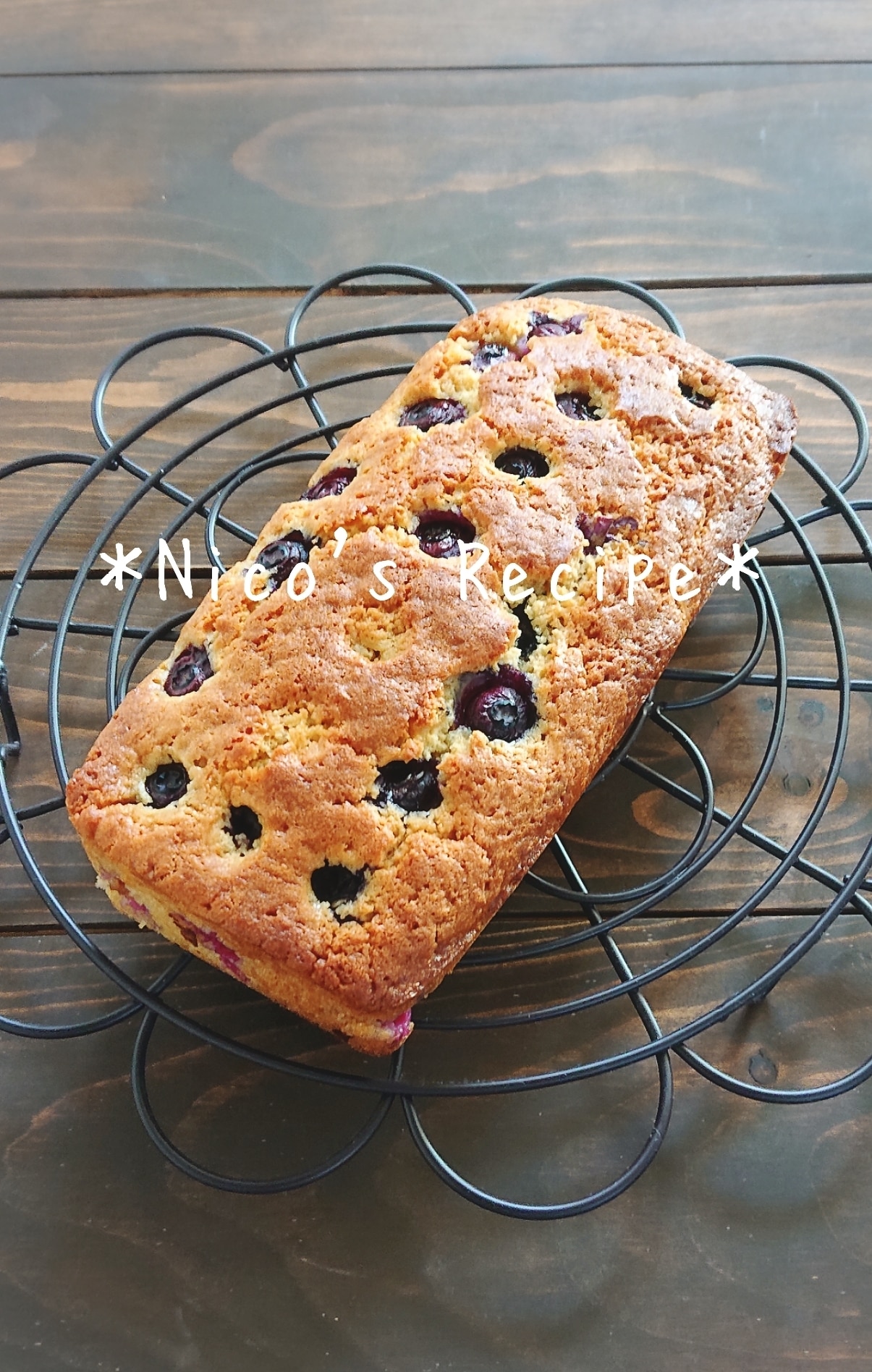
Many home bakers remove their loaf from the oven, let it cool, and discover the top crust has turned into a damp, sticky film that tears away on contact. This frustrating defect stems from trapped steam and hygroscopic sugars. Japanese hotcake mix incorporates fine sugars that draw ambient humidity to the surface as the cake cools.
Achieving sticky cake top prevention requires adjusting both the loaf pan baking temperature and post-bake airflow. Bake at 170°C (340°F) for the initial 18 to 22 minutes. Once the surface forms a central split, tent a sheet of aluminum foil over the pan. This shields the sugar from scorching while allowing the cake to finish baking through its center for another 18 to 22 minutes.
Check doneness with a skewer:
- Pierce the thickest part of the loaf with a clean wooden skewer.
- If wet batter or raw starch clings to the wood, return the loaf to the oven for 4-minute increments.
- The loaf is fully baked when the skewer emerges with just a few dry crumbs attached.
Remove the cake from its tin within 7 minutes of leaving the oven. Leaving the loaf in the hot pan traps condensing steam along the sides and bottom, producing a wet, gummy layer. Transfer it directly to an elevated wire cooling rack to let heat escape evenly from all surfaces.
Alternative Techniques: The Rice Cooker Method and Cream Cheese Variations
Ovens are not the only way to bake a balanced loaf. The rice cooker baking method has gained strong traction across small-footprint kitchens, as detailed in recent Japanese home-cooking features.
A standard induction rice cooker operates as a sealed, low-temperature steam oven. Coat the nonstick inner bowl lightly with butter, pour in the prepared hotcake batter, and run a standard white-rice cycle. The enclosed steam preserves hydration without drying out edges. However, rice cookers trap rising moisture, meaning berries can create localized wet spots if added whole. To counter this, reduce dairy liquids by 15% and arrange the berries across the top third of the batter.
Adding a cream cheese swirl variation balances the natural sweetness of hotcake mix. Soften 60g of cream cheese, whisk it with 10g of sugar and a splash of lemon juice, and dollop it over the batter before baking. Drag a chopstick through the surface to create a marbled pattern. The acidity of the cheese cuts through the sugar, while its proteins set into a firm, creamy contrast against the juicy fruit.
Frequently Asked Questions (FAQ)
Q1: Why did the blueberries in my loaf cake burst and discolor the crumb?
A1: Thin-skinned blueberries burst when heated past their boiling point inside the batter. Excess stirring also tears fruit skins. To preserve whole berries, use firm fruit, fold gently with a wide silicone spatula, and avoid thawed frozen berries that have already released free juice.
Q2: Can I substitute Greek yogurt or sour cream for milk when mixing?
A2: Yes. Substituting milk with equal weights of plain Greek yogurt improves crumb stability. Yogurt contains lactic acid, which strengthens the batter matrix, tightens protein coagulation, and provides a pleasant tang that balances the vanilla sweetness of Japanese mix.
Q3: How long does a pancake mix blueberry loaf stay fresh at room temperature?
A3: Because of the high sugar and fat content in the hybrid base, the loaf retains optimal texture for 48 hours in an airtight container at room temperature. If your kitchen is warm or humid, refrigerate after 24 hours to prevent fruit fermentation, warming individual slices before serving.
Calibrating Convenience and Craft in Modern Baking
Japanese hotcake mix bridges the gap between convenience and consistent results. While purists argue for measuring flour, starch, and leavening agents from scratch, commercial mixes streamline the process without sacrificing quality. The key is recognizing that these blends require recipe adjustments when moving from griddles to cake tins.
By cutting excess milk, using a hybrid butter-and-oil fat blend, dredging whole berries in starch, and letting the loaf cool on an elevated rack, you bypass the common issues of gummy centers and fallen fruit. A sachet of hotcake mix transforms into a clean, golden loaf with vibrant berries held neatly in place. Accurate measurements and careful temperature control turn everyday pantry staples into reliable bakery favorites.