Why Chefs Are Ditching Tomato Sauce for Mentsuyu in Bacon Mushroom Pasta
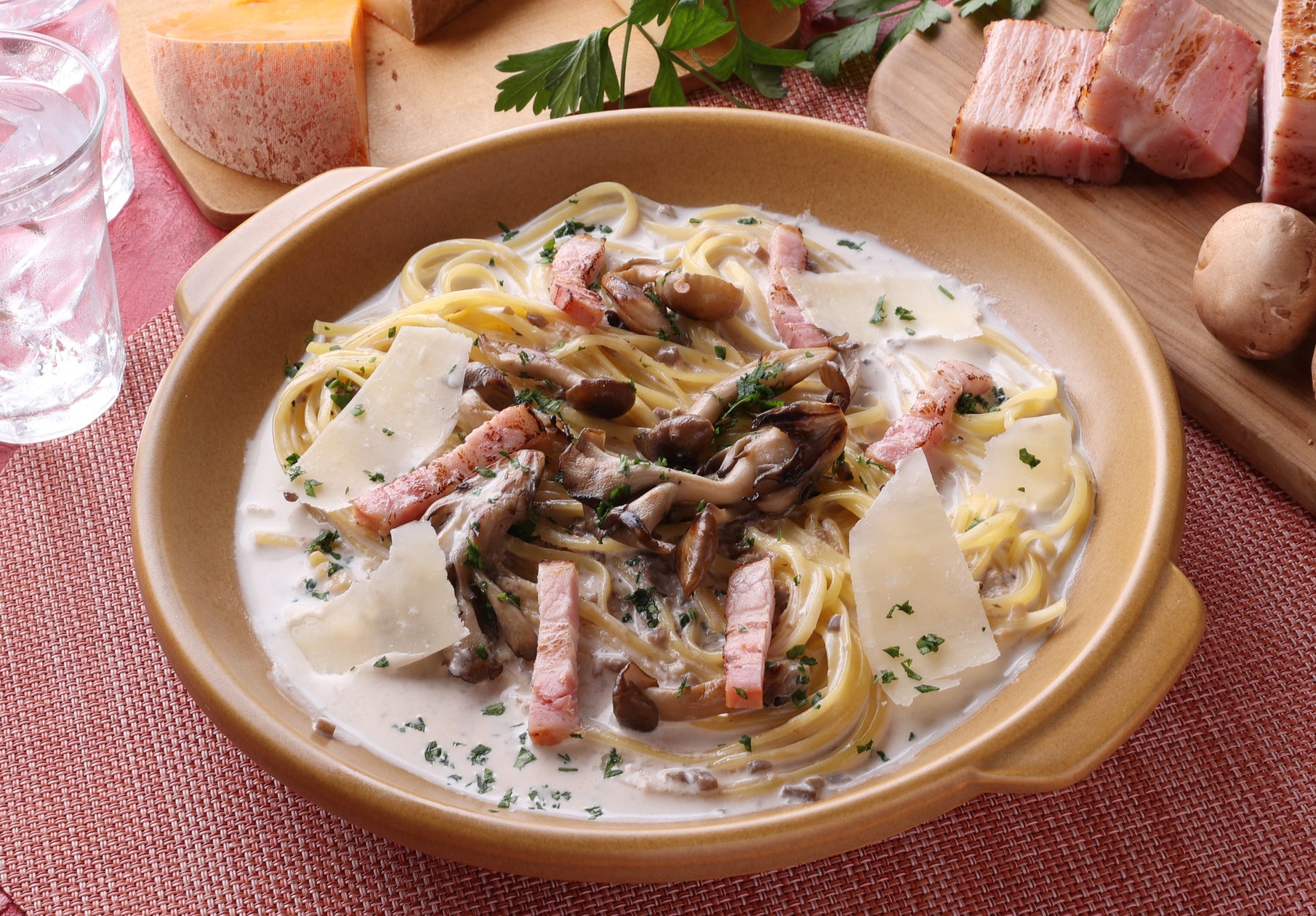
Home kitchens across Japan have quietly abandoned slow-simmered tomato bases and heavy dairy creams in favor of an unexpected pantry staple: mentsuyu. This concentrated noodle soup base, distilled from bonito flakes, kombu kelp, mirin, and Japanese soy sauce, has turned the classic bacon and mushroom skillet into one of the most popular 15-minute weeknight dinners in modern Japanese cooking. While high-end chains like SPALA continue testing seasonal mushroom combinations across metropolitan hubs, as highlighted in a recent PR TIMES Report on autumn pasta trends, home cooks have moved toward simpler, high-speed stovetop mechanics.
The appeal comes down to practical execution. Rather than spending forty minutes reducing crushed tomatoes or monitoring heavy cream to prevent separation, cooks splash mentsuyu directly into rendering bacon fat and mushrooms. When whisked with a splash of starchy pasta water and cold butter, the sauce emulsifies in under twenty seconds, coating long noodles in a savory, balanced glaze that leaves pans remarkably easy to clean.
📌 Key Takeaways:
- The Method: Concentrated Japanese dashi soup base (mentsuyu) replaces simmering sauces, cutting total pan time down to under four minutes once noodles finish boiling.
- The Biochemical Trigger: Combining the inosinate in cured pork, guanylate in wild mushrooms, and glutamate in bonito-kelp soy sauce produces exponential umami synergy.
- The Essential Technique: Cold butter and starchy pasta cooking water combine with dashi concentrate to form an instant, glossy pan emulsion without cream.
The Fast Evolution of Wafu Pasta in Home Kitchens
Wafu pasta, literally "Japanese-style pasta", originated in Tokyo during the 1950s at restaurants like Kabenoana, where chefs first experimented with topping Italian spaghetti with tarako (pollock roe), pickled plum, and soy sauce. What started as an experimental post-war fusion gradually settled into standard domestic practice throughout the 1980s and 1990s. As commercially bottled mentsuyu became ubiquitous in Japanese supermarkets, home cooks realized that the balanced liquid base was essentially an instant seasoning concentrate for pan-fried noodles.
Instead of building a dashi broth from scratch using dried kelp strips and shaved katsuobushi flakes, bottled mentsuyu packs savory depth, balanced sugar, and brewed soy sauce into a shelf-stable bottle. When paired with salty cured pork and forest mushrooms, it bridges the gap between classic Italian pan-tossing techniques and East Asian flavor foundations. The method eliminates minced onions, wine reductions, and spice blends, relying instead on a precise balance already established inside the condiment bottle.
The Umami Chemistry of Pork, Fungi, and Dashi
The culinary effectiveness of bacon and mushroom mentsuyu pasta is rooted in flavor chemistry rather than convenience alone. Food scientists identify three distinct compounds responsible for savory perception: free glutamate, inosinate, and guanylate. When consumed in isolation, each creates a modest savory signal on human taste receptors. When mixed, they trigger a multiplicative reaction known as umami synergy, amplifying perceived savory intensity up to eight times.
Crispy bacon lardons supply dense concentrations of inosine monophosphate (inosinate), derived from cured muscle meat. Cultivated Japanese mushrooms, specifically shimeji, maitake, and king trumpet varieties, release high volumes of guanosine monophosphate (guanylate) once their cell walls break down under direct skillet heat. Mentsuyu completes the biochemical triad by providing abundant monosodium glutamate through kombu sea kelp and fermented soy sauce. The result is a profile that tastes far richer than its minimalist ingredient list suggests, without needing thirty minutes of stove time.
Comparing Weeknight Pasta Flavor Profiles and Cook Times
Understanding why cooks increasingly reach for dashi concentrates over traditional Western pan sauces requires looking at practical kitchen metrics. The table below details how mentsuyu-based sauce stacks up against classic weeknight tomato marinara and Alfredo-style cream reductions.
| Sauce Architecture | Active Pan Time | Primary Umami Compound | Emulsifying Mechanism |
|---|---|---|---|
| Mentsuyu Butter Pan Glaze | 3, 4 minutes | Glutamate + Inosinate + Guanylate (Synergistic triad) | Pasta water starch + Cold dairy butter fat |
| Quick Garlic Marinara | 18, 25 minutes | Free glutamate (Tomato pulp only) | Tomato pectin reduction + Olive oil |
| Heavy Cream Mushroom Sauce | 12, 16 minutes | Lactic glutamate + Cured meat inosinate | Milk protein network + High butterfat reduction |
Mastering the Butter-Soy Emulsion Technique
The defining technical step of wafu pasta is creating a cohesive glaze, known in Japanese professional kitchens as bata-shoyu (butter-soy). Liquid mentsuyu cannot coat dry pasta noodles by itself; poured straight onto spaghetti, it sinks to the bottom of the bowl like broth. To prevent this, cooks borrow the Italian method of mantecatura, using mechanical agitation and fat binding.
As spaghetti boils in heavily salted water, bacon strips crisp in an un-oiled skillet. The rendered pork fat provides the initial hydrophobic medium. Once mushrooms soften in that rendered fat, cooks ladle 60 milliliters of cloudy pasta cooking water directly into the hot pan alongside two tablespoons of concentrated mentsuyu. The dissolved amylose starch in the pasta water acts as a natural emulsifying agent.
Taking the pan off active burner heat is vital before dropping in cold dairy butter. Shaking the pan in circular motions forces the cold butter fats to disperse into micro-droplets throughout the water-and-dashi base. The liquid thickens into a glossy, amber-tinted coating that clings tightly to every strand of pasta without feeling greasy or heavy on the palate.
Selecting and Cooking Fungi for Maximum Surface Browning
The texture of a mushroom-focused pasta depends heavily on fungi selection and moisture control. Button mushrooms release excessive liquid when sliced thin, often turning rubbery instead of crisp. Japanese home cooks favor a mixture of shimeji (beech mushrooms) and maitake (hen-of-the-woods), occasionally rounding out the pan with king oyster (eryngii) or fresh shiitake.
Maitake features thin, frilled edges that crisp rapidly against rendered bacon fat, delivering a charred, woodsy aroma. Shimeji stems stay snappy and resilient even after soaking up the pan glaze. To maximize caramelization, the mushrooms should never be washed underwater; surface moisture drops pan temperatures instantly and steams the fungi. Trimming the root clusters and separating the mushroom caps by hand preserves their structural texture. Cooks let them sit undisturbed in hot bacon fat for two full minutes before tossing, letting the edges turn golden brown before introducing any liquid.
Troubleshooting Ratios and Off-the-Shelf Substitutes
Bottled mentsuyu comes in several concentration tiers, usually labeled clearly on the packaging: straight (straight-use dipping sauce), 2x concentrate (ni-bai nōshuku), and 3x concentrate (san-bai nōshuku). Misreading these labels is the primary cause of over-salted or bland pasta dishes.
For a standard single portion of dried spaghetti (roughly 100 grams dry weight):
• If using 2x concentrate: Use 1.5 to 2 tablespoons straight into the skillet with 3 to 4 tablespoons of pasta cooking water.
• If using 3x concentrate: Cut back to 1 generous tablespoon, offsetting the higher salinity with extra pasta water.
• If using Straight (1x) mentsuyu: Simmer 3 to 4 tablespoons slightly in the rendered bacon fat before tossing in the cooked noodles.
If commercial mentsuyu is unavailable, a reliable kitchen substitute requires only basic Asian pantry items. Whisk one tablespoon of regular Japanese soy sauce with one teaspoon of sweet mirin, a half-teaspoon of granulated dashi powder (hon-dashi), and a tiny pinch of white sugar. This quick blend replicates the fermented depth, light sweetness, and smoky fish notes characteristic of commercially brewed soup bases.
Frequently Asked Questions (FAQ)
Q1: Can Western-style smoked bacon be used, or is Japanese unsmoked bacon required?
A1: Both work well, but standard American or European smoked bacon brings a pronounced wood-smoke note that can overpower subtle forest mushrooms like shimeji. Thick-cut, unsmoked bacon or Italian pancetta yields a cleaner flavor profile that allows the brewed dashi and butter to lead.
Q2: Why does the sauce turn watery instead of thick and glossy?
A2: A watery sauce indicates either insufficient pasta water starch or cooking at temperatures that are too hot. Boiling water aggressively after adding cold butter breaks the emulsion, causing the fats to separate. Take the pan off direct flame before incorporating cold butter and swirl continuously until the sauce thickens.
Q3: What are the best garnishes to finish this dish?
A3: Fine shreds of roasted nori seaweed (kizami nori) add crisp texture and another layer of marine umami. Finely chopped green scallions, fresh shiso leaves, or a moderate pinch of coarse black pepper help cut through the rich butter and rendered pork fat.
A Smarter Baseline for Fast Weeknight Pasta
The rise of mentsuyu in mushroom and bacon pasta points to a practical shift in modern cooking: relying on concentrated, multifunctional ingredients to bypass long reduction steps. By combining cured pork, wild fungi, and sea dashi, cooks hit the upper limits of savory intensity without relying on flour thickeners or heavy dairy. Master this quick pan emulsion once, and it quickly becomes clear why this Japanese stovetop staple continues to replace traditional cream sauces on busy weeknights.