Pigeon Bonyu Jikkan Nursing Bottle Guide: Glass vs. Plastic, Sizing Chart, and Emergency Compatibility
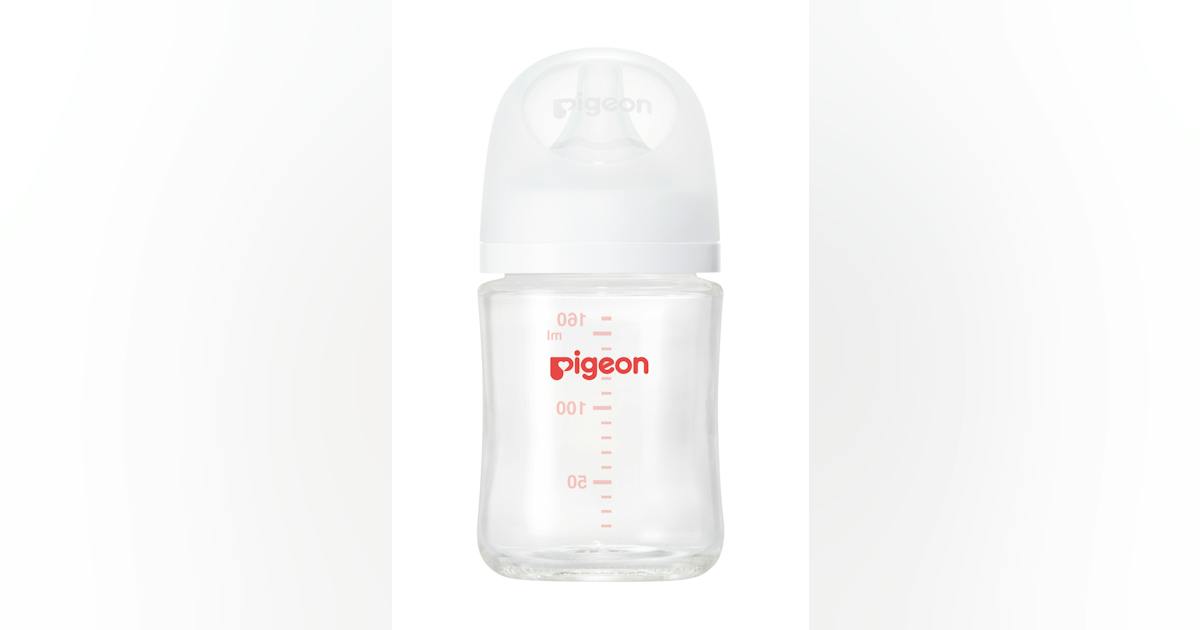
For parents navigating the delicate boundary between direct breastfeeding and bottle supplementation, few nursery items command as much clinical confidence as the Pigeon SofTouch Bonyu Jikkan nursing bottle. Developed in Japan and widely adopted across Asian hospital nurseries, the brand name translates literally to "real breast sensation", a nod to its decades of research into infant suckling dynamics. Yet escalating supply chain costs across high-grade materials have reshaped the brand's pricing structure, as detailed in an early logistics assessment by the 日本経済新聞 Report on wholesale adjustments across hundreds of baby care lines.
Despite steady retail adjustments continuing through the mid-2020s, the system remains a gold standard for resolving infant bottle refusal and colic symptoms. Successfully managing a Bonyu Jikkan feeding regimen requires an unvarnished look at material performance, flow mechanics, and recent disaster-readiness adaptations designed to simplify infant nutrition under unpredictable circumstances.
📌 Key Takeaways:
- Biomechanical Latch: The 3rd-generation wide-neck bottle design integrates an intuitive latch-on line and a textured peristaltic movement nipple that replicates maternal areolar elasticity to safeguard mixed feeding routines.
- Material Trade-offs: Heat-resistant borosilicate glass delivers chemical neutrality and rapid warming at home, while polyphenylsulfone (PPSU) plastic bottles eliminate shatter hazards during daily travel.
- Emergency Integration: Specialized adapters allow standardized Bonyu Jikkan nipples to screw directly onto Meiji Hohoemi liquid milk cans, eliminating the need for bottle transfers in emergency or transit settings.
The Biomechanics Behind the Peristaltic Movement Nipple
Most commercial bottle nipples collapse under forceful suction. When an infant feeds from a human breast, the tongue performs a smooth, wave-like muscular squeeze termed peristaltic movement. Standard cylindrical silicone tips force an infant to adopt an unnatural, biting motion that can disrupt milk extraction at the breast. Pigeon tackled this mechanical disconnect by analyzing ultrasound scans of nursing infants across more than six decades.
The resulting SofTouch nipple features an asymmetrical thickness profile. The silicone tip is supple enough to compress against the baby's hard palate, while the broad, sloping base provides sufficient firm counter-pressure to support outward-flanged lips. To guide parents, Pigeon added a subtle visual latch-on line to the exterior mold. Positioning the infant’s lower lip along this boundary ensures that the mouth maintains an optimal 140-degree wide latch.
Aeration balance sits at the core of the collar assembly. A dedicated anti-colic air valve, a precision-cut slit on the outer rim of the silicone flange, equalizes internal vacuum pressure as liquid leaves the chamber. If milk flow stalls or the nipple flattens during continuous drinking, checking this valve for milk fat blockages generally resolves the issue immediately.
Material Duel: Heat-Resistant Borosilicate Glass vs. PPSU Plastic
Choosing between glass and plastic is rarely a matter of aesthetic preference. The choice influences daily sanitization cycles, milk warming times, and travel safety. Pigeon manufactures Bonyu Jikkan containers in two primary materials: heat-resistant borosilicate glass and medical-grade polyphenylsulfone (PPSU plastic bottle).
Borosilicate glass remains the preferred option for early infancy at home. Non-porous and naturally scratch-resistant, glass resists milk grease build-up and will not cloud over hundreds of high-temperature sterilization cycles. It also provides superior thermal conductivity: a chilled bottle submerged in warm water reaches feeding temperature up to 40% faster than plastic. The clear downside is mass. A 240ml glass bottle weighs roughly 210 grams empty, making it tiring for protracted night feeds and dangerous once an infant starts swatting at the vessel.
PPSU bridges the gap for mobile feeding. Recognizable by its natural honey-amber tint, PPSU contains zero BPA, BPS, or endocrine disruptors. It withstands continuous thermal exposure up to 180°C without structural deformation. Weighing barely 40 grams, it survives drops onto ceramic tile that would shatter borosilicate. However, PPSU remains susceptible to micro-abrasions from abrasive bottle brushes, which can trap milk proteins and necessitate replacement every 6 to 12 months under heavy rotation.
The SofTouch Nipple Flow Size Matrix
Matching the nipple flow rate to an infant's oral muscle tone prevents both coughing from liquid overload and fatigue from insufficient yield. Pigeon categorizes its nipples by developmental milestones rather than strict calendar age, relying on distinct orifice geometries.
| Size Code | Hole Geometry | Target Age Window | Flow Dynamic & Purpose |
|---|---|---|---|
| SS | Round Hole (Pinpoint) | 0, 4 Weeks | Passive release; limits choking in fragile newborns and low birthweight infants. |
| S | Round Hole (Standard) | 1, 3 Months | Steady low-resistance drip for infants building initial suction cadence. |
| M | Y-Cut (Cross Slit) | 3, 6 Months | Demand-driven flow; opening expands only when the infant compresses the tip. |
| L | Y-Cut (Wide Cross) | 6, 9 Months | Accelerated volume for established drinkers completing feeds within 10, 15 minutes. |
| LL | Y-Cut (Reinforced) | 9, 15 Months | Accommodates thicker liquids and strong jaw suction without nipple collapse. |
| 3L | Y-Cut (Maximum Aperture) | 15+ Months | High-volume transition stage toward open cups or straw drinking. |
A change in size is warranted if an infant takes longer than 20 minutes to finish a standard serving, shows irritability during feeds, or flattens the nipple tip through aggressive compensatory suction.
Emergency Preparedness: The Meiji Hohoemi Direct-Can Interface
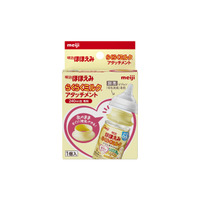
Japan's regulatory approval of ready-to-feed liquid infant formula opened up critical new pathways for disaster relief and travel convenience. A major operational milestone occurred when dairy giant Meiji launched a dedicated attachment for its canned "Meiji Hohoemi Raku Raku Milk" line. The threaded adapter converts standard steel formula cans into immediate nursing systems.
Instead of requiring a clean bottle to pour the liquid into, a process that introduces pathogen contamination risks when clean water is unavailable, the adapter locks over the can's pull-tab rim. A standard Pigeon Bonyu Jikkan collar and nipple then screw directly onto the adapter. This mechanical interoperability provides peace of mind for family disaster kits across seismic regions.
In addition to disaster readiness, Pigeon expanded visual customization through the "My Bonyu Jikkan" line. Parents can mix and match six bottle bodies, five hoods, and five threaded rings to yield 150 visual configurations. While aesthetic on the surface, distinct color-coding prevents accidental cross-contamination in homes with multiple formula-fed infants.
Sterilization Protocols and Material Longevity
Maintaining hygienic feeding gear involves strict temperature control. Pigeon Bonyu Jikkan assemblies accommodate steam, boiling, and chemical immersion sterilization without structural breakdown.
Boiling water remains the most accessible global method. Submerging disassembled parts in a rolling boil for 3 to 5 minutes cleans effectively, though prolonged contact with hot pan walls will melt PPSU collars. Cold-water chemical baths using sodium hypochlorite tablets (such as Milton solution) offer an alternative that preserves plastic clarity over months of use. Wash items thoroughly with mild detergent to strip milk fats before immersion, as residual lipids shield bacteria from chemical disinfectants.
Silicone nipples require proactive replacement. Pigeon rates its food-grade silicone for roughly 2 months of continuous use across a two-nipple rotation. Discard nipples immediately if you notice tears around the anti-colic slit, an opaque chalky film, or a sticky surface texture caused by lipid degradation.
Supply Realities, Price Adjustments, and Counterfeits
The global reputation of the Bonyu Jikkan system has made it a frequent target for gray-market exports and counterfeit manufacturing. At the same time, Pigeon has adjusted prices across multiple domestic and international catalogs to keep pace with raw materials and energy expenses.
Japanese market data released by Jiji Press showed comprehensive price adjustments touching 243 baby items, reflecting increases of up to 36%. For example, the core 240ml heat-resistant borosilicate glass bottle climbed from 2,860 yen to 2,970 yen retail. This commercial pressure makes identifying authentic stock critical.
Authentic Pigeon Bonyu Jikkan units feature razor-sharp, heat-stamped volumetric measurements that will not peel during sterilization. The inner rim of the silicone nipple features an embossed manufacturing date code alongside the Pigeon corporate logo. Counterfeit versions typically exhibit uneven mold seams along the flange edge, flimsy silicone that collapses instantly, and strong chemical odors upon opening the box.
Frequently Asked Questions (FAQ)
Can I use 3rd-generation SofTouch nipples with older 2nd-generation Bonyu Jikkan bottles?
Yes. The wide-neck collar threading remains cross-compatible between 2nd-generation and 3rd-generation Bonyu Jikkan bottles. However, pairing a 3rd-generation collar with a 3rd-generation nipple ensures optimal venting alignment for the anti-colic air valve.
Why does the nipple cave in while my baby is drinking?
Inverted nipples usually indicate either a blocked anti-colic air valve or an undersized flow rate. Gently massage the air valve slit on the rim between two fingers to release any dried milk proteins. If the valve is clear, your baby's suction strength may have outgrown that specific nipple size, signaling it is time to move up.
Are UV bottle sterilizers safe for Pigeon PPSU bottles?
While UV sterilizers effectively kill bacteria, prolonged exposure to high-intensity ultraviolet light accelerates the cosmetic yellowing and micro-brittleness of both PPSU plastic and silicone nipples. Pigeon recommends steam or chemical soaking as the primary methods to maximize component lifespans.
Strategic Takeaways for Nursery Planning
Building an effective infant feeding rotation centers on matching equipment to developmental realities rather than accumulating redundant gear. For most families, a balanced starter inventory consists of two 160ml borosilicate glass bottles for the newborn stage at home, paired with two 240ml PPSU bottles reserved for day trips and eventual self-feeding.
Keep a surplus of two properly sized nipples on hand to allow immediate rotation when wear appears. If your emergency plan includes shelf-stable formula, keeping a compatible liquid-milk can adapter packed alongside clean nipples guarantees a safe feeding option when power or running water is cut off. Careful sizing and correct sanitization allow the Bonyu Jikkan system to serve as a reliable bridge between maternal nursing and bottle autonomy.