Pony Cleaning Deluxe vs Standard: Side-by-Side Visual Comparison
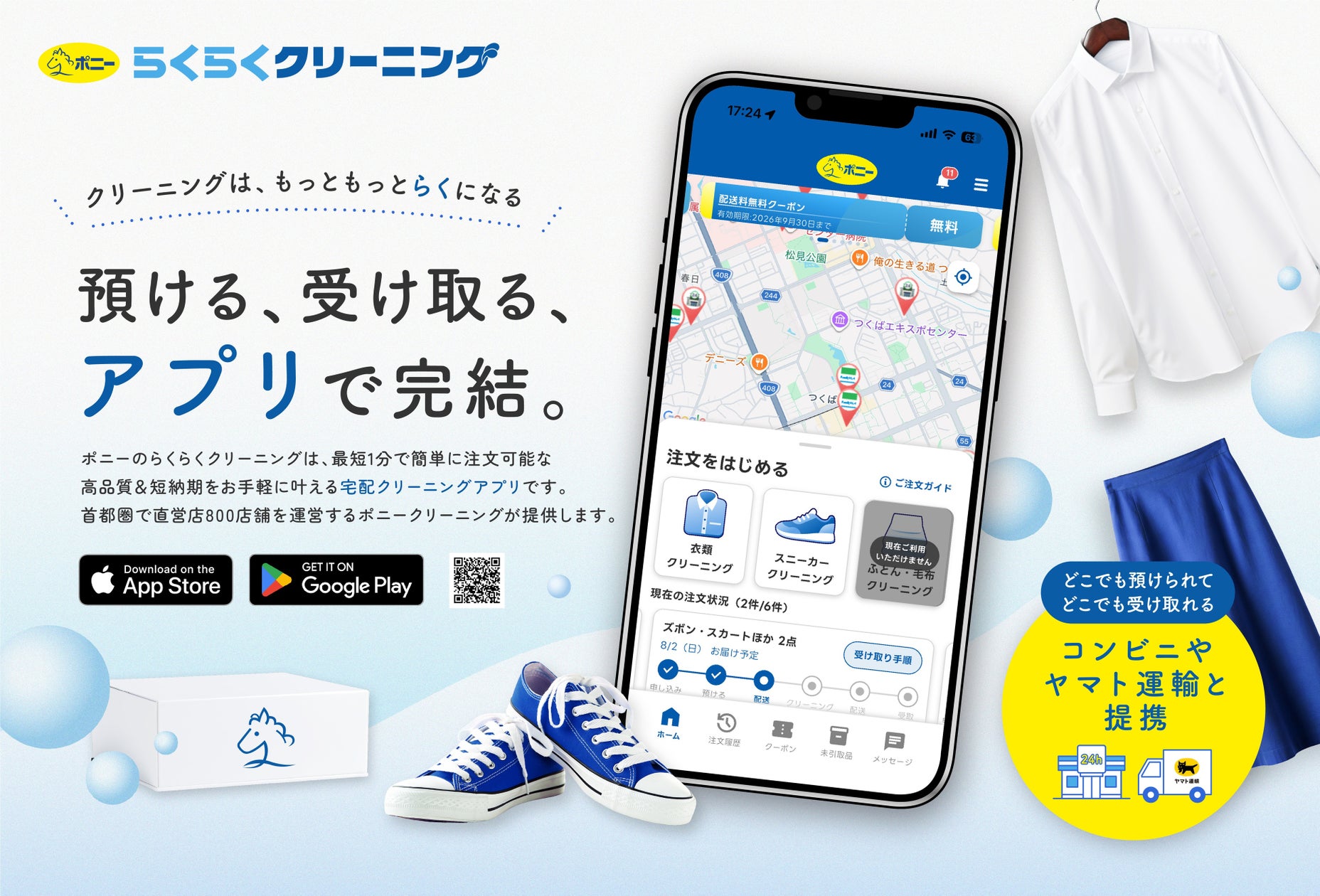
Every dry-cleaning customer in Japan faces the same counter choice: accept the baseline service or pay roughly double for the upgraded tier. Operated by **Hodaka Co Ltd** (穂高株式会社), which runs over **800 locations and 20 centralized regional plants** across Greater Tokyo and the Chukyo metropolitan region, Pony Cleaning processes millions of garments each season. As the chain broadens access through a newly introduced 24-hour convenience store drop-off and home delivery network detailed in a recent PR TIMES Report, the price gap between its Standard and Deluxe finishes has sparked intense debate among consumers. The central question remains practical: does the visual and structural result justify the higher bill?
📌 Key Takeaways:
- The Real Difference: Deluxe dry cleaning replaces automated tunnel presses with dedicated hand-finished garment pressing, custom stain pre-treatments, and breathable non-woven storage covers.
- The Value Threshold: Wool suits, bespoke blazers, delicate silk blouses, and premium down coats show immediate structural benefits from the Deluxe process, while everyday synthetic blends and work shirts gain little.
- Storage Longevity: The breathable garment cover supplied with the Deluxe tier includes built-in anti-mold and mothproofing agents, eliminating the need to unwrap clothes before closet storage.
The Factory Assembly Line Versus the Artisan Station
To understand what happens to your clothes, you have to look past the neighborhood storefront and examine Hodaka's high-volume processing facilities. In the Standard workflow, speed drives every step. Batches of jackets and trousers move through industrial dry-cleaning drums loaded with standard solvent mixtures. Once extracted, garments ride conveyor rails directly into automated pneumatic form-presses. Blasts of high-pressure steam inflate and stretch the cloth against curved metal plates for ten to fifteen seconds. For off-the-rack polyester suits and synthetic blend trousers, this mechanical sequence produces clean, wearable garments at minimum expense.
The **Pony Cleaning deluxe course** breaks away from this high-speed conveyor track. Rather than running through shared wash cycles with mixed fabrics, Deluxe items are sorted into smaller, fabric-specific batches. Solvents are distilled more frequently to remove microscopic oil residues that dull pale colors over time. Technicians conduct an individual spot inspection before washing, targeting collar grime, wrist oils, and localized food spots with specialized solvent spotting guns. Instead of letting an automated steam dummy shape the silhouette, a veteran presser finishes the piece manually on a vacuum utility board, controlling heat and moisture to protect the structural canvas inside jacket lapels.
Collar Crispness, Fabric Sheen, and the Visual Field Test
Place two dark navy wool jackets side by side, one processed on Standard, one on Deluxe, and the differences emerge immediately. On the Standard garment, the automated chest clamp flattens the lapel into an unnatural, razor-sharp fold. This mechanical crushing destroys the gentle three-dimensional "roll" engineered into bespoke or canvassed suiting. On the Deluxe garment, the artisan hand-steams the lapel from underneath, letting the wool curve naturally toward the top button without crushing the inner horsehair chest piece.
Fabric sheen reveals an even sharper contrast. Standard pneumatic pressing applies flat, high-heat metal plates directly against wool fibers. Over three or four consecutive cleanings, this friction crushes the raised fiber scales, creating an unsightly glassy shine along pocket flaps, elbow creases, and trouser seats. The Deluxe course relies on open iron shoes and foot-pedal suction, lifting the wool fibers while exhausting moisture instantly. Natural fibers maintain their matte texture and soft surface nap. The difference is stark on cashmere, mohair, and fine merino, where mechanical pressing strips away the fabric's dimensional warmth.
| Garment Category | Standard Course Process | Deluxe Course Process | Typical Price Difference |
|---|---|---|---|
| Men's Business Jacket | Automated steam dummy; fast mechanical lapel press; vinyl bag | Hand iron shaping; rolled lapels; shoulder pad alignment; non-woven cover | ¥900, ¥1,100 (Standard) vs. ¥1,700, ¥2,200 (Deluxe) |
| Cashmere Knit / Sweater | Batch dry clean; flat-bed steam drying; basic plastic sleeve | Gentle solvent cycle; dimensional resizing; mothproofing treatment | ¥700, ¥900 (Standard) vs. ¥1,300, ¥1,800 (Deluxe) |
| Down Winter Jacket | Standard tumble wash; rapid drum lofting; plastic wrap | Feather clumping inspection; water-repellent dip; breathable hanging bag | ¥2,500, ¥3,200 (Standard) vs. ¥4,500, ¥5,800 (Deluxe) |
| Silk Blouse / Dress | Not recommended by desk staff; basic cycle if accepted | Dedicated mesh bag; hand spot treatment; low-temp air finish | ¥1,100, ¥1,400 (Standard) vs. ¥2,200, ¥3,000 (Deluxe) |
The Packaging Trap: Why the Protective Cover Matters
Dry-cleaning packaging causes significant seasonal damage in humid domestic closets. When garments return from a Standard cleaning, they arrive encased in clear, non-porous polyethylene film. Leaving clothes inside this plastic wrap traps residual solvent moisture and ambient humidity. Over several months, trapped dampness attracts mold spores, degrades synthetic shoulder pads, and causes musty odors. Responsible cleaners advise customers to tear off standard plastic immediately upon returning home.
The Deluxe tier solves this problem entirely. Garments return enclosed in a hybrid protective cover made from non-woven polypropylene fabric on the front and breathable paper backing. This design lets trapped air escape while shielding the garment from dust particles and sunlight exposure. Even better, the Deluxe cover is treated with active **anti-mold and mothproofing** agents. Customers can hang the garment directly into their wardrobe for off-season storage without buying aftermarket garment bags or chemical closet strips.
Stain Removal Protocols and Delicate Fiber Science
Standard counter intake treats spot cleaning as a basic pass-fail mechanism. If a stain does not lift during normal drum agitation, the garment returns to the customer with an informational paper tag stating the mark could not be removed safely. Standard pricing does not cover the labor-intensive chemical spotting needed to break down complex tannins, wine acids, or aged sebum.
Deluxe processing includes methodical spot treatment. Trained technicians test fiber stability before applying sequential chemical reagents. Protein stains like blood or sweat receive enzymatic baths, while oils and cosmetics are dissolved using ultrasonic spotting guns that dislodge pigments without abrading the cloth weave. For items requiring **cashmere and silk preservation**, the plant restricts mechanical agitation, using net bags and lower drying temperatures to prevent fiber shrinkage, surface pilling, and silk fibril breakage.
When to Pay Double and When to Walk Away
Choosing between tiers comes down to garment value, construction quality, and fabric composition. Upgrading everything wastes household budget, while using budget services on luxury garments ruins expensive tailoring.
Send to Standard: Everyday corporate business suits made from polyester or blended wool (under 50% wool content), mass-market cotton trench coats, synthetic office skirts, and casual machine-washable sweaters. These pieces feature glued interlinings that withstand mechanical pressing, and their fabrics resist the friction wear that damages delicate fibers.
Upgrade to Deluxe: Any suit jacket featuring a floating canvas chest piece, luxury outerwear brands like Moncler or Tatras using down feather mixes, 100% cashmere knits, raw silk items, and garments intended for long-term seasonal storage. For high-end down coats, the dedicated **down jacket cleaning course** included within the Deluxe framework prevents feather matting, redistributes loft evenly, and restores the exterior shell's water-repellent barrier.
Frequently Asked Questions (FAQ)
Q1: Can I leave the Pony Cleaning Standard plastic cover on my clothes in the closet?
A1: No. Standard clear plastic traps residual chemical solvents and natural humidity, creating an ideal environment for yellowing and mold growth. Standard bags must be removed immediately. Only the breathable non-woven Deluxe covers are safe for long-term closet storage.
Q2: How much more does the Deluxe course cost compared to Standard?
A2: Across most item categories at Pony Cleaning, the Deluxe course costs roughly 1.8 to 2.2 times the base Standard price. For instance, a basic jacket costing around ¥1,000 under the Standard rate will cost between ¥1,800 and ¥2,200 under the Deluxe service tier.
Q3: Does the Deluxe tier guarantee that old, stubborn stains will disappear?
A3: Deluxe includes advanced hand-spotting treatments, but it does not guarantee complete removal of oxidized stains that have set into the fiber core for months. If spot removal risks lifting dye or fraying fine silk, technicians will stop to protect fabric integrity.
Making the Right Counter Choice
The choice between Pony Cleaning's service tiers comes down to structural engineering rather than marketing hype. Standard cleaning works well as an affordable hygiene cycle for tough, everyday workwear. But when a garment depends on tailored shoulder roll, deep fabric luster, and long-term closet protection, the Deluxe upgrade pays for itself by keeping expensive textiles looking their best season after season.