Q-Tip Extraction Under the Lens: Clinical Evidence Shows True Skin Damage
Every evening across millions of bathroom mirrors, people line up two cotton buds like miniature surgical tools. The logic seems airtight: pressing with soft cotton tips avoids the fingernail gouges and bacterial hazards associated with bare hands. Social platforms showcase these DIY extractions as a gentle, sterile hack for banishing whiteheads overnight. Yet dermatologists tracking facial trauma see a different clinical reality when patients arrive with stubborn discoloration, cratered indentations, and aggravated pustules.
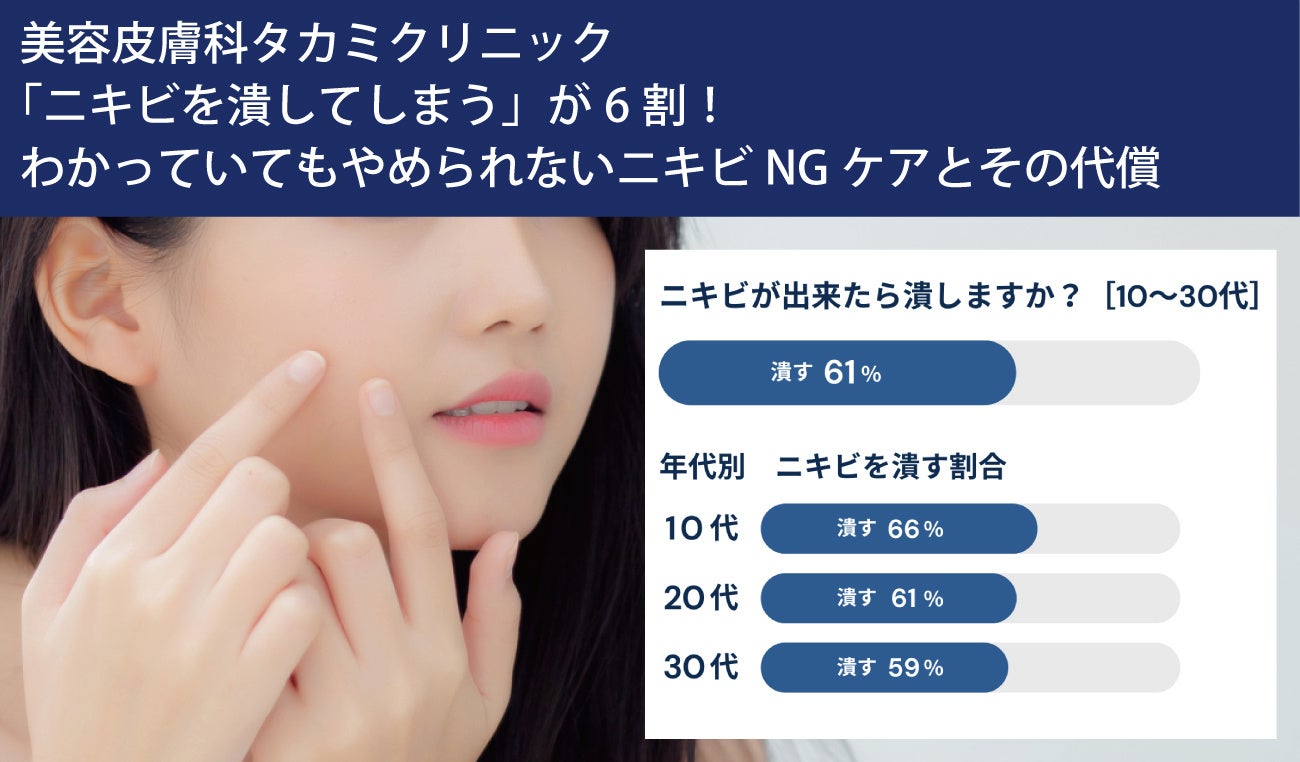
The scale of self-extraction runs deeper than casual skincare routines suggest. According to a PR TIMES report examining patient clinical data from the Takami Clinic in Minami-Aoyama, Tokyo, an institution with over 25 years of practice and 450,000 acne consultations, nearly 60% of surveyed patients aged 10 to 39 admitted they routinely pop their pimples at home. What many view as a benign cosmetic fix often sets off a cascade of tissue trauma beneath the stratum corneum.
📌 Key Takeaways:
- The Behavioral Reality: Clinical surveys show roughly six in ten patients squeeze active blemishes at home, relying on cotton swabs under the mistaken assumption of clinical safety.
- Microscopic Tissue Damage: Lateral pressure from cotton buds concentrates mechanical force downward, rupturing the follicular canal, causing skin barrier micro-tears, and driving sebum deeper into the dermis.
- Evidence-Based Recovery: Medical consensus prioritizes topical salicylic acid treatment, early hydrocolloid acne patch application, and in-office comedone extraction over manual bathroom pressing.
The Social Media Illusion of "Sterile" Cotton Swab Acne Extraction
Short-form beauty clips have turned cotton swab acne extraction into an online sensation. Creators roll two Q-tips toward a central pore, capturing the core's sudden release with cinematic flair. The white cotton feels medical. It looks calculated. It mimics the sterile instruments seen in high-end dermatology practices.
That visual cleanliness masks a profound misunderstanding of cutaneous physics. Cotton swabs lack the calibrated focal leverage of medical tools. To generate enough lift to expel an impaction, users apply significant inward and downward lateral pressure. The soft tips blunt the surface sensation, leading individuals to press far harder than they would with bare skin. By the time the user sees a speck of sebum, the underlying microvasculature has already sustained blunt trauma.
Online tutorials rarely display the histological aftermath 48 hours later. Where a mild blemish once sat, patients frequently find an expanded zone of erythema, flaking epidermal margins, and deep-seated swelling that lingers for months.
What High-Magnification Scans Reveal Beneath the Cotton Tip
Under a dermatological dermatoscope, the damage caused by manual swab compression becomes undeniable. The follicular infundibulum, the funnel through which hair follicles open onto the skin, is an intricate, fragile epithelial structure. Squeezing it from opposing angles causes shear stress across the epidermal layers, producing microscopic epidermal tears and capillary hemorrhage.
Worse, the pressure rarely acts in an entirely upward vector. Instead of pulling the comedone out, brute-force swab manipulation pushes a portion of the lipid plug sideways through the weakened follicular wall. When keratin, sebum, and Cutibacterium acnes spill into the surrounding sterile dermis, the immune system triggers an emergency inflammatory cascade. A surface-level papule instantly transforms into deep, painful cystic acne inflammation.
The damage extends past the follicle itself. Repeated rubbing with dry cotton fibers strips away vital ceramides and lipids, dismantling the stratum corneum. This localized skin barrier destruction leaves the surrounding area dry, hyper-reactive, and poorly equipped to heal clean margins.
The Clinical Record: DIY Extractions Versus Professional Interventions
The divide between at-home extraction and clinical pore clearing centers on directional force, instrument sterility, and the preservation of adjacent dermis. A standard bathroom environment cannot replicate a surgical theater, and a wooden-stem cotton applicator cannot substitute for a surgical comedone extractor.
| Method | Primary Mechanical Risk | Post-Treatment Outcome | Typical Resolution Time |
|---|---|---|---|
| Dual Cotton Swab Pressing | High lateral shear, internal follicular rupture, epidermal tearing | Secondary inflammatory papules, deep erythema, dark macules | 14, 45 days |
| Fingernail Pinching | Direct linear excoriation, bacterial contamination from subungual space | Superficial scabbing, bacterial folliculitis, prolonged pigmentation | 21, 60 days |
| Clinical Comedone Extraction | Controlled perpendicular pressure via sterile surgical steel loop | Intact dermal matrix, emptied pore lumen, negligible swelling | 2, 5 days |
| Hydrocolloid Sealing | Zero mechanical friction or shear | Osmotic exudate absorption, moist tissue repair, low hyperpigmentation | 3, 7 days |
When physical pressure breaks the skin's basement membrane, the risk of structural damage escalates dramatically. The Takami Clinic's patient assessment underscores that manual popping remains the primary self-reported trigger for patients seeking clinical scar repair. Individuals think they are accelerating healing. In truth, they are resetting the inflammatory clock.
Long-Term Consequences: Scars and Hyperpigmentation
The immediate satisfaction of expelling a plug comes with lasting dermatological consequences. When an inflamed pore suffers structural rupture, melanocytes in the basal layer go into overdrive, resulting in stubborn post-inflammatory hyperpigmentation (PIH). These brown and purple marks can persist for three to twelve months, particularly in Fitzpatrick skin types III through VI. A minor bump that would have resolved within four days turns into a year-long pigmentary struggle.
Permanent structural alteration represents a far greater concern. When excessive pressure destroys healthy collagen fibers within the reticular dermis, the skin loses its scaffolding. As the site attempts repair without sufficient structural support, atrophic scarring develops. Icepick, boxcar, and rolling scars are not natural byproducts of acne vulgaris; they are the direct consequences of deep basement membrane destruction, often accelerated by forceful bathroom squeezing.
Bacterial spread and infection present another real clinical hazard. Cotton swabs pick up ambient surface flora, including Staphylococcus epidermidis and Staphylococcus aureus. Rubbing unsterilized tips against open dermal wounds pushes surface bacteria straight into open micro-fissures, sparking secondary bacterial folliculitis that quickly spreads to neighboring pores.
Dermatologist-Backed Alternatives for Rapid Resolution
Medical acne management avoids mechanical force in favor of targeted chemical keratolysis and sterile fluid management. When a painful lesion emerges, clinical protocols focus on subduing inflammation while dissolving the keratinaceous blockage from within.
A leave-on topical salicylic acid treatment remains a gold-standard over-the-counter choice. As an oil-soluble beta-hydroxy acid (BHA), salicylic acid penetrates deep into the lipid-filled pore to break down cellular cohesion without disturbing surrounding collagen. Layering this with a 2.5% to 5% benzoyl peroxide gel rapidly drops bacterial counts, clearing the infection without mechanical trauma.
For prominent, surface-level pustules, the hydrocolloid acne patch provides a clean, hands-off solution. By maintaining a moist healing environment, these medical-grade dressings draw out fluid and exudate via capillary action while blocking external contaminants. The physical barrier also prevents the subconscious habit of picking and squeezing during stressful moments.
When a large, painful cyst develops, atrophic scar prevention demands professional intervention. A board-certified dermatologist can perform an intralesional triamcinolone injection, administering a micro-diluted corticosteroid directly into the lesion. Swelling flattens within 24 to 48 hours without bruising skin tissue or shattering the dermal floor.
Frequently Asked Questions (FAQ)
Q1: Are cotton swabs safer than clean fingers for popping pimples?
A1: No. While cotton swabs seem cleaner than fingers, their soft shape requires you to push inward and downward with far more force to generate lift. This concentrated pressure ruptures the follicular wall, driving infection deeper into the dermis and drastically raising the risk of permanent scarring.
Q2: What should I do if a pimple pops unintentionally during gentle washing?
A2: Rinse the area immediately with lukewarm water and a gentle, non-foaming cleanser. Pat it dry with a fresh paper towel. Apply a dab of 2.5% benzoyl peroxide or hypochlorous acid spray to neutralize bacteria, then seal the open pore with a sterile hydrocolloid patch to protect healing tissue.
Q3: How long does post-inflammatory hyperpigmentation last after an extraction injury?
A3: Red marks (erythema) typically take six to twelve weeks to fade, while brown or slate-gray hyperpigmentation can linger from three to eighteen months depending on your skin tone, sun exposure, and the depth of the initial tissue rupture.
Q4: Can using a warm compress clear a pore without manual pressure?
A4: Yes. Holding a warm, moist cloth over the blemish for five minutes dilates the pore aperture, softens hard keratin, and increases local blood flow to help your immune cells clear the core naturally. Never follow a compress with physical squeezing.
Modern Acne Management in 2026
The temptation to clear a visible blemish with household items is understandable, but clinical imaging has settled the debate. Cotton swabs provide no safety advantage over fingernails. Both methods generate blunt lateral forces that damage the follicular wall, spark severe inflammatory cascades, and open the door to atrophic scarring.
Clear skin relies on chemical precision, not bathroom brute force. Replacing physical squeezing with salicylic acid, benzoyl peroxide, and hydrocolloid patches keeps the dermal matrix intact and resolves blemishes days faster. The most effective move when an uninvited spot appears is to put the cotton swabs back in the drawer and let targeted topical chemistry do the work.