Real Outfit Breakdown: What Chic Female Snowboarders Actually Wear En Route
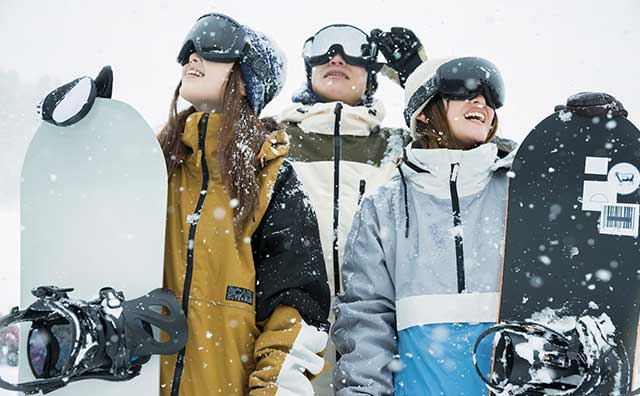
Boarding a 6:00 AM bullet train to Hakuba or loading an SUV for a three-hour crawl up I-70 to Summit County presents a distinct sartorial trap. Cranked cabin heaters running at 22°C collide violently with sub-zero highway rest stops and freezing mountain trailheads. For years, novice riders made the mistake of suiting up entirely at home, spending transit hours trapped in stiff Gore-Tex bibs, overheating under high-denier shells, and arriving at the parking lot drenched in sweat before strapping into a binding.
Veteran riders do not travel in their technical shells. Modern mountain transit requires an adaptable wardrobe engineered around thermoregulation, vehicle comfort, and seamless parking-lot conversions. By analyzing packing habits across North American and Japanese mountain corridors in 2026, clear formulas have emerged that balance road-trip aesthetics with high-performance function.
📌 Key Takeaways:
- The Transit Rule: Hard-shell snow bibs and heavy outerwear stay packed in the board bag until arrival to prevent sweat accumulation during heated road trips.
- The Foundation: Premium merino wool loungewear and moisture-wicking travel leggings double as your on-slope base layer, cutting down parking lot change times to under five minutes.
- Footwear Logistics: Slip-on waterproof boots with high-traction rubber outsoles eliminate the misery of wrestling stiff snowboard boots in muddy, slush-filled staging areas.
The Cabin Climate Dilemma: Why Riding Shells Ruin the Commute
Automobile interiors and train cabins run hot. When riders sit stationary for two to four hours wearing waterproof-breathable membranes rated at 20,000mm waterproofing, the fabric cannot vent body heat effectively while pressed against car upholstery. The body perspires silently. Once you step into a -10°C parking lot, that trapped moisture chills against the skin, radically increasing the risk of early-morning hypothermia during the first chairlift ascent.
Data from cold-weather physiological testing shows that damp base layers lose up to 90% of their insulating value within ten minutes of sub-zero exposure. To combat this, experienced female snowboarders adopt a strict separation between travel apparel and ride-ready outer layers. The transit uniform must handle highway coffee stops, vehicle maintenance, and prolonged sitting without constricting circulation.
The Base-First Blueprint: Seamless Transitions from Seat to Summit
The core of efficient ski resort transit style is wearing your on-mountain lower base layer directly out the front door. This eliminates the awkward scramble inside packed resort bathrooms or freezing trailhead parking bays. High-performance, moisture-wicking travel leggings built from synthetic blends or lightweight merino wool loungewear offer the elasticity needed for long drives while providing technical moisture management under outerwear.
Riders often pair high-waisted technical leggings with an oversized thermal top. Brands favoring blended merino wool (typically 200, 260 g/m²) dominate this space because the natural fibers resist odor during multi-day trips and regulate temperature far better than standard cotton athletic fleece. Cotton holds up to 27 times its dry weight in water; seasoned riders leave standard cotton sweatpants entirely out of the packing roster.
Thermal Calibration: Packing, Weight, and Temperature Tolerances
Layering during transit requires structured modularity. Instead of wearing a heavy insulated riding coat on the road, riders rely on mid-weight separators like an oversized fleece pullover or an insulated shacket winter layering piece. These tops provide warmth at drafty gas stations without creating bulk behind the wheel.
| Transit Layer | Material Weight & Type | Commute Function | Mountain Transition |
|---|---|---|---|
| Thermal Base Layer | Merino wool (200, 250 g/m²) or Poly-spandex | Elastic road-trip comfort; prevents vehicle seat chafing | Stays on; slides directly into bib pants |
| Mid-Layer Pullover | High-pile fleece (300 g/m²) or micro-grid knit | Breathable upper-body warmth for car drafts | Acts as mid-layer on cold days or stays in vehicle on warm days |
| Transit Outerwear | Packable 800-fill down or insulated commuter jacket | Immediate warmth at rest stops and cold staging areas | Swapped for 20K technical Gore-Tex shell at destination |
| Transit Footwear | Waterproof treated leather/nylon with Arctic Grip | Effortless driving pedal feel; rapid slip-on exit | Removed tailgate-side for snowboard boots |

The Tailgate Shuffle: Slip-On Footwear and Quick-Change Routines
Parking lots at ski resorts are treacherous mixes of black ice, road salt, and liquefied snow. Lacing up complex street shoes or driving in stiff winter boots with limited ankle mobility creates unnecessary friction. The staple transit footwear among seasoned riders consists of slip-on waterproof boots lined with shearling or fleece.
Styles from brands like Danner, Xtratuf, or insulated slip-on booties provide two distinct mechanical advantages. First, they allow precise throttle and brake control during slippery mountain passes. Second, when standing on a frozen rubber tailgate mat to pull on snowboard socks and boots, slip-on shoes kick off in seconds without forcing you to plant your bare or socked foot onto wet gravel.
A smart snow gear packing routine keeps your bib pants, technical socks, and outerwear jacket at the very top of your gear duffel. When the vehicle stops, the transition happens seamlessly:
Step one: Step out in slip-on boots. Step two: Pull your snowboard bib directly over your thermal base layering leggings. Step three: Swap the fleece pullover for your technical shell, stash the slip-on boots under the vehicle seat, and lace into your snowboard boots last. Total elapsed time rarely exceeds four minutes.
The Post-Ride Shift: The Apres-Ski Transition Formula
Heading directly from the slopes into a village pub, izakaya, or long return drive requires a fast reset. Damp riding socks and sweat-saturated thermal tops breed discomfort once physical exertion stops. Savvy riders pack a dedicated dry bag containing their apres-ski transition outfit directly behind the driver's seat.
This kit holds fresh dry merino socks, a fresh base-layer camisole or long sleeve, and loose, comfortable bottoms such as relaxed-fit fleece joggers. Removing sweaty technical bibs and slipping into an insulated commuter outerwear coat keeps body heat locked in while venting ambient moisture. This cold-weather road trip aesthetic blends clean lines, textured sherpa fleeces, and neutral outdoor tones, allowing riders to walk straight into mountain-town dining without looking disheveled or wearing bulky technical hardware to the table.
Frequently Asked Questions (FAQ)
Q1: Should I wear my snowboard socks during the car drive?
A1: Avoid wearing your riding socks on the drive up. Snowboard socks are tight, compression-oriented, and designed specifically to hold warmth inside boots. Wearing them in a heated car makes feet sweat before you even arrive. Wear regular casual socks on the road, then swap into fresh, completely dry snowboard socks immediately before lacing your boots.
Q2: How do I handle outerwear if I am taking public transit or a shuttle bus?
A2: Carry your technical outerwear inside a dedicated boot-and-helmet backpack or draped loosely over your arm. Wear a packable, lightweight down jacket over your base layer for the walk to the bus stop. Packable down compresses into a tiny pouch once you are inside the heated bus cabin, keeping you comfortable without monopolizing seat space.
Q3: Is it better to wear snowboard bibs or traditional pants for long transit days?
A3: Bibs are superior on the mountain for keeping snow out, but they complicate transit and quick changes. If wearing bibs, leave the upper shoulder straps unhooked and tucked down under a sweater during transit, or keep them stowed in your trunk until arrival. Traditional snowboard pants are slightly faster to pull on at the vehicle but offer less coverage in deep powder.
The Refined Art of the Mountain Departure
Mastering transit style for winter sports comes down to separating on-slope performance from travel comfort. High-denier shells and stiff boots belong on the mountain, not in the driver's seat or rail car. By leaning into modular merino wool loungewear, adaptable fleece separates, and rugged slip-on footwear, female riders protect their body heat, streamline early-morning packing, and arrive at the chairlift relaxed, dry, and ready to drop in.