Real vs. Fake Kodama Figures: Visual Breakdown of Official Studio Ghibli Merch
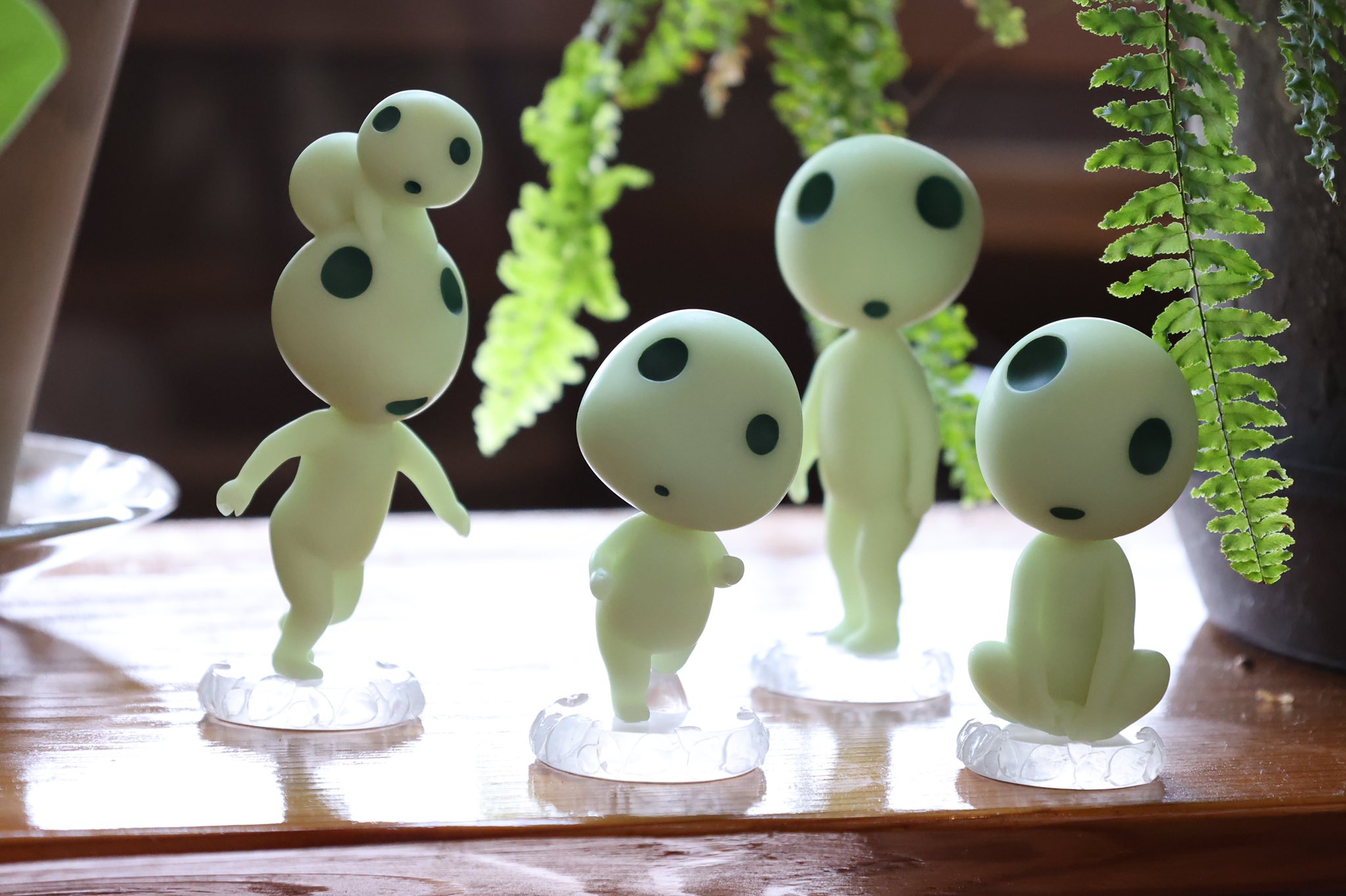
Collectors tracking down the iconic forest spirits of Hayao Miyazaki’s 1997 masterpiece face an increasingly treacherous secondary market. Counterfeit runs of the Princess Mononoke Kodama figure have surged across storefronts, tracking a renewed wave of global interest sparked by recent theatrical revivals. Studio Ghibli’s 4K digital remaster set records across North American IMAX screens in March 2025 before arriving in Japanese theaters that October. As confirmed by a recent Cinema Cafe Report, the release of the official Princess Mononoke 4K UHD and Blu-ray package on June 24, 2026, has driven collector demand for licensed display pieces to record highs.
Unscrupulous sellers on AliExpress, Amazon, and eBay have flooded the market with bootlegs. Cheap polyvinyl chloride casts often masquerade as genuine Benelic resin statues, trapping unsuspecting buyers who simply want a quiet guardian on their shelf. Knowing how to distinguish authentic Japanese releases from hollow imitations protects your wallet and keeps genuine artisan manufacturing alive.
📌 Quick Summary:
- The Authentication Standard: Licensed Donguri Kyowakoku goods always carry Japanese distributor credentials, specifically metallic foil or ink stamps from Benelic Co., Ltd., accompanied by exact copyright typography.
- Physical Materials: Official Studio Ghibli resin statues use dense, cool-to-the-touch polystone or precision-molded PVC with subtle phosphorescent pigment, whereas replicas rely on brittle, chalky plastics that cast a harsh neon glare.
- Pricing and Origin: Legitimate singles retail between ¥2,200 and ¥5,500 ($15, $38) in Japan; any listing hawking ten-piece bags for $9 shipped directly from Shenzhen is an unlicensed reproduction.
The Market Swell Behind Studio Ghibli Forest Spirits
The little white tree spirits known as Kodama hold a unique place in modern pop culture. They do not speak. They rattle their heads, tilt them sideways, and signal the health of the ancient cedar groves. When Benelic, the commercial licensing engine behind Studio Ghibli's retail arm, Donguri Kyowakoku, first issued premium desktop pieces, they engineered them as quiet, tactile objects.
Recent theatrical tours during the Princess Mononoke 4K UHD anniversary push brought these characters to millions of younger viewers. Unsurprisingly, merchandise volume skyrocketed. Counterfeiters seized on the minimalist design of the Kodama. Because the creature possesses simple black dot eyes, a hollow mouth, and an off-white silhouette, illicit workshops assumed it was effortless to clone.
They were wrong about the nuance, but they succeeded in capturing search results. If you search for a forest spirits desk figurine today, the algorithm presents dozens of knockoffs before showing a single authentic Japanese release. These fakes mimic everything from the classic seated pose to the standing, head-cocked figures originally created for Japanese specialty stores and the Ghibli Museum in Mitaka.
Decoding Packaging Clues, Barcodes, and Benelic Seals
Before inspecting the figurine itself, examine the box. Authentic Donguri Kyowakoku licensed goods treat exterior packaging as an extension of the product. Boxes feature thick, matte cardstock with crisp lithographic printing. The colors on official packaging are earthy and restrained, mirroring the muted forest tones established by art director Kazuo Oga.
Bootlegs arrive in glossy, flimsy paperboard or, worse, unbranded clear bubble bags. The print quality on counterfeit packaging routinely shows micro-banding and color bleed around the lettering.
Examine the back and bottom panels for three essential elements:
- The Copyright Notice: Authentic stock bears clean, micro-aligned typography reading: `© Studio Ghibli` or `© 1997 Studio Ghibli - ND`. Counterfeits often use squished, incorrect fonts or omit the hyphenation entirely.
- The Benelic Distributor Mark: Benelic Co., Ltd. (株式会社ベネリック) distributes official Studio Ghibli retail statues. Their corporate logo must appear alongside Japanese domestic customer support contact details.
- The JAN Barcode: Japanese Article Numbers (JAN) use a 13-digit standard, typically starting with 49 or 45 for domestic commercial goods. Bootleg factories frequently copy an outdated barcode from an unrelated product, resulting in a number that scans as kitchenware or generic toy sets.
A genuine Benelic authentication sticker, often featuring metallic foil or crisp holographic inks, sits directly on the exterior carton of higher-end polystone collectibles. If the sticker looks like a low-resolution scan printed on everyday adhesive paper, leave it alone.
Physical Inspection: Material Weight, Seamlines, and Phosphor Glow
Holding an authentic Kodama reveals immediate tactile differences. Studio Ghibli statues produced by Benelic are predominantly cast in dense cold-cast resin (polystone) or weighty, high-grade ABS/PVC blends. They feel substantial in your palm, averaging 85 to 140 grams depending on the specific posture and base.
Knockoffs weigh a fraction of that, usually clocking in under 25 grams. They feel hollow, warm, and synthetic right out of the envelope.
AUTHENTIC BENELIC COUNTERFEIT CLONE
┌───────────────────────────┐ ┌───────────────────────────┐
│ • Heavy polystone/resin │ │ • Lightweight hollow PVC │
│ • Matte alabaster finish │ │ • Glossy, greasy sheen │
│ • Soft, organic seams │ │ • Flashing & harsh mold │
│ • Balanced head bobble │ │ • Asymmetric balance │
│ • Natural zinc phosphor │ │ • Cheap fluorescent green │
└───────────────────────────┘ └───────────────────────────┘
The glow-in-the-dark Kodama collectible line showcases the starkest technical differences. Genuine Benelic pieces infuse their resin with high-grade, long-decay phosphorescent compounds. Exposed to sunlight or UV light, an authentic Kodama stores energy and emits a soft, spectral white-green luminescence that mimics the damp forest floor.
Bootleg anime figure identification relies heavily on testing this illumination. Replicas cut corners by mixing cheap commercial zinc sulfide powder directly into clear plastic pellets. The result is a shrill, radioactive lime-green glare that fades within ninety seconds. In regular daylight, fake figures display an unnatural yellow-green tint, losing the chalky, bone-white porcelain aesthetic intended by the studio's sculptors.
| Diagnostic Element | Official Donguri Kyowakoku / Benelic | Marketplace Bootleg / Unlicensed Clone |
|---|---|---|
| Primary Material | Dense polystone resin or weighted matte PVC | Low-density recycled PVC or brittle polystyrene |
| Typical Unit Weight | 85g, 140g (Feels cold and stone-like) | 15g, 35g (Hollow, lightweight plastic feel) |
| Surface Texture | Matte, micro-textured, unglazed bone finish | Slick, glossy, prone to chemical off-gassing odors |
| Facial Cavities | Cleanly hollowed or precision-painted matte charcoal | Smudged black ink, uneven pooling, misaligned eyes |
| Mold Seams | Hand-buffed parting lines; zero plastic flashing | Prominent raised ridges along limbs and cranium |
| Standard Retail Price | ¥2,200, ¥5,500 ($15, $38 USD) per piece | $0.80, $1.50 per piece (Often sold in 10-packs for $8) |
Look closely at the cranium. When evaluating a Kodama bobblehead authentic vs replica variant, the head connection exposes manufacturing shortcuts instantly. Official Ghibli bobbleheads feature a counterbalanced interior pivot pin engineered to wobble smoothly with minimal friction.
Replicas use an exposed, stiff steel spring glued haphazardly into the neck cavity. If you tap the head of a counterfeit, it vibrates violently for two seconds and stops. An authentic piece rocks with an organic, lazy cadence that mirrors the unsettling, quiet movements from the film.

Museum Exclusives and Limited Specialty Runs
The most coveted Kodama figures originate outside standard commercial retail. Official Ghibli Museum figures sold at the "MAMMA AIUTO!" gift shop in Mitaka and select Ghibli Park exclusives feature completely distinct product runs.
These museum editions do not use standard retail blister packs. They are packaged in unbleached, raw kraft-paper boxes printed with monochrome line art depicting the museum's crest. The base of each museum figure features an embossed or stamped Ghibli Museum emblem directly on the underside of the spirit's feet or mossy perch.
Unlicensed factories rarely attempt to clone museum-specific packaging because casual buyers do not recognize it. Instead, scammers strip stock photos of these high-end releases and ship standard $1 plastic charms in their place. If an online listing advertises a "Ghibli Museum Exclusive Kodama" but the seller operates out of an unverified overseas storefront with stock images, you are looking at a bait-and-switch.
Vetting Sellers and Navigating Online Marketplaces
Purchasing authentic Studio Ghibli resin statues from outside Japan requires healthy skepticism. Counterfeiters thrive on western marketplaces by gaming search terms and exploiting consumer unfamiliarity with domestic Japanese price structures.
Protect yourself by following these sourcing rules:
- Beware of Multi-Packs: Donguri Kyowakoku almost never packages Kodama figures in ten- or twenty-piece grab bags. If a listing offers "10Pcs Princess Mononoke Luminous Tree Elves Garden Decor," it is unequivocally an unlicensed mold.
- When buying directly from Japan through intermediaries like Buyee, From Japan, or ZenMarket, focus on sellers on Yahoo! Japan Auctions or Mercari who showcase photos of the packaging barcode and copyright mark. Authentic domestic collectors take pride in showing the box edges and Benelic seals.
- Authentic sculptors mimic hand-carved wood imperfections, giving the eyes and mouth organic, asymmetrical contours with sharp inner edges. Counterfeits use soft-edged, spherical drill punctures that look like industrial punch holes.
- While authentic goods are manufactured under contract across East Asia, commercial retail distribution runs directly through Tokyo. If an eBay merchant lists their item location as mainland China or Malaysia while claiming the product is an authentic Japanese store exclusive, walk away.
Reputable specialty retailers like Kinokuniya, official Donguri Kyowakoku domestic boutiques, and verified partners like Bluefin/Bandai Namco provide the safest purchase pathways for international buyers.
Frequently Asked Questions (FAQ)
Q1: Are all official Kodama figures made of resin?
No. While Benelic's premium desk statues and dioramas use dense polystone resin, Studio Ghibli has also officially licensed high-grade PVC blind boxes, soft-vinyl finger puppets, and desk accessories like pen stands. Regardless of the material, authentic PVC items feature a matte, unglazed finish and clear copyright stamps under the base.
Q2: Why do some real Kodama figures glow green while others do not glow at all?
Donguri Kyowakoku releases several distinct product lines. Standard desk statues focus on true-to-film aesthetics with chalk-white stone paint and do not glow. The specialized "Phosphorescent" (蓄光 - Chikukō) editions use light-reactive pigments that emit a gentle green glow in darkness. Check the box labeling: official glowing editions clearly state 蓄光 on the front carton.
Q3: Can I find authentic Studio Ghibli merchandise on Amazon?
Yes, but only if the listing is sold directly by Amazon or an authorized partner like the official Ghibli storefront distributor. Third-party marketplace sellers on Amazon frequently hijack legitimate ASIN catalog pages, shipping cheap plastic reproductions in poly mailers instead of authentic Benelic boxed statues.
Safeguarding Your Ghibli Collection in 2026
Studio Ghibli's enduring legacy rests on intentional, meticulous craftsmanship. The Kodama resonate with audiences because they carry the organic weight and mystery of ancient forests. When you hold an authentic Benelic figure, that artistic discipline translates directly into physical form, through cold polystone resin, carefully balanced mechanics, and soft, natural luminescence.
Counterfeits flood digital storefronts because they reduce Miyazaki’s vision to disposable plastic trinkets. By checking distributor seals, testing material weights, and rejecting low-grade multi-packs, collectors protect their investment while honoring the artistry that brought the forest spirits to life nearly three decades ago. Stick to verified domestic Japanese distributors, demand clear photos of the physical markings, and let the real guardians watch over your shelf.