Root Retouch vs. Full Color: The Truth About When to Dye Your Ends
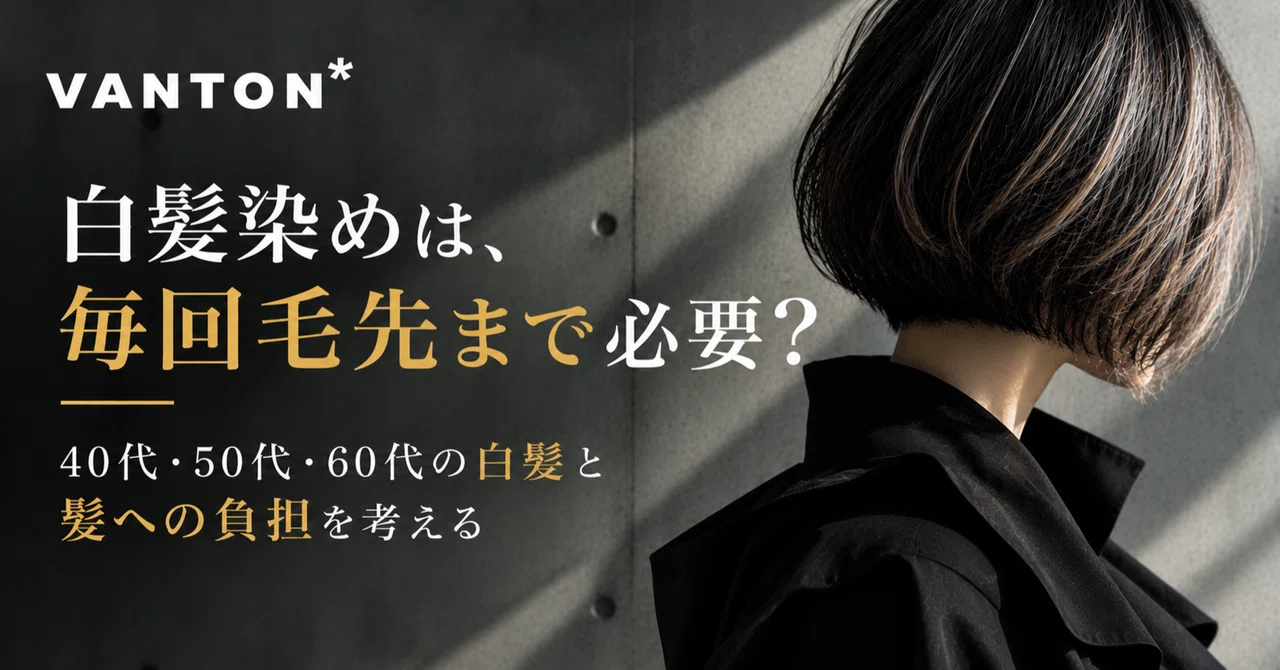
Every four to six weeks, millions of salon clients sit in styling chairs facing the exact same upsell: pull the formula all the way through to the ends, or stick strictly to the new growth at the scalp. For decades, traditional salon marketing insisted that an all-over application was mandatory to maintain vibrant tone and seamless blending. Yet as chemical awareness rises and salon bills mount, colorists are actively pushing back against habitual full-head saturation. Fresh professional guidance from salon practitioners, including an analytical note Report published by Nagoya-based studio Vanton Takinomizu, reveals that applying permanent pigment across the entire hair shaft during routine gray appointments is rarely necessary and frequently causes structural harm.
At the center of this shift lies a biological reality: hair ends are the oldest, most fragile fibers on the head. Repeatedly saturating them with alkaline permanent color opens cuticles that have already weathered hundreds of wash cycles, heat tools, and ultraviolet exposure. At the same time, creative edge placement, known internationally as dip dye hair ends and popularized in East Asian salons as the suso color technique, has transformed how clients think about selective coloring. Whether preserving hair health during routine touch-ups or using two-tone hair contrast for creative expression, knowing when to leave hair ends alone separates healthy hair from catastrophic split end breakage.
📌 Key Takeaways:
- The Maintenance Rule: Routine touch-ups should target only the 1 to 1.5 inches of new growth, sparing the lengths from oxidative stress.
- Structural Physics: Extreme hair porosity differences mean weathered ends absorb alkaline dye unevenly, causing murky pigment buildup rather than fresh shine.
- Financial Impact: Choosing a dedicated root retouch saves clients between $40 and $110 per appointment while cutting salon chair time by roughly 45 minutes.
- Modern Placement Trends: The Japanese suso color method allows high-contrast bleaching hair tips without subjecting the root system or mid-shaft to chemical lightening.
The Mechanics of Root Retouch vs Full Color
A standard root retouch targets the 0.5 to 1.5 inches of untreated new growth that emerges from the scalp each month. Because this virgin fiber has never encountered chemical oxidizers, its lipid layer and cuticle scales remain tightly sealed. Penetrating this area requires a specific alkaline agent, usually ammonium hydroxide or monoethanolamine (MEA), combined with hydrogen peroxide to lift the natural melanin and deposit artificial tone.
Pulling that same alkaline formula across the mid-lengths and ends produces an entirely different chemical interaction. Hair ends can be three to five years old. They have endured thousands of mechanical abrasions, hot blowouts, and prior salon visits. When permanent dye covers these pre-lightened or pre-colored sections, the oxidative developer strips whatever natural fatty acids remain. Over successive visits, the hair shaft loses its tensile elasticity. Colorists refer to this visual degradation as pigment stacking: the ends turn progressively darker, matte, and ink-like, while the roots look bright and clean. Hair damage prevention starts with recognizing that untouched lengths do not need another dose of high-volume developer to look refreshed.
Hair Porosity Differences and Why Ends Reject Regular Dye
Healthy hair cuticles lie flat, overlapping like shingles on a roof to lock in internal moisture. As hair grows outward and faces environmental wear, those outer shingles chip away, leaving gaps in the cortex. This structural deterioration creates drastic hair porosity differences between the scalp and the tips. High-porosity ends absorb liquids instantaneously, but because the cuticle cannot close back down, they lose artificial pigment just as rapidly.
When someone tries an at-home hair dye application using a single box of permanent box dye, the porous ends grab the cool tones immediately, turning an ashy, muddy shade of gray or black. Within two weeks, those same ends bleed out completely during showers, looking brassy and dry. Professional color theory solves this imbalance through targeted formulas. Instead of dragging high-lift permanent color through the lengths, colorists apply a non-ammonia demi-permanent color gloss to the ends. Acidic or neutral glosses deposit tone on the exterior cuticle layer without swelling the shaft or disturbing the underlying cortex, smoothing flyaways without inducing breakage.
The Rise of Suso Color and Selective End Lightening
Rather than dreading color work on older ends, trend-forward salons have embraced isolated processing. The Japanese "suso color" technique, coloring only the bottom hemline (or "suso") of the hair, has emerged as a dominant trend across Tokyo, Seoul, and Western urban centers. Unlike classic ombre ends or soft balayage, which create a gradual, sun-bleached transition, suso styling applies sharp, deliberate blocks of vivid or pastel pigment strictly to the final 1 to 2 inches of the perimeter.
The appeal lies in risk mitigation. Bleaching hair tips to a pale blonde level 9 or 10 carries an inherent risk of protein degradation. Yet when that lightning is confined entirely to the perimeter, the client preserves the integrity of their roots, crown, and mid-shaft. If the bleached tips eventually experience split end breakage or the wearer tires of maintaining a vibrant neon hue, a standard scissor trim eliminates the chemical processing in fifteen minutes. This two-tone hair contrast offers creative freedom for professionals who must conceal vibrant hair during office hours; pinning the hair into a low chignon or French twist tucks the bleached tips entirely out of sight.
| Service Type | Application Zone | Chemical Chemistry | Average Salon Cost | Recommended Interval |
|---|---|---|---|---|
| Standard Root Retouch | First 0.5, 1.5 inches of new growth | Permanent alkaline color (20-vol developer) | $75, $120 | Every 4, 6 weeks |
| Full All-Over Color | Scalp through to the final tips | Oxidative dye throughout the entire head | $140, $240 | Only 2, 3 times per year |
| Root Touch + Gloss Refresh | Alkaline at root; acidic coat on lengths | Permanent roots + acidic demi-permanent gloss | $110, $165 | Every 8, 10 weeks |
| Suso Color / Tip Bleach | Final 1.0, 2.5 inches of perimeter hem | Powder lightener followed by direct dye | $90, $160 | As needed (or trim away) |
Gray Hair Coverage Tips and Managing Pigment Buildup
For clients managing silver roots, the urge to saturate the entire head during every salon session is powerful. Gray strands possess coarse, glassy cuticles that resist tint absorption, requiring high-alkaline coverage formulas. When consumers look in the bathroom mirror and see dull, oxidized lengths alongside white roots, they instinctively conclude that the entire strand requires another coat of dark dye.
Professional salon data shows this instinct produces severe aesthetic problems over time. Because the mid-lengths and tips already hold oxidized pigment, applying fresh gray-coverage color to the bottom half creates heavy bands of carbonaceous buildup. The ends turn visibly darker than the hair closer to the face, casting unnatural shadows across the skin. Stylists at specialized salons advise that gray root maintenance should stay strictly pinned to the new growth. If the ends look faded or dry, the solution is not more permanent dye; it is an acidic shine treatment or color-depositing conditioner that revives luster without lifting the cuticle again.
Preventing Chemical Snapping and Split Ends
Hair is composed of fibrous keratin chains bound by disulfide, hydrogen, and salt bonds. Alkaline lifting agents dismantle these disulfide links to insert artificial color pigments. While healthy virgin hair can withstand this chemical intervention, aged hair ends experience cumulative protein loss. When exposed to repeated applications of developer, the internal cortex collapses, producing trichoptilosis, the technical term for split ends.
Stylists practicing modern damage mitigation rely on several core techniques to protect the integrity of the hair shaft:
First, barrier creaming. Applying a lightweight treatment mask or plant-derived protective serum directly to previously colored ends creates a chemical barrier. If the root formula drips down during rinsing, the barrier prevents active peroxide from penetrating the porous tips.
Second, dry brush zoning. When attempting an at-home hair dye application, users frequently run wide-toothed combs down their entire head to distribute the product. This common mistake drags harsh ammonia solutions across fragile lengths. Sectioning the scalp into four clean quadrants and using a pinpoint applicator brush ensures that chemical contact remains restricted entirely to the new growth area.
Third, progressive dilution. For clients who legitimately need toning through the lengths, experienced colorists use an emulsification technique at the wash basin. During the final three minutes of processing, warm water is massaged into the scalp, diluting the active root mixture before smoothing it quickly over the mid-lengths. This brief contact revitalizes tonal reflection without subjecting the ends to a standard thirty-minute chemical oxidation window.
Frequently Asked Questions (FAQ)
Q1: How often should I get a full color instead of just a root touch-up?
A1: Most clients only need an all-over color once or twice a year. If your roots are showing, book a root retouch every four to six weeks. If your ends have faded or turned slightly brassy, ask your stylist to apply a gentle, ammonia-free demi-permanent gloss to the lengths rather than dragging permanent dye from scalp to tip.
Q2: Why do my ends look almost black when I color my hair at home?
A2: This occurs due to progressive pigment buildup and high porosity. Hair ends absorb dye much faster than healthy roots because their cuticles are compromised. Reapplying box dye across the entire length during every touch-up stacks artificial pigment layers on top of each other, eventually creating an overly dark, dull, and matte appearance that is difficult to correct.
Q3: Can I bleach just the tips of my hair without ruining the rest of it?
A3: Yes. Creative methods like the suso color technique or dip-dyeing isolate the final one to two inches of hair using foil or freehand painting. Because the bleach never touches your scalp or mid-shaft, the structural foundation of your hair remains untouched. If the lightened tips ever become brittle or dry, a quick perimeter trim completely removes the damaged area.
Smarter Color Maintenance for 2026 and Beyond
The salon industry's shift away from routine all-over coloring marks a victory for both client budgets and hair longevity. By treating the root system and the weathered ends as two distinct chemical environments, colorists are delivering cleaner dimensional results that last significantly longer between visits. Healthy color relies on restraint. Preserving the lipid barrier on your ends keeps the hair light-reflective, bouncy, and resilient, eliminating the endless cycle of chemical damage followed by expensive reconstructive masks.
Before sitting down for your next color service or mixing an at-home tint, assess the exact condition of your lengths. If the mid-shaft and ends hold their tone, leave them out of the chemical process entirely. Focus your efforts on the fresh growth at your scalp, rely on non-oxidative glosses to restore lost shine, and leave aggressive lightening strictly to creative accents like the suso technique. Treating your hair ends as precious, irreplaceable fiber ensures vibrant color without sacrificing structural health.