Sayaka Nitori Photobook Release Timeline: From Early Digital Hits to Her Summer Masterpieces
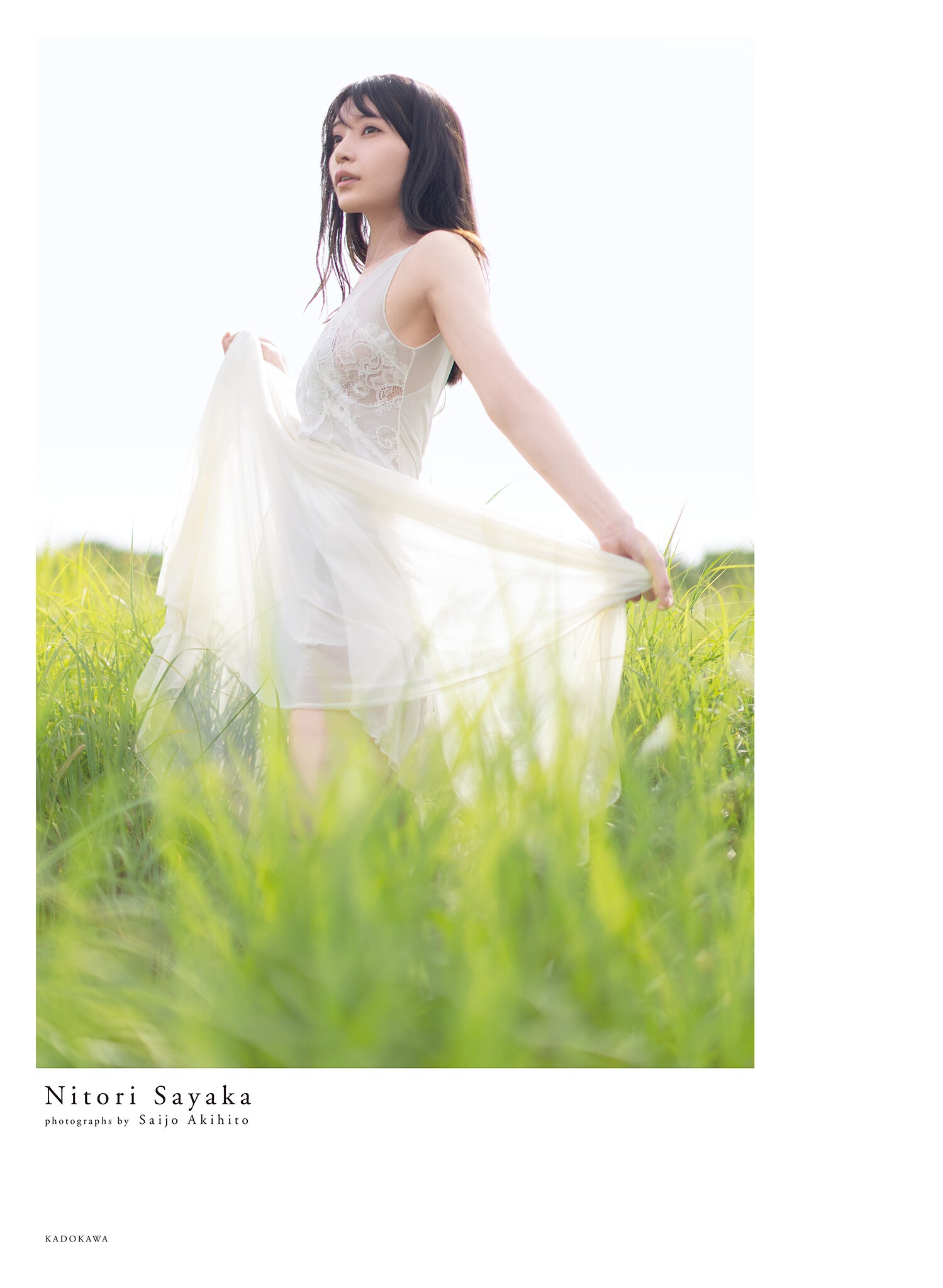
When Sayaka Nitori began uploading self-styled portraiture to social media in the late 2010s, Japanese legacy print publishing still treated smartphone photography as a novelty. Fast forward to 2026, and the Fukuoka-born creator has upended that hierarchy entirely. As highlighted in a recent livedoor ニュース Report examining her creative career, Nitori transitioned from a self-curated social feed into an undisputed digital photobook queen, moving tens of thousands of electronic copies with every launch.
Her catalog tracks an era of radical disruption inside the Japanese gravure idol industry. By stripping away corporate intermediaries early on, Nitori cultivated an audience of over one million followers who actively buy digital releases rather than merely browsing free social feeds. Her commercial milestones outline a deliberate transition from viral amateurism to calculated, self-directed editorial authority.
📌 Key Takeaways:
- The Career Origin: Born in Fukuoka in 1993, Nitori pioneered the "Insta-gravure" movement, converting organic social engagement into mainstream commercial appeal without traditional early agency backing.
- The Creative Shift: Her late 2025 Kadokawa photobook Furea Furiru marked her arrival as a self-produced creator, trading studio-dictated shoots for high-concept art direction set across Okinawa.
- The 2026 Commercial Peak: A mid-2026 double release with publisher Fusosha under the SPA! banner demonstrated her control of the digital photobook sales ranking, proving that digital-first releases outpace traditional print runs.
The Fukuoka Native Who Rewrote Gravure on Instagram
Born in Fukuoka Prefecture in 1993, Sayaka Nitori entered media without a major talent agency pipeline. Instead of relying on weekly manga magazine auditions, she posted DIY photo shoots directly to Instagram. Her feeds combined soft lighting, candid bedroom angles, and intimate styling, birthing the viral hashtag trend known across Japan as "Insta-gravure."
The timing coincided with a generational shift in Japanese print media. Physical magazine circulations were dropping sharply, while e-book platforms like Amazon Kindle, BookLive, and DMM were logging record annual gains. Nitori brought a ready-made digital audience to the table. When weekly magazines finally came calling for print covers, her digital photobook spin-offs instantly claimed the top positions on electronic retail charts. Publishers quickly realized that her fans did not just follow her account; they purchased digital editions on day one.
Self-Production in Okinawa: The Making of Furea Furiru
By late 2025, Nitori took direct control of her commercial output. On November 21, 2025, Kadokawa released her high-profile digital work, Furea Furiru (ふれあ、/ふりる。), a production conceptualized and directed by Nitori herself. Shot entirely on location across Okinawa, the title abandoned typical gravure tropes in favor of natural light, humid coastal winds, and personal styling.
In industry interviews following the launch, Nitori explained that she wanted complete authority over every page layout, costume choice, and crop. The Okinawa location shoot offered an atmospheric, raw backdrop that felt distinct from studio productions. Readers responded immediately. Furea Furiru climbed to the top tier of Kadokawa’s digital distribution platform within its first 48 hours, demonstrating that her visual brand could sustain high-concept creative direction without losing its core commercial pull.
The Definitive Sayaka Nitori Photobook Chronology
Nitori’s catalog reveals a consistent upward trajectory in creative autonomy and production scale. Early releases prioritized high volume and rapid turnaround for weekly editorial spreads. Her recent work emphasizes thematic, standalone digital collections that dominate retail charts.
| Release Window | Title & Publisher | Production Style & Core Focus | Market Performance |
|---|---|---|---|
| 2018, 2021 | Early Magazine Tie-Ins (Shueisha, Kodansha) | Magazine outtake digital editions; soft-focus bedroom aesthetic matching her Instagram identity. | Established her as a reliable top-10 presence across Kindle and Rakuten Kobo. |
| Nov 2025 | Furea Furiru (Kadokawa) | Self-produced photobook; outdoor naturalism shot on location across Okinawa. | Topped Kadokawa’s digital sales ranking; praised for artistic creative direction. |
| Jun 2026 | Fetish Ojousama no Genkai Toppa (Fusosha / SPA!) | Edgy, high-contrast character shoot exploring structured fetish motifs and playful expression. | Secured #1 on general electronic marketplace charts within 24 hours of release. |
| Jul 2026 | Buchiage Gokujou Body (Fusosha / SPA!) | Summer-themed bikini feature; bold visual framing with her trademark playful poses. | Generated major social buzz, setting Fusosha single-week download records for mid-2026. |

Pushing Visual Limits: The Summer 2026 SPA! Double Release
In mid-2026, Fusosha’s SPA! editorial unit orchestrated an aggressive simultaneous release strategy for Nitori. Rather than spacing drops months apart, the publisher issued two contrasting collections in rapid succession: Fetish Ojousama no Genkai Toppa and Buchiage Gokujou Body.
The strategy captured two entirely different segments of the market. Fetish Ojousama no Genkai Toppa ("Fetish Young Mistress: Breaking Past Limits") leaned into stylized, dramatic setups, showcasing elaborate garments and tight crops. In contrast, Buchiage Gokujou Body embraced an unapologetic, vibrant summer aesthetic. Editorial preview cuts showed Nitori in striking swimwear, executing playful tongue-out expressions that immediately circulated across Japanese media portals like RBB Today and Yahoo! Japan.
This dual launch highlighted how mature her target demographic has become. Instead of cannibalizing each other’s sales, the two collections cross-promoted naturally. Fans on platforms like X (formerly Twitter) frequently shared proof of purchasing both volumes simultaneously, turning the two-part drop into a synchronized midsummer retail event.
The Economics of the Digital Photobook Surge
The longevity of Nitori’s catalog points to broader economic realities within Japanese media. Physical photobooks carry heavy overhead: printing runs, nationwide bookstore distribution logistics, and the financial danger of unsold warehouse inventory. In contrast, digital photobooks eliminate distribution waste, allowing publishers to offer 80- to 120-page releases at consumer-friendly price points between 1,200 and 2,500 JPY.
Because profit margins on digital products remain dramatically higher, publishers can invest more aggressively in high-end location shoots, like flying production teams to Okinawa, while granting talent greater creative input. Nitori realized early that an electronic buyer has an immediate, frictionless checkout path directly from an Instagram story or an X update. Her transition from social poster to corporate digital seller became an operational blueprint for modern talent agencies across Tokyo.
Frequently Asked Questions (FAQ)
Q1: Where can readers officially purchase Sayaka Nitori's digital photobooks?
A1: Her major works, including Furea Furiru and her SPA! collections, are distributed across authorized electronic book platforms such as Amazon Kindle Japan, Rakuten Kobo, DMM/Fanza Books, and Kadokawa’s BookWalker.
Q2: What separates her self-produced releases from her magazine-led photobooks?
A2: Magazine tie-in books consist largely of unused editorial outtakes shot under corporate direction. In self-produced works like Furea Furiru, Nitori personally decides the location, concept themes, outfit selection, and layout curation.
Q3: Why did she focus heavily on digital formats instead of traditional print hardcovers?
A3: Nitori built her core following on mobile screens through Instagram. Digital photobooks allow her audience to purchase and view content instantly, providing global accessibility and generating sustained sales on electronic retail rankings long after physical magazines leave newsstands.
Where Nitori’s Digital Dominance Goes Next
Sayaka Nitori’s career upended the traditional playbook of Japanese talent management. She bypassed the standard audition circuit, created an independent visual identity, and demonstrated that online followings can drive real digital commerce without relying entirely on legacy print media.
With high-profile successes ranging from Kadokawa’s Okinawa project to her record-setting Fusosha releases, she has proven that digital gravure can be both editorially ambitious and commercially dominant. As digital publishing platforms continue to outpace physical newsstands, her model stands as the standard for creators navigating the modern Japanese media landscape.