Side-by-Side Visual Guide: Harusame vs. Shirataki, Bifun, and Flat Glass Noodles
Staring down an Asian grocery aisle stacked with cellophane noodles, thread-thin bundles, and white watery pouches can confuse even confident home cooks. What shoppers casually lump together as "clear noodles" or noodles like harusame represents fundamentally different culinary traditions, raw botanical starches, and cooking physics. Recent home-cooking trends documented in a ライブドアニュース Report showcase how quick microwave rehydration techniques, such as steaming dried harusame in seasoning broth for three minutes at 600 watts, are transforming weeknight meal prep across Japanese households.
Yet substituting one clear strand for another in a wok or soup pot often leads to culinary disaster. A noodle that excels at absorbing savory chili oil in mapo harusame turns into gelatinous mush inside a hot Vietnamese broth, while a rubbery konjac coil refuses to take on flavor without aggressive pan-drying. Understanding the physical composition of these translucent noodles separates culinary frustration from restaurant-grade texture.
📌 Quick Summary:
- Core Composition: True harusame relies on mung bean or potato starch, shirataki comes from zero-starch konjac yam fiber, and bifun is extruded strictly from polished rice.
- Culinary Function: Starch-dense noodles soak up broths and emulsions, while fiber-based konjac acts as a neutral, low calorie noodle substitute requiring surface coating.
- Kitchen Strategy: Texture defines the dish; mixing chewy sweet potato dangmyeon into delicate salads fails where springy mung bean threads thrive.
Botanical Origins Behind the Clear Noodle Family
The label "harusame", literally translating to "spring rain" in Japanese, traditionally describes thin, translucent noodles made from plant starch. In classical Chinese cookery, mung bean thread noodles set the standard. Green mung bean starch contains high amylose levels, allowing the strands to retain their delicate chew even after prolonged boiling. Japanese domestic harusame, by contrast, frequently incorporates potato or sweet potato starch, yielding a softer strand that expands rapidly in simmering dashi.
Shirataki noodles occupy an entirely separate category. Derived from the tuber of the Amorphophallus konjac plant, shirataki consists almost entirely of water (roughly 97%) and glucomannan, a soluble dietary fiber. Because shirataki contains virtually no digestible starch, it behaves nothing like grain or bean noodles in hot water. It will not dissolve, soften, or absorb cooking liquid through gelatinization.
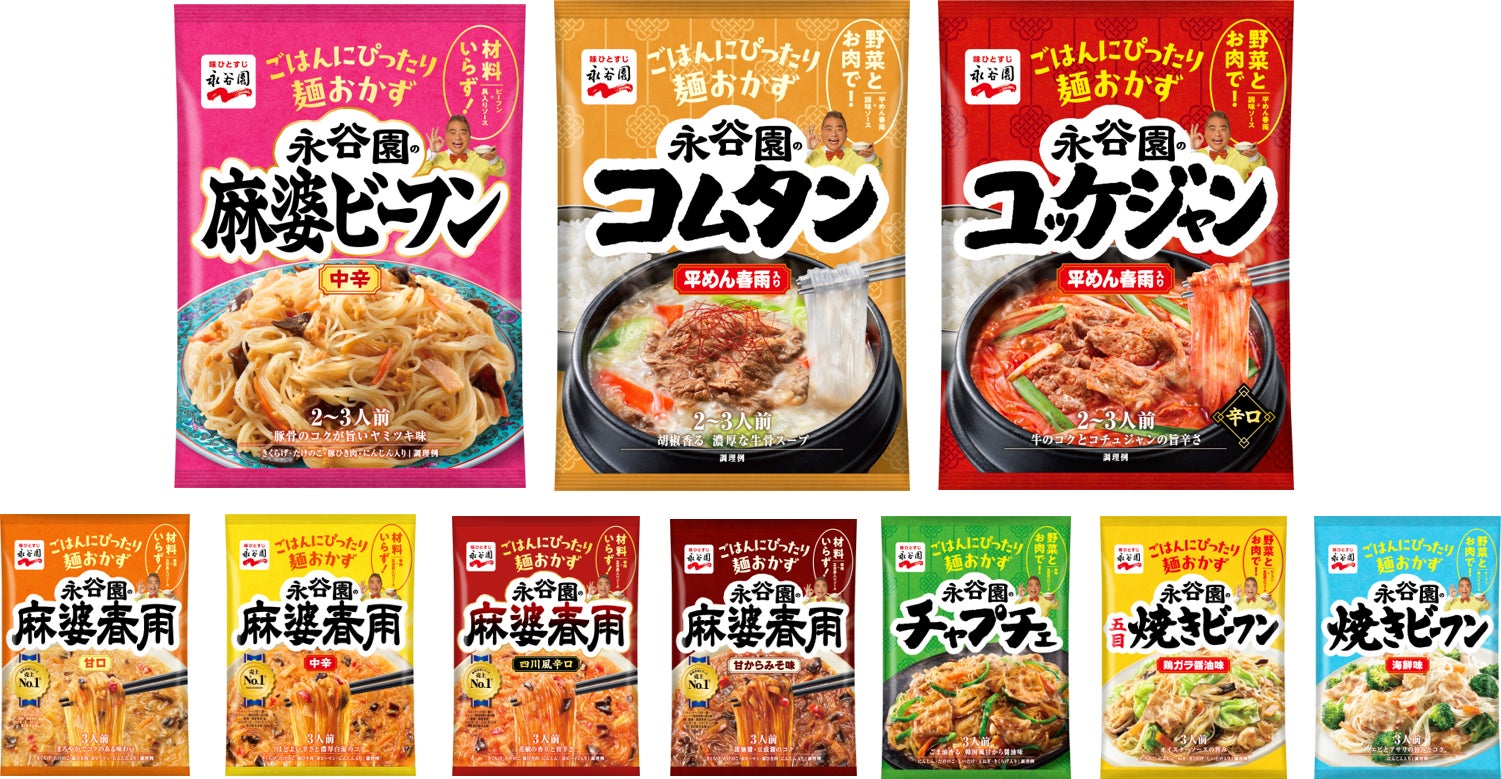
Bifun, known internationally as rice vermicelli, breaks the pattern through opacity. Extruded purely from long-grain rice flour and water, bifun turns matte white rather than crystal clear when rehydrated. The starch profile of rice gives bifun an assertive toothsome bite that snaps cleanly rather than stretching. When Japanese food manufacturer Nagatanien expanded its shelf-stable dinner kits in July 2026 under company president Hiroshi Kakeya, adding Mapo Bifun alongside traditional mapo harusame, consumer testing revealed that home cooks favored bifun specifically for its firmer, non-slip friction against heavy sauces.
Starch Structure Dictates Kitchen Performance
The visual differences between dried glass noodles conceal sharp variations in kitchen performance. Sweet potato dangmyeon, the gray-tinted, thick strands famous in Korean japchae, boasts unmatched elasticity. The dense cross-linked amylose structure of sweet potato starch requires five to eight minutes of vigorous boiling. Once hydrated, dangmyeon resists breaking, offering a dense, slippery resistance that holds up under hot sesame oil and sautéed beef.
Flat glass noodles take that elasticity into regional Chinese street food. Wide-cut mung bean or sweet potato sheets, often labeled as fen pi, feature a wide surface area engineered to catch viscous chili paste and black vinegar. In 2026, packaged meal releases introduced flat harusame formats to instant Korean-style soups like Gomtang and Yukgaejang at retail prices near 270 yen, targeting consumers who demand the chew of flat wheat noodles without the gluten.
Cellophane noodles made from mung beans sit on the opposite end of the spectrum. These ultra-fine threads hydrate in warm tap water within ten minutes. Because they lack fat and protein, they act like culinary sponges. In Japanese culinary circles, viral techniques highlighted by outlets like the Dragon Kitchen channel emphasize dressing harusame while the strands are still steaming hot. Dressing the noodles before adding sliced cucumbers or ham ensures the porous starch absorbs rice vinegar and sesame oil directly, rather than letting water pool at the bottom of the salad bowl.
Side-by-Side Texture, Calorie, and Usage Breakdown
Choosing the correct strand requires balancing structural durability against dietary priorities. The metrics below highlight how each translucent variety behaves under fire.
| Noodle Type | Primary Starch / Base | Calories (100g Cooked) | Ideal Culinary Application |
|---|---|---|---|
| Harusame (Mung Bean) | Mung bean or pea starch | 80, 90 kcal | Chilled vinegar salads, spring rolls, quick soups |
| Harusame (Potato) | Potato and sweet potato starch | 75, 85 kcal | Mapo harusame, hot pot, microwave braises |
| Shirataki | Konjac glucomannan fiber | 6, 10 kcal | Sukiyaki, nabe, low carb stir-fries |
| Dangmyeon | 100% Sweet potato starch | 130, 145 kcal | Korean japchae, heavy beef stews, hot pot |
| Bifun | Milled long-grain rice flour | 110, 130 kcal | Singapore noodles, stir-fried chao bifun |
Low Calorie Replacements Versus Satiety Traps
Health-conscious cooks routinely swap wheat noodles for clear strands, but dietary profiles vary sharply across the shelf. Shirataki remains the sole true zero-carb alternative. Packed in alkaline calcium hydroxide solution, shirataki carries an earthy aroma that home cooks must boil out before dry-roasting the strands in an ungreased skillet. Tokyo-based culinary instructor Hatsue Shigenobu has highlighted that parboiling and dry-searing konjac noodles creates micro-fissures along the strand surface, allowing broths to cling to an otherwise impermeable fiber network.
Mung bean and sweet potato noodles, despite their featherweight appearance, are almost purely refined carbohydrates. Cooked harusame delivers roughly 80 calories per 100 grams, making it lighter than wheat ramen (150 kcal) or boiled spaghetti (158 kcal), but far from calorie-free.
The weight-loss advantage of harusame rests on volumetric hydration. A small 30-gram dry puck of mung bean noodles swells to more than 100 grams after absorbing water. When folded into ground pork, ginger, and doubanjiang for mapo harusame, the strands bloat with spicy liquid, creating an illusion of density. Replacing ramen entirely with harusame works well for portion control, but diners expecting a ketogenic food profile will inadvertently trigger blood sugar spikes if they confuse starch-based glass noodles with shirataki.
Contemporary Innovations in Asian Noodle Textures
Chefs and digital creators are abandoning strict single-noodle purism, using hybrid textures to upgrade classic comfort dishes. On YouTube, home cooking channel Kenta Shokudo popularized adding dry-cooked harusame straight into classic chilled ramen (hiyashi chuka). Blending slippery mung bean strands into springy yellow wheat noodles introduces an unexpected snap that breaks the monotonous mouthfeel of cold ramen broth.
Commercial food manufacturers are chasing the same tactile appeal. Wide flat glass noodles, historically confined to Sichuan malatang stands, now occupy mainstream supermarket shelves across East Asia and North America. Their high surface tension and gelatinous tooth provide a plant-based chew that mimics fresh wheat pasta while remaining naturally gluten-free. For shoppers managing celiac disease or gluten sensitivity, clear noodles provide architectural reliability in hot broths where standard gluten-free corn or brown rice pastas crumble into sludge.
Mastering these ingredients comes down to pairing the correct strand with the heat and viscosity of your dish. Pair mung bean harusame with acidic cold dressings, turn to sweet potato dangmyeon for high-heat wok tossing, and reserve shirataki for deep simmering where water extraction will not dilute your sauce.
Frequently Asked Questions (FAQ)
Q1: Can I swap shirataki directly for harusame in cold salads?
A1: It is not recommended without altering the recipe. Shirataki releases moisture continuously and will not absorb vinegar-based dressings like dry-rehydrated harusame does. If using shirataki, boil it for two minutes, press out excess moisture with paper towels, and use a thicker emulsion like sesame paste rather than a thin soy vinaigrette.
Q2: Why do my mung bean cellophane noodles dissolve when cooked in hot pot?
A2: You are likely buying domestic potato-starch harusame rather than 100% mung bean thread noodles. Potato starch expands rapidly and turns mushy after five minutes in boiling broth. Pure green mung bean noodles stay intact for twenty minutes or more in simmering liquid.
Q3: Are all Asian translucent noodles naturally gluten-free?
A3: Plain dry harusame, shirataki, dangmyeon, and bifun contain no gluten in their raw form. However, cross-contamination during manufacturing can occur, and pre-seasoned kits or meal cups often contain wheat-derived soy sauce. Always verify package certifications if cooking for someone with celiac disease.
Mastering Clear Noodle Selection for Home Cooking
Navigating the clear noodle aisle becomes intuitive once you look past transparency and inspect the raw ingredients. Clear noodles are not a single interchangeable staple, but a diverse toolkit of textures shaped by botanical science. Choosing mung bean threads gives you crisp absorption for light summer meals, sweet potato glass noodles provide the robust bite required for stir-fries, and konjac shirataki supplies clean fiber without carbohydrate load. Matching the physical properties of the starch to your cooking method turns what could be a bland, rubbery tangle into the textural highlight of your table.