Signs of Lamellar Dystrophy: Real Visual Cues and How to Repair Brittle Nails
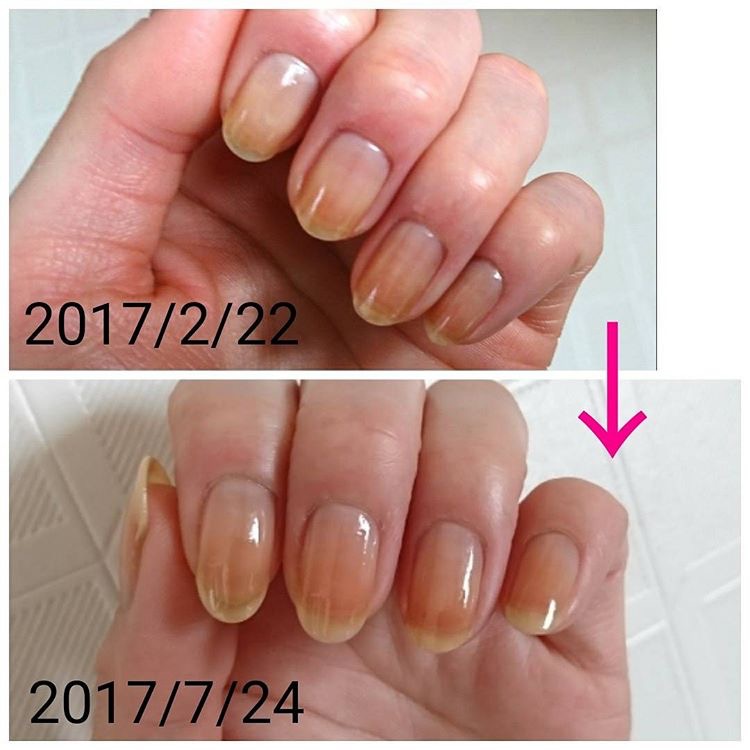
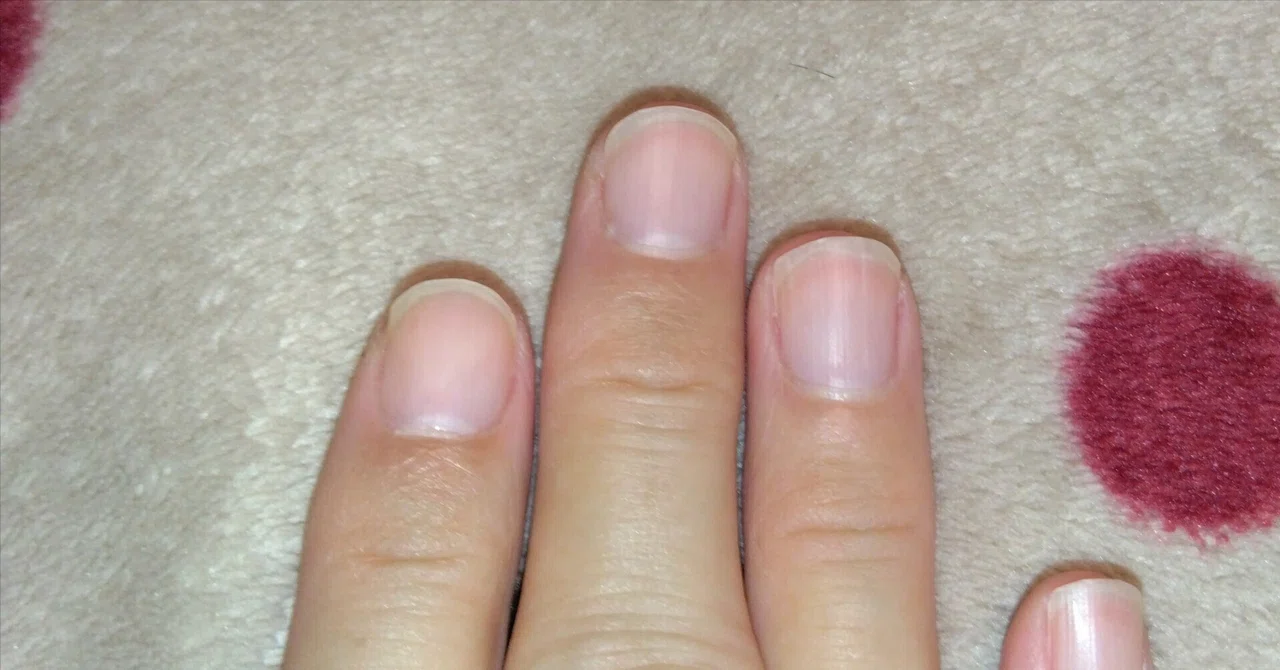
A snagged thread on a winter sweater often signals a silent, frustrating dermatological breakdown: the distal nail plate flaking off in thin, brittle sheets. Known clinically as onychoschizia or lamellar dystrophy, this horizontal splitting of the dorsal keratin sheets affects roughly 20% of adults, accelerating rapidly during late autumn and winter. As highlighted in a clinical breakdown by the 読売新聞 Report, the core catalyst is a sharp drop in ambient humidity coupled with repeated wetting and drying cycles, which strips the nail plate of its natural lipid matrix.
Rather than signaling a catastrophic systemic illness, peeling nails usually reflect environmental wear, mechanical trauma, and lipid depletion within the upper keratin plates. Restoring the structural integrity of the nail requires more than a casual swipe of hand cream. You need targeted changes in mechanical grooming, chemical exposure, and topical lipid replenishment across the entire four-to-six-month nail regrowth cycle.
📌 Key Takeaways:
- The Root Vulnerability: Onychoschizia occurs when nail hydration drops below 10%, causing intercellular cement between horizontal keratin sheets to disintegrate.
- The Grooming Culprits: Metal clippers, back-and-forth sawing with coarse emery boards, and acetone solvents weaken the nail edge faster than nutritional deficits.
- The Restoration Path: Consistent cuticle oil application, non-acetone removers, and single-direction glass nail filing repair the distal edge within 16 to 24 weeks.
The Cellular Mechanics Behind Keratin Layer Splitting
The human nail plate is not a uniform piece of hardened tissue. It is a dense, laminated structure consisting of roughly 25 layers of flattened, dead keratinocytes organized into three distinct tiers: the dorsal, intermediate, and ventral plates. The dorsal layer is the hardest and most compact, shielding softer intermediate cells below. These cellular strata are bound together by cell-adhesion complexes and a delicate layer of structural lipids, mainly cholesterol and free fatty acids.
Healthy nails contain between 12% and 18% water. When the moisture content dips below 10%, flexibility disappears. The intercellular cement holding the flattened layers snaps under minor lateral stress, causing the dorsal and intermediate layers to shear apart at the free edge. This microscopic shearing is the physical reality of onychoschizia. Because the nail plate absorbs water up to ten times faster than skin and evaporates it just as rapidly, repeated cycles of washing hands and drying them without replenishment suck natural sebum straight out of the keratin mesh.
Why Winter Humidity and Midlife Changes Accelerate Peeling
Seasonal dry spells expose the nail plate to sustained structural stress. Central indoor heating drops indoor relative humidity below 30%, pulling water out of the nail bed through transonychial water loss. Medical analyses tracking occupational hand-washing routines show that seasonal chapping often affects the fingertips long before the palms show signs of eczema.
Aging sharpens this tendency. Clinical data tracking dermatological shifts among adults aged 40 and older show a steady decline in natural sterol production within the nail matrix. As sebum production drops with age, nails produce fewer stabilizing lipids. The nail plate turns pale, grows distinct vertical ridges, and flakes at the tips. The nail also grows roughly 0.5% slower each year after age 25, meaning physical damage lingers at the free edge far longer than it did in younger years.
| Restoration Method | Mechanism of Action | Expected Recovery Window | Estimated Monthly Cost |
|---|---|---|---|
| Daily Cuticle Oil Application | Penetrates intercellular gaps using squalane or jojoba wax esters to seal hydration. | 4, 8 weeks for distal flexibility | $8, $18 |
| Etched Glass Nail Filing | Smooths frayed keratin margins without micro-fracturing adjacent dorsal layers. | Immediate snag reduction | $10, $15 (one-time) |
| Acetone Elimination Protocol | Prevents rapid solvent stripping of the natural dorsal lipid barrier. | 6, 12 weeks | $6, $12 |
| High-Dose Biotin Supplementation | Supports systemic keratin production at the proximal nail matrix. | 16, 24 weeks (full regrowth) | $12, $25 |
Mechanical Repair: Glass Filing and Chemical Hygiene
Clipping peeling nails with traditional guillotine or lever clippers crushes the edge, triggering micro-fissures across compromised layers. Instead, switch to an etched glass nail file. Unlike rough emery boards or coarse metal rasps, chemical-etched glass uses ultra-fine micro-grooves that seal the keratin boundary as you file. File in one direction at a 90-degree angle to the free edge. Sawing back and forth frays delicate keratin cells, making peeling worse.
Chemical exposure requires an equally strict clean-up. Pure acetone dissolves surface oils instantly, leaching essential moisture from the keratin matrix. If you wear nail polish, switch to an ethyl-acetate or soy-based, acetone-free remover, and use it no more than once a week. Wear nitrile or cotton-lined rubber gloves whenever washing dishes, handling household cleaners, or doing yard work. Detergents strip away lipids just as aggressively as industrial solvents.
Restoring the Moisture Barrier With Penetrating Oils
Standard water-based hand lotions struggle to penetrate the tightly packed dorsal keratin plate. They hydrate the surrounding skin, but the water in them evaporates quickly off the nail itself. To restore flexibility, use small-molecule oils that can work into the tight spaces between dead keratinocytes.
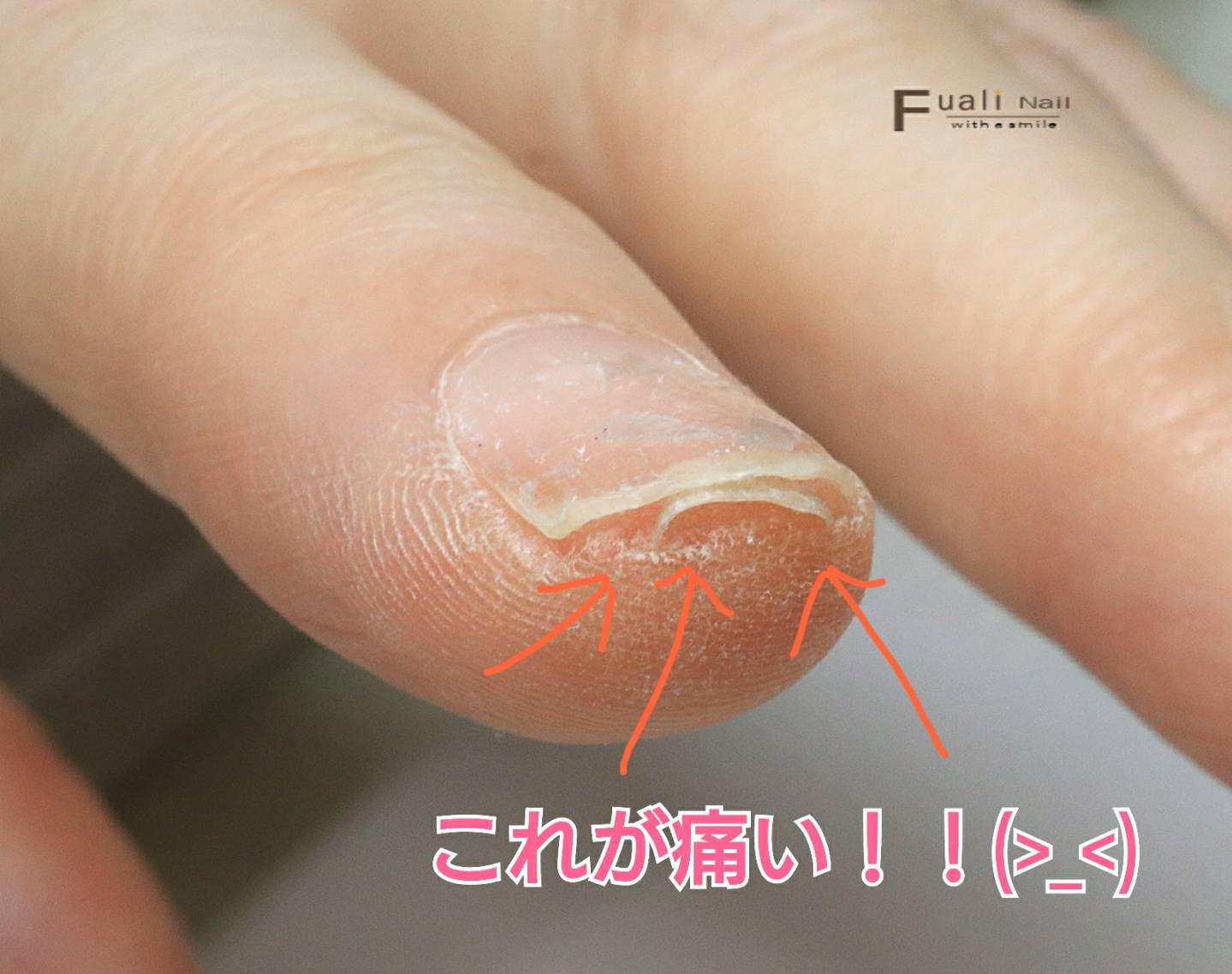
Jojoba oil is the gold standard here. Its molecular structure matches human sebum, allowing it to slip past surface barriers. Squalane and pure almond oil also absorb deeply. For best results, massage one drop of oil into each nail plate, proximal nail fold, and hyponychium twice a day. Apply it right after washing your hands while the nail plate is slightly damp, then lock it in with a thick petrolatum-based balm before bed.
Nutritional Factors: Biotin, Protein, and Systemic Health
External care solves most cases of peeling, but persistent brittleness across all ten fingernails and toenails can point to an internal issue. Keratin synthesis relies on sulfur-rich amino acids, mainly cysteine and methionine. A diet short on complete proteins weakens the cellular bonds formed inside the proximal nail matrix.
Clinical research shows that a daily dose of 2.5 mg of biotin (vitamin B7) can increase nail plate thickness by up to 25% in people with brittle, splitting nails. Biotin aids the lipid synthesis required for healthy keratinization. Expect to wait for results: fingernails grow at an average rate of 3 millimeters per month. A split nail tip will take four to six months to grow out completely from root to tip. Before starting high-dose biotin, talk to your doctor; high levels of biotin can skew critical lab tests, including troponin heart markers and thyroid panels.
The Hardener Paradox: Why Strengtheners Can Backfire
When nails start flaking, people often reach for clear strengthening polishes. This usually backfires. Traditional nail hardeners rely on cross-linking chemicals like formaldehyde, formalin, or high concentrations of nitrocellulose. These ingredients cross-link keratin fibers, making the nail plate intensely rigid.
Rigid nails are fragile nails. A healthy nail plate requires tensile elasticity so it can bend slightly on impact rather than snapping. Hardeners freeze the peeling layers in place temporarily, but they eliminate all natural give. The next time the nail knocks against a hard surface, the inflexible edge cracks higher up the nail bed. Instead of reaching for a chemical hardener, use hydrating ridge fillers or breathable conditioning bases that emphasize moisture retention over artificial stiffness.
Frequently Asked Questions (FAQ)
Q1: How long does it take for peeling nails to heal completely?
A: Because existing keratin layers cannot knit back together once sheared apart, recovery depends entirely on the natural nail regrowth cycle. Fingernails grow approximately 3 to 3.5 millimeters per month. Complete replacement of a damaged nail plate takes between 4 and 6 months. However, surface snags and edge fraying can be stabilized within two to three weeks of daily oil applications and glass filing.
Q2: Can wearing gel polish or acrylics protect peeling nails while they heal?
A: No. While gel and acrylic coatings provide a temporary mechanical shield, their application and removal severely aggravate onychoschizia. The prep buffing thins the dorsal keratin plate, and acetone soaks dissolve essential lipid cements. Covering peeling nails with non-porous synthetics traps dehydration underneath, leading to worse splitting once the enhancement is soaked off.
Q3: When does brittle nail splitting indicate an underlying thyroid condition?
A: If lamellar peeling occurs alongside severe vertical ridging, thinning hair, unexplained cold intolerance, dry skin, and fatigue, it may point to hypothyroidism. Systemic issues typically impact all twenty nails simultaneously, whereas mechanical trauma or chemical damage primarily targets the dominant hand's working fingers (thumbs, index, and middle nails).
Practical Restoration Steps for Lasting Nail Health
Repairing peeling nails is an exercise in routine patience. Damaged, delaminated tips will not reattach themselves. Your real objective is protecting vulnerable new keratin as it emerges from the matrix, ensuring it keeps its essential lipid structure intact as it travels toward the fingertip.
Drop acetone removers from your routine, swap metal files for etched glass, and moisturize with penetrating lipid oils at least twice a day. Shielding your hands from harsh surfactants and dry winter air will stop the peeling cycle for good. Within a few months of steady care, the split layers will grow out, leaving behind a smooth, flexible, and resilient nail plate.