Solo Living Dishwasher Buying Guide: Choosing the Right Model for Your Space

Single-person households in dense metropolitan centers face an enduring architectural headache: the micro-kitchen. In studios across Tokyo, London, and New York, counter space is measured in square inches, and sinks are rarely deep enough to soak a frying pan without splashing the floor. For decades, appliance manufacturers treated dishwashers as suburban luxury items requiring permanent plumbing and two feet of dedicated cabinetry, leaving solo renters tethered to the sink after every meal.
That design barrier has finally collapsed. Advances in self-contained pumping systems and miniaturized heating elements have turned the countertop dishwasher into one of the most practical studio apartment appliances on the market. From standalone units with built-in reservoirs to quick-connect plumbing adapters, solo dwellers now have options that fit narrow counters without risking their rental deposits.
📌 Key Takeaways:
- The Mechanical Split: A portable dishwasher with water tank requires zero plumbing modifications, whereas faucet adapter installation provides hands-free continuous filling for standard sink spouts.
- Resource Efficiency: Countertop dishwashers average 1.3 to 2.4 gallons of water per cycle, cutting usage by roughly 70% to 80% compared to traditional running-tap handwashing.
- Spatial Limitations: Mini dishwasher capacity accommodates two to three place settings (roughly 15 to 22 individual items), meaning larger pots and 11-inch dinner plates must still be washed by hand.
How Micro-Apartments Sparked the Countertop Cleaning Boom
Urban real estate trends have steadily shrunk residential kitchen footprints. In typical 200-to-400-square-foot studio apartments, food preparation surfaces often measure less than 24 inches wide. Developers routinely sacrifice secondary appliances to preserve floor space, assuming single residents will either order takeout or resign themselves to handwashing a single plate and mug each night.
That assumption ignored basic behavioral economics. Solo cooks often let dishes accumulate throughout a busy workweek because washing a solitary cutting board feels inefficient. The resulting clutter consumes the only prep surface available, paralyzing the kitchen. Japanese appliance makers like Panasonic pioneered the tabletop format to address standard 1K rental flats, but global manufacturers like Farberware, Comfee, and Hermitlux have since adapted the concept for global micro-housing.
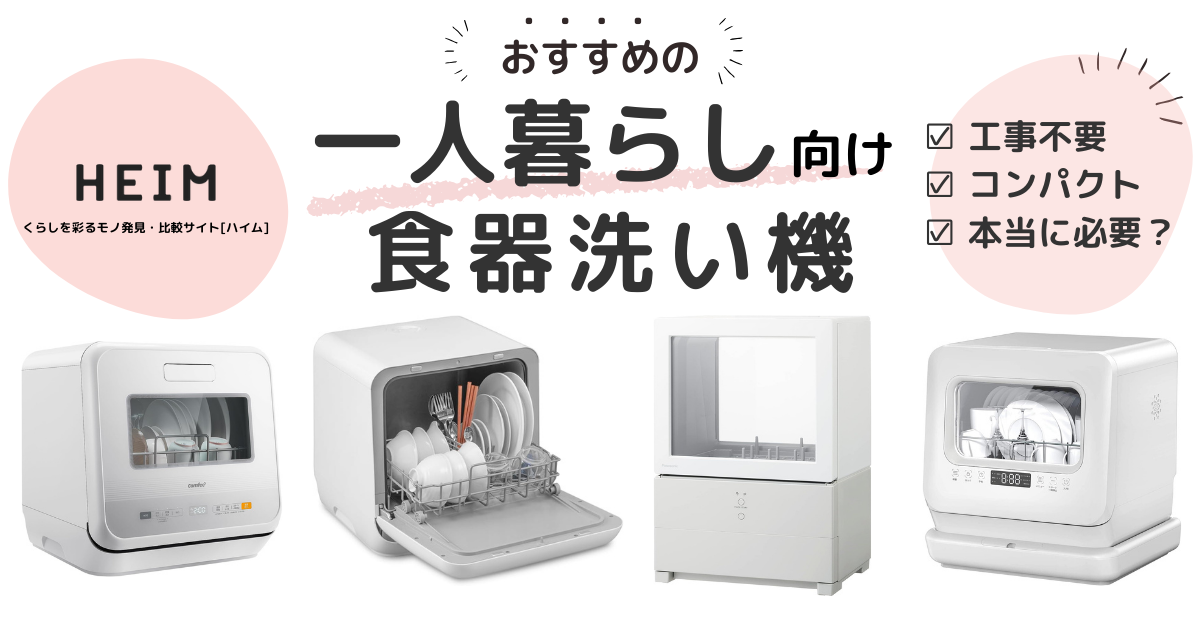
Modern tabletop dishwasher dimensions typically hover around 16.5 to 17.5 inches in height, width, and depth. This footprint allows them to slide beneath standard upper cabinets that sit 18 inches above counter surfaces. By shifting dish cleaning from a chore of friction to a contained mechanical routine, these machines turn tiny kitchenettes into fully functional cooking spaces.
Built-In Water Tanks Versus Faucet Adapters: Resolving the Setup Dilemma
Choosing a solo dishwasher comes down to one core mechanical distinction: how water enters the machine. Renters cannot alter wall pipes or drill into countertops, making renter-friendly kitchen upgrades the only viable path forward.
A portable dishwasher with water tank represents the least invasive option. These units feature an internal 5-liter (1.3-gallon) reservoir filled manually from the top using an included pitcher. The machine requires only a standard grounded electrical outlet and a drainage path, which is handled by dropping an outlet hose into the sink basin with a suction cup. The advantage is total location freedom. If counter space is nonexistent, the machine can sit on a utility cart or microwave stand across the room. The trade-off is manual labor: you must haul three or four pitchers of water to the top inlet before running a cycle.
Models relying on faucet adapter installation draw water directly from the kitchen tap. These units use a bypass valve called a unicouple that threads onto the spout in place of the standard aerator. When the cycle begins, the machine pulls hot water automatically, leaving the sink faucet operational through a secondary diverter switch. This eliminates the pitcher-filling routine, but it introduces aesthetic clutter. Heavy hoses must span the counter to the tap during operation, and specialized pull-out spray faucets or designer square spouts often lack standard threading, rendering adapters unusable without custom brass fittings.
Real Operational Metrics: Water Efficiency, Power Costs, and Decibels
Skeptics often claim that running a mechanical cycle for one person's dishes wastes utility resources. Experimental testing repeatedly proves the opposite. Handwashing under a running tap for ten minutes discharges 15 to 25 gallons of heated water. In contrast, an efficient countertop dishwasher recirculates a small volume through high-pressure spray arms, filtering particles across multiple wash stages.
| Washing Method | Water Use per Cycle | Energy Consumption | Acoustic Output |
|---|---|---|---|
| Manual Handwashing (Running Tap) | 12, 20 gallons (45, 75 L) | 0.8, 1.5 kWh (water heater draw) | 35, 42 dB (sink flow) |
| Countertop (Internal Water Tank) | 1.3, 1.6 gallons (5.0, 6.0 L) | 0.35, 0.55 kWh per run | 50, 55 dB |
| Countertop (Plumbed / Faucet Link) | 1.8, 2.4 gallons (6.8, 9.1 L) | 0.40, 0.65 kWh per run | 48, 53 dB |
| Slimline Built-In (18-Inch Cabinet) | 2.5, 3.2 gallons (9.5, 12.1 L) | 0.65, 0.90 kWh per run | 44, 48 dB |
When assessing electricity running costs, the internal water heater is the primary consumer. Heating ambient water up to 150°F to 160°F (65°C to 71°C) to sanitize ceramic and dissolve animal fats accounts for roughly 80% of the machine's electrical draw. At standard residential utility rates of $0.16 to $0.23 per kWh, running a daily load costs between $0.06 and $0.15 per cycle. Over a full month, operating expenses rarely exceed $4.50.
Noise level decibels are critical in open-concept studio apartments where your bed might be six feet from the sink. Budget compact dishwashers register between 52 and 58 dB during their drain pump cycles, roughly equivalent to a domestic conversation. Premium insulated designs stay closer to 48 to 50 dB. If you sleep lightly, running cycles overnight in an undivided studio will require choosing a machine with heavier motor dampening or setting the timer for hours when you are away.
Tabletop Dimensions and Layout Engineering in Cramped Studios
Fitting an appliance into a compact kitchen layout requires measuring three distinct clearances: base footprint, vertical headroom, and door swing radius. Most renters check width and depth but forget vertical clearance. A machine measuring 17 inches tall will physically slide under an 18-inch upper cabinet, but if it has a top-fill water port, you will not have room to pour water into it with a pitcher. You must either position the unit in front of the cabinet edge, use a low-profile funnel, or rely on a faucet hose.
Weight is an additional structural factor. An empty tabletop dishwasher weighs roughly 28 to 35 pounds. When fully loaded with plates and 11 pounds of water, that weight approaches 45 to 50 pounds. Laminate counters and rolling butcher-block carts handle this load without issue, but lightweight plastic storage racks will buckle.
Drainage routing requires equal attention. Countertop units rely on small, low-powered evacuation pumps. If the drain hose rises more than 12 to 14 inches above the unit's base before spilling into the sink, dirty water will back up into the tub, causing foul odors and electrical error codes. The machine should ideally sit slightly elevated relative to the sink basin rim so gravity can assist discharge.
Inside the Wash Chamber: Capacity Limits and Drying Cycle Performance
Expectations must match mechanical capacity. Mini dishwasher capacity is rated for two place settings by international testing standards. Practically, that means the lower rack accommodates three dinner plates, three side plates, two mugs, two drinking glasses, and assorted flatware. Plates larger than 10.25 inches in diameter will strike the upper spray arm on most models, forcing you to tilt them at steep angles that consume multiple loading slots.
Cookware compatibility requires compromises. A standard 10-inch skillet or 2-quart saucepan will fit, but it will consume half the lower basket. Full-sized roasting sheets, Dutch ovens, and chef's knives must remain in the handwash queue. Solo living with a tabletop unit encourages a rhythm of running immediate, smaller loads right after meals rather than waiting for a massive weekend washdown.
Drying cycle performance separates budget hardware from premium units. In full-sized dishwashers, massive exposed heating coils bake dishes dry. In compact enclosures, that direct heat risks melting plastic components and delicate glassware. Budget compacts use residual condensation drying: rinsing in hot water and letting moisture collect on the stainless steel walls as the tub cools. Higher-end models incorporate PTC heating elements paired with mechanical exhaust fans that vent damp air outward for 60 to 90 minutes post-wash. Some models run an automated fan circulation mode every few hours to keep stored dishes dry and mildew-free for days.
Routine Maintenance Protocols to Prevent Clogs and Scale Build-Up
Because mini dishwashers operate with small water volumes, debris accumulates rapidly if ignored. Unlike commercial dishwashers, compact units lack internal macerators and food disposals. Large scraps will clog the micro-mesh filter basket located at the bottom of the tub.
Renters should adopt three essential maintenance habits:
- Scrape, Never Rinse: Scrape heavy food chunks into the trash, but leave minor grease on plates. Modern enzyme-based dishwasher detergents need organic matter to cling to; washing pre-rinsed dishes causes foaming and leaves detergent residues on glassware.
- Weekly Filter Cleaning: Unlock the circular mesh screen in the tub floor and rinse it under running tap water using an old toothbrush. Trapped fats and food particles will otherwise degrade spray arm pressure and produce musty odors.
- Monthly Descaling Cycles: In regions with hard water, calcium deposits accumulate inside the internal heating coils within weeks. Run an empty high-temperature wash cycle once a month with one cup of white distilled vinegar placed upright in a mug on the upper rack to break down scale without degrading the rubber gaskets.
Frequently Asked Questions (FAQ)
Q1: Can a countertop dishwasher damage standard rental kitchen plumbing?
A1: No. Faucet adapter setups thread directly onto standard aerator collars without altering internal pipes. For units utilizing built-in water tanks, there is no plumbing connection at all; wastewater exits harmlessly through a flexible hose into your existing sink drain.
Q2: Do portable dishwashers require special detergent pods?
A2: Yes, dose management is critical. Standard full-size detergent pods contain far too much chemical agent for a 1.5-gallon wash tub, creating heavy suds that can trigger leak sensors and leave cloudy films on glassware. Powdered detergents, liquid gels, or compact mini-tablets allow you to measure out the 0.3 to 0.5 ounces required for small volumes.
Q3: How do I wash dishes if my counter space is too small for the dishwasher?
A3: Mount the machine on a heavy-duty rolling kitchen cart with lockable casters. Roll the cart adjacent to the sink during wash cycles to allow drainage, and return it to a storage corner or closet when the cycle concludes.
Choosing the Right Model for Your Solo Routine
Investing in a compact dishwasher comes down to evaluating counter real estate against personal time. If you prepare fresh meals at home daily, handwashing claims roughly 30 to 45 minutes every evening. A tabletop machine cuts active chore time down to a two-minute loading sequence, while consuming a fraction of the hot water required at the tap.
Choose an internal water tank model if your apartment faucet features a pull-out spray wand or non-standard threading that prevents mechanical adapters. If you have clear counter space right next to a traditional faucet spout, an adapter-linked machine eliminates the chore of manual filling entirely. Measure your plate diameters, calculate the distance between your counter and upper cabinetry, and select an appliance that fits your daily cooking habits without crowding out prep space.