Swollen Batteries and Burnt Logic Boards: Inside the Diagnostics of Dead Smartphones
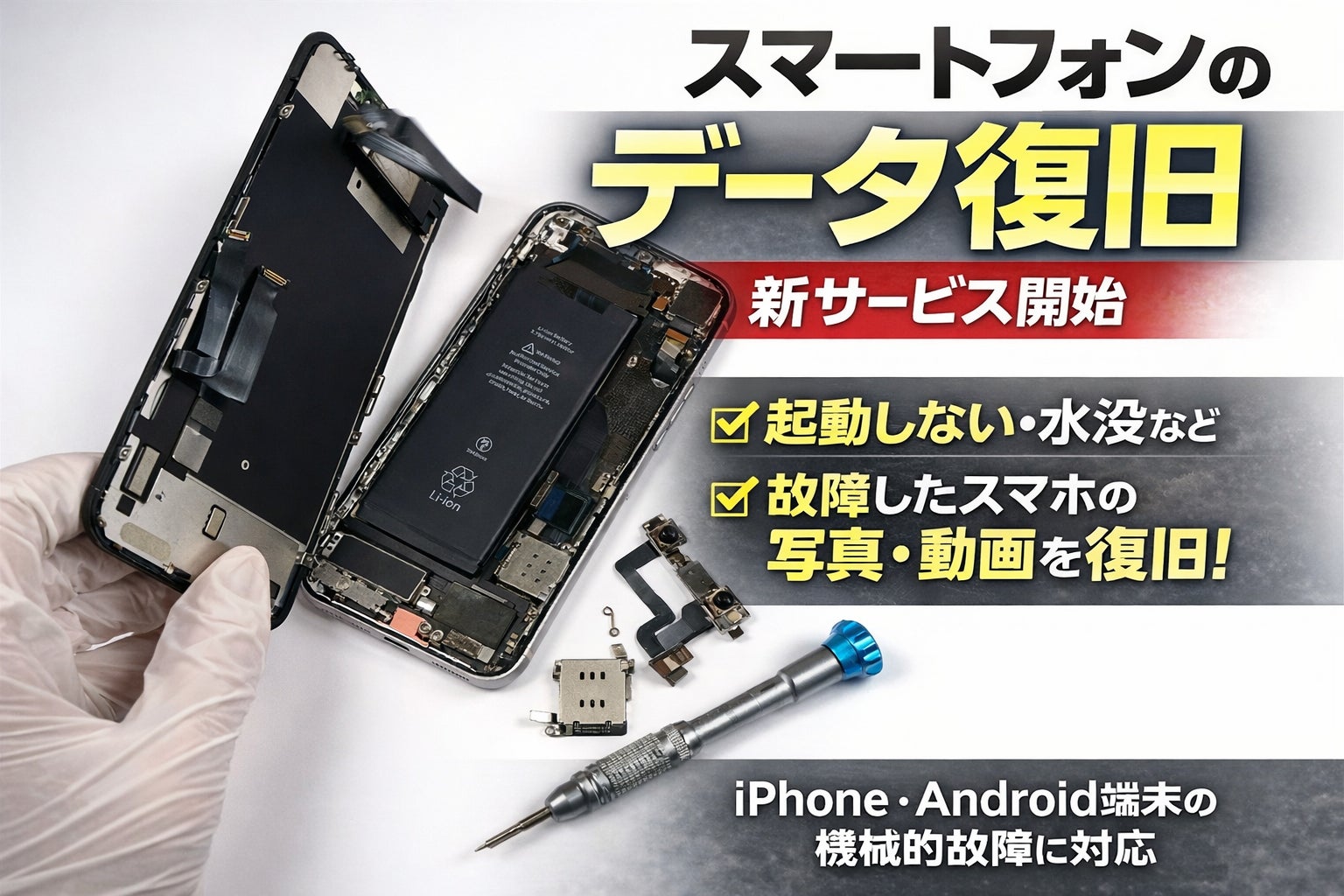
A dead screen carries a distinct finality. You press the power button, hold it down for ten agonizing seconds, plug in a verified charging cable, and wait for a familiar vibration that never arrives. Behind the scenes at modern micro-soldering benches, technicians see this exact catastrophe every morning. Device failure is rarely an unexplainable software glitch; it is almost always physical degradation operating beneath millimeters of adhesive and titanium. As documented in a recent Web東奥 Report, neighborhood repair facilities like Smartphone Doctor Sapporo Minami saw such a steep rise in sudden shutdowns, battery swelling, and charging port malfunction that they launched free four-day triage clinics in September 2026 to catch failing hardware before devices suffered total system death.
When a device refuses to boot, the underlying cause is often structural. Modern phones pack immense energy density and multi-layered printed circuit boards into tightly sealed envelopes. When that balance collapses, the device shuts down to prevent catastrophic thermal runaway or component burnout.
📌 Key Takeaways:
- The Diagnostic Reality: An unresponsive black screen is rarely a dead display; bench tests show that roughly 65% to 75% of sudden power losses stem from power rail shorts or depleted battery protection circuits.
- The Physical Culprit: Physical chassis separation or a glass display lifting along the perimeter confirms active swollen battery diagnostics, requiring immediate isolation.
- Data Recovery Viability: Logic board failure does not automatically wipe flash storage; specialized micro-soldering labs routinely bypass blown power chips to extract data directly.
Visual Warning Signs Behind the Unresponsive Black Screen
Before a phone goes completely cold, it almost always leaves a trail of physical evidence. Technicians inspecting intake units rarely boot them up right away. They sight down the edge of the device under angled LED light. If the display panel sits a fraction of a millimeter above the chassis rim, gas has already begun generating inside the lithium-ion pouch cell.
Chemical decomposition within lithium-cobalt oxide batteries releases carbon dioxide, hydrogen, and carbon monoxide. This gas inflates the protective foil packaging. Users often mistake the initial swelling for dirt trapped in the seams or assume a drop dislodged the screen bracket.
A swollen cell exerts immense internal pressure against the underside of the AMOLED panel and the logic board. This mechanical force shears tiny surface-mount components off the circuit substrate. A second visual cue hides inside the charging port. Under a 40x microscope, lint is the least dangerous finding. Technicians look for blackened pin contacts or oxidized green copper on the CC (Configuration Channel) pins. A single scorched pin inside a USB-C assembly points to a localized electrical short, often enough to trip an internal protection circuit that prevents the device from accepting power.
How Thermal Cameras and Bench Power Supplies Expose Logic Board Shorts
When a phone shows zero response to an external charger, technicians remove the screen and disconnect the internal battery. Plugging the device into a wall adapter at this stage is dangerous; an unknown short can turn a repairable diode into a melted board trace within milliseconds.
Instead, bench workers connect the main motherboard power rail, frequently labeled VDDMAIN or VDDBATT, to a DC bench power supply.
[DC Bench Supply (4.2V)] ---> [Main Power Rail (VDD_MAIN)] ---> [Current Sensor]
|
+-------------------------------------+
|
[Current Spike: 2.5A+ (Dead Short)]
|
v
[Thermal Camera Imaging]
|
v
[Blown Ceramic Decoupling Capacitor]
The DC supply reveals the phone’s true state through current draw:
- If current draw reads 0.000A when the power button is depressed, the circuit is open. The power switch line is broken, or the primary Power Management Integrated Circuit (PMIC) is completely unresponsive.
- If current instantly spikes to 2.0A or 3.5A without pressing the power key, direct current is flowing straight to ground. This indicates a dead short circuit.
To pinpoint the exact component causing the short among thousands of microscopic capacitors, technicians switch to infrared thermal imaging. Under an IR sensor, the motherboard shows cold blue traces until current is injected. Within seconds, a single ceramic capacitor or an audio amplifier chip glows blazing white, heating up past 85°C. That glowing component is your short. In most cases, removing that damaged capacitor with hot air clears the ground fault and allows the phone to boot normally.
Diagnosing the Point of Failure: Battery, Port, or Motherboard
Pinpointing why a phone stays dark requires separating energy supply problems from board-level electrical faults. Independent repair facilities see clear divisions in component lifespans, repair costs, and data preservation outcomes.
| Symptom Pattern | Probable Root Cause | Lab Diagnostic Method | Typical Repair Scope |
|---|---|---|---|
| Screen dark, 0.00A current draw, no haptic feedback | Blown PMIC or broken power button flex trace | Diode mode multimeter testing on power switch pads | Component replacement or flex cable swap ($80, $160) |
| Looping splash logo, rapid heat at top of frame | CPU/RAM sandwich separation or corrupted NAND read | Oscilloscope verification of I2C/SPI communication lines | Micro-soldering reballing ($180, $350) |
| Physical frame bulge, battery drain while powered off | Electrolyte breakdown, parasitic capacitor leakage | Physical thickness caliper measurement, quiescent current check | Cell replacement, capacitor removal ($70, $130) |
| USB ammeter fluctuates wildly (0.1A to 0.8A) | Damaged charging port pins or failing Tristar/Hydra IC | USB-C breakout board pin resistance profiling | Sub-board replacement or charge IC replacement ($60, $140) |
The Mystery of Battery Drain While Powered Off
Few things puzzle users more than turning off a smartphone with an 80% charge, leaving it in a drawer for two days, and finding it completely depleted. While many suspect aging software or battery health calibration errors, the culprit is often a physical hardware failure known as parasitic draw.
A powered-down phone should draw minimal current, usually under 50 microamps (0.05mA) to keep the real-time clock alive. When internal capacitors degrade from microscopic voltage spikes or minor liquid exposure, their dielectric insulation breaks down. The capacitor stops acting like an open circuit and turns into a tiny, unintended resistor.
This damaged capacitor bridges the main battery voltage rail directly to ground. It constantly siphons between 50mA and 300mA, even when the processor is fully asleep. The device steadily converts its own stored energy into low-level heat.
Over a weekend, this steady leak drops the battery's voltage below its critical cut-off threshold of roughly 2.8V. Once a cell drops below that boundary, its internal protection circuit trips, locking the pack so it can't accept a standard charge. The owner plugs it in on Monday morning, sees an unresponsive screen, and assumes the logic board died overnight.
Board-Level Micro-Soldering and Emergency Data Extraction
When liquid makes contact with a phone's internal components, it triggers immediate galvanic corrosion across the high-voltage lines powering the display backlight and battery rails. The minerals dissolved in tap water or saltwater bridge adjacent copper pins, burning away PCB traces.
Specialized data recovery initiatives launched across the industry in early 2026, including expanded multi-platform retrieval labs introduced by Japanese recovery specialists, approach these dead logic boards with a triage mindset. Technicians don't need the phone to be fully usable again; they only need it to power on long enough to dump its onboard memory.
+--------------------------------------------------------------+
+--------------------------------------------------------------+
[Corroded Traces] ---> Scraped back to bare copper under 40x zoom
[Severed Rails] ---> Jumpered with 0.02mm insulated copper wire
[Fried PMIC Chip] ---> Replaced with donor silicon using flux & hot air
|
v
[Board Boots into Temporary Low-Power State]
|
v
[Fastboot/Recovery Mode Extracts Data via USB Controller]
Direct chip-off flash memory extraction used to be the gold standard: technicians desoldered the NAND chip and dropped it into an external reader. On modern hardware, hardware-level encryption makes that approach obsolete. The device's NAND storage is married to its CPU and Secure Enclave through hardware-bound encryption keys.
If you desolder a modern storage chip and drop it into a reader, all you get is encrypted noise. Technicians must rebuild the physical logic board itself. They scrape back burned PCB layers down to bare copper, solder insulated micro-jumpers thinner than human hair across broken power rails, and install working donor power chips. The phone only needs to boot into a temporary recovery state long enough to decrypt and pull user photos and records over USB.
Preventative Diagnostic Protocols You Can Perform
Catching these hardware problems early prevents lost data and costly micro-soldering repairs. A structured diagnostic approach helps determine whether your device requires bench repair or a routine battery swap:
- The Flex and Light Inspection: Lay the phone face down on a flat glass surface and look for any wobble. Flip it and repeat. Any rocking motion indicates the internal battery has begun expanding, flexing the enclosure before the screen openly separates.
- The Cold Ammeter Test: Connect the device to a dedicated inline USB ammeter. If the meter reads 0.00V / 0.00A, inspect the cable and port pins under bright light. If the meter locks at 5.0V / 0.45A and never negotiates higher power delivery, the device is stuck in pre-charge mode, meaning the battery pack voltage has dropped too low to accept a fast charge.
- The Thermal Check During Recharging: Feel the device five minutes after plugging it in. If a concentrated hotspot forms around the camera bump or upper logic board area while the battery compartment stays room temperature, unplug it immediately. That localized heat points to a power rail short rather than normal charging warmth.
If the phone has been dropped in water, skip the common myth of placing it in a bag of uncooked rice. Rice does not pull water out from beneath surface-mount shields, and rice dust gunks up the charging port. Instead, leave the device powered off, avoid plugging it in, and bring it to a shop equipped with an ultrasonic cleaning tank to strip away moisture before corrosion sets in.
Frequently Asked Questions (FAQ)
Q1: Can a smartphone battery swell without bursting into flames?
A1: Yes. The sealed foil pouch of a modern battery is designed to contain gas produced during chemical decomposition. A swollen cell is a clear hazard that requires professional replacement, but internal battery layers are built to stretch rather than vent fire unless the outer foil is punctured or crushed.
Q2: Why does an inline USB tester show power going into my dead phone if the screen never turns on?
A2: When a phone draws steady current (such as 0.9A to 1.2A) without showing an image, the logic board is usually booting normally. The issue is likely a failed display assembly, a severed backlight circuit, or an unplugged display flex cable rather than a dead core board.
Q3: How much does logic board repair cost compared to buying a replacement phone?
A3: Board-level micro-soldering typically costs between $150 and $350 depending on whether the job involves swapping a basic capacitor or performing a complex CPU rebuild. If the goal is recovering unbacked-up data, targeted board repair is usually far cheaper than dedicated cleanroom forensics.
The Hardware Realities of Modern Device Longevity
Modern smartphones are tightly packed engineering marvels. Layers of heat spreaders, logic boards, and lithium-ion cells operate within millimeter-thick margins. When one component fails, the entire system shuts down. An unresponsive black screen is rarely a total mystery; it is simply physical hardware reacting to electrical faults, heat cycles, or age.
Understanding how logic boards fail changes how we care for our devices. Spotting a bowed chassis early, paying attention to sudden overnight battery drops, and keeping charging ports clean will keep your phone running. And when a screen inevitably goes dark for good, it doesn't mean your data is gone forever, it's usually just waiting for a technician with a thermal camera, a steady hand, and a soldering iron.