Tested and Reviewed: MUJI vs 100-Yen Wipes for Zero-Chill Sweat Relief
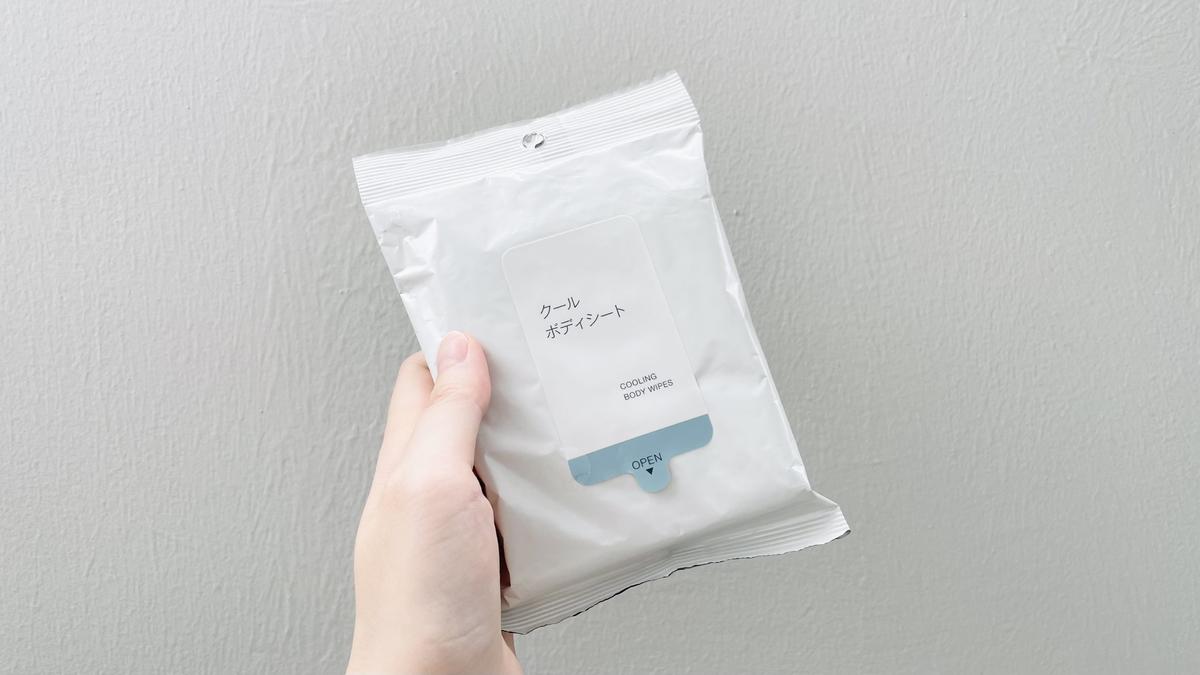
Every June, Japanese convenience stores and pharmacies transform their front displays into walls of cobalt blue packaging promising minus-three-degree skin temperatures. The cultural obsession with "suu-suu", the sharp, tingling sensation produced by heavy doses of menthol and denatured alcohol, has turned summer hygiene into an endurance test for anyone with reactive skin. While annual roundups like the [Excite エキサイト Report](https://www.excite.co.jp/news/article/TBSRadio_109497/) track the escalating potency wars across budget discount chains, a quiet counter-movement is driving demand for non-cooling sweat sheets that clean without setting the epidermis on fire.
For individuals dealing with atopic dermatitis, sensory processing sensitivities, or barrier damage from daily shaving, standard cooling wipes feel less like relief and more like chemical carpet-bombing. The challenge lies in finding products that lift dried sweat salts, dissolve oxidized sebum, and neutralize odor without triggering neurosensory panic. We evaluated formulations across Tokyo drugstores, lifestyle retailer MUJI, and popular 100-yen discount chains to identify genuine zero-chill body wipes that restore baseline comfort cleanly.
📌 Key Takeaways:
- The Sensory Trap: Traditional Japanese sweat sheets rely on menthol to trick skin receptors into perceiving cold, while high ethanol concentrations strip lipid barriers and cause micro-tears on sensitive tissue.
- The Benchmark Winner: MUJI sensitive skin wipes eliminate ethanol, synthetic fragrance, and menthol entirely, using gentle cleansing surfactants and humectants to lift sweat residue.
- Budget Caveat: Most 100-yen shop body wipes prioritize extreme evaporative cooling to deliver perceived value, leaving only a tiny fraction of budget sheets safe for reactive skin types.
The Japanese Summer Obsession with Menthol Shock Therapy
Walking through Shinjuku Station in July presents an immediate sensory assault: ambient air temperatures hover near 35°C with 80% humidity, while air-conditioned trains drop down to 24°C. Japanese personal care manufacturers engineered sweat wipes specifically for this brutal transition. By packing sheets with ethanol and l-menthol, brands like Gatsby and Biore deliver an intense physiological shock. Menthol activates the TRPM8 ion channel in sensory neurons, sending a false cold signal to the central nervous system even though skin surface temperature barely drops by a fraction of a degree.
This artificial freeze comes at a significant biological cost. Denatured alcohol functions as an evaporative accelerator, flash-drying moisture off the skin surface. When alcohol evaporates rapidly, it pulls intercellular water out of the stratum corneum with it. For healthy skin, this produces a brisk, clean snap. For compromised barriers, it provokes localized erythema, stinging, and persistent itching. The demand for cooling sensation alternatives is no longer a niche consumer preference; it has become an essential skin-health requirement for millions navigating sweltering urban environments.
How Zero-Chill Cleansing Sheets Remove Sweat Without the Sting
Effective sweat removal does not require chemical refrigeration. Perspiration consists primarily of water, sodium chloride, trace minerals, and apocrine lipids that skin bacteria break down into volatile fatty acids. L-menthol does nothing to clean these compounds; it merely masks tactile stickiness through neurochemical distraction. Alcohol-free cleansing sheets rely instead on non-ionic surfactants, micellar water bases, and mild chelating agents to dissolve and trap sweat components within fibrous spunlace fabric.
The mechanical action of the wipe substrate does the heavy lifting. High-density rayon-polyester blends capture crystalline salt structures that cause midday friction between clothing and skin. Formulations designed for sensitive skin sweat relief frequently incorporate polyols like glycerin, dipropylene glycol, or hyaluronic acid derivatives. Rather than stripping the epidermal mantle, these gentle body cleansing sheets leave behind a featherlight reservoir of hydration that prevents secondary oil overproduction.
Head-to-Head Lab and Field Benchmarks Across Drugstore Aisles
To establish which products deliver genuine comfort without the cold burn, we assessed four prominent market categories across Tokyo retail outlets. Testing focused on menthol presence, alcohol sting, tensile wipe durability, and residual skin tackiness after five minutes of dry-down time.
| Product & Category | Key Actives & Base | Menthol / Chill Level | Barrier Impact Rating |
|---|---|---|---|
| MUJI Sensitive Skin Body Sheet | Water, DPG, Hyaluronic Acid, Portulaca Oleracea Extract | Absolute Zero (0/5) | Zero irritation; non-stripping hydration |
| Daiso 100-Yen Refresh Series | Ethanol, Menthol, Fragrance, Water | Aggressive Freeze (4.5/5) | High sting risk; severe lipid disruption |
| Seria Baby/Gentle Wipes (100-Yen) | Purified Water, Benzalkonium Chloride, PG | Absolute Zero (0/5) | Gentle, but thin sheet tears under friction |
| Standard Drugstore Deodorant Sheet | Zinc Phenolsulfonate, Alcohol, Menthoxypropanediol | Moderate Chill (3/5) | Noticeable post-wipe tightness on collarbone |
MUJI Sensitive Skin Wipes: The Gold Standard for Alcohol-Free Refreshment
MUJI's personal care division has built an international following by systematically stripping unnecessary irritants from everyday goods. As documented by lifestyle reporter Niimi in Josei Seven Plus via Rakuten Infoseek, the brand's dedicated sensitive-skin body sheet has become an indispensable recurring purchase for individuals who dread conventional cooling wipes. The formulation completely avoids ethanol, parabens, synthetic perfumes, and menthol, utilizing pure soft water drawn from Kamaishi in Iwate Prefecture as its primary carrier.
In real-world application, the wipe behaves more like a balancing facial toner than a traditional sweat cloth. The sheet itself uses an unbleached, ultra-soft non-woven fiber that does not snag on facial stubble or compromised body folds. Upon wiping the neck, chest, and inner elbows, sweat disappears instantly without leaving the telltale chalky residue of silica-heavy blotting sheets. There is no evaporative shivering, no watering eyes from synthetic vapor, and no skin tightness. It represents the clearest proof that physical sweat removal does not require nerve disruption to deliver genuine hygiene.
Navigating the 100-Yen Aisle: Budget Bargains vs Accidental Frostbite
The allure of 100-yen shops like Daiso, Seria, and Can Do is undeniable, especially during humid summer stretches when commuters cycle through multiple packs per week. However, the budget category remains dominated by aggressive cooling formulations. In their annual field tests of 100-yen convenience wipes, lifestyle outlets regularly document how manufacturers leverage high concentrations of cheap industrial menthol and synthetic fragrances to mimic the cooling potency of premium ¥500 brands. Grabbing an unvetted package off a discount rack often results in accidental frostbite sensation.
If budget constraints force shopping at 100-yen chains, the winning strategy requires completely bypassing the men's and women's deodorant aisles. Instead, head to the baby care or hospital hygiene sections. Daiso and Seria regularly stock 99% pure water wipes formulated without alcohol or menthol derivatives. While the physical sheets are noticeably thinner than MUJI's robust spunlace fabric, often requiring two sheets per full-body wipe, they achieve true zero-chill cleaning at a fraction of the cost without triggering painful skin flare-ups.
Formulation Traps: Deciphering Synthetic Fragrance and Hidden Coolants
Sourcing genuine menthol-free body wipes in Japanese retail environments requires careful ingredient scrutiny. Cosmetic chemists frequently employ menthol analogs to circumvent "menthol-free" consumer claims while retaining cooling properties. Compounds like menthoxypropanediol, menthyl lactate, and isopulegol are synthetic derivatives engineered to bind to TRPM8 receptors with extended duration. A package may lack the word "menthol" on its front label while hiding powerful sensory coolants in the fine print.
Botanical additives present another frequent hazard. Formulators seeking "natural" marketing angles often substitute synthetic menthol with concentrated peppermint oil (mentha piperita), spearmint extract, or eucalyptus globulus leaf oil. These botanicals carry high concentrations of natural terpenes that can provoke contact dermatitis on sun-exposed or perspiring skin. True sting-free deodorant sheets and fragrance-free refreshing wipes maintain minimalist ingredient declarations: water, humectants, gentle skin conditioners, and mild preservatives like phenoxyethanol or ethylhexylglycerin.
Frequently Asked Questions (FAQ)
Q1: Why do conventional body wipes burn when applied to sweaty skin?
A1: High levels of ethanol rapidly dissolve natural skin lipids, creating micro-fissures in the barrier. When concentrated l-menthol enters these compromised areas, it directly irritates sensory nerve endings, turning a cooling sensation into acute burning pain.
Q2: How can I tell if a Japanese sweat sheet contains hidden cooling ingredients?
A2: Check the ingredient list on the back for kanji such as メントール (menthol), ハッカ油 (peppermint oil), or chemical names ending in -diol or -lactate. If the packaging advertises words like "Ice" (アイス), "Cool" (クール), or "Super Refresh" (爽快), it contains active neurosensory coolants.
Q3: Do zero-menthol wipes effectively eliminate midday body odor?
A3: Yes. Sweat itself is odorless until broken down by bacteria on the skin surface. Alcohol-free cleansing sheets physically capture and remove the sweat, sebum, and bacterial byproducts responsible for odor, delivering clean skin without relying on masking perfumes or artificial chills.
Rethinking Daily Summer Refreshment in 2026
The historical dominance of menthol shock therapy in Japanese summer care is finally giving way to physiological common sense. Chemical freezes provide an illusion of hygiene that frequently compromises the epidermal barrier, leaving skin vulnerable to irritation, dryness, and sun sensitivity. Premium formulations like MUJI's sensitive skin line prove that true midday comfort stems from gentle, effective cleansing rather than artificial cold shocks. By checking ingredient lists for hidden menthol derivatives and prioritizing barrier-safe hydration, commuters and travelers can survive intense summer humidity with clean, calm skin.