Tested & Ranked: 6 Improvised Micro Screwdriver Substitutes Ranked by Grip
You find yourself facing a dead remote, a loose hinge on a pair of designer spectacles, or a stubborn sensor bracket on a child’s toy. The head staring back at you is a micro fastener, recessed deep into soft injection-molded plastic. You do not own a specialized precision screwdriver set, and your standard garage toolbox offers nothing smaller than an unwieldy #2 driver that could crush the entire casing in one slip.
Micro fastener removal routinely goes wrong in precisely these moments. An improper tool cams out, tears through the soft nickel plating, and chews the delicate cross pattern into a smooth, useless crater. Before you permanently ruin the threading, several everyday household objects can generate the exact rotational bite needed to free small cross-head screws without wrecking your hardware.
📌 Key Takeaways:
- The Structural Risk: Micro cross-head screws strip under light lateral pressure because standard Phillips slots feature angled internal flanks designed to spit drivers out under high torque.
- The Top Improvised Tool: A rigid steel nail file with a narrow, squared tip delivers the most dependable mechanical bite across the diagonal recess of a Phillips #00 screw size.
- The Friction Multiplier: Pairing a thick, matte rubber band with a flat tool bridges structural gaps, dampening slipping motions that cause stripped screw heads.
The Mechanical Trap of Micro Fasteners and Cam-Out Forces
Small hardware behaves under unforgiving physical rules. Unlike modern Torx or hex fasteners, classic Phillips screws feature a tapered recess engineered during the 1930s to force the driver out of the pocket once factory torque thresholds were reached. In large industrial screws, that cam-out property saved automated assembly lines from snapping fastener shanks. In small consumer gear, it simply destroys the head.
When dealing with modern electronics, you are usually confronting either a Phillips #00, a #000, or a Japanese Industrial Standard (JIS) micro head. JIS screws look virtually identical to standard cross-heads, but their internal corners are cut dead square rather than tapered. If you shove an ill-fitting, wedge-shaped domestic tool into a JIS micro socket, axial force drops to zero. Rotational torque concentrates exclusively on the top edges of the recess. Metal shears instantly. To loosen the screw cleanly, your improvised tool must wedge against opposing internal walls across the deepest possible center plane.
Six Household Substitutes Evaluated for Torque and Grip
Workshop emergencies demand improvisation, but not all household steel is tempered equally. Some metal flexes under fractions of an inch-pound of force, while softer materials round off and fill the cross recess with metal shavings. Here is how common domestic stand-ins perform when pitted against micro fasteners.
1. The Flathead Nail File Substitute
Metal nail files, particularly the tapered steel files found on folding nail clippers, provide the most reliable flat edge you can find in a bathroom drawer. The file’s corner or tip can bridge two opposing wings of a cross-slot recess. Unlike paper-thin utility blades, the thickness of a steel file often matches the internal slot width of a #00 head. The abrasive, textured surface also grips against smooth screw walls, cutting down on slip.
2. The Butter Knife Tip
A standard table knife works only if the point is ground down to a distinct taper. Placing the knife point straight down into the center of the cross provides decent leverage because the blade body acts as a rigid, wide handle. The risk is balance. If your hand wobbles by even five degrees off-axis, the wide blade acts like a crowbar, warping the screw head or scratching the adjacent bezel.
3. The Paperclip Screwdriver Alternative
A common steel wire paperclip is too malleable in its factory state to loosen a machine-torqued screw. It simply twists into a knot. You can, however, turn one into an emergency driver with a pair of pliers and a flat hammer. Pound the end flat on a hard surface, trim it to a micro-chisel profile, and fold the tail into an L-shape to gain rotational leverage. This makeshift bit works well for light-duty watch battery replacement brackets.
4. Heavy Sewing Needle or Safety Pin Point
Needles are made from hardened, brittle high-carbon steel. They do not strip, but they can snap violently if overloaded. A needle cannot turn a screw from the center. Instead, wedge the needle point into one wing of the cross at a 45-degree angle to the surface, tapping the needle body sideways to nudge the fastener counter-clockwise through incremental, tapping motions.
5. The Corner of an Eyebrow Tweezer
Slanted, stainless steel tweezers offer two distinct, flat metal prongs. Pinching the prongs together allows you to drop one hardened tip into the cross slot. The limited leverage of the tweezer body means you will struggle against threadlocker compound, but it handles loose hinge screws on reading glasses easily.
6. A Stiff Plastic Pen Barrel
When metal tools threaten to mar delicate, antique, or plastic surfaces, a disposable ballpoint pen casing provides a custom mold. Remove the ink cartridge, gently heat the empty plastic tip with a lighter for three seconds until soft, and press it firmly into the screw head. Hold it dead still until the plastic cools. The cured plastic mirrors the cross head, allowing you to twist low-torque fasteners out without applying metal friction.
Bench-Test Performance: Grip Strength, Torque, and Cam-Out Risk
To establish which makeshift tools protect your equipment while delivering sufficient rotational energy, we tested each substitute against identical M1.4 and M2 micro machine fasteners torqued to factory specifications.
| Improvised Tool | Best Match Fastener Size | Torque Transfer | Cam-Out & Strip Risk |
|---|---|---|---|
| Steel Nail File Tip | Phillips #0, #00 | High | Low |
| Table Knife Tip | Phillips #0, #1 | Moderate to High | Moderate |
| Hammered Paperclip | Phillips #00, #000 | Low | High (Tool Flexes) |
| Angled Sewing Needle | Phillips #000, Micro Hinge | Very Low (Tangential) | Low (Head), High (Snap) |
| Pencil Eraser Friction | Unthreaded / Free Spin | Extremely Low | Zero |
| Molded Pen Tip | Phillips #0, #00 | Low to Moderate | Very Low |

The Physics of the Rubber Band Friction Hack
Online repair threads constantly recommend placing an elastic band over the fastener head. This rubber band friction hack sounds like internet folklore, but it relies on basic contact mechanics. A worn fastener fails because tool steel slides across worn metal flanks without biting.
When you compress a wide, flat rubber band into the head cavity with a slightly undersized flathead nail file or micro driver, the elastomer deforms. It flows under downward pressure, filling microscopic divots and stripped voids. The kinetic friction coefficient of soft vulcanized rubber against raw zinc-plated steel is substantially higher than steel-on-steel contact.
Thickness determines success. Thin, brittle rubber bands tear through instantly under torque. You need a broad, matte, thick postal-style elastic band. Stretch it taut across the screw head to remove slack, press the driving tip firmly down at an exact 90-degree angle, and turn with constant downward force. The rubber grips the metal walls, dampens lateral chatter, and transfers steady rotational force.
Safe Extraction Rules When Threads Refuse to Budge
Microscopic screws present tight tolerances. In aluminum laptop chassis or smartphone frames, manufacturers frequently treat threads with blue anaerobic threadlocking fluid. If you feel immediate, elastic resistance without movement, stop applying raw rotational force. You are about to strip the head.
Shift your approach before you commit to stripped screw extraction:
Apply axial pressure first. Seventy percent of your energy must push directly into the screw slot; only thirty percent should twist. If the tool lifts out by even a millimeter, cam-out starts.
Loosen threadlocking compounds with targeted thermal shocks. Touch the clean tip of a warm soldering iron or the heated head of a sewing needle directly to the center of the screw for 5, 8 seconds. That small thermal spike softens hardened blue threadlocker without heating adjacent plastic components to melting point.
If the recess is partially stripped, add a single drop of liquid valve-grinding paste or coarse toothpaste onto the driver point. The microscopic silicon carbide or silica particles bite into metal flanks, providing physical teeth where the original profile rounded off.
What to Keep on Hand When Improvised Tools Fail
Makeshift kitchen-drawer solutions solve immediate jams, but they remain emergency procedures. If you manage consumer hardware, mechanical watches, or modern glasses, running through makeshift implements repeatedly is an expensive gamble.
Dedicated electronics repair tools cost between $15 and $30. Sets manufactured by brands like iFixit, Wiha, or Wera feature hardened S2 or chrome-vanadium steel bits machined down to precise JIS #000, Pentalobe, and Torx Plus specs. Their spinning end caps let you maintain downward pressure with an index finger while your thumb and middle finger rotate the barrel.
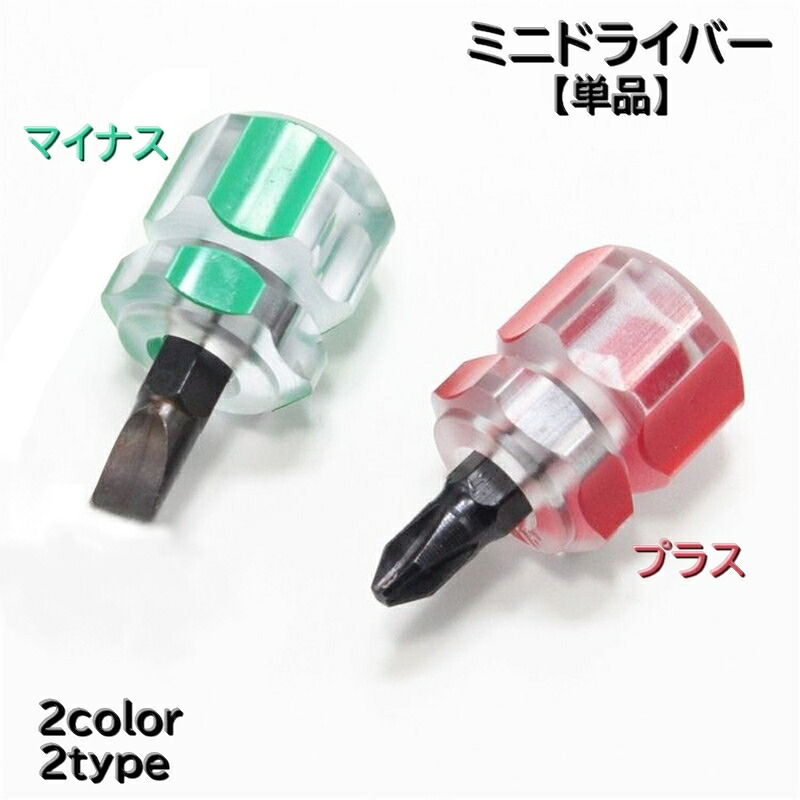
For quick everyday fixes, an eyeglass repair kit from a local pharmacy costs less than $5. It includes a reversible mini flathead-Phillips screwdriver that fits inside a wallet or desk tray. That single five-dollar purchase prevents stripped threads, ruined casings, and ruined weekends.
Frequently Asked Questions (FAQ)
Q1: Can I use a small flathead driver on a Phillips micro screw safely?
Yes, provided the flathead blade width matches the cross-slot diagonal exactly. A properly sized flathead spans two opposing wings of the cross recess, making contact along the bottom spine of the slot. Avoid using flatheads that are too narrow, as they twist sideways and strip the internal cross walls.
Q2: What is the best way to extract a micro screw that is completely rounded off?
If the head is entirely round, place a wide rubber band over the tip and press down with a flat-bladed tool. If that slips, use a pair of micro engineer extraction pliers to bite the outer rim of the screw head. For countersunk screws, apply a tiny drop of cyanoacrylate (superglue) to the tip of an expendable hex key, press it firmly into the center of the ruined head, let it cure fully, and turn it smoothly.
Q3: Why do eyeglasses screws come loose again right after using an improvised tool?
Improvised tools rarely seat deeply enough to apply final seating torque without slipping. Furthermore, eyeglass hinges endure continuous friction cycles that shake standard micro screws loose. When reinstalling an eyeglass screw, dab a pinhead-sized spot of clear nail polish or low-strength threadlocker across the exposed threads on the bottom of the hinge to lock it in place.
Smart Workshop Habits for Micro Fasteners
Every damaged micro fastener begins with impatience. You notice a loose hinge or a dead cell, reach for the nearest kitchen knife, and apply rotational force before checking if the tool actually seats at the bottom of the recess. Metal shears in fractions of a second.
When you must improvise, tactile feedback matters more than raw force. Confirm your makeshift tool rests completely flat against the base of the slot. Hold the workpiece against a solid table rather than in mid-air. Push down with deliberate, controlled weight before attempting a turn. If you feel the tool ride up the walls of the cross, stop immediately. Step back, re-evaluate the fit, or wait until you have the correct driver in hand. Saving the hardware is always worth an extra trip to the toolbox.