The 2026 DIY Penlight Sheet Blueprint: Sizing Trends for New Concert Models
Concert arenas across Tokyo, Seoul, and Los Angeles are glowing with renewed intensity as global pop tours roll out updated penlight hardware. For dedicated concertgoers, off-the-shelf merchandise is rarely the final step. Customizing glow sticks with personalized calligraphy, idol names, and bespoke graphic inserts has evolved from a niche fandom craft into an exacting visual discipline.
Yet the hardware landscape is shifting under fans' feet. Manufacturers have modified barrel diameters, tightened inner cylinder clearances, and upgraded high-output RGBW LEDs, instantly breaking older printable templates. Getting the physical dimensions wrong leaves fans with wrinkled plastic, skewed lettering, or sheets stuck inside expensive acrylic barrels hours before showtime.
📌 Quick Summary:
- The Golden Ratio: The universal baseline for standard cylinders remains an 88mm by 144mm template, but newer 2025, 2026 hardware requires strict 1mm, 2mm adjustments to prevent mechanical binding.
- The Opacity Challenge: High-output LEDs routinely blow out single-ply graphics, making the double layering opacity technique mandatory for legible typography under stage lights.
- Production Pitfalls: Running non-compatible film through commercial laser copiers risks melting the fuser unit, driving a migration toward specialized home inkjet workflows and regulated clear film media.
Hardware Evolutions Alter the King Blade X10 Dimensions
RuiFan's King Blade series has anchored arena fandom for over a decade. The transition from legacy models to the King Blade X10 V and recent Bluetooth-enabled iterations introduced subtle internal refinements. While the outer casing retains its familiar cylindrical aesthetic, the penlight tube inner diameter now measures precisely 26.2mm in standard Shining-style tubes, down from roughly 27mm in earlier variants.
That fractional millimeter variance matters. When fans roll an acetate sheet into a tight cylinder, the material fights against the interior wall. If the cut length exceeds the internal circumference, the sheet overlaps excessively, casting a visible, dark seam across the illuminated chamber. If the sheet is cut too tall, the threaded cap binds against the top edge, causing vertical buckling.
Third-party arena sticks sold at K-pop events and anime conventions introduce further wildcards. Many tour-specific lightsticks ditch hollow tubular designs entirely in favor of an internal acrylic concert glow stick insert or cast-resin light guides. Measuring your target device's removable cylinder before touching a design canvas prevents wasted materials and costly reprints.
The Core Printing Formula: Standard Sizes and Distortion Adjustments
Precision drafting starts with the basic geometric blueprint of an unwrapped cylinder. For the benchmark King Blade Shining tube, the standard cut size sits at 88mm wide by 144mm high. Smoke and Matte variants, which diffuse light across a slightly thicker composite wall, frequently reduce vertical travel to 140mm to accommodate thicker base threading.
Graphic designers must also account for cylinder tube curvature distortion. Typography placed too close to the vertical edges wraps into the background curvature of the tube, rendering text illegible from frontal angles. Safe margins demand at least a 5mm margin on the left and right edges, with primary characters centered along an active display strip no wider than 65mm.
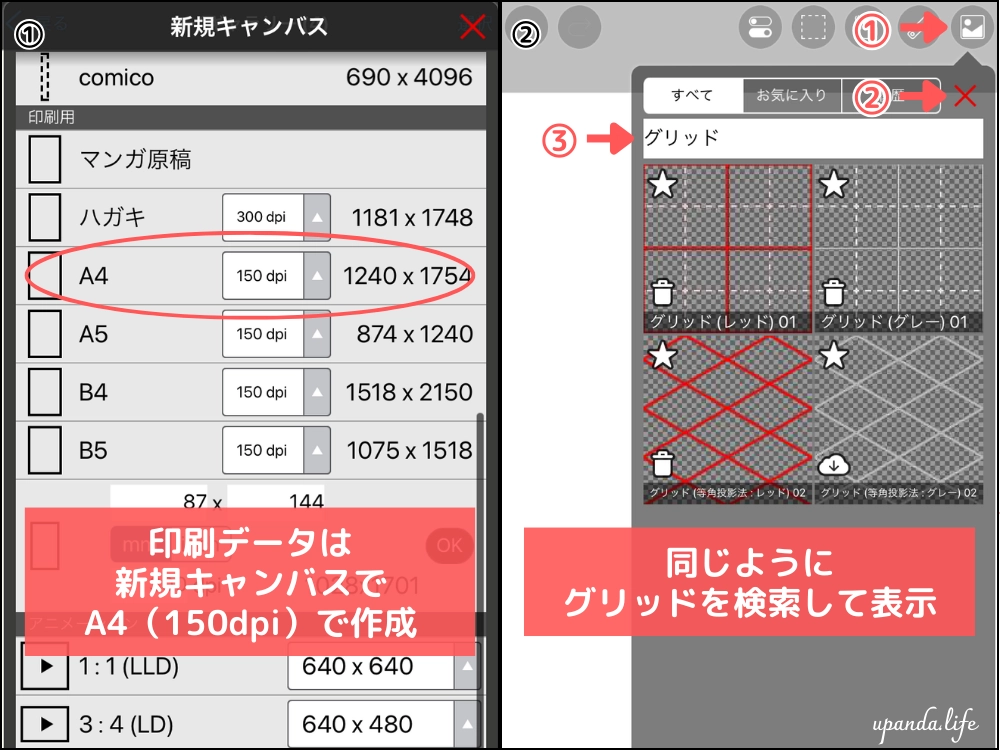
The canvas must be configured at a baseline 300 DPI print resolution (or ideally 350 DPI) inside vector software or digital illustration apps. Submitting low-resolution raster exports results in fuzzy typography that turns into jagged artifacts once backlit by 3-watt emitters.
| Hardware Model | Recommended Sheet Size | Effective Inner Diameter | Optimal Safe Area (W x H) |
|---|---|---|---|
| King Blade X10 III / IV / V (Shining) | 88mm × 144mm | 26.2mm | 78mm × 134mm |
| King Blade Smoke / Matte Cylinders | 88mm × 140mm | 25.8mm | 76mm × 130mm |
| King Blade Super Tube (Short Profile) | 88mm × 105mm | 26.2mm | 78mm × 95mm |
| TurnON Neo Stick (Standard) | 84mm × 140mm | 25.0mm | 74mm × 130mm |
| Generic K-Pop Tour Cylinders (Variable) | 90mm × 145mm (Trim to fit) | 27.0mm, 27.5mm | 80mm × 135mm |
Mobile Workflow Mastery: Canvas Setup via IbisPaint
Desktop applications like Adobe Illustrator and Photoshop were once mandatory for creating clean production files. Today, mobile-first pipelines dominate fan forums. The vast majority of creators configure their layouts directly on smartphones using software like IbisPaint.
Setting up the project requires setting millimeter dimensions directly rather than relying on pixel approximations. For a canvas targeting 88mm by 144mm at 350 DPI, configure your file to exactly 1213 pixels by 1984 pixels. If targeting standard 300 DPI, set the canvas to 1039 pixels by 1701 pixels.
Always generate a perimeter outline set to a hairline stroke of 0.5 points. These serve as cut line bleed margins when trimming the printed transparency with a rotary blade. Retain a 3mm bleed zone around critical design elements. If text edges cross beyond this zone, uneven physical cuts will lop off the edges of glyphs or decorative borders.
Exporting the finalized file demands a lossless format. Never export to compressed JPEG formats, which create compression artifacts around fine text. Export directly to flat PNG with an enabled transparent channel to verify that white elements do not accidentally render as solid, opaque blocks.
The Production Dilemma: Inkjet Versus Laser Film Compatibility
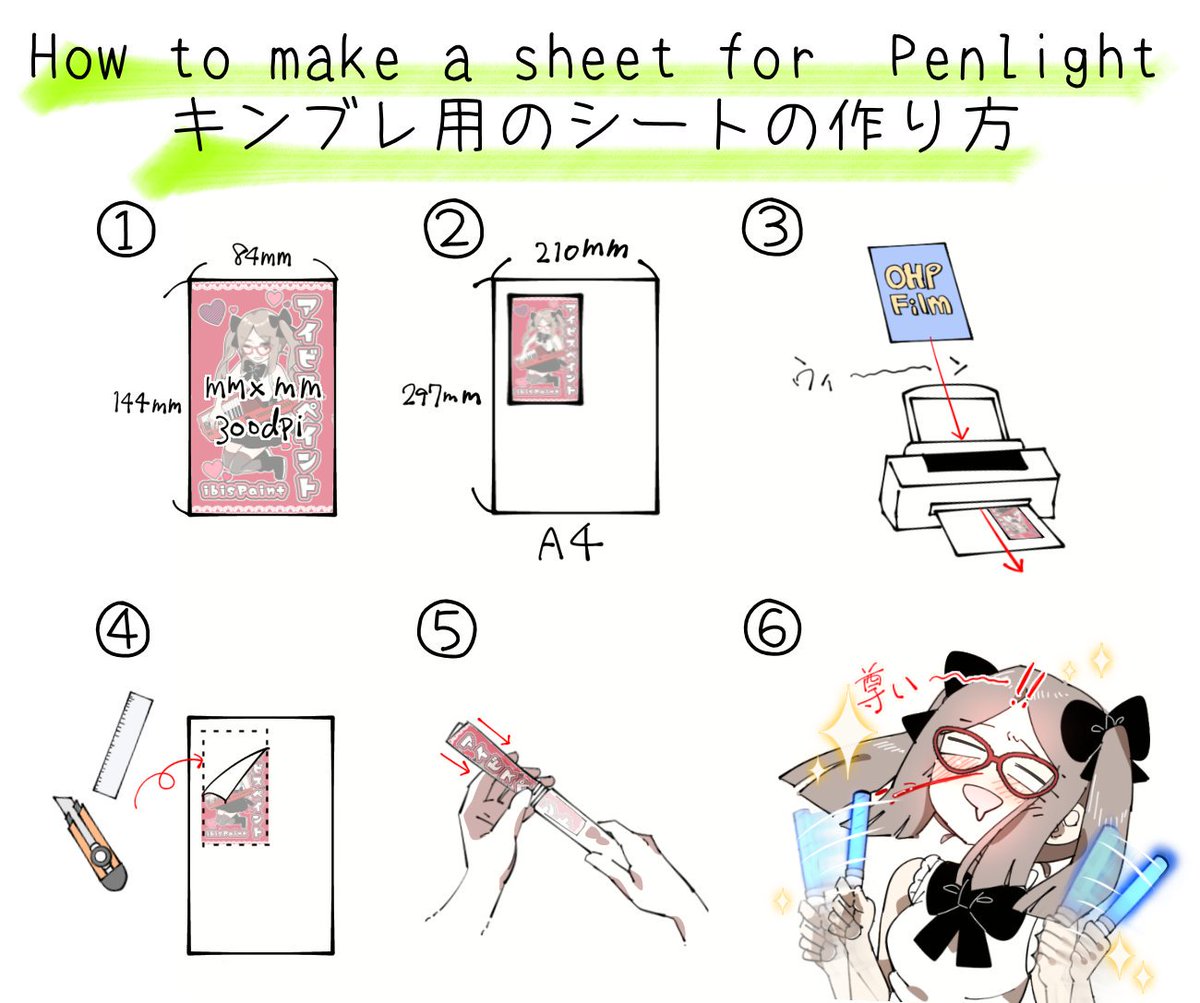
Choosing physical media is where many first-time creators ruin equipment. The default substrate for custom inserts is OHP sheet transparency film (overhead projector film). However, the chemical formulation of OHP film differs substantially based on thermal requirements.
Understanding inkjet vs laser OHP compatibility is a safety requirement. Inkjet transparency film features a specialized micro-porous coating on one side designed to absorb liquid ink. If an inkjet sheet is fed into a commercial laser printer, the intense heat of the fuser rollers will melt the plastic base directly onto the drum, destroying the unit and incurring thousands of dollars in commercial repair liability.
Laser-compatible OHP sheets withstand temperatures above 200°C (392°F). These sheets lack the absorbent tactile coating of inkjet films, meaning inkjet inks will simply pool on their surface and smear upon contact. Always confirm the packaging label matches your output device before sending print jobs.
Fans relying on a local convenience store multi-copy print terminal (such as multi-function copiers at 7-Eleven, FamilyMart, or Lawson) face strict equipment policies. Convenience store chains prohibit feeding user-supplied OHP films through manual bypass trays due to thermal drum failure risks.
The workaround is straightforward: configure your artwork on standard postcard or glossy photo paper templates via terminal apps (such as PrintSmash or Network Print), use the terminal to print reference guides on paper, and reserve your actual OHP transparency film runs for verified home printers or specialized print shops.
Optical Engineering: The Double Layering Opacity Technique
Consumer printing engines, whether inkjet or laser, do not print opaque white ink. They operate on the assumption that white is supplied by the paper underneath. When you insert a single printed transparency into a clear lightstick, the bare LED behind it blasts photons through the translucent colored inks.
The result is washed-out lettering. Pale pinks and pastel blues lose contrast entirely, while thin black lines look like faint charcoal smudges.
To overcome this photometric barrier, experienced creators use the double layering opacity technique. This workflow requires printing two identical copies of your transparency sheet side by side. Carefully trim both sheets along their cut lines, align their graphic borders with surgical precision, and bind their top and bottom edges using clear 0.05mm acid-free double-sided tape.
Stacking two identical ink layers doubles the optical density. The lower layer filters the direct raw emitter glare, allowing the upper layer to display vibrant, saturated colors. Black lettering transforms into deep, silhouette-grade blacks that remain sharply defined even when the penlight operates at maximum lumen output.
Navigating Venue Policies and Hardware Safety
Before rolling your completed sheet into a cylinder, review venue and management regulations. Japanese talent agencies and major international tour promoters maintain strict operational parameters regarding concert lightsticks.
Certain tours enforce an absolute ban on modified penlights or third-party devices exceeding 25 centimeters in length or utilizing ultra-bright non-OEM LEDs. Promoters cite line-of-sight obstruction and stage lighting interference as primary enforcement reasons. Standard King Blade X10 models fall safely within standard size restrictions, but custom modifications that involve reflective internal mirrors or high-diffraction prism films can occasionally fail arena security checks.
Always roll your finished insert with the ink-coated side facing inward. When an OHP sheet is curled, the outer convex surface stretches while the inner concave surface compresses. Placing the ink layer on the inside prevents the dried pigment or toner from cracking under tensile strain, keeping your typography flawless throughout the tour.
Frequently Asked Questions (FAQ)
Q1: What are the exact pixel dimensions for an 88mm by 144mm King Blade sheet in IbisPaint?
A1: At the recommended 350 DPI resolution, configure your canvas to 1213 pixels wide by 1984 pixels high. If operating at 300 DPI, use 1039 pixels wide by 1701 pixels high. Always ensure color modes are set to RGB and export to PNG.
Q2: Can I feed transparency film directly into Japanese convenience store printers?
A2: No. Convenience store chains strictly ban customer-supplied transparency film or OHP sheets in their multi-copy machines. The high-heat fuser assemblies will melt unapproved plastic onto the internal drums. Run transparency jobs on home printers or via professional commercial print houses that stock verified laser-grade films.
Q3: Why does my penlight cap jam after sliding the printed sheet inside?
A3: Jamming happens when the sheet's vertical height exceeds the internal cylinder clearance. If the sheet measures taller than 144mm (or 140mm in Smoke and Matte models), the screw threading at the base pinches the plastic edge. Trim 1mm off the vertical cut line bleed margin with a precision hobby knife to restore smooth rotation.
Field Readiness for Upcoming Tours
The physical craft of personalized concert gear reflects the dedication fans bring to live events. While digital templates streamline the layout phase, flawless execution comes down to physical tolerances. Managing paper paths, respecting hardware limits, and accounting for the physics of translucent inks transform a cheap plastic shell into a personal tour memento. Prepare your measurements carefully, run test prints on standard scrap paper before burning through expensive transparency film, and double-check your cylinder clearances well ahead of opening night.