The 2026 Home Bread Boom: How Compact Machines and Viral Recipes Converged
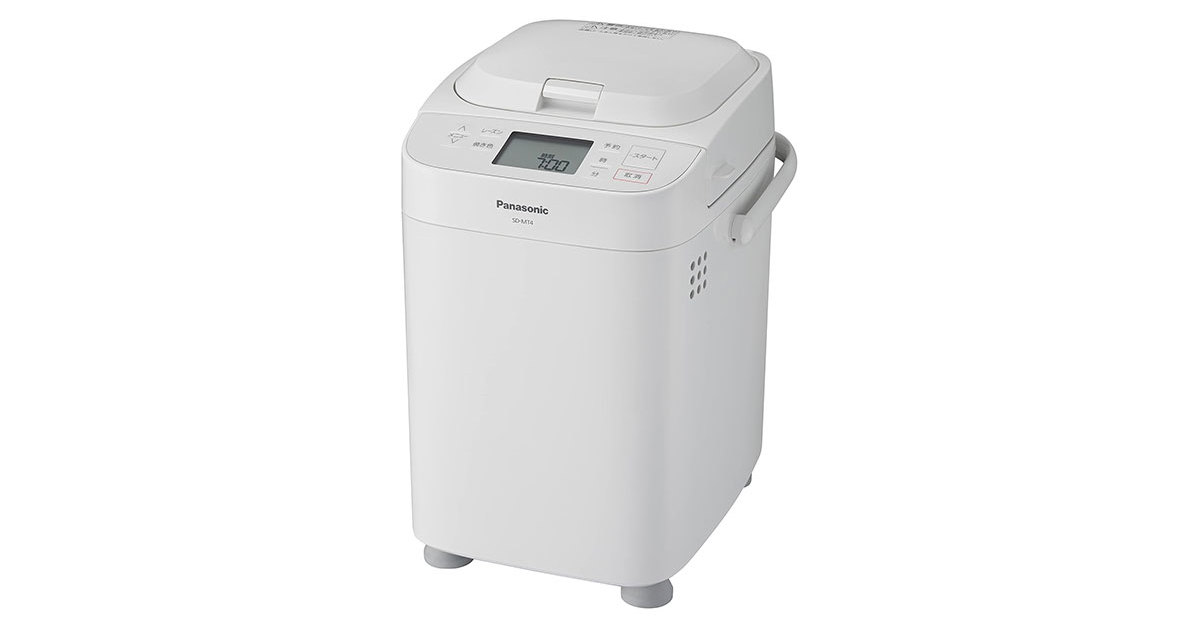
Automated bread machines once carried an unflattering reputation: loud, bulky appliances that turned premium flour into dry, uneven bricks with unchewable crusts. That era has ended. Between refined thermal sensor technology and viral baking formulas developed across East Asia, domestic bread makers are producing bakery-grade Japanese shokupan with cloud-like crumb structures. Home bakers across Tokyo, London, and New York are tossing aside packaged sandwich bread in favor of timed countertop bakes.
The shift accelerated as independent recipe creators cracked the physical limitations of mechanical kneading paddles. As detailed in a recent フーディストノート on MSN Report highlighting food creator Yumichii’s whole-wheat coffee-raisin loaf, appliance baking is no longer limited to basic white loaves. It now balances deep aromatic infusions with pillowy internal textures. Achieving that elusive featherweight crumb requires understanding the intersection of machine physics, hydration balance, and ingredient timing.
📌 Key Takeaways:
- Thermal Management: Maintaining water temperature between 5°C and 10°C during warmer months prevents the premature yeast bloom that produces dense, collapsed loaves.
- The Fat-Hydration Axis: Incorporating mascarpone cheese or scalded flour paste stabilizes moisture at a 70% to 74% hydration level inside automated bake cycles.
- Appliance Evolution: Compact hardware like Iris Ohyama's top-ranked models now deploy multi-stage motor torque tailored for both high-gluten wheat and delicate rice flours.
Countertop Hardware Shifts and Compact Bakery Ratings
Kitchen space constraints reshaped the appliance market throughout 2025 and 2026. Bulky 15-pound machines of the previous decade have surrendered market share to streamlined footprints. According to retail sales rankings tracked by ITmedia in May 2026, compact units, led by Iris Ohyama’s compact home bakery line alongside staple models from Panasonic and Siroca, dominated Amazon Japan's best-seller charts.
Size reductions did not compromise motor strength. Modern compact units incorporate brushless DC motors that sustain variable torque during the initial mix. This mechanical upgrade allows consistent gluten development without overheating the drive shaft. Early bread machines often generated excess ambient friction, warming the base of the bucket by 4°C to 7°C before the proofing cycle began. Newer compact models decouple motor heat from the baking chamber, keeping internal temperatures predictable.
Thermal Dynamics: Why Water Temperature Dictates Crumb Height
The single most common mistake in home bread machine operation is ignoring ambient liquid temperature. Commercial bakery dough mixers circulate refrigerated glycol through jacketed bowls to counter mechanical friction. A home baker must replicate this control through the liquid poured into the pan.
Friction from the single kneading paddle raises internal dough temperatures rapidly. If you add tap water at 20°C (68°F) on a warm summer afternoon, the dough core can easily exceed 32°C (90°F) during the second knead. That heat triggers premature enzymatic fermentation. The yeast exhausts its food supply early, gluten strands weaken, and the loaf collapses into a sunken, brick-like mass during the bake phase.
Preventing dense loaves requires seasonal water adjustments. During hot seasons, chilling the liquid down to 5°C (41°F), or replacing 20% of the water volume with crushed ice, keeps dough temperatures near the target 24°C to 26°C zone. In cold winter kitchens, using lukewarm liquid at 28°C to 30°C prevents sluggish yeast activity. Temperature control is the primary variable separating rubbery sandwich bread from genuine cotton-soft shokupan.
The Mascarpone Secret and Tangzhong Hydration Ratios
Achieving bakery-style nama-shokupan (fresh, raw-eating milk bread) inside a single-pan machine requires more than simply pouring in heavy cream. During Golden Week baking coverage reported by MSN, culinary channels like Shiawase Pan Shokunin Pan Recipe (Happy Baker) gained widespread attention for using mascarpone cheese directly in automated cycles.
Mascarpone introduces an emulsified blend of milk fat and natural acidity without overloading the dough with excess free water. The dairy fats coat individual gluten strands, acting as a physical shield against moisture loss during the high-heat bake cycle. When paired with high-protein bread flour containing 12.5% to 13.8% protein, this fat distribution preserves a shreddable, gossamer structure that lasts for days.
Bakers seeking high moisture without dairy often use the tangzhong paste method. Cooking 5% to 8% of the recipe’s total flour with five times its weight in water at 65°C (149°F) gelatinizes starches. Adding this cooled roux directly into the bread pan allows total hydration ratios to hit 72% to 75% without yielding sticky, unmanageable dough that clings to the machine paddle.
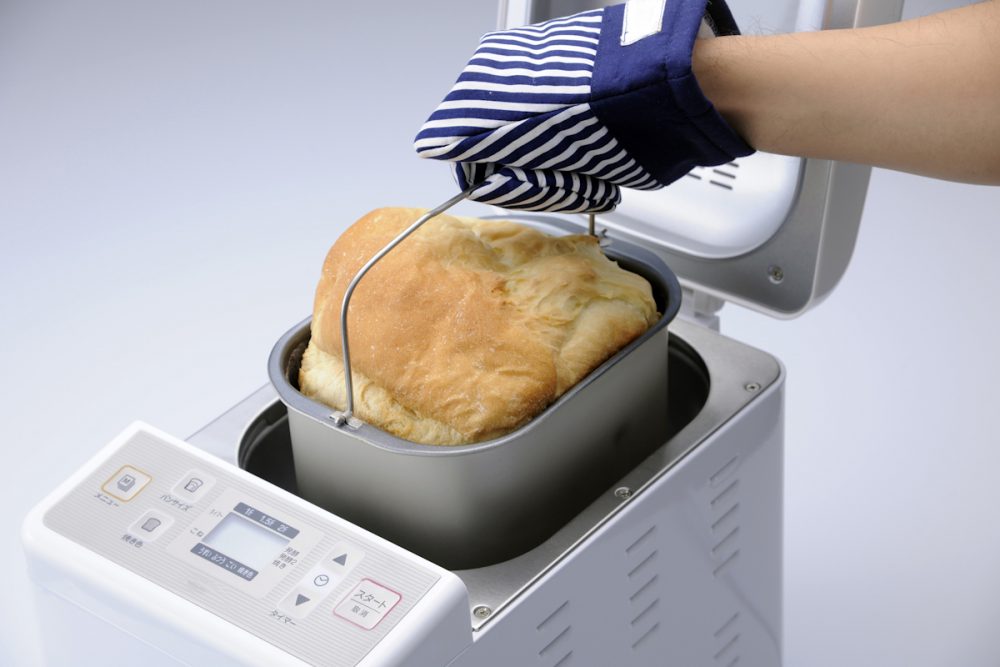
Precision Benchmarks Across 2026 Countertop Baking Methods
Different crumb profiles demand precise recipe structures. The following table contrasts four proven bread machine methodologies, based on real-world formulations verified across 2025 and 2026 culinary tests.
| Style & Recipe Focus | Key Hydration & Fat Medium | Flour Base | Crust & Setting Recommendation |
|---|---|---|---|
| Ultra-Soft Nama-Shokupan | Mascarpone cheese (10%) + whole milk; chilled to 5°C | High-protein hard wheat (13.5%) | Soft Crust setting; pull 3 min before cycle completes |
| Artisan Coffee-Raisin Loaf | Brewed coffee liquid (66%) + unsalted butter | 80% Bread flour + 20% Whole wheat | Standard cycle; automated raisin dispenser trigger |
| Budget Gyomu Super Rice Flour | Warm water (80, 85%) + rice oil + pre-bloomed yeast | 100% Confectionery rice flour + white sorghum | Dedicated Gluten-Free / Rice Flour mode (no punch-down) |
| Gelatinized Tangzhong White | 74% Total hydration via cooled 5:1 roux paste | Japanese unbleached bread flour (12.2%) | Light Crust setting to avoid thick perimeter casing |
Specialty Inclusions and Rice Flour Formulations
Beyond traditional white loaves, home bakers are using automated programs for complex sweet and whole-grain doughs. Foodist Note ambassador Yumichii introduced a whole-wheat coffee-raisin recipe that blends bitter brewed coffee directly into the hydration base alongside plumped dried fruit. Inclusions like dried fruit or nuts often shred gluten networks if added too early. Modern machines solve this by delaying the drop until the final two minutes of kneading, preserving dough tension while distributing the mix-ins evenly.
Parallel to specialty dessert loaves, budget-conscious bakers are leaning into 100% gluten-free formulas. As highlighted by Yahoo Japan lifestyle reports covering discount grocery chain Gyomu Super, home cooks are turning inexpensive retail rice flour into airy sandwich bread. Pure rice flour lacks glutenin and gliadin, meaning standard knead cycles will ruin the batter.
Success requires five strict procedural rules: blending warm water with instant yeast before loading, combining fine rice flour with a touch of white sorghum flour to stabilize the cell walls, adding neutral rice oil for tenderness, scraping down bucket corners manually during the initial three-minute mix, and using a dedicated rice flour setting that skips multiple punch-downs. When executed properly, the result is a domed, resilient loaf with zero gluten.
Flour Selection, Yeast Timing, and Crust Management
Flour choice sets the ceiling for loaf height. All-purpose flour produces acceptable rustic boules, but it lacks the protein density needed to withstand vigorous machine cycles. Using high-protein bread flour (minimum 12.0% protein) ensures adequate tensile elasticity so expanding carbon dioxide bubbles do not rupture during the final proof.
Instant dry yeast timing is equally critical. If your bread maker has a separate automated yeast dispenser, use it; the machine drops the granules only after the flour, water, and fats form a cohesive dough. If your machine lacks a dispenser, load liquids first, cover them completely with dry flour, and dig a shallow well at the top for the dry yeast. Salt and sugar must sit at opposing corners of the pan. Direct, early contact with salt leaches moisture from yeast cells through osmotic shock, stunting their growth before mixing begins.
Finally, always select the Soft Crust (or Light) preset. Bread machine baking elements sit just inches from the pan walls. The Medium and Dark presets subject delicate enriched doughs to prolonged radiant heat, caramelizing exterior sugars into tough, thick shells. Selecting Soft Crust preserves a tender, whisper-thin perimeter that tears easily.
Frequently Asked Questions (FAQ)
Q1: Why does my bread machine loaf sink in the center after rising?
A1: Sunken tops usually point to excess liquid, too much yeast, or high ambient heat. When dough over-proves, its gluten network stretches beyond capacity and collapses under its own weight during the bake cycle. Reduce your water volume by 10ml to 15ml, decrease instant dry yeast by 0.5 grams, and ensure liquid temperature stays below 15°C on warm days.
Q2: How do I eliminate the large hole left by the kneading paddle?
A2: Most machines complete their final dough punch-down roughly 60 to 75 minutes before the total cycle ends. Pause the machine at this stage, remove the dough with lightly floured hands, slide the paddle off the central spindle, reshape the dough into a smooth cylinder, place it back into the pan, and resume the program. The loaf will bake into an intact loaf without a torn base.
Q3: Can I substitute active dry yeast for instant dry yeast in a bread machine?
A3: Instant dry yeast works best in automated appliances because its finer granules dissolve and activate instantly without prior rehydration. If active dry yeast is your only option, dissolve it in a portion of lukewarm recipe liquid for 10 minutes before adding it to the pan. Avoid using delayed timer cycles when pre-blooming active yeast, as it will over-ferment before the mix starts.
Mastering the Modern Loaf in 2026
Automated bread making is no longer an exercise in settling for dense, chewy compromise. Achieving pristine shokupan relies on balancing ingredient temperatures, understanding mechanical friction, and utilizing fat-rich techniques like mascarpone emulsions or water roux methods. Modern compact hardware provides the steady motor control and thermal isolation required to make this precision repeatable. Once you calibrate liquid temperatures to your kitchen environment and select high-grade protein flours, consistently light, cloud-soft sandwich bread is just a single button press away.