The 2026 Rookie Broadcasting Timeline: From Spring Orientation to Autumn Spotlights
Every April, Japanese newsrooms subject hundreds of freshly graduated university recruits to one of the most grueling apprenticeships in media: the television announcer training program. Across regional hubs like the Yamagata Broadcasting Company (YBC) and national desks in Tokyo, the transition from campus life to the anchor desk requires intensive voice modulation, studio teleprompter training, and the high-pressure rite of passage known as hatsunaki, the maiden live broadcast. As detailed in a recent 山形新聞 Report profiling rookie anchors reflecting on their first six months on air, the initial honeymoon period vanishes the moment red cue lights flicker live in front of regional audiences.
Behind the polished smiles and disciplined diction lies a structured system of station newsroom onboarding that operates under immense public scrutiny. In prefectural broadcast media, rookie announcers are not isolated behind teleprompters; they serve as field reporters, disaster correspondents, and local radio hosts simultaneously. Tracking the 2026 cohort reveals how regional networks balance legacy newsroom traditions with the evolving demands of modern digital-first journalism.
📌 Key Takeaways:
- The Initiation: The spring orientation timeline spans eight to ten weeks of non-stop phonetic drills, disaster script sight-reading, and teleprompter drills before candidates touch a live microphone.
- The Crucible: June marks the arrival of hatsunaki, where rookie announcers deliver their first live radio or television news flash under the watchful eyes of senior editorial staff.
- Regional Versatility: Unlike metropolitan anchors who specialize early, recruits at prefectural broadcasters take on simultaneous field producing, live sports commentary debuts, and emergency reporting assignments before their first autumn season.
Spring Induction and the Mechanical Grind of Voice Training
The journey begins on April 1. Fresh recruits arrive at station headquarters having cleared audition ratios that routinely exceed 200-to-1. Network training programs waste little time on congratulations. For eight hours a day, instructors, frequently retired chief anchors, drill candidates on diaphragmatic breathing, standard Tokyo accent intonation (hyojungo), and tongue-twister articulation exercises.
At regional outlets like Yamagata Broadcasting Company, trainees spend weeks in isolation booths practicing phoneme projection against sound meters. Trainees must eliminate regional vocal inflections while maintaining conversational warmth. By early May, curriculum shifts toward studio teleprompter training. Here, recruits learn to decouple their physical voice from their eye movements, tracking scrolling copy without breaking eye contact with the primary lens. The mental strain is notorious. Even minor hesitations trigger immediate stops, forcing rookies to reset and begin copy reads from scratch.

June "Hatsunaki": Surviving the First Live Broadcast
By late May or early June, the safety net disappears. Stations clear a two-minute window, often during midday radio news or late-night local television bulletins, for hatsunaki, literally translated as "the first chirp." The term mirrors a fledgling bird leaving the nest, but the atmosphere inside the studio control room is tense. Station executives, veteran mentors, and technical directors crowd the monitoring deck while the rookie sits alone under hot studio lamps.
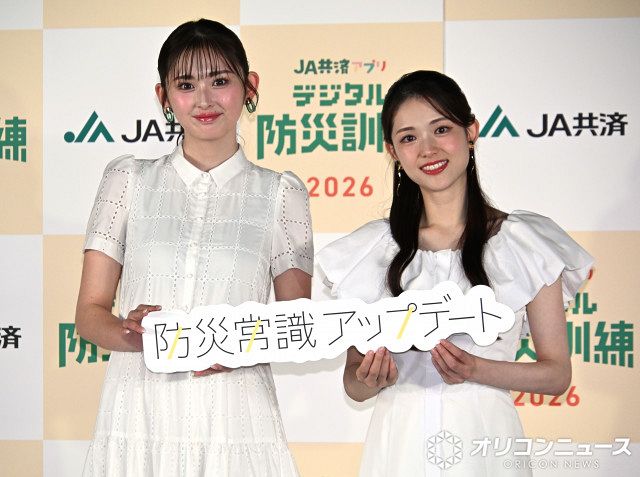
The psychological toll of this milestone is acute. Speaking to industry reporters six months into their tenures, TV Tokyo 2026 rookies Serino Suzuki, 23, and Rio Kitagawa, 22, recounted the sharp reality gap separating classroom drills from live airtime. Suzuki, who harbored ambitions to broadcast since age three, described how the visceral memory of regional crises, including the Noto Peninsula earthquake, shaped her understanding of news delivery during her June debut. For regional broadcasters, hatsunaki carries even greater weight: local listeners scrutinize pronunciation, pacing, and composure, frequently sending real-time listener feedback to station switchboards.
The 2026 Rookie Progression Timeline Across Regional and National Desks
The pathway from spring induction to full on-air reporting readiness follows a disciplined, predictable calendar across Japanese commercial broadcasters and public outlets alike.
| Phase & Timeline | Core Operational Focus | Milestone Assessment |
|---|---|---|
| April, MaySpring Induction | Phonetic drills, diaphragm breathing, newsroom transcription, teleprompter familiarization. | Internal booth auditions; simulated live bulletin run-throughs. |
| Late May, JuneMaiden Airtime | Execution of hatsunaki during short daytime radio or television news updates. | Station director review; first public on-air credits. |
| July, AugustSummer Deployment | Summer festival reporting, prefectural sports heats, spot field reporting. | High school baseball commentary and live heatwave field hits. |
| September, NovemberAutumn Integration | Regular weekday evening news shifts, solo radio programs, emergency alert drills. | Full rotation into daily station programming schedules. |
From Booth Drills to Live Sports Commentary Debuts
Once past the hurdle of hatsunaki, trainees face live action where scripted safety nets vanish entirely. In late May 2026, the 11-member NHK rookie announcer cohort traveled directly to baseball stadiums to execute their first live sports commentary trials after just two months of training. Station mentors placed them in commentary boxes without script templates, requiring split-second descriptive calls on fastballs, fielding errors, and complex umpire signals.
Regional stations up the ante during the high summer months. In Yamagata, summer assignments pivot around the annual Prefectural High School Baseball Tournament and the Hanagasa Festival. Rookies carry their own wireless audio kits into the dugouts, balancing live player statistics with descriptive human-interest sidebars. The pace is unrelenting. A rookie announcer may anchor a morning radio weather report at 7:00 AM, travel two hours north to cover agricultural damage from mountain runoff by noon, and deliver a live standup report for the 6:15 PM evening news block.
Prefectural Media Realities: Community Ties Versus Digital Churn
The operational reality of prefectural broadcast media differs fundamentally from Tokyo flagship operations. National network announcers often branch into entertainment variety panels or daytime talk panels. Prefectural anchors, by contrast, serve as civil information infrastructure. When torrential rains hammer northern Honshu, the rookie on duty must deliver lifesaving evacuation instructions calmly, accurately, and without hesitation.
This dynamic fosters deep local trust, but it exposes rookies to significant operational burdens. Regional stations operate with leaner engineering crews than their metropolitan peers. Announcers often edit their own field audio, draft broadcast scripts under tight editorial deadlines, and coordinate field camera setups. The steep learning curve weeds out candidates who treat the post merely as a stepping stone to freelance commercial contracts in Tokyo. Those who thrive become institutional fixtures, anchoring local community coverage across decades.
Frequently Asked Questions (FAQ)
Q1: What does the term "hatsunaki" mean in Japanese broadcasting?
A1: Hatsunaki (初鳴き) literally translates to "first chirp." It refers to the exact moment a rookie announcer delivers their first unassisted live news read on radio or television, marking the formal completion of basic studio training.
Q2: How long is the standard training period before a rookie appears on television?
A2: Trainees spend between two and three months in intensive internal onboarding. Recruits join on April 1 and typically make their brief broadcast debut between late May and early July, starting on short radio slots before moving to television newsdesks.
Q3: How does rookie development at Yamagata Broadcasting Company differ from Tokyo networks?
A3: Tokyo anchors operate with large production staffs and focus on narrow, specific program assignments. Announcers at Yamagata Broadcasting Company and other regional stations rotate rapidly through news writing, field camera coordination, live disaster reporting, and sports play-by-play within their first year.
The Evolution of Regional Anchoring in 2026
The traditional image of the television announcer as an untouchable studio narrator has receded. In 2026, rookie announcers at regional outlets like Yamagata Broadcasting Company operate simultaneously as verified digital content creators, field investigators, and emergency broadcast anchors. The rigorous training pipeline ensures that when unscripted breaking news strikes, voice discipline and factual precision remain steadfast under pressure.
As the 2026 cohort moves into autumn rotations, their daily newsroom responsibilities expand from tightly controlled reading slots to regular investigative reporting packages. Mastering diction drills and teleprompter cues is merely the baseline requirement; the true test lies in establishing enduring journalistic credibility with the regional communities counting on their voices every evening.