The Complete Caregiver's Manual: Removing, Correcting, and Re-Marking Sports Bibs

Every caregiver and youth sports coordinator knows the specific sinking feeling that accompanies a slipping hand and a fresh black Sharpie. A child's surname ends up misspelled across an expensive school sports pinny, or an older sibling's hand-me-down uniform arrives with faded, unyielding numbers stamped deep into the chest panel. In Japanese schools, where cloth identification patches known as zekken are mandated down to the millimeter, this mistake triggers immediate parental panic. Across global youth leagues, replacing customized athletic gear mid-season strains already tight household budgets.
Permanent ink is engineered specifically to resist water, mechanical agitation, and standard laundry detergents. When pressed into synthetic sports mesh or woven cotton name tags, the ink forms a chemical bond with the fibers within minutes. Tossing the garment directly into a hot wash cycle will permanently set the resin, ruining the piece forever. Salvaging the garment requires understanding how industrial ink binders react with non-destructive household solvents, precise mechanical lifting techniques, and clean masking alternatives.
📌 Key Takeaways:
- The Solvent Rule: High-concentration isopropyl alcohol (91% or higher) breaks resin carriers without melting synthetic athletic mesh.
- The Blotting Imperative: Scrubbing forces dissolved ink deeper into opposing yarns; high-pressure blotting against an absorbent backing is mandatory.
- Critical Safety Warning: Never use acetone or pure nail polish remover on polyester or triacetate fabrics, as it dissolves the base plastic fibers into a hardened slurry.
The Chemistry of Permanent Marker on Athletic Synthetic Mesh
Permanent markers do not function like ordinary water-soluble pens. Formulations produced by brands like Sharpie, Zebra, and Pentel rely on three core components: an alcohol or solvent carrier, synthetic color pigments or dyes, and a resin binder. The carrier keeps the liquid flowing through the nib. Once exposed to air, this carrier evaporates in under ten seconds, leaving the resin behind to wrap tightly around the yarn fibers, locking the color pigments in place.
Athletic apparel complicates removal dramatically. Modern sports bib mesh fabric is typically constructed from 100% polyethylene terephthalate (polyester) or nylon-spandex blends. These smooth extruded plastics lack the natural porous core of cotton, yet their porous open-weave mesh design provides thousands of microscopic ridges where dried resin anchors itself. Standard surfactants in laundry detergent slide right over these resin jackets. To erase the mark, you must re-liquefy the resin carrier without melting the underlying plastic weave.
Step-by-Step Ink Extraction: Solvents, Blotting, and Pigment Dissolution
Extracting an ink mistake demands patience and precise physical mechanics. The single most common failure occurs when an anxious parent grabs a scrub brush and furiously rubs the stain. Friction spreads dissolved pigments outward, turning a crisp one-inch letter into a massive gray halo. Instead, chemical pigment dissolution must be paired with an ink lift blotting technique that pulls suspended dye downward and out of the garment.
Begin by laying the sports pinny completely flat. Slide a clean, non-porous barrier, such as a silicone baking mat, thick plastic wrap, or a sheet of aluminum foil, inside the jersey directly beneath the ink patch. This barrier prevents dissolved chemicals and liquefied dye from bleeding through to the back panel. Directly beneath the stained target, place a stack of four to six unprinted paper towels or an old white cotton rag to serve as an absorbent collection pad.
Apply your rubbing alcohol solvent directly to the dried lettering. Use an eyedropper, a cotton swab, or a gentle pour to saturate the fibers until the marker strokes visibly loosen and gloss over. If liquid alcohol is unavailable, an ethanol-based hand sanitizer alcohol base serves as an effective substitute; the gel consistency holds the active alcohol in direct contact with the fabric longer before evaporating. Let the solvent sit for approximately 60 to 90 seconds to soften the dried resin.
Take another dry paper towel or clean microfiber square and press down firmly on top of the ink. Do not drag or twist. Lean your body weight directly downward into the target, forcing the solvent and suspended pigments out of the jersey and into the backing rag beneath. Lift cleanly, shift the backing cloth to an unsoiled spot, apply fresh solvent, and repeat. You will notice the pigment transferring onto the waste pads in crisp layers. Continue this cycle until the ink fades to an imperceptible shadow.
Solvent Showdown: Effectiveness, Fabric Safety, and Pitfalls
Not every clear liquid in your utility cabinet behaves safely on sports uniforms. Using the wrong solvent can strip factory colorways, destroy elastane stretch, or melt synthetic yarns. The performance data below reflects multi-solvent testing across common school bib fabrics, evaluating ink removal efficacy alongside fabric preservation thresholds.
| Solvent Agent | Primary Active Chemistry | Polyester / Mesh Safety | Removal Efficacy |
|---|---|---|---|
| Isopropyl Alcohol (91%, 99%) | Pure isopropanol | Completely safe; no yarn distortion | 85%, 95% lift on fresh ink |
| Ethanol Hand Sanitizer | 65%, 75% ethyl alcohol + carbomer gel | Safe; leaves mild gel residue wash-out | 70%, 80% lift; slower reaction |
| Nail Polish Remover | Acetone (dimethyl ketone) | High risk; melts acetate and damages fine poly | 95% lift, but destroys structure |
| Oxygen Bleach Paste | Sodium percarbonate + warm water | Safe on colors; non-degrading | 40%, 60% lift; ideal for residual shadows |
High-grade rubbing alcohol remains the gold standard for home uniform restoration. Low-concentration 70% medical preparations contain roughly 30% water, which hinders the solvent's ability to dissolve hydrophobic resins quickly. If you must use household alternatives, inspect the product label closely to confirm you are not spreading cosmetic moisturizers, aloe additives, or artificial dyes onto the uniform fabric.
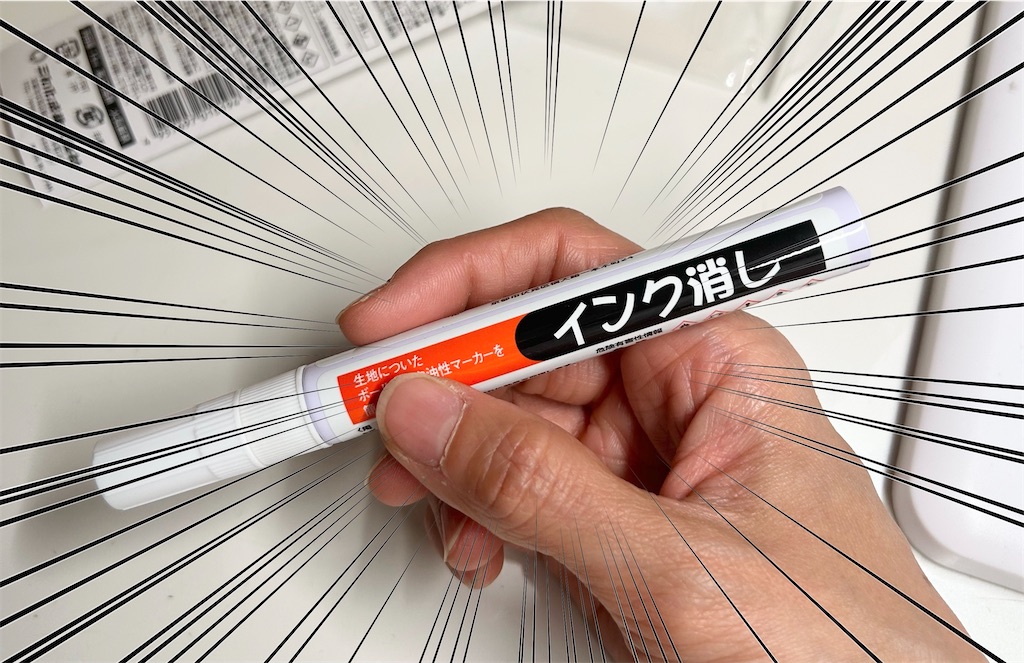
Why Acetone and Heat Destroy Modern Polyester Sports Bibs
Online home-hack forums frequently recommend acetone as an effortless permanent marker cleaner. While pure acetone cuts industrial ink in seconds, applying it to athletic wear presents serious risks. Many athletic fabrics incorporate acetate, modacrylic, or fine-filament polyester blends. Acetone functions as an organic solvent that hydrolyzes and dissolves these polymer chains, causing immediate fiber breakdown.
The moment acetone hits sensitive synthetic knits, the open mesh shrinks, loses structural integrity, and melts into a hardened, glassy plastic crust. Once this chemical burn occurs, the damage cannot be reversed. The bib is ruined, with the distorted hole drawing far more attention during school inspections than the original stray marker line ever would have.
Thermal damage poses an equally destructive trap. Never toss an ink-stained jersey into a heated dryer or attempt to press it flat with a hot iron before the pigment has been fully extracted. Heat polymerizes marker resins and bakes residual pigments permanently into the synthetic core. Once an ink mark goes through a 45-minute commercial drying cycle at 140°F (60°C), no solvent on the market will lift the resulting shadow without destroying the surrounding garment.
Non-Chemical Fixes: Heat-Seal Masking Patches and Overlay Strategy
Some inks, particularly heavy industrial black markers left to cure for weeks, leave a permanent faint ghost outline despite multiple solvent treatments. In strict Japanese academic environments where zekken must display pristine, unblemished characters, or in sports leagues requiring clean sponsorship numbers, a mechanical cover-up is often cleaner and faster than prolonged chemical extraction.
Thermal iron-on name tape designed specifically for athletic wear offers a seamless repair. Select a patch material that features a dedicated polyurethane backing rather than basic cotton sheeting. Standard cotton patches do not flex with four-way stretch jerseys and will crack, curl, and peel during physical activity. High-elasticity jersey patches flex naturally alongside the underlying fabric during team play.
Cut the patch with rounded corners. Sharp square edges catch on washing machine drums and peel back after two or three laundry cycles, whereas rounded corners distribute tension smoothly. Position the patch directly over the ghost marker, place a clean sheet of baking parchment over the top to protect the surrounding mesh from direct heat, and press down with an iron set to medium heat (around 300°F / 150°C) for 15 seconds. Let the patch cool down completely before handling to allow the heat-activated adhesive to cure securely.
How to Re-Mark Pinnies Without Bleeding or Smearing
Once you clear the slate or apply a pristine replacement patch, writing the child's name correctly without ink feathering becomes the final hurdle. Porous jersey knits act like wicks, pulling standard marker ink sideways through capillary action and turning crisp penmanship into a blurry smudge. Proper athletic uniform care requires adjusting your drawing technique and picking the right tools.
Always select specialized fabric markers formulated with high-viscosity pigment dispersions, such as the Zebra Mak-Onky or dedicated textile pigment markers. Unlike general-purpose home pens, fabric markers utilize thick resin formulas that resist horizontal capillary migration through open synthetic mesh. If you only have a standard permanent marker available, spray the target fabric area lightly with unperfumed aerosol hairspray or mist it with diluted fabric starch first. Allow it to dry completely. The starch coats the exterior micro-fibers, creating a temporary barrier that locks the subsequent marker ink in place without spreading.
Write using brief, confident strokes rather than slow, deliberate lettering. Holding the marker tip in one spot for even two seconds allows liquid ink to pool, bleeding outward through the mesh knit. Place your non-dominant hand firmly flat across the garment to keep the elastic mesh taut, preventing the nib from snagging on loose synthetic loops. Let the finished lettering dry for a full 24 hours before subjecting the jersey to sweat, rain, or machine washing.
Frequently Asked Questions (FAQ)
Q1: Can an oxygen bleach soak completely eliminate set-in marker stains?
A1: Oxygen bleach will not dissolve the chemical resins found in permanent markers on its own. However, once you have broken down and blotted away the primary resin using 91% isopropyl alcohol, soaking the bib in warm water mixed with sodium percarbonate for four hours lifts the lingering yellow or gray dye residues safely without fading uniform team colors.
Q2: Why does hairspray sometimes fail to clean marker mistakes from jerseys?
A2: Vintage cleaning advice praised hairspray because older formulas used high percentages of volatile alcohol as their primary aerosol carrier. Modern hairsprays have largely replaced ethanol with water, silicones, and conditioning oils. Applying modern hairspray typically leaves an oily film that locks the marker pigment deeper into the polyester weave.
Q3: How do I remove permanent ink without peeling off existing screen-printed team numbers?
A3: Work with a small cotton swab rather than soaking the garment. Apply isopropyl alcohol strictly to the errant ink marks, keeping at least a half-inch clearance from vinyl transfers, silicone badges, or plastisol screen prints. Isopropyl alcohol softens vinyl adhesives and plastisol inks over time, so precision spot application is essential.
Preserving School and Team Gear for the Next Season
Extending the lifespan of athletic wear comes down to rapid response and chemical discipline. The moment marker slips happen on a school sports pinny or team uniform, avoid the natural instinct to scrub with hand soap or rush the piece into a hot laundry cycle. Every minute spent scrubbing or heating sets the resin and binds the dye deeper into the synthetic mesh.
Equip your laundry station with high-purity isopropyl alcohol, a roll of dense paper towels, and dedicated textile pigment markers. By lifting ink through systematic solvent blotting or deploying flexible iron-on athletic patches, you can easily save costly uniforms from the discard pile. Treating sports gear with the proper chemical methods saves money and keeps young athletes looking sharp on the field season after season.