The Complete Guide to Gas Payments: Stablecoins, Utility Slips, and Mainstream UX
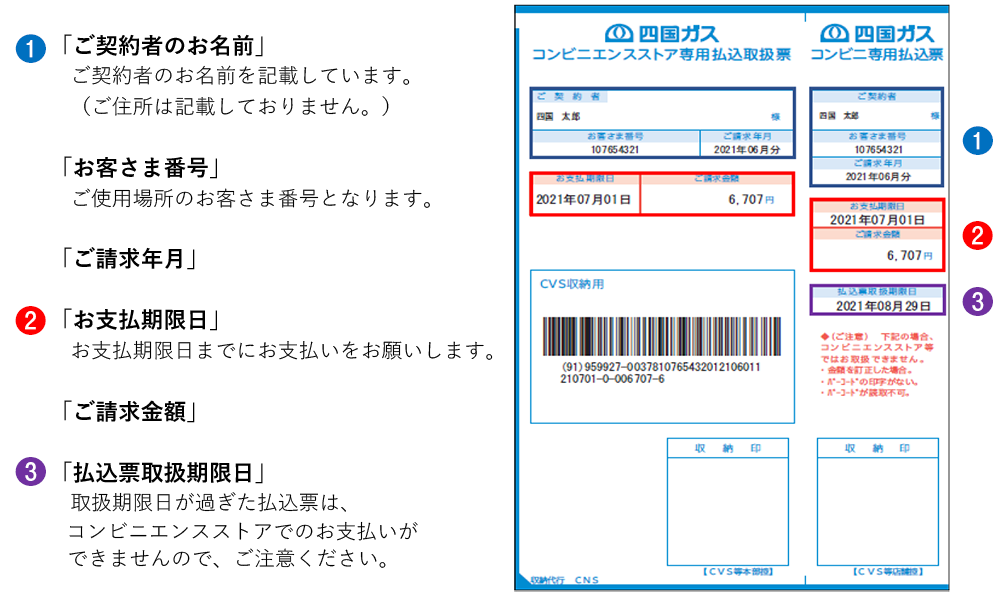
Paying a municipal gas bill in Tokyo takes less than thirty seconds. A customer hands a paper invoice across a convenience store counter, the cashier scans a high-density barcode, registers the cash or digital transit pass, and stamps the receipt. In the software world, covering an on-chain gas fee has historically meant keeping an unpredictable balance of volatile tokens, navigating slippage, and calculating computational thresholds on unyielding networks. That structural friction is approaching an overhaul. As reported by Yahoo!ニュース, Ethereum co-founder Vitalik Buterin signaled on September 6 that direct stablecoin settlements for network transactions are slated for production rollouts targeting 2027.
The technical gap between physical consumer bill payments and digital network operations is narrowing. By borrowing architectural lessons from everyday convenience store payment rails, standardization, pre-funded settlement guarantees, and background reconciliation, decentralized networks are rebuilding their core transaction layers to let everyday users settle execution costs in fiat-denominated assets like USDC.
📌 Quick Summary:
- Core Policy Shift: Protocol roadmaps are transitioning from native asset requirements to direct stablecoin gas settlement scheduled for production integration around 2027.
- Architectural Foundation: Account abstraction frameworks and ERC-4337 paymaster designs allow third-party contracts to absorb computational volatility in the background.
- Consumer Impact: End users no longer need to manage volatile base-layer balances to push transactions through, mimicking retail point-of-sale ease.
From Paper Slips to Smart Contracts: The Gas Payment Analogy
The phrase gas payment carries dual meanings across Japanese and Western consumer technology. In retail distribution, Japan's convenience store networks, 7-Eleven, FamilyMart, and Lawson, handle millions of utility bill payment slips daily through automated billing networks like PayB and digital barcode interfaces. Customers settle their residential heating or cooking fuel obligations using local cash rails or digital payment apps without knowing how the underlying clearinghouses reconcile balances between utility firms and local banks.
Smart contract execution costs mirror this model in function but previously diverged completely in experience. For years, interacting with decentralized networks required keeping fractional balances of Ether simply to compensate validators for computing state transitions. If an account holder held $10,000 in USDC but zero ETH, the ledger blocked their transfer. This interface failure drove retail users away during high-traffic cycles.
Bringing convenience store cash register checkout ergonomics to public blockchains requires moving volatility away from the user interface. When an individual pays a city gas bill at a store terminal, the point-of-sale scanner checks the barcode payload, confirms the exact yen figure, and issues a deterministic confirmation. Modern smart account protocols now treat blockchain execution through that identical lens: execute the action first, convert the underlying operational surcharge automatically, and debit the exact cost from a fiat-pegged token balance.
ERC-4337 and the Mechanics of Paymaster Settlement
Direct stablecoin transactions rely on ERC-4337, the account abstraction standard introduced to separate account control from cryptographic key pairs. In older externally owned accounts (EOAs), the public-private key pair itself paid network fees directly out of its native token reserve. ERC-4337 introduced contract accounts governed by logic, operating via alternative transaction bundles called UserOperations.
The central component making retail-style settlement possible is the paymaster smart contract. When a user submits a signed instruction to swap, transfer, or interact with a protocol, the transaction heads to an alternative mempool. The paymaster evaluates the transaction payload, verifies the user possesses enough USDC or an alternative ERC-20 stablecoin, and executes the transfer on their behalf.
[User Action: Transfer 50 USDC]
│
▼
[UserOperation Generated] ─── (Includes Paymaster Data)
│
▼
[Bundler Aggregation]
│
▼
[Paymaster Contract] ────────► Deducts exact USDC fee from user
│
▼
[Settlement on Base Layer] ──► Pays native ETH to Block Builder
In this architecture, the user pays $0.15 directly from their USDC balance. The paymaster fronts the base asset to network validators, swallowing the operational complexity in the background. Slippage risks and automated fee adjustments stay contained inside the liquidity provider's smart contract, preserving predictable, single-currency balances for consumer wallets.
Evolution of Network Gas Settlement vs. Retail Payment Rails
The transition toward invisible network fees reflects how traditional consumer payment networks evolved from physical retail counters to mobile APIs over the past three decades.
| Payment Framework | Settlement Asset | User Friction Level | Integration Horizon |
|---|---|---|---|
| Konbini Utility Counters | Cash, JPY, Transit IC | Requires physical presence or app-based scan | Legacy standard (1987, Present) |
| Legacy On-Chain Accounts | Native volatile assets (ETH, SOL) | High; requires dual-token portfolio balancing | Base standard (2015, 2024) |
| L2 Paymaster Contracts | ERC-20 Tokens, USDC, USDT | Moderate; smart contract wallet dependency | Active deployment (2024, 2026) |
| Native Protocol Abstraction | Any verified liquid stablecoin | Zero friction; equivalent to retail card tap | Target deployment (2027) |
Layer 2 Fee Abstraction and the 2027 Ethereum Roadmap
Second-layer rollups, including Arbitrum, Optimism, and Base, began testing fee abstraction models early, but protocol fragmentation has kept user adoption uneven. Wallets across Layer 2 ecosystems frequently handle fee subsidization directly, absorbing pennies per transaction to onboard users into gaming or consumer commerce.
Vitalik Buterin's formal integration timeline aims to embed this capability directly into protocol standards rather than leaving it to fragmented off-chain bundlers. The objective outlined on September 6 focuses on minimizing validator overhead while maintaining decentralization. When native layer consensus allows validators to process state updates with gas costs covered by audited stablecoin deposits, the user interface across all interconnected rollups unifies.
This roadmap change addresses economic sustainability for network operators. Validators do not want balance sheets weighed down by illiquid secondary tokens, yet stablecoins backed by cash and equivalent treasuries present a reliable settlement baseline. By establishing standardized liquidation contracts directly at the protocol aggregation tier, validators secure predictable base-asset yields while consumers spend money within single-currency balances.
Security Trade-offs and the Real Costs of Fee Abstraction
Simplifying consumer interfaces introduces new attack vectors into transaction handling. When wallets shift from native keys to abstracted smart contracts, three distinct structural risks emerge:
First, paymaster smart contracts must maintain continuous on-chain liquidity pools. If rapid decentralized finance liquidations or flash crashes trigger wild gas spikes, paymaster reserves can drain in seconds. Transactions routed through an underfunded paymaster fail outright, stranding users who carry no native fallback balance.
Second, smart contract accounts increase baseline transaction overhead. Executing an ERC-4337 UserOperation requires more computational steps than a basic peer-to-peer transfer, translating to higher total underlying gas consumption. On low-cost Layer 2 rollups, this overhead amounts to fractions of a cent; on congested Layer 1 networks, the penalty can run into dollars per batch.
Third, relying on institutional stablecoins introduces regulatory and compliance chokepoints directly into gas pipelines. Issuers like Circle maintain contract-level freeze functions on USDC. If an address interacting with a gas-sponsoring paymaster ends up flagged by compliance monitors, transaction settlement halts. Decentralized networks gain consumer simplicity by leaning on these payment assets, but they inherit the regulatory realities of traditional corporate rails in the process.
Frequently Asked Questions (FAQ)
Q1: Can I pay network gas fees in USDC directly from my wallet today?
A1: Yes, but only inside specific applications and modern smart contract wallets (such as Safe, Biconomy, or Coinbase Smart Wallet) across select Layer 2 networks. Universal base-layer support across all applications is slated for wider standardization closer to 2027.
Q2: Why did blockchain networks require volatile native tokens for gas in the first place?
A2: Native tokens like ETH defend against spam attacks. Forcing transactions to consume base-layer computational currency ensures malicious actors cannot flood validators with infinite computation without draining their own capital reserves.
Q3: Will paying fees in stablecoins cost more than paying in native cryptocurrency?
A3: Slightly. Paymaster contracts typically add a modest markup (ranging from 1% to 5%) to cover dynamic price fluctuations and the secondary swap costs required to deliver native assets back to validators.
The Path to Invisible Infrastructure
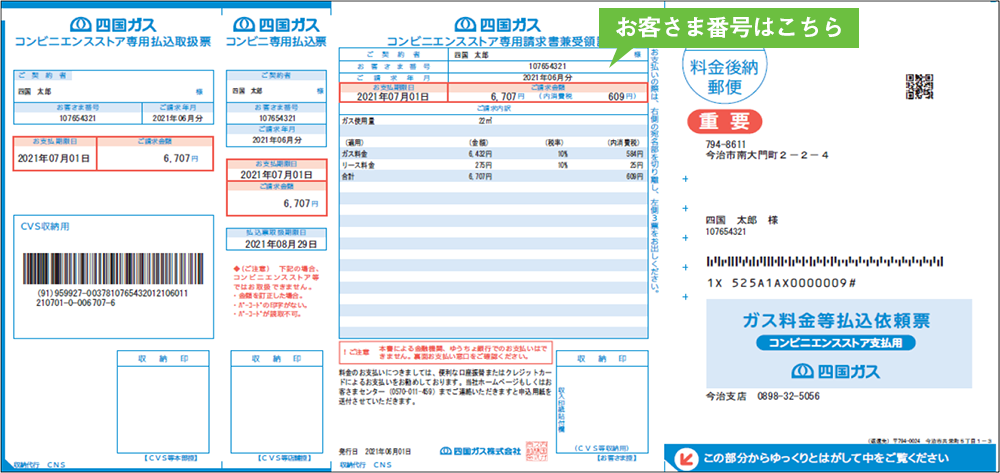
The utility slip scanned at a neighborhood retail counter succeeds because it hides clearinghouse routing, banking reserve transfers, and settlement time frames entirely behind a two-dimensional barcode. The consumer only needs to understand the number printed on the invoice.
Decentralized software is adopting that exact model. The push toward direct stablecoin gas settlement marks an operational shift away from hobbyist mechanics and toward institutional-grade infrastructure. When managing separate token reserves for execution overhead becomes optional, public ledger networks will finally deliver digital transactions that work just like everyday retail checkouts.