The Complete Guide to Lint-Free Scarves: Maintenance, Washing, and Material Selection
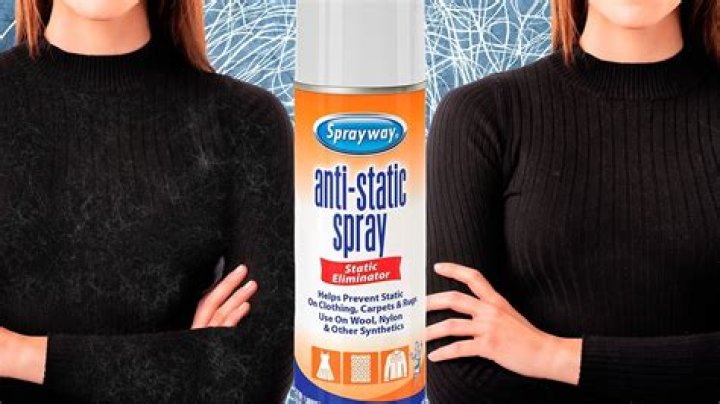
Few wardrobe frustrations match the irritation of stepping out in a crisp navy or black wool overcoat, only to arrive at your destination covered in an unsightly dusting of rogue knit fibers. What was supposed to be a cozy cold-weather styling choice quickly turns into an embarrassing grooming emergency. Whether you have invested in brushed mohair, fine merino, plush cashmere, or an everyday ribbed acrylic wrap, shed fuzz clings stubbornly to outerwear fabrics through a mix of friction, electrostatic attraction, and weak fiber twist.
The issue has sparked endless debate across textile forums and style communities. Online searches for garment-defuzzing hacks regularly surge as winter temperatures drop, with users swapping remedies ranging from freezing wet sweaters to heavy-handed electric shaving. Stopping the fallout does not require giving up your favorite winter accessories. By understanding fiber structure and adopting systematic maintenance routines, you can eliminate shedding permanently without damaging high-grade fabrics.
📌 Quick Summary:
- The Core Mechanism: Winter scarf fuzz transfers to wool and synthetic coats when mechanical friction snaps unanchored staple fibers, while low winter humidity generates static charges that bind them in place.
- The Essential Protocol: Controlled cold water soaking combined with white vinegar, gentle fiber compaction, and smart anti-static prep stops up to 85% to 90% of active shedding after a single session.
- Long-Term Maintenance: Ditch aggressive adhesive tape rollers on high-end knits; use natural bristle clothes brushes and reserve micro-blade fabric shavers exclusively for mature pills.
Why Winter Knits Shed and Cling to Outerwear
Shedding boils down to staple fiber length and yarn spin. Wool, cashmere, and alpaca hairs consist of individual strands spun together under tension. In premium woven worsted wool, long hairs are tightly twisted, creating a smooth surface that rarely sheds. Most cold-weather scarves, however, rely on woolen spun yarns or brushed finishes designed for maximum loft, air entrapment, and cloud-like softness.
Because manufacturers brush these textiles to raise a soft surface nap, thousands of short, loose fibers sit half-anchored inside the yarn core. As you walk, your neck turns, and your coat collar rubs against the scarf. This mechanical agitation pulls loose strands free.
The trouble multiplies when you pair knits with structured overcoats. Dark wool coats, polyester trenches, and nylon down jackets possess textured weaves or high static receptivity. In winter conditions where indoor relative humidity routinely falls below 25%, dry air turns your garments into electrostatic magnets. Positive and negative charges between differing fiber types lock stray lint onto the surface of your coat, making simple hand-brushing useless.
Delicate Washing Routines to Lock Loose Fibers in Place
The single most effective preventative intervention happens before you wrap the scarf around your neck. A dedicated first-wash treatment purges loose factory fluff while shrinking and locking the remaining hairs into the yarn twist. Machine washing on a rough setting will felt the piece into a stiff board, while doing nothing leaves loose fibers ready to migrate.
Begin with a cold water soaking routine in a clean basin. Fill the sink with cool water below 30°C (85°F). Hot water expands natural animal hair cuticles, causing unpredictable shrinkage and uneven surface distortion. Add a teaspoon of pH-neutral wool wash or baby shampoo. Avoid standard laundry detergents; their enzymes break down protein fibers, stripping natural oils and making wool brittle.
Submerge the scarf gently. Press down to saturate the yarn, but avoid wringing, twisting, or vigorous agitation. Allow the knit to soak for roughly 15 to 20 minutes. This resting period lets water penetrate the yarn core, lifting unspun micro-lint to the surface of the bath.
Rinse with clean, cold water, then introduce a fabric softener alternative into the final rinse basin: two tablespoons of distilled white vinegar. Commercial fabric softeners coat fibers in silicone and chemical waxes, which actually degrade natural wool scales and increase fiber slippage over time. White vinegar neutralizes detergent residue, restores the naturally acidic pH of animal wool (around 4.5 to 5.5), and tightens fiber scales against the core shaft.
To dry the knit, lift it out supported by both hands so the weight of the water does not stretch the weave. Lay the scarf flat across a dry, lint-free white bath towel. Roll the towel tightly like a jelly roll, then press down firmly with your forearms to squeeze out excess moisture. Unroll the towel and dry the garment flat on an indoor drying rack away from direct radiators or sunlight.
| Fiber Type | Primary Shedding Cause | Recommended Care Step | Tools to Avoid |
|---|---|---|---|
| Cashmere | Ultra-fine, short undercoat hairs working free | Cool soak with mild wool wash; soft natural-bristle brushing | Sticky adhesive rollers; multi-blade motorized shavers |
| Brushed Mohair & Alpaca | Intentional loose nap created during factory brushing | Vinegar rinse rinse-lock; gentle shaking outdoors | High-heat dryers; vigorous fiber shaving |
| Lambswool & Merino | Coarser hair cuticles abrading against structured outerwear | Controlled blocking flat; targeted anti-static misting | Commercial fabric softeners; high-speed washing machine spins |
| Acrylic & Synthetic Blends | High triboelectric static generation snapping cheap cut filaments | Gentle delicate wash cycle; regular anti-static spray applications | Hot iron pressing; raw abrasive pumice stones |
Mechanical Tools: Fabric Shavers, Brushes, and Sticky Rollers
When dealing with surface lint and shedding, many reach immediately for adhesive tear-off sheets. While convenient, cheap sticky rollers create long-term headaches. Heavy adhesives leave microscopic glue residue on outer yarn fibers. That tacky residue catches loose hair and dust particles even faster the next time you wear the item, trapping you in a cycle of worsening shedding. Adhesive rollers also tug aggressively on loose yarns, pulling embedded fibers partially out of the weave and creating fresh loose ends.
Instead, invest in a natural boar-bristle garment brush or a soft horsehair brush. Brushing in a single uniform direction along the grain of the scarf aligns the nap, clears away dead fiber fragments, and nests loose ends back into the twist without stretching the fabric.
Save motorized fabric shavers for tight pill clusters rather than widespread shedding. When a scarf pills, loose fibers have tangled into dense surface knots. Run a sharp, height-adjustable fabric shaver lightly over the fabric while keeping the knit pinned completely flat against a hard table. Never press down into soft knits; doing so catches structural foundation threads, leaving permanent holes.
For everyday maintenance on structured overcoats, swap adhesive rollers for a reusable rubber lint blade, a dry cellular rubber sponge, or a velvet directional lint brush. These tools lift hair cleanly using mechanical friction, leaving no chemical film behind.
Static Control and the Freezer Trick
Static electricity is the invisible catalyst turning ordinary shedding into a coat-ruining mess. In winter, dry synthetic overcoat linings generate negative charges, while fine wool scarves build positive charges. As you move, this charge imbalance pulls loose hairs off the scarf and welds them onto the coat.
A standard commercial anti-static spray applied to your coat collar and scarf eliminates this attraction in seconds. If you prefer a homemade solution, mix 250 ml of distilled water with a half-teaspoon of natural vegetable glycerin or a splash of hair conditioner inside a fine misting bottle. Lightly mist the inner neckline of your coat and both sides of your scarf from roughly 30 cm (12 inches) away before dressing. The trace moisture dissipates the electrical charge, cutting fiber transfer rates by more than half.
Another widespread remedy shared across textile restoration groups is the freezer trick for knitwear. The method is simple: fold a completely dry scarf, seal it inside an airtight ziplock bag to prevent condensation buildup, and place it in the freezer for 24 to 48 hours.
Does it actually work? Textile conservators note that freezing does not alter the molecular structure of wool or permanently lock hairs into place. Freezing does, however, temporarily stiffen the natural lanolin, oils, and moisture inside animal fibers. By chilling the yarn, fine protruding strands become rigid and less likely to pull free against rough coat lapels during early wearings. While freezing will not cure poorly spun yarn, it acts as a reliable quick fix when you need to wear a new knit immediately without an intensive wash cycle.
Material Selection: Choosing Weaves That Do Not Shed
The easiest way to stop shedding is buying scarves engineered against it. Fast-fashion retailers often sell inexpensive scarves made from loose, short-staple acrylic or loosely twisted woolen blends brushed aggressively to mimic high-end cashmere. These budget knits lack structural integrity and shed continuously until they thin out completely.
Before purchasing your next cold-weather accessory, run three quick physical checks:
First, pull the fabric gently between two fingers. If you immediately see a halo of loose fluff floating into the air or hair tips coming away between your fingertips, the yarn twist is loose. That scarf will shed across your outerwear all winter.
Second, check fiber staple length and yarn ply. Look for labels specifying two-ply or three-ply yarns. Multi-ply yarns twist several spun threads together, locking individual fibers inside. Long-staple merino wool, tightly woven silk-wool blends, and dense ribbed knits shed far less than loose waffle weaves, fluffy bouclé, or brushed alpaca.
Third, inspect yarn surface finishes. If your wardrobe features dark, textured wool overcoats, stay clear of brushed mohair and long-hair angora. Mohair is celebrated for its ethereal, halo-like finish, meaning its very design involves unanchored fibers. Pair those pieces with smooth leather jackets, slick technical down parkas, or lightweight cotton outerwear where loose hairs slide off instead of catching. When wearing textured melton or tweed coats, stick to woven worsted wools, smooth twill cashmeres, or compact rib knits.
Frequently Asked Questions (FAQ)
Q1: Can I stop an acrylic scarf from shedding using the vinegar wash method?
A1: While vinegar cannot close cuticles on synthetic fibers like it does on animal hair, a cold wash cycle with white vinegar still helps acrylics. It clears away loose factory fragments, cuts surface static, and purges chemical finishes that promote lint transfer.
Q2: Why does my cashmere scarf shed even though it was expensive?
A2: Cashmere comes from the ultrafine undercoat hairs of cashmere goats. Because these fibers are exceptionally soft and short, even luxury cashmere sheds during its first several outings. High cost does not eliminate the need for proper care. A cold water soak with wool detergent compacts the weave and stops early shedding quickly.
Q3: Will putting a shedding scarf in the clothes dryer on a low setting fix the issue?
A3: Never place fine wool or cashmere in a heated dryer. Even low heat and tumbling causes rapid, irreversible felting and shrinkage. You can, however, place a fully dry synthetic or heavy lambswool scarf in the dryer on a no-heat air-fluff cycle for 10 minutes alongside a damp washcloth to shake out and capture loose surface fibers safely in the lint trap.
Maintaining a Flawless Winter Wardrobe
Keeping coats clean through the colder months comes down to practical fiber care rather than daily battles with sticky rollers. Knits are living, flexible textiles that respond directly to friction, moisture, and maintenance.
Carving out twenty minutes to wash and set a newly purchased scarf halts fiber migration before it begins. Combining occasional cool water soaks, natural bristle brushing, and smart static control keeps your winter layers pristine. When your favorite knits receive proper care, they deliver cold-weather warmth while leaving your outerwear sharp and lint-free.