The Complete Plush Dressing Manual: Easy Hacks, Cape Fitting, and Sizing Fixes

Plush doll fashion has evolved from a niche fandom hobby into an international collector culture. Whether outfitting 20cm cotton idols, anime mascot keychains, or convention centerpieces, enthusiasts frequently face a frustrating hurdle: tiny necklines that snag on disproportionate heads, stiff armholes that refuse to slide over stubby limbs, and seam tension that threatens delicate embroidery. As modern collectible gifting trends track an expanding audience across older demographics, an appetite for high-craft tactile figures highlighted in a recent TODAY.com Report, collectors need reliable mechanical methods to dress their companions without causing physical wear.
Getting garments onto soft bodies requires an understanding of structural resistance. Unlike articulated plastic action figures with removable joints, stuffed plushies rely entirely on foam or cotton compression. Forcing a tight collar down over a fragile, embroidered cheek can warp internal batting or rip exterior stitching. Mastering basic dressing maneuvers protects both the doll and the outfit while ensuring picture-perfect results.
📌 Key Takeaways:
- Entry Dynamics: Step garments in from the feet upward whenever possible; head-first entries frequently tear collar seams on high head-to-body ratio plushies.
- Accessory Fit: Seria bear capes and 100-yen craft cloaks fit standard 10cm to 12cm mascots out of the bag, but require back-seam snips or ribbon adjustments for chubby 15cm chibi bases.
- Stain Prevention: Dark fabrics can bleed dye into light plush fleece during outdoor display; thin barrier slips prevent chemical pigment transfer.
Plush Head-to-Body Ratios and Proportions
The root of most dressing difficulties lies in the chibi silhouette. Standard 20cm cotton dolls, originally popularized through K-pop fan communities and East Asian anime merchandising, exhibit an exaggerated plushie head-to-body ratio, often measuring nearly 1:1 or 1:1.5. A doll measuring 20 centimeters in total height typically features a head circumference between 32 and 36 centimeters, perched atop a torso that measures barely 8 centimeters long.
When collectors purchase off-the-rack garments designed for standard plastic dolls, collars fail to clear the skull. Even purpose-made kpop plush clothes and anime doll outfit tips emphasize that the head circumference demands stretchy necklines, rear Velcro strips, or bottom-up entry paths. Measuring plushie size accurately requires two distinct tools: a flexible tailor tape for the head and waist circumference, and calipers or a rigid ruler for shoulder-to-toe length. Without checking both, buying clothes based solely on the overall height label often leads to fit failures.
Step-by-Step Maneuvers for Tight Collars and Narrow Sleeves
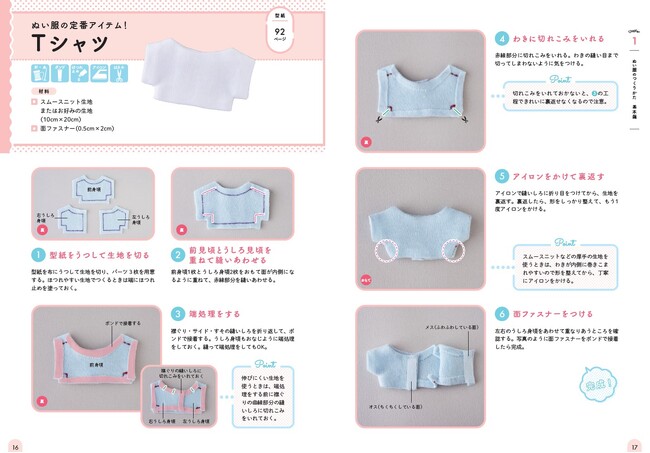
Dressing a stubborn plushie requires patience and specific mechanical tricks. For tops lacking rear hook-and-loop fasteners, the golden rule of plush doll dressing tutorial guides is to dress feet first. Guide the doll's stubby lower legs through the collar, pull the garment up past the hip padding, and ease the arms into the armholes from behind.
When dealing with long-sleeve shirts or jackets, the tight sleeve dressing trick prevents crushed batting. Thread a thin strip of plastic ribbon or smooth cellophane through the sleeve from the cuff. Loop it around the plush hand, then gently pull the ribbon out through the cuff opening. The slick surface eliminates the friction between the doll’s soft fleece and the sleeve lining, allowing the limb to pop through instantly without dragging cotton fibers backward.
For one-piece overalls, always guide the bottom paws into the leg openings first, shift the waist up to the belly button line, and sling the suspenders over the shoulders last. If the doll has an internal skeletal armature (posability wire), bend the arms straight upward above the head to minimize shoulder width during entry, returning them to a natural resting pose once the fabric settles.
Cape Fitting Techniques and Budget Dollar-Store Adaptations
Pre-made cloaks from Japanese lifestyle shops like Seria, Daiso, and Can Do have established an entire subculture within doll fashion. The viral Seria bear cape offers an affordable option, yet collectors often find the hood struggles to drape naturally over dolls with thick hair tufts or stiff animal ears. Doll cape fitting techniques rely on modifying closure depth rather than forcing the original snap.
To fit a standard budget bear cape over an oversized head, replace the factory collar tie with an extended satin ribbon or an elastic cord threaded with a micro toggle. If the hood pulls too taut, create two small vertical slits at the crown to accommodate character ears, sealing the raw cuts with clear textile fray-check adhesive. For capelets that bunch up around the shoulders, steam the interior felt lightly using an indirect iron set on low heat. Steaming releases the tension in synthetic polymers, allowing the hood to drape flush against the back rather than bunching around the chin.
Sizing Benchmarks: 10cm, 15cm, and 20cm Doll Dimensions
Plush garments are categorized primarily by nominal height, but body girth varies widely based on manufacturer density and regional production styles. The following benchmark table details the standard metrics for popular plush sizes:
| Doll Category | Head Circumference | Torso / Waist Girth | Ideal Garment Construction |
|---|---|---|---|
| 10cm Mascot / Keychain | 16, 19 cm | 10, 13 cm | Single-piece ponchos, slip-on bloomers, rear split-velcro. |
| 15cm Chibi Plush | 24, 28 cm | 14, 17 cm | Drop-shoulder hoodies, bottom-entry rompers, wide armholes. |
| 20cm Cotton Doll | 32, 36 cm | 18, 22 cm | Multi-piece tailored suits, back-fastening shirts, stretch knits. |
Cotton doll 20cm clothes offer the broadest variety in the secondary market, but they are not universally interchangeable. Korean and Chinese artisan bases frequently feature different hip circumferences; a "chubby body" (胖胖体) requires at least two centimeters of extra waist allowance compared to a standard slender frame. Checking these numbers eliminates unexpected seams ripping during dress-up.
Safe Seam Stretching Hacks and Wardrobe Alterations
When an outfit is slightly too narrow, aggressive pulling risks ripping structural seams. Safe seam stretching hacks rely on controlled moisture and mechanical expansion. For woven cotton or rigid denim items, lightly dampen the interior seams with distilled water mixed with a single drop of hair conditioner, which relaxes natural plant fibers. Insert a smooth wooden dowel or expanding ring stretcher inside the waist, expand it by 2 to 3 millimeters, and allow it to dry completely overnight.
Avoid applying direct heat or stretching force to synthetic satin linings, as polyester threads snap under sudden tension rather than expanding. For collars that simply will not close, avoid modifying the front display. Instead, open the rear central seam down by 1.5 centimeters, finish the edges with fabric fuse tape, and install two thin snap buttons or micro-velcro strips. This invisible alteration creates room for large heads while keeping the front profile clean.
Outdoor Nuidori Styling and Fabric Preservation Rules
The Japanese practice of nuidori, taking plushies out on day trips, cafe visits, and photo walks, introduces environmental hazards that home displays avoid. Direct sun exposure, skin oils from frequent handling, and coffee table spills degrade fine fabrics quickly. Doll accessory layering plays a dual role: styling the photo and protecting the underlying doll.
First, beware of dark dye transfer. Raw indigo doll jeans, black velvet coats, and dark leather shoes can permanently stain pale plush fur within 48 hours under humid conditions. Always pre-wash dark doll apparel in cold water with salt until the rinse water runs crystal clear. Alternatively, dress the plushie in a lightweight white cotton bodysuit underneath dark outer layers to create a physical barrier.
Second, avoid applying adhesive photo props directly to embroidered facial threads. If attaching miniature glasses, hats, or boba cups, use clear elastic cord loops tucked behind the ears instead of tape or poster putty. When shooting outdoors, carry the plush in a dedicated transparent vinyl pouch (ita-bag) between shots to shield the apparel from road dust, lint, and weather.
Frequently Asked Questions (FAQ)
Q1: Why do dark plush clothes leave dark stains on light doll fur?
A1: Mass-produced doll apparel often skips industrial fixing washes. Synthetic doll fur absorbs unbound pigments rapidly under friction and ambient humidity. Always hand-wash dark items in cold water or use a white protective undersuit.
Q2: Can I wash plush clothes in a standard washing machine?
A2: No. Machine agitation destroys miniature serged edges, melts plastic snaps, and detaches glued appliques. Hand-wash doll clothes in a small bowl with lukewarm water and a drop of neutral wool wash, pressing the moisture out gently between clean towels.
Q3: How do I dress a plush doll with stiff animal ears without crushing them?
A3: Avoid pull-over hoodies with narrow hoods. Opt for back-slit hoodies, capes with open necklines, or bottom-entry jumpsuits. When hoods are mandatory, slide the plush face first through the opening, flattening the ears gently against the skull before pulling the fabric into position.
Maintaining Doll Wardrobes and Long-Term Display
Plush styling combines creative expression with textile preservation. As custom doll wardrobes grow to include tailored trench coats, knitted beanies, and miniature leather accessories, keeping these micro-garments organized prevents premature stretching and dust buildup. Store seasonal outfits flat in compartmentalized plastic craft boxes rather than hanging them on wire racks, which can stretch delicate shoulder seams over time.
Regular maintenance ensures your collection stays display-ready for years to come. Inspect seams for fraying before each outing, wipe miniature shoes with a dry microfiber cloth, and use a soft silicone lint roller over velvet jackets to keep your plushies camera-ready. With the right dressing techniques and thoughtful care routines, styling your favorite characters remains a safe, effortless, and rewarding part of the hobby.