The Complete Pork Throat Cartilage Recipe Guide: Quick, Crispy Izakaya Favorites
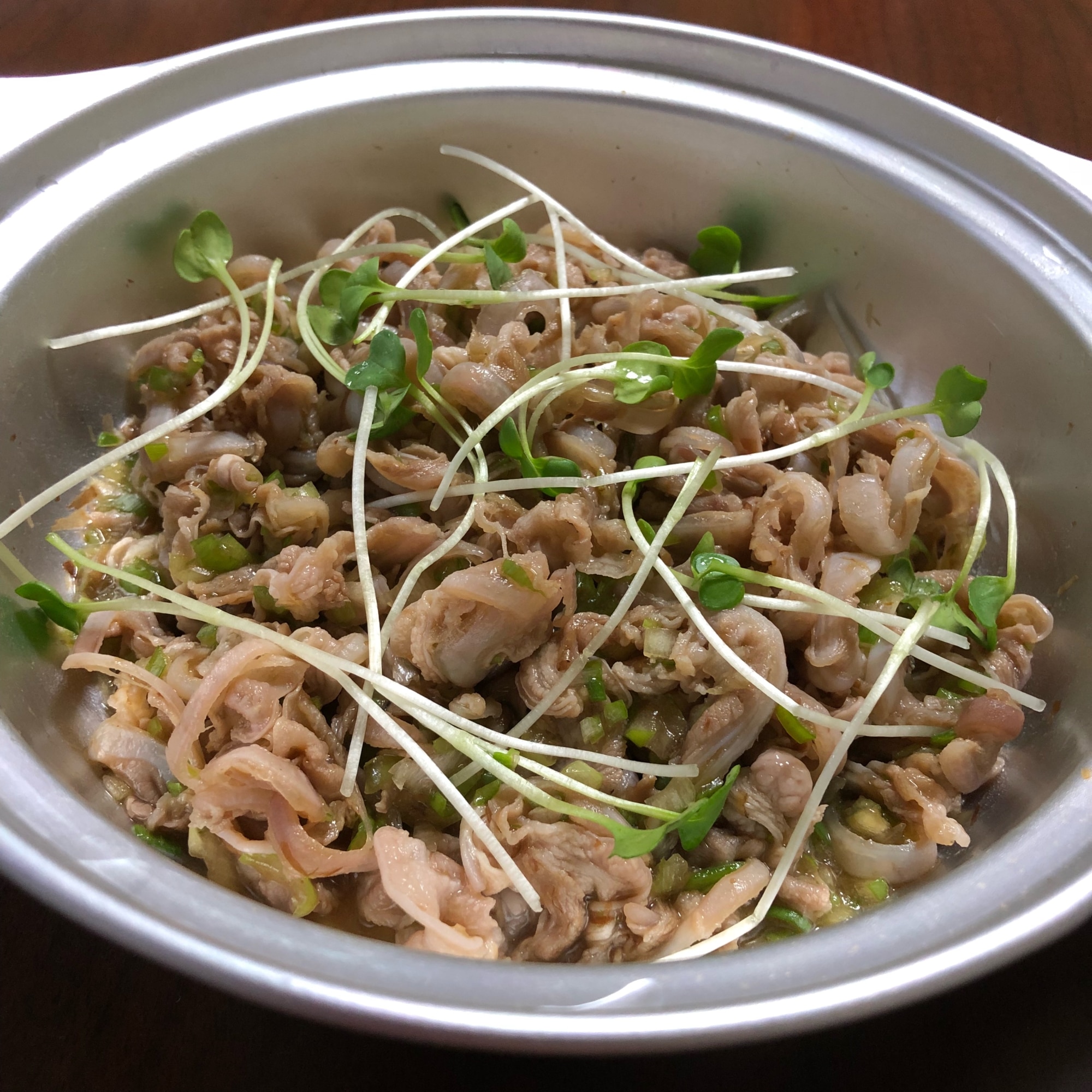
Walk into any late-night yakitori counter in Shinjuku or Osaka, and the sharp clatter of cast-iron pans almost always accompanies a distinctive sound from the diners: the firm, crisp crackle of pork throat cartilage. Known locally as nodonankotsu (喉軟骨), this cut has earned an obsessive following among enthusiasts of Japanese drinking snacks (otsumami). Until recently, sourcing and prepping it required either trade-level butcher connections or tolerating irregular, jaw-aching chunks. The rise of thinly sliced, flash-frozen cuts has changed that dynamic entirely, bringing a pub staple straight to home stovetops.
Much of this domestic surge traces back to specialty discount grocers. As culinary specialist Tomoka Suga documented in a Yahoo!ニュース Report, pre-sliced packs like Gyomu Super pork cartilage slices have transformed an intimidating bar specialty into a foolproof weeknight dinner. The secret to handling nodonankotsu lies not in complex culinary wizardry, but in understanding how high heat, brief parboiling, and simple seasoning coax maximum snap out of dense connective tissue.
📌 Key Takeaways:
- Cut Profile: Pork throat cartilage (*nodonankotsu*) provides an elastic, dense crunch that softens slightly under heat without losing its signature snap.
- Crucial Prep: A rapid 2 to 3-minute parboil removes excess surface scum and off-odors while preserving cartilage rigidity.
- Cooking Strategy: High-heat pan-frying creates golden, blistered edges in under 5 minutes, locking in moisture and seasoning.
Understanding Nodonankotsu and Why Slicing Matters
Pork throat cartilage originates from the trachea and surrounding laryngeal cartilage of the pig. Unlike rib cartilage (*paiko*), which carries heavy meat marbling and requires hours of slow braising to break down collagen, throat cartilage is nearly pure structural tissue flanked by thin ribbons of lean pork. In its whole form, the trachea forms firm, tubular rings that resist standard chewing unless ground or stewed for extended periods.
Thin slicing completely alters the cooking physics of the cut. When butchers shave the cartilage down to 2 to 3 millimeters, the heat penetrates immediately. The surrounding fat renders out rapidly, crisping the exterior meat while the inner gristle stays resiliently crunchy, what Japanese cooks refer to as *kori-kori* texture. Sourcing pre-sliced packs eliminates the need to cross-hatch or hammer the gristle with a meat mallet, making quick pan fried pork cartilage one of the most accessible izakaya dishes you can assemble at home.
The Essential Pre-Boiling Technique
Many home cooks make the mistake of dropping cold, raw cartilage straight into hot cooking oil. This often leads to excessive liquid leaching into the pan, boiling the meat in its own water rather than searing it. Learning how to boil pork throat cartilage correctly is the difference between rubbery gristle and an authentic, crispy finish.
Bring a small pot of water to a rolling boil with 1 tablespoon of sake and two smashed slices of fresh ginger. Drop in the sliced cartilage and blanch it for precisely 120 to 180 seconds. Gray foam and surface proteins will immediately rise to the top. Strain the cartilage into a colander, rinse it briefly under cold running water to wash away impurities, and shake off all excess liquid.
Drying the slices thoroughly on paper towels is non-negotiable. Cartilage contains minimal porous muscle tissue to absorb moisture, meaning surface water will pop violently when it hits cooking fat. A dry exterior ensures immediate browning and deep flavor absorption within seconds of entering the skillet.
Preparation Profiles Compared
Depending on the cooking method, pork cartilage yields vastly different textural results. The table below outlines how prep method, cooking duration, and temperature dictate the final plate.
| Cooking Method | Prep Time & Heat | Texture Profile | Ideal Flavor Pairing |
|---|---|---|---|
| Pre-Boil + Pan Sear | 3-min boil / 4-min sear at medium-high | Firm, crisp snap with blistered edges | Garlic salt, sesame oil, coarse pepper |
| Direct High-Heat Stir Fry | 0-min boil / 6-min sear at high | Chewier exterior, slight moisture release | Dark soy tare, scallions, chili oil |
| Starch-Coated Karaage | No boil / 3-min deep fry at 180°C | Glassy shell, brittle core crunch | Lemon juice, salt, shichimi togarashi |

Mastering the Garlic Salt Glaze: Step-by-Step Recipe
The standard benchmark for an izakaya style pork cartilage recipe is *shio-dare* (garlic salt sauce). It accentuates the natural richness of the pork trim without masking the core texture under cloying syrups.
Ingredients:
- 250g sliced pork throat cartilage (thawed if frozen)
- 1 tbsp toasted sesame oil
- 2 cloves garlic, finely grated
- 1/2 tsp sea salt
- 1/2 tsp coarse black pepper
- 1 tbsp Japanese cooking sake
- 1 tsp soy sauce (light or regular)
- 1 pinch umami seasoning (MSG) or chicken bouillon powder
- Chopped scallions and shichimi togarashi seasoning for finishing
Instructions:
- Parboil: Drop the slices into boiling water for 2 minutes. Drain thoroughly and pat dry with paper towels.
- Sear: Heat the sesame oil in a heavy skillet or cast-iron pan over medium-high heat. Add the dried cartilage slices in an even layer. Let them cook undisturbed for 90 seconds to establish golden browning on the contact side.
- Toss: Stir-fry vigorously for another 2 to 3 minutes until the edges curl and turn deeply crisp.
- Glaze: Lower heat to medium. Pour in the mixture of sake, grated garlic, salt, soy sauce, and umami powder. Toss continuously for 45 seconds until the liquid evaporates into a glossy, fragrant coating clinging to the cartilage.
- Garnish: Turn off the heat. Plate immediately, piling the slices high and showering them with chopped scallions and a generous dusting of seven-spice powder.
Crunch Retention and Common Cooking Pitfalls
Cartilage behaves differently from muscular cuts. It does not carry intracellular fat to stay tender, nor does it have deep grains that trap sauces. Cooks frequently run into three specific stumbling blocks when working with this cut.
First, overcrowding the pan kills texture. Cartilage requires rapid evaporative cooling; crowding drops skillet temperature instantly, causing moisture to pool. Fry in batches if your pan is smaller than 10 inches. Second, cooking over low heat for too long hardens the surrounding pork ribbon into leather while turning the gristle rubbery. Treat sliced throat cartilage like squid: fast heat, short duration, out of the pan.
Third, hold the sweet sauces until the very end. Heavy sugar marinades burn on the pan surface long before the cartilage crisps up. Build your savory base with salt, garlic, and alcohol first. If you want a sweet teriyaki finish, brush it on during the final 30 seconds of cooking.
Plating, Pairings, and Izakaya Culture
In Japanese tavern culture, *otsumami* dishes perform a specific function: they slow down alcohol absorption while cleansing the palate between sips of cold, carbonated drinks. Crispy pork cartilage stir fry sits at the apex of this food group because the mechanical act of crunching extends the eating experience.
Serve the finished cartilage alongside a bed of chilled, rough-torn raw cabbage dressed with a drop of sesame oil and salt. The fresh water content of raw cabbage cuts through the garlic-rich glaze. For beverages, dry Japanese lagers, ice-cold highballs made with peaty whisky, or dry lemon sours provide the necessary acidity and effervescence to slice through the rich pork oil left on the tongue.
Frequently Asked Questions (FAQ)
Q1: Can I cook sliced pork throat cartilage without parboiling it first?
A1: Yes, but direct cooking yields more rendered liquid and a slightly gamier aroma. Pre-boiling for 2 minutes ensures a cleaner flavor profile and faster, splatter-free browning in the frying pan.
Q2: Where can I find nodonankotsu slices outside of Japan?
A2: Look in the freezer sections of East Asian grocers (particularly Japanese, Korean, and Chinese supermarkets) labeled as "pork throat gristle," "trachea slices," or "pork nodonankotsu." Latin American butchers also stock whole pork trachea, which you can slice thinly at home while semi-frozen.
Q3: Is pork throat cartilage safe to eat for people with sensitive teeth?
A3: Throat cartilage remains firm even after cooking. While thin-sliced cuts are far easier to chew than thick restaurant skewers, individuals with dental restorations or jaw sensitivity should approach this cut cautiously, as it requires active, firm mastication.
Bringing Counter-Side Japanese Izakaya Flavors to Your Kitchen
Recreating the atmosphere of an authentic Japanese counter bar does not require hard-to-source ingredients or hours hovering over a stockpot. With pre-sliced pork throat cartilage, great cooking comes down to timing, aggressive pan heat, and sharp seasoning. By parboiling for a couple of minutes and frying until blistered, you transform humble butcher gristle into an elite, savory snack that rivals any pub order in Tokyo.