The Complete Renter's Guide to Hanging Everything Without Damaging Walls
Tenants across major cities lose an estimated 30% of their rental security deposits to cosmetic wall damage, with standard nail gouges and torn drywall paper topping landlord dispute claims. While landlords demand pristine plasterboard upon move-out, residents still want curated spaces, gallery walls, and floating frame display mounts. The tension between living comfortably and protecting a four-figure deposit has fueled a quiet revolution in precision hardware, pioneered largely by Japanese compact-living innovations. As detailed in an Excite エキサイト Report tracking minimalist home interior developments, micro-pin fastening systems and zero-residue mounting techniques have moved from niche DIY hacks into essential equipment for apartment dwellers.
📌 Key Takeaways:
- The Core Mechanism: Modern drywall micro pin hooks replace single heavy nails with angled, hair-thin stainless steel pins that slide between gypsum particles rather than crushing them.
- The Adhesive Risk: Heavy duty adhesive strips fail frequently on vinyl wallpaper and textured plasterboard, often pulling off entire drywall facings during removal.
- Deposit Recovery: Micro-punctures measure under 0.5 millimeters, allowing tenants to completely conceal wall entry points using basic moisture-swelling techniques or matching filler compounds.
The Micro-Pin Engineering That Outsmarts Rental Leases
Traditional nails act as blunt wedges. When driven into drywall or plasterboard, a standard steel nail exerts radial pressure, pulverizing the brittle gypsum core and tearing the structural paper facing. The result is an unsightly crater that requires spackle, sanding, and repainting.
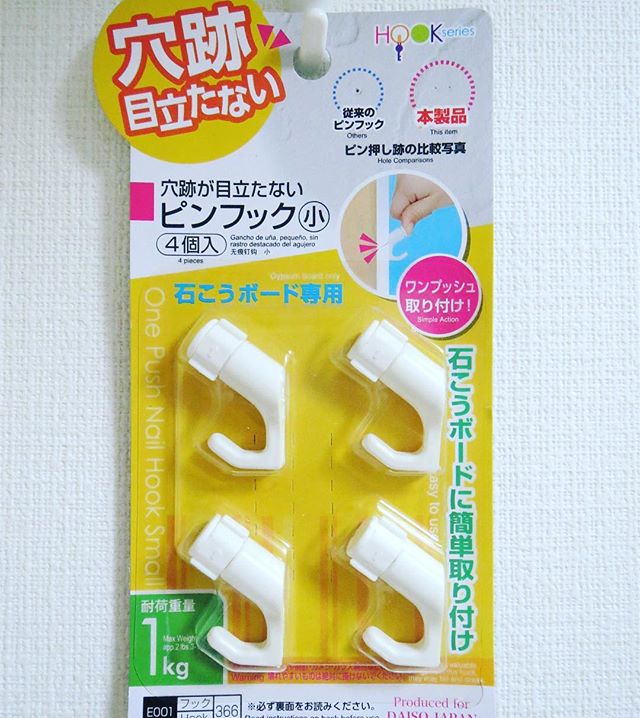
Drywall micro pin hooks operate on a completely different mechanical principle. Instead of one thick shaft, these mounts use two or three ultra-fine stainless pins measuring between 0.3 and 0.5 millimeters in diameter, roughly the thickness of an acupuncture needle. When pushed into the wall, the pins enter at opposing 30-degree and 45-degree diagonal angles.
This geometry transforms straight downward gravitational pull into distributed shear tension across the core of the plasterboard. The pins slide between the crystalline structures of the gypsum rather than shattering them. When you pull the pins out, the surface fibers simply spring back. The resulting entry mark is virtually invisible to the naked eye from two feet away, easily passing move-out landlord inspections.
Load Capacities Across Plasterboard and Drywall Substrates
Hanging failures occur when residents match the wrong hardware to their wall type or significantly overestimate the weight rating of a single fastener. Weight capacity per hook depends on two factors: the tensile strength of the pin array and the shear resistance of the substrate.
| Mounting Hardware | Safe Working Load | Hole Diameter Left Behind | Ideal Substrate |
|---|---|---|---|
| Triple-Pin Drywall Micro Hook | 5, 7 kg (11, 15.4 lbs) | 0.4, 0.6 mm | Standard Drywall, Plasterboard |
| Curved Monkey Hook Hanger | 9, 15 kg (20, 33 lbs) | 1.5, 2.0 mm | Hollow Drywall (12.7 mm min) |
| Heavy Duty Adhesive Strip | 1.5, 3.5 kg (3.3, 7.7 lbs) | 0.0 mm (Hole-Free) | Flat Painted Wood, Glass, Metal |
| Standard Brass Picture Nail | 4, 9 kg (8.8, 20 lbs) | 2.2, 3.0 mm | Wood Studs, Solid Plaster |
For lightweight prints, standard push pin alternatives hold up to 1 kilogram safely. For medium-weight framed canvas and floating displays, triple-pin plastic caps distribute weight along three separate access channels, tripling load capacity without expanding puncture size. Monkey hook drywall hangers carry heavier payloads by running a spring-steel contour through the wall cavity, bracing against the back of the drywall panel itself. The puncture remains under 2 millimeters wide, which shrinks dramatically under standard joint restoration.
The Hidden Failure Mode of Wall Adhesives
Adhesive hooks are often marketed as the ultimate renter-friendly wall decor solution. In reality, they carry hidden risks that cause substantial wall damage. Pressure-sensitive viscoelastic tapes rely on chemical adhesion to the exterior paint layer. If your apartment has textured vinyl wallpaper, flat builder-grade latex paint, or uneven primer, adhesives struggle to form an airtight bond.
During seasonal humidity shifts, moisture seeps behind the adhesive pad, weakening the grip. The hanging item falls, often shattering.
The reverse failure is equally destructive. When tenants yank the tab too quickly or pull it away from the wall rather than stretching it flat against the surface, the adhesive takes the paint film and paper facing with it. Repairing stripped drywall paper requires cutting away loose edges, applying oil-based primer, skimming with joint compound, and repainting the entire section. Angled drywall micro pin hooks avoid this entirely by anchoring mechanically into the interior substrate, leaving surface paint undisturbed.
Hardware Physics for Mirrors and Floating Displays
Mounting heavier mirrors, solid oak frames, or deep display shelves requires managing rotational torque. When a frame extends three inches away from the wall, it exerts both downward shear force and outward tensile force at the top anchor point.
To hang these pieces without structural anchors:
- Split the Load Across Dual Anchors: Never hang a 6-kilogram mirror from a single center point. Use two distinct micro-pin hangers spaced 30 to 45 centimeters apart. This cuts the shear load per anchor in half and prevents shifting.
- Shorten the Hanging Wire Slack: Excess slack in hanging wire increases the outward pulling angle. Keep hanging wire taut so the downward force stays flush against the wall surface.
- Level the Mounting Bracket: Floating frame mounts with multiple micro-pin positions disperse load across eight to twelve points. Even in soft 9.5-millimeter plasterboard, this distribution secures items up to 10 kilograms without structural wall anchors.
Erasing Pin Holes: Post-Tenancy Restoration Techniques
Even microscopic pinholes can draw attention under bright inspection lighting if left unaddressed. Fortunately, micro-punctures require none of the messy sanding or broad paint-matching associated with traditional spackle.
Gypsum core fibers and wallpaper backings naturally expand when exposed to moisture. Dampen a clean microfiber cloth with warm water and press it firmly against the pin mark for 15 seconds. Use the smooth end of a wooden spoon or a clean coin to gently massage the surrounding texture toward the center of the puncture. In vinyl and embossed paper, this closes the hole completely.
If a slight shadow remains, apply invisible nail hole solutions. Avoid pink-to-white tub spackle, which leaves chalky halos on colored walls. Instead, use an artist-grade colored repair putty matched to your wall’s exact paint sheen. Press a tiny bead into the indentation using your fingertip, then wipe the surrounding area clean with a damp paper towel. The repair will blend invisibly into the surface texture.
Frequently Asked Questions (FAQ)
Q1: Are micro-pin hooks strong enough for framed gallery glass?
A1: Yes, provided the total weight stays within the manufacturer rating. Triple-pin setups comfortably carry up to 7 kilograms (15.4 pounds), which accommodates framed art up to 60 by 90 centimeters. For heavier safety glass or mirrors, use two hooks linked by heavy-gauge picture wire.
Q2: Can I install micro pin hooks in solid concrete walls?
A2: No. Micro pins require soft, penetrable materials such as gypsum drywall, plasterboard, or soft timber. Pounding fine micro pins into concrete, brick, or cinder block bends the tempered steel shafts. Solid masonry requires hard-wall plastic picture hangers with pre-set hardened steel brads.
Q3: Will landlords charge repair fees for micro-pin holes?
A3: Most rental agreements classify pin punctures under 1 millimeter as normal wear and tear. Because micro-pins cause no structural damage or surface cracking, standard damp-fiber restoration leaves the wall clean enough to satisfy move-out inspections.
Building Beautiful Spaces Within Rental Limits
Renting an apartment should not mean living inside blank white boxes. Tenant rights and lease restrictions often push residents toward fragile adhesives that damage surfaces when they fail. Mechanical micro-pin hardware provides a reliable middle ground: it delivers the stability of steel anchors alongside the clean removal of temporary decor. By pairing these angled pins with gentle restoration techniques, you can hang art, install mirrors, and design a comfortable home while keeping your security deposit entirely intact.