The Complete Step-by-Step Sneaker Waterproofing Guide: From Can Preparation to First Step Outdoors
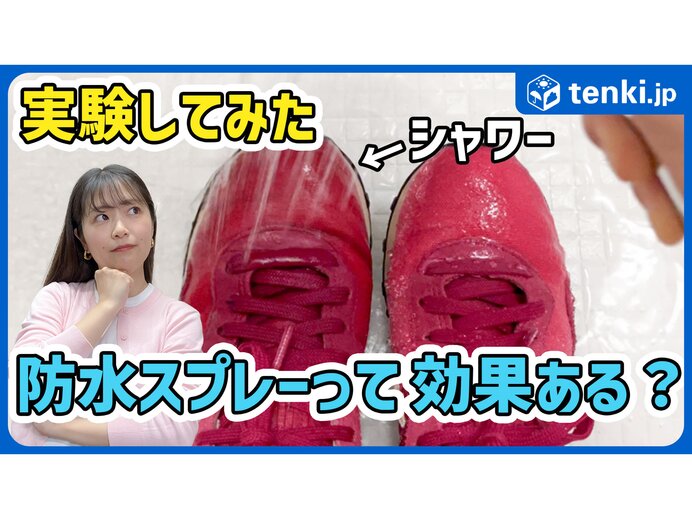
A single sudden downpour can wreck a pair of fresh sneakers. Field trials conducted by weather forecasters at Tenki.jp showed that leaving shoes untreated guarantees soaked socks within minutes of heavy rain, whereas treated footwear deflects standing puddles on contact. Yet thousands of sneakerheads ruin their favorite kicks indoors every year by making simple application mistakes, from spraying too close and leaving permanent cloudy blotches to suffocating premium leather.
Whether picking up a ¥110 ($0.75) budget aerosol can from Daiso, a viral trend thoroughly tested in an MSN Report on retail footwear care, or investing in flagship repellents from Columbus and Crep Protect, the chemistry only works if you apply it correctly. Achieving professional-grade water repellency requires understanding the formulation, prepping the fabric surface, and respecting exact spray distances.
📌 Key Takeaways:
- Formula Selection: Fluorocarbon water repellent spray protects delicate weaves while preserving breathability; silicone coatings create heavy barriers suited only for boots and rubberized gear.
- Distance Rule: Maintain a strict 20 to 30 cm (8, 12 inches) distance during sweeping passes to stop pooling and prevent stubborn white residue.
- Curing Window: Shoes need two light coats separated by 30 minutes of drying time, plus a full 24-hour cure for maximum stain and water deflection.
Fluorocarbon vs. Silicone: Choosing the Right Chemical Barrier
Walk down any shoe care aisle and you will face two distinct chemistries: fluorocarbon water repellent spray and silicone-based coating. Picking the wrong can will permanently alter the look and feel of your footwear.
Silicone sprays work by depositing an impermeable film over the surface. The silicone fills every tiny opening between fibers. Water cannot get through, but air cannot escape either. If you apply silicone to running shoes or primeknit runners, foot sweat stays trapped inside. Worse, silicone can darken natural suede and leave an oily sheen on vegetable-tanned leather. Reserve silicone for heavy rubber mudboots, synthetic rain slickers, or umbrella canopies.
Fluororesin formulations take a different mechanical approach. Rather than sealing fabric pores, fluorocarbon molecules bind to individual thread filaments like tiny upright spikes. Surface tension spikes dramatically. Water droplets cannot spread or flatten out; they bead into tight spheres and roll off the edge. This provides critical fabric breathability preservation, making fluorocarbon the gold standard for canvas and mesh sneaker care as well as a dedicated suede and nubuck waterproofer. High-grade sprays from legacy manufacturers like Columbus and modern lifestyle brands like Crep Protect rely on fluorochemical variants for this exact reason.
Pre-Application Surface Cleaning and Safety Protocols
Spraying a dirty shoe permanently traps grime beneath the chemical barrier. Before shaking any pressurized can, perform thorough pre-application surface cleaning. Brush away loose dust, dried mud, and street grit using a medium-stiff horsehair brush. For stubborn marks, wipe down the uppers with a damp microfiber cloth and a mild sneaker cleanser, then let the shoe dry completely for at least 12 hours. If the fabric holds even residual moisture, the repellent cannot anchor to the fibers.
Health authorities and product safety agencies regularly issue outdoor ventilation safety precautions regarding aerosolized sealants. Inhaling atomized fluororesin particles causes polymer fume fever and acute respiratory distress. The microscopic droplets settle deep into lung alveoli, where they repel moisture and block oxygen absorption.
Never spray shoes in an enclosed room, hallway, bathroom, or garage. Move onto an open balcony or your front lawn. Stand upwind so the aerosol plume drifts away from your face. If you suffer from asthma or work on several pairs at once, put on an N95 respirator mask. Keep domestic pets, especially birds and cats, far away until the treated footwear has fully dried.
The Sweeping Spray Distance Technique to Prevent White Residue
The single most common mistake among sneaker owners is holding the nozzle too close to the upper. When aerosol propellant hits fabric from four inches away, it pools. As the solvent rapidly evaporates, the concentrated polymer leaves behind an unsightly chalky white haze that is nearly impossible to scrub out of black mesh or raw suede.
Mastering the spray distance technique comes down to three mechanics:
Hold the nozzle exactly 20 to 30 cm away from the shoe. Shake the can vigorously for 15 to 20 seconds to suspend the active resins evenly inside the carrier solvent. Begin depressing the nozzle before aiming at the shoe, then sweep the spray stream across the surface in a continuous, overlapping motion from heel to toe. Never hold the spray in one spot.
Coat the tongue, the eyelets, and the seam margins where water naturally seeps through stitching holes. If you see liquid glistening or pooling on the surface, you are spraying too close or moving too slowly. A proper coat looks like a fine, barely damp mist across the upper.
Cure and Drying Time: Why Rushing Outdoors Destroys the Coating
Patience separates lasting stain protection from immediate failure. The carrier solvent must evaporate entirely so the protective polymers can align and cross-link along the fibers.
After the first pass, let the sneakers rest in a shaded, well-ventilated outdoor spot for 20 to 30 minutes. Do not use a hairdryer on high heat; forced hot air breaks down the unstable polymer bond before it sets and can melt the glue welds on modern running soles. Once the first layer is dry to the touch, apply a second light coat using the same sweeping method. Two thin coats provide significantly better coverage and durability than one heavy, soaked layer.
While shoes may feel dry within an hour, the chemical curing process requires 12 to 24 hours to achieve maximum bonding strength. Heading out into wet grass or rainstorms immediately after spraying strips the unbonded coating away, leaving the fabric vulnerable to dirt and mud stain prevention failures.
Aerosol Chemistry and Performance Across Price Tiers
Sneakerheads often wonder whether budget aerosol options perform reliably compared to premium sneaker-care labels. Daiso and Seria retail entry-level fluorocarbon cans for 110 JPY, while specialty brands command anywhere from $15 to $25 per bottle.
| Repellent Class | Price Range | Breathability Rating | Optimal Material Match | Reapplication Cadence |
|---|---|---|---|---|
| Fluorocarbon Aerosol (Daiso, Seria) | $0.75, $1.50 (70ml) | High | Canvas, Daily Beat-up Mesh | Every 1, 2 Weeks |
| Heritage Shoe Care (Columbus Amepas) | $12.00, $18.00 (180, 420ml) | Very High | Suede, Nubuck, Smooth Leather | Every 3, 4 Weeks |
| Nanotech Barrier (Crep Protect, Liquiproof) | $16.00, $24.00 (200ml) | High | Knit Uppers, Primeknit, Suede | Every 4, 6 Weeks |
| Silicone Heavy Coating (Hardware Brands) | $6.00, $10.00 (300ml) | Low / Zero | Heavy Rubber, Work Boots Only | Every 2, 3 Months |
As verified in independent consumer testing across Japanese convenience stores and 100-yen shops, budget sprays utilize real fluororesin that performs admirably during moderate precipitation. However, cheaper cans hold significantly less product (roughly 70ml compared to 200ml or 420ml in professional cans) and feature coarser nozzle diffusers that demand a steady hand to avoid heavy splotches.
The Water Drop Repellency Test and Maintenance Timelines
Never assume your shoes are protected without a quick safety check. Conduct a water drop repellency test before stepping out into torrential weather.
Dip your finger in a cup of clean tap water and flick two or three small droplets onto an inconspicuous area, such as the outer heel counter. If the water instantly beads into glass-like spheres that slide off when you tilt the shoe, the polymer shield is fully functional. If the droplets flatten out, spread, or soak into the weave within 10 seconds, the layer is too thin or unevenly distributed. Let the fabric dry and apply one more light pass.
Waterproofing is not permanent. Daily wear causes walking creases along the toe box, which mechanically crack the microscopic fluoropolymer spikes. Dust, friction, and sidewalk scrapes wear away the coating over time. For sneakers worn two to three times a week, reapply repellent every three to four weeks. If you get caught in an intense downpour, let the shoes dry naturally, brush away any surface grit, and apply a fresh topcoat to restore full repellency.
Frequently Asked Questions (FAQ)
Q1: Will waterproofing spray discolor white sneakers or change the texture of suede?
A1: Quality fluorocarbon sprays do not alter fabric colors or harden suede nap if applied correctly. White haze or discoloration happens when the can is held too close (under 20 cm) or when using cheap silicone sprays that darken leather. Always test a hidden spot on the tongue before spraying the entire shoe.
Q2: Can I apply waterproof spray to brand-new sneakers straight out of the box?
A2: Yes, and this is the best time to do it. Factory-fresh shoes have zero embedded dirt or oils. Give them a quick pass with a dry brush to remove factory dust, then apply your two coats. Doing this keeps dirt, ketchup, and dirty puddle water from penetrating deep into the fibers later.
Q3: How do I remove accidental white residue left by spraying too close?
A3: If the residue has already dried, do not scrape it with sharp blades. Dampen a clean microfiber cloth with a small amount of isopropyl alcohol or a dedicated sneaker shampoo and gently rub the area in circular motions to break down the surface polymer clump. Let it dry completely and re-brush the texture.
Maintaining Footwear Protection Year-Round
Protecting delicate sneakers from inclement weather requires zero guesswork. By matching your footwear material to a fluorocarbon formula, cleaning the uppers before spraying, and maintaining the mandatory 20 to 30 centimeter spraying distance outdoors, your sneakers will effortlessly shrug off rain, mud, and street spills. Take the extra thirty minutes to cure the coating properly, and your favorite pairs will look fresh across every season.