The Complete Unagi Ordering Guide: Should You Choose Unadon or Unaju?
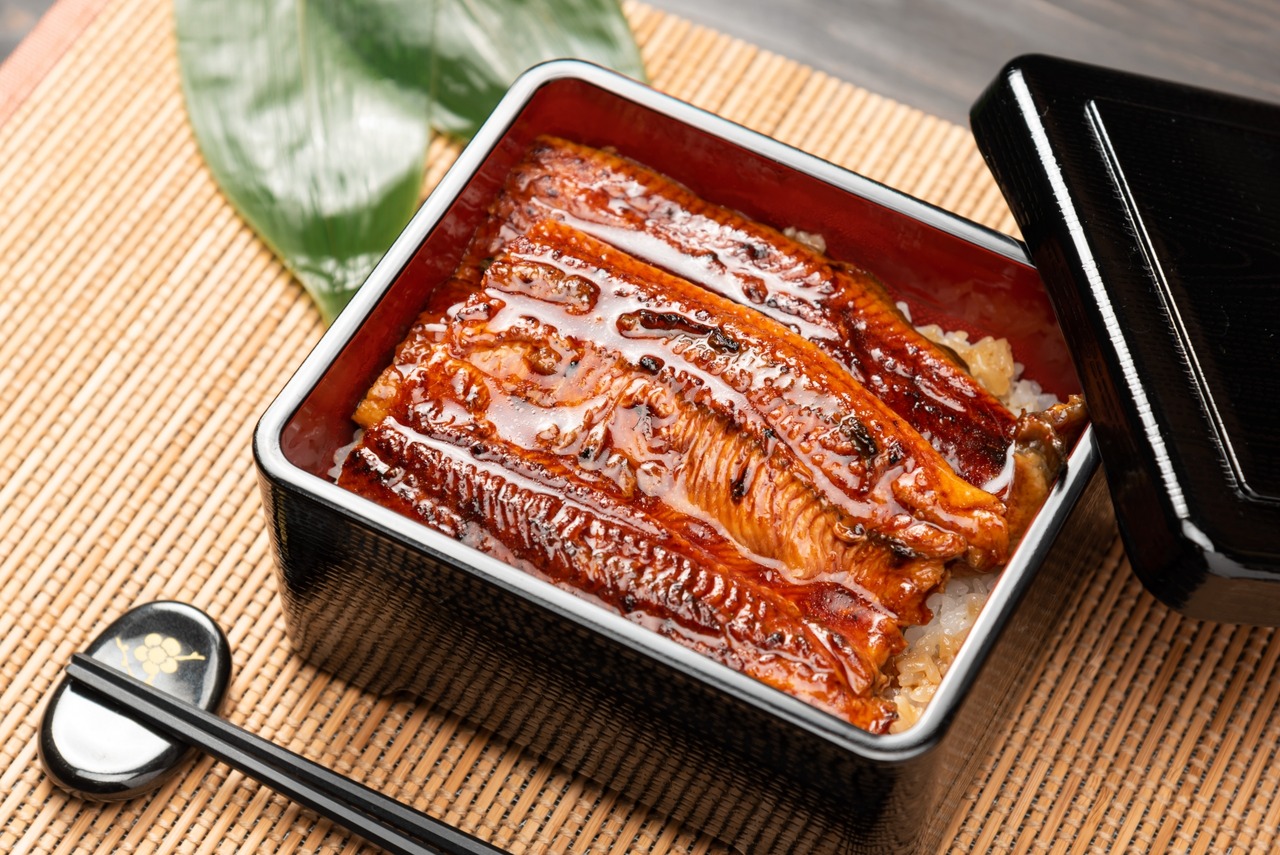
Step into any traditional unagi establishment in Tokyo or Kyoto, and the menu presents an immediate fork in the road: unadon or unaju. Both dishes showcase unagi kabayaki, freshwater eel filleted, skewered, basted in a rich tare sweet soy glaze, and caramelized over white-hot binchotan charcoal. Yet the price difference between the two can exceed ¥2,000 to ¥3,000, leaving travelers and newcomers wondering whether they are paying for higher-quality fish, larger servings, or mere culinary theater.
The resurgence of midsummer dining traditions around Doyo no Ushi no Hi (the midsummer Day of the Ox, falling on July 26, 2026) has reignited this nationwide debate. As culinary rankings highlighted in a recent ITmedia Report demonstrate, whether a patron chooses a rustic ceramic bowl or an opulent tiered lacquer box often dictates the rhythm, pacing, and cultural tone of the entire meal. Deciding between them comes down to three measurable factors: vessel geometry, eel-to-rice ratios, and formal presentation standards.
📌 Quick Summary:
- The Core Distinction: Unadon serves eel over rice in a round ceramic donburi rice bowl, while unaju features larger fillets arranged inside a square or rectangular jubako lacquer box.
- The Quality Myth: Restaurants do not use superior eel for unaju; price variance stems almost exclusively from the weight of the eel fillets and accompanying side soups.
- Ordering Strategy: Choose unadon for a swift, casual, carb-balanced lunch; reserve unaju for leisurely dinners, formal hosting, or multi-fillet dining experiences.
The Vessel Dichotomy: Donburi Ceramic Bowls Against Jubako Lacquerware
The fundamental difference begins with the container itself. "Don" stands for donburi, the everyday deep ceramic bowl that anchors Japanese comfort food culture. Unadon emerged during the late Edo period, attributed to theater patron Imasuke Otani, who sought a convenient way to keep grilled eel warm between kabuki acts by sandwiching it inside piping-hot rice. The round bowl holds heat efficiently, promotes quick eating with chopsticks, and signals an unpretentious, single-course meal.
Unaju elevates the presentation through the jubako, a traditional tiered lacquerware box finished in vermilion and polished black urushi. The suffix "ju" translates to stacked or layered, referencing the nested boxes historically used for celebratory banquets and New Year osechi ryori. The wide, flat rectangular surface of the jubako changes how the food interacts with the palate. Instead of sinking into a deep pocket of rice, the eel rests flat across a shallow, uniform bed. Every square inch of the fish remains visible when lifting the fitted lid, releasing a concentrated plume of sweet soy, smoke, and steamed rice aromatics.
Lacquerware retains moisture differently than heavy glazed ceramic. The light wooden core breathes slightly beneath the lacquer skin, preventing condensation from dripping back down onto the crispy outer skin of the unagi kabayaki.
Portioning, Cuts, and the Myth of Meat Quality Differences
A persistent misconception among diners is that unaju utilizes wilder, pricier, or inherently tastier eel than unadon. In professional kitchens, the culinary truth is straightforward: the raw fish stock is identical. Both dishes draw from the same preparation of Japanese eel (Anguilla japonica), filleted, skewered, and grilled across the exact same charcoal pit.
The price disparity reflects the cut and the total weight of the meat:
- Unadon: Typically features a single fillet, often the tail portion or roughly half to two-thirds of an eel (80g to 120g). The rice-to-eel ratio leans heavily toward the grain, creating a hearty, sauce-drenched carb profile.
- Unaju: Generally requires at least one full eel, often spanning two or three broad body fillets (160g to 250g or more). In high-end variations, the meat completely blankets the rice, eliminating any visible white surface.
Menu tiers also rely on the classic Japanese ranking system known as matsu, take, ume (Pine, Bamboo, and Plum). In a standard restaurant hierarchy, Plum (ume) represents the entry-level unadon or small unaju, Bamboo (take) indicates a standard portion, and Pine (matsu) delivers a double-layered or oversized eel portion. The grade indicates volume, surface coverage, and liver soup inclusion, never a distinct biological grading of the eel meat.
Comparative Breakdown: Portion Sizes, Vessels, and 2026 Pricing
To understand how these differences translate to the table across casual and fine-dining operations, consider the technical specifications across both formats.
| Feature | Unadon (うな丼) | Unaju (うな重) |
|---|---|---|
| Serving Vessel | Round ceramic donburi bowl | Square or rectangular jubako lacquer box with lid |
| Typical Eel Portion | 1/2 to 2/3 of an eel (80g, 120g) | 1 full eel to 1.5 eels (160g, 260g+) |
| Standard Accompaniments | Pickled vegetables (tsukemono); standard miso soup | Pickles and clear kimosui (eel liver soup) |
| 2026 Price Benchmark | ¥1,800, ¥3,200 ($12, $21 USD) | ¥3,800, ¥7,500 ($25, $50 USD) |
| Atmospheric Tone | Casual, fast-paced weekday lunch | Formal dining, family celebration, seasonal ritual |
Regional Culinary Divides: Kanto Steaming Versus Kansai Direct Grilling
Vessel choices run parallel to a deep geographical divide in how the eel itself undergoes preparation. Before picking unadon or unaju, check whether the shop operates under Kanto (Eastern) or Kansai (Western) culinary tradition, as this alters texture and richness far more than the container does.
The Kanto Method: Tokyo and Eastern Japan
In eastern Japan, historical samurai culture shaped butchery. Chefs slice the eel open along the spine to avoid mimicking seppuku (ritual belly slicing). The fillets undergo an initial plain grilling (shirayaki) over charcoal, followed by an intensive steaming step lasting 20 to 30 minutes, and finally several rounds of dipping in tare glaze and re-grilling. The steam renders excess subcutaneous fat, yielding a pillowy, melting interior with delicate skin. Kanto-style unaju feels light despite its generous size.
The Kansai Method: Osaka, Kyoto, and Western Japan
Western merchants had no samurai taboos, preferring to fillet the eel through the belly. Kansai kitchens omit the steaming phase entirely. Known as jiyaki (direct grilling), the eel skewers roast over intense heat, continuously fanned and basted with a sweeter, thicker tare. The result is a crackling, crispy skin with a firmer, richer chew that highlights the fish's natural oils.
To balance these textures, tables across both regions supply sansho pepper seasoning. A light dust of this ground green berry provides a bright, citrusy tingle that cuts through unagi fat and cleanses the palate between mouthfuls.
Lacquerware Dining Etiquette and the Role of Kimosui
Eating from a square jubako carries its own set of dining conventions. When unaju arrives, the lacquered lid rests tightly on top to trap moisture and residual smoke.
- Opening the Box: Hold the base of the box with your left hand and lift the lid with your right. Tilt the lid upward over the box so any condensed water droplets fall back into the food rather than onto the table. Place the lid inside up to the upper-left of the tray.
- Sectioning the Portion: Avoid picking at random flakes of eel. Use the edge of your chopsticks to cut clean vertical and horizontal lines through both the eel and the underlying rice, dividing the box into four or six manageable rectangles.
- Lifting the Vessel: Unlike a round donburi bowl, which diners habitually cradle in one palm close to their chest, a full-sized jubako lacquer box can remain on the table or be supported lightly with one hand while eating.
- The Role of Kimosui: Unaju orders almost invariably include kimosui, a delicate, clear dashi broth housing the blanched, nutrient-dense liver of the eel. The subtle bitterness of the organ paired with fragrant mitsuba leaf resets taste receptors saturated by heavy soy tare.
Navigating the Counter: When to Order Unadon Versus Unaju
Selecting the right option depends entirely on your appetite, budget, and dining context:
- Choose Unadon if:
- You are stopping for a quick solo lunch during a busy sightseeing or work schedule.
- You prefer a higher ratio of rice to fish, letting the savory sweet tare carry the grains.
- You are dining on a modest budget but still crave genuine charcoal-grilled unagi kabayaki.
- You are trying unagi for the first time and want to test your palate on a moderate portion.
- Choose Unaju if:
- You want unagi to serve as the undisputed hero of your meal, blanketed from corner to corner.
- You appreciate the ritual of lacquerware dining and want to savor clear kimosui soup.
- You are observing seasonal events like Doyo no Ushi no Hi or dining with guests in a formal setting.
- You lean toward premium, multi-fillet options like tokujō (extra-special grade) featuring stacked eel layers.
Frequently Asked Questions (FAQ)
Q1: Does unaju always come with eel liver soup (kimosui)?
A1: In traditional specialty restaurants (unagi-ya), unaju orders include kimosui by default or offer it for a modest upgrade of ¥200 to ¥300. Unadon, by contrast, typically comes with regular red or white miso soup or no soup at all.
Q2: Why is unagi traditionally eaten on Doyo no Ushi no Hi during the summer?
A2: The custom dates back to the Edo period, popularised by polymath Gennai Hiraga to help eel vendors boost sluggish summer sales. Nutritionally, eel is rich in vitamins A, B-complex, and E, making it a legitimate stamina food for surviving intense midsummer heat.
Q3: Can I ask for extra sauce (tare) on my rice?
A3: Yes. Many shops accommodate requests for tare-daku (extra sauce poured over the rice). However, high-end shops balance the sauce precisely to prevent the rice grains from becoming soggy, so sampling the dish as served first is recommended.
Strategic Takeaways for Ordering Grilled Eel
The choice between unadon and unaju is not a test of palate sophistication, nor is it a gamble on fish quality. It is a decision between two distinct styles of Japanese dining.
Unadon provides an approachable, satisfying meal where charcoal smoke and seasoned rice carry a workday lunch. Unaju delivers an unhurried, multi-sensory encounter with one of Japan's oldest culinary traditions, enclosed in heirloom lacquerware and complemented by restorative broth. Match your choice to the pacing of your day, dust on a pinch of vibrant sansho pepper, and enjoy one of the country's most enduring craft traditions.