The Definitive Chicken Bouillon Refill Guide: Storage Hacks, Best Brands, and Proper Ratios
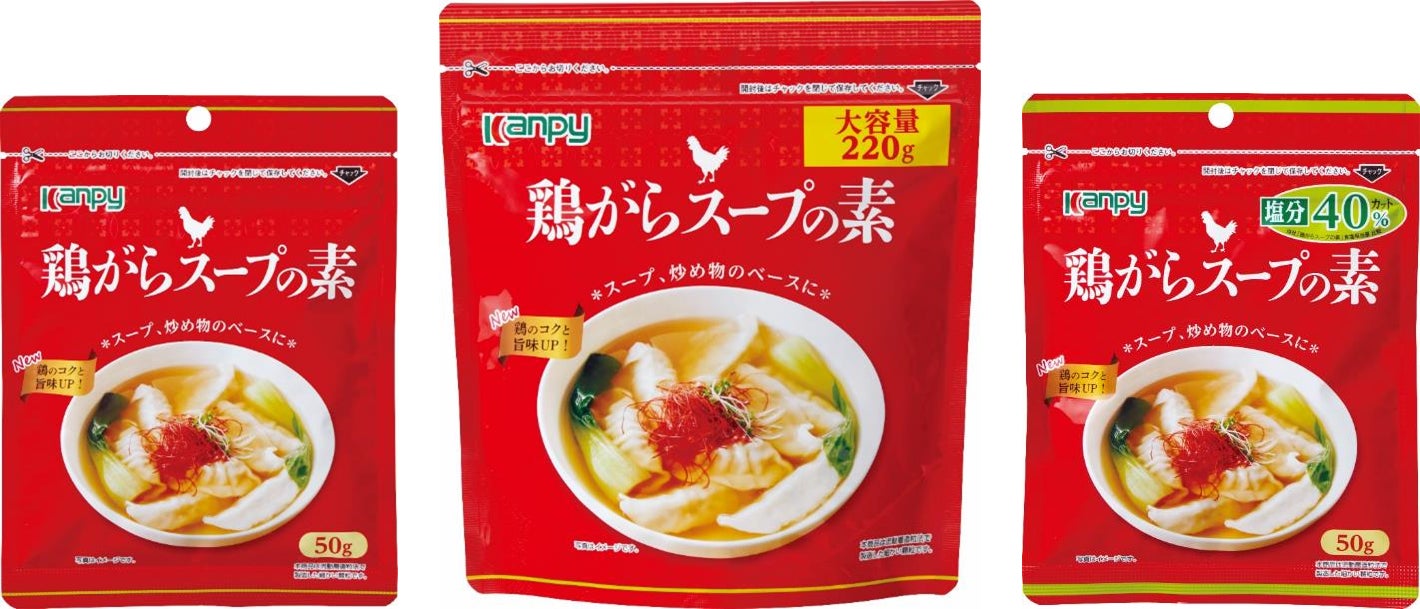
Supermarket spice aisles are quietly shedding their rigid glass containers. Driven by packaging inflation and an instinct for pantry efficiency, home cooks across North America and Asia are migrating toward the flexible bulk seasoning pouch. At the center of this shift sits the Japanese toragara soup base (torigara supu no moto), a savory, umami-dense granulated chicken stock base that anchors everything from weeknight fried rice to restorative broths.
The financial logic is simple, but the chemistry is punishing. When consumers bypass single-use jars to chase substantial cost per ounce savings, they immediately face humidity. Without glass packaging and proprietary shaker seals, exposed granulated poultry seasoning pulls moisture directly out of the air, turning loose, golden powders into rock-hard bricks within weeks. Meanwhile, manufacturers are overhauling the formula itself. Major regional producers like Hyogo-based Kato Sangyo renewed their flagship Kanpy line with enhanced flavor profiles and budget-conscious pricing, as detailed in an official PR TIMES Report. Simultaneously, niche culinary innovators like Tokyo’s SELECT VALUE unveiled diet-conscious, low-sodium formulas in late 2025, completely reshaping how home kitchens stock their foundational pantry staples.
📌 Key Takeaways:
- Economic Math: Transitioning to a chicken bouillon powder refill trims pantry overhead by 35% to 50% per ounce compared to buying new shaker jars.
- Formulation Trends: Manufacturers are splitting the market between MSG-forward umami staples and additive-free, low-sodium alternatives engineered with registered dietitians.
- Moisture Management: Rehydrating chicken powder in high-humidity kitchens requires active containment through gasket-sealed glass and moisture prevention silica gel packs.
The Economics of the Bulk Seasoning Pouch
Pantry staples have endured relentless retail markups over the last three years. Glass jars, heavy caps, and shipping weight add surprising overhead to a standard 50-gram supermarket container. When shoppers purchase a pre-filled glass jar of granulated chicken broth, up to 40% of the shelf price covers container production, transport freight, and shelf footprint.
Flexible refill pouches eliminate that dead weight. Commercial refill bags, commonly sold in 100-gram, 250-gram, or 500-gram formats, use multi-layer laminate plastics that protect seasoning against light and environmental air during transit while reducing shipping volume.
The immediate benefit appears on the grocery receipt. A standard 50-gram shaker bottle of imported Japanese toragara soup base frequently retails for $4.50 to $6.00 in Western international grocers ($2.50 to $3.50 per ounce). In contrast, a 250-gram bulk refill pouch typically retails between $8.00 and $10.00, dropping the effective cost to roughly $0.90 to $1.15 per ounce. For households that rely on poultry stock base for daily soups, stir-fries, and vegetable glazes, the recurring annual savings justify buying in bulk.
Clean Labels and the Sodium Rethink in Toragara Formulations
Granulated poultry stock has spent decades defined by a single formula: salt, monosodium glutamate (MSG), hydrolyzed vegetable protein, chicken fat, and trace meat extractives. That baseline provides an instant wallop of savory flavor. Yet the ingredient deck is fracturing along dietary lines.
Traditional powerhouses maintain high-potency, MSG-driven products because they deliver predictable culinary results in busy kitchens. In September 2024, Kato Sangyo executed a nationwide overhaul of its Kanpy chicken broth base across Japan, re-engineering the recipe to balance richer bone-extract notes against lower retail price thresholds.
Conversely, health-focused manufacturers are targeting consumers who want to control their sodium intake. In late 2025, Tokyo-based SELECT VALUE launched Hot Nature Shizen-ha Toragara Soup Base, a blend developed alongside registered dietitians that reduces sodium content to approximately one-quarter of standard commercial levels. The formulation skips yeast extracts, artificial enhancers, and heavy table salt additions, banking entirely on roasted bone extracts and natural aromatic powders.
This creates a distinct pantry choice:
- Traditional Granulated Toragara: High salt (40% to 50% by weight), enriched with MSG and chicken fat for rapid pan work and intense savoriness.
- Low Sodium Chicken Broth Base / Clean-Label Lines: Minimal salt, zero added flavor enhancers, relying on concentrated dehydrated chicken bone solids for cooks who prefer salting their dishes by hand.
Breaking Down the Granulated Stock Market
Navigating current retail and import shelves requires balancing shelf stability, sodium density, and storage resilience. The table below illustrates how primary poultry bases compare across critical functional metrics:
| Product Type & Profile | Sodium & Additive Makeup | Average Cost per Ounce | Pantry Shelf Life |
|---|---|---|---|
| Standard Japanese Toragara(e.g., Youki, Ajinomoto) | Contains MSG, chicken fat extract, 42%, 48% salt content. | $0.95, $1.30 (Refill Pouch) | 12, 18 Months (Unopened) |
| Value Line Overhaul(e.g., Kato Sangyo Kanpy Renewal) | Optimized bone extract profile, moderate sodium, balanced MSG. | $0.70, $0.90 (Bulk Pouch) | 12, 15 Months (Unopened) |
| Dietitian-Led Clean-Label(e.g., SELECT VALUE Hot Nature) | No yeast extract, MSG-free, ~75% less sodium than standard formulas. | $1.60, $2.10 (Specialty Pack) | 9, 12 Months (Hygroscopic risk high) |
| Western Bouillon Cubes(Commercial Supermarket Baseline) | Hydrogenated palm oil, MSG, 50%+ salt, caramel coloring. | $0.60, $0.85 (Multipack Cubes) | 24 Months (Fat-bound solid) |
Physics of Caking: Why Granulated Chicken Stock Solidifies
Granulated seasoning turns into a solid mass due to deliquescence. Both salt and hydrolyzed poultry proteins are fundamentally hygroscopic: they attract and chemically bond with water molecules floating in room air.
When kitchen air exceeds 60% relative humidity, micro-droplets of water condense along the crystalline surfaces of the seasoning granules. The surface salt dissolves, forming microscopic bridges of liquid brine between adjacent particles.
When relative humidity drops, or when the cupboard temperature fluctuates between afternoon cooking and overnight cooling, that moisture evaporates. The liquid bridges crystallize into solid mineral bonds. Repeat this cycle three or four times, and a free-flowing pouch turns into a masonry block.
Clean-label and MSG-free chicken stock bases cake even faster than legacy commercial powders. Without synthetic anti-caking additives (like silicon dioxide or calcium silicate) and with higher proportions of porous, real-meat extracts, natural powders absorb ambient moisture with unmatched speed. Leaving a bag loosely clipped inside a steamy kitchen cabinet guarantees structural hardening within thirty days.
The Glass Jar Transfer Method and Moisture Defense Protocols
Relying on the zip-seal top of a flexible refill pouch is a tactical error. Powder inevitably settles into the zipper tracks, preventing the plastic teeth from locking flush. To preserve a newly purchased chicken bouillon powder refill, execute the glass jar transfer method immediately after unsealing the pouch.
First, select non-porous airtight storage containers. Thick borosilicate or soda-lime glass jars fitted with food-grade silicone compression gaskets outperform standard snap-top plastic bins every time. Plastic polymers permit trace vapor transmission over time; thick glass forms an absolute moisture barrier.
Second, deploy an active desiccant. Tuck a food-safe moisture prevention silica gel packet inside the jar, resting directly beneath the lid. Silica gel aggressively absorbs trapped headspace air moisture every time you unseal the container, preserving the dry environment required by anti-caking storage hacks.
Finally, practice strict kitchen hygiene:
- Do not spoon powder directly over a simmering saucepan. Rising vapor hits the jar opening instantly, wetting the rim and seeding an immediate crust of hardened crystals.
- Use bone-dry utensils: A single drop of water on a metal teaspoon can solidify an entire 4-ounce container.
- Keep the jar in a cool, dark cabinet between 55°F and 70°F (13°C to 21°C). Storing bouillon adjacent to the stove or dishwasher subjects the granules to continuous thermal cycling.
Calibrating Ratios Across Stocks and Stir-Fries
Substituting Japanese toragara soup base for Western bouillon cubes requires adjusting your kitchen math. Western cubes use compressed fat matrices designed primarily to build heavy, yellow broths. Granulated Japanese stock uses hollow, rapid-dissolving particles designed to melt into high-heat stir-fries without scorching.
For a standard drinking broth or soup base:
- Whisk 1 level teaspoon (approx. 4 grams) of granulated chicken stock base into 1 cup (240 ml) of boiling water.
- For Wok Cooking and Fried Rice: Sprinkle the dry granules directly into the aromatics right after the protein finishes searing. Use roughly 1 to 1.5 teaspoons per two-portion stir-fry. The heat melts the granules instantly, coating the meat and vegetables in concentrated chicken amino acids without dumping excess liquid into the wok.
- If using a standard formulation (Ajinomoto or renewed Kanpy), cut any added table salt or soy sauce in half. If cooking with an ultra-low-sodium base like SELECT VALUE's Hot Nature, treat the stock base purely as an umami amplifier, seasoning the finished dish with salt at the very end.
Frequently Asked Questions (FAQ)
Q1: How do I rescue a brick of hardened chicken bouillon powder?
A1: If the powder has fused into a block but shows no mold, discoloration, or rancid fat odor, it remains chemically safe to consume. Break the mass into rough chunks and pulse them briefly in an electric spice grinder or small food processor until granular. Transfer the powder immediately into a glass jar alongside a fresh food-grade silica gel packet. Alternatively, dissolve measured chunks directly into hot water for soups rather than trying to measure them with a spoon.
Q2: Can I keep the refill powder inside its original bulk seasoning pouch?
A2: Only if you live in an exceptionally dry climate and use the stock within four to six weeks. The plastic zip-track on bulk pouches easily clogs with fine seasoning dust, creating microscopic pathways for moisture ingress. For long-term pantry shelf life beyond two months, transfer the granules into a gasket-sealed glass container.
Q3: Does low-sodium or MSG-free chicken stock spoil faster once opened?
A3: Yes. Salt acts as an essential natural preservative by depressing water activity. In formulations where salt is drastically reduced and anti-caking agents are excluded, airborne moisture poses a dual threat: rapid physical caking and accelerated oxidative staling of the real bone extracts. Store clean-label refills in airtight containers and consume them within four to six months of unsealing.
The Modern Pantry Blueprint for 2026 and Beyond
The migration toward bouillon refills reflects a broader culinary trend: stripping away expensive single-use packaging to invest in core ingredients. Whether you lean on high-impact, MSG-rich bases to punch through quick family dinners or adopt dietitian-engineered, low-sodium formulas to protect cardiovascular health, the economics decisively favor the bulk pouch.
Taking advantage of those savings simply demands respect for the physics of your kitchen. Buy the refill pouch for the price per ounce, but transfer it immediately to a gasketed glass jar with a desiccant pack. Managing ambient moisture keeps your poultry stock loose, savory, and ready to dissolve the moment it hits a screaming-hot pan.