The Evolution of Toy Storage: How Tomica DIY Shelves Became a Social Media Sensation
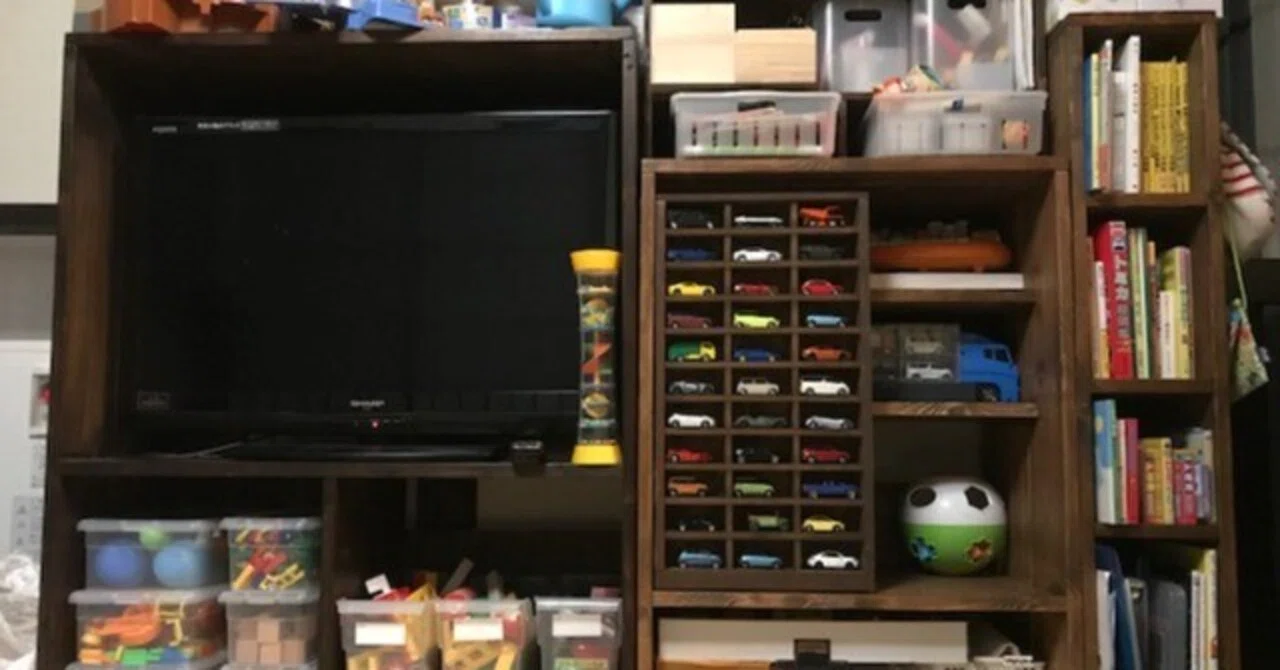
Every parent knows the exact, sharp sting of stepping on a stray diecast car in a dark hallway. For decades, the standard response was dumping the miniature fleet into opaque plastic bins, leaving dozens of painted chassis to chip against each other in chaotic heaps. That stopgap measure has collapsed under the weight of ballooning collections. As highlighted in a livedoor ニュース Report on toy organization trends, the shift away from generic tubs toward thoughtful display systems hinges on a simple behavioral reality: children actively resist cleanup when toys disappear into a black hole, but eagerly participate when storage doubles as an interactive parking garage.
What began as scrappy weekend parenting hacks has evolved into a full-fledged woodworking movement across Instagram, Pinterest, and Japanese DIY forums. Creators have elevated the humble diecast rack into showroom-grade furniture, proving that effective storage can bridge the gap between chaotic toddler play and Scandinavian interior design aesthetics.
📌 Key Takeaways:
- The Behavioral Shift: Display-style shelving transforms cleanup from a chore into an interactive parking game, directly aiding toddler cleanup habit formation.
- The Budget Spectrum: Projects range from $10 Seria 100-yen craft hacks using wood-grain foam board to $80 custom wooden toy rack builds crafted from finished pine.
- The Dimension Factor: Precision spacing, specifically an 85 mm shelf depth for standard cars and 160 mm for long articulated trucks, determines whether a build lasts or quickly becomes obsolete.
The Hidden Mechanics of Tomica Shelf Dimensions
Standard storage units fail diecast collections because miniature vehicles have peculiar proportions. Takara Tomy designs standard Tomica cars to fit standard blister packs, resulting in vehicles roughly 70 to 80 mm long, 30 mm wide, and 30 to 40 mm tall. The numbered mainline lineup maintains a constant rotation of 140 models. When a parent builds a shelf without accounting for these specific physical footprints, cars either roll off the edge or consume vast amounts of dead vertical space.
Carpentry enthusiasts on platforms like note document that the sweet spot for a standard shelf depth sits between 80 mm and 85 mm. This depth provides enough room for tires to rest securely without wobbling while keeping the overall profile slim enough to mount on drywall without heavy bracing. Vertical clearance between shelves demands roughly 45 to 50 mm. Anything taller looks barren; anything shorter prevents small hands from grasping the roofs of taller emergency vans and construction vehicles.
The calculation changes entirely when accounting for the popular Long Tomica series. Articulated tractor-trailers, bullet trains, and fire department ladder trucks stretch between 130 mm and 155 mm. Seasoned builders now deliberately leave the bottom two tiers unpartitioned or set back at 160 mm depths. Integrating these hybrid dimensions prevents parents from needing secondary storage units six months after finishing their initial build.
From 100-Yen Store Hacks to Heirloom Hardwood
The viral spread of handmade shelving stems from its accessibility. In Japan, the explosion of Seria 100-yen craft hacks lowered the entry barrier to almost zero. A parent with a utility knife, a bottle of wood glue, and six dollars can assemble an interlocking display grid using lightweight paulownia boards and wooden lattice trays. These entry-level builds weigh less than two pounds, mount with simple push-pins, and hold roughly 30 vehicles.
Graduating up the craftsmanship ladder reveals serious woodworking. Makers sourcing raw lumber from home improvement centers frequently turn to Daiso timber DIY projects for trim details, while relying on 1x4 dimensional pine or Japanese cedar for the structural frame. The emergence of the custom wooden toy rack has effectively merged traditional joinery with kids playroom clutter management. Instead of bright primary colors, modern builders favor clear matte sealants, milk paint, and rounded bullnose edges that look natural in modern living rooms.
| Build Tier | Primary Materials | Estimated Cost | Capacity |
|---|---|---|---|
| Ultra-Budget Modular | Seria/Daiso wood boxes, PVA adhesive | $6, $15 | 20, 40 cars |
| Wall-Mounted Slat Rack | Pine 1x4 framing, plywood backing, grooved trim | $25, $45 | 70, 100 cars |
| Enclosed Showcase | Oak/Birch plywood, acrylic sliding tracks, dado joints | $60, $110 | 120, 160+ cars |
The Rise of Acrylic Shields and Sliding Displays
Dust is the primary enemy of any static diecast collection. While open shelving provides easy access for active toddlers, adult collectors and neat-minded parents quickly realize that 80 miniature grilles and wheel wells collect lint rapidly. This frustration fueled the 2026 surge in sliding display case design projects shared across interior design channels.
Instead of leaving ledges open to the room, makers route parallel grooves into the top and bottom frames to accept 2 mm clear acrylic panels. The resulting bypass sliding doors protect rare limited-edition castings while preserving total visibility. Some creators even integrate miniature LED strip lighting along the top valance, creating a theatrical diecast vehicle collection showcase that acts as an ambient nightlight. By balancing access with dust protection, the shelf transitions from pure toy storage into deliberate room decor.
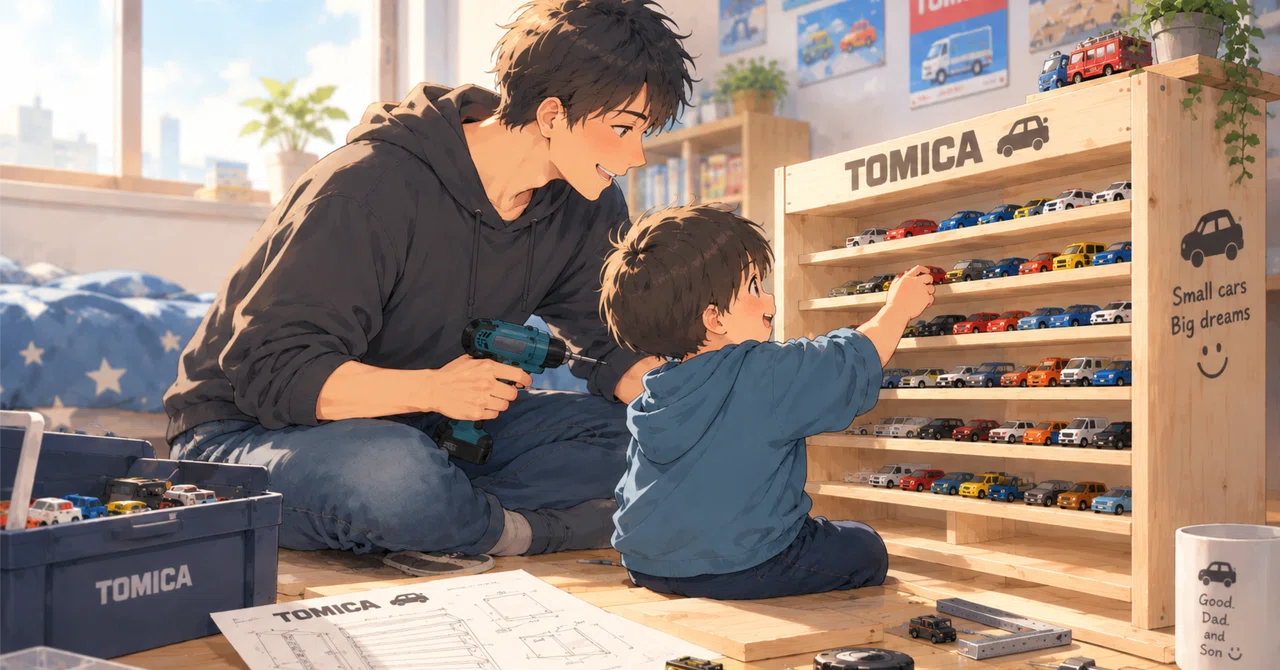
Engineering Parking Garages That Teach Responsibility
Parents building these shelves quickly discover an unexpected psychological perk: kids actually put their cars away. Throwing a heavy metal car into a toy box feels like a discard. Aligning a patrol car into an individual stall feels like completing a parking mission.
To encourage this behavior, many parents paint white stall lines on the horizontal shelves using acrylic paint markers or automotive pinstriping tape. Numbering the stalls or adding tiny printed handicap and EV-charging logos adds an element of structured play. A popular alternative to the flat wall mount is the stackable parking tower shelf. Built as a vertical spiral or a stepped pyramid, it mimics the multi-story automated parking structures common in Tokyo and Osaka. Children treat returning their toys as the final phase of game play, establishing cleanup routines without parental nagging.
Mounting Hazards and Structural Realities
Diecast vehicles are dense. A single Tomica model weighs between 40 and 60 grams. When an ambitious wall-mounted car organizer houses 120 vehicles, that adds roughly 15 pounds of metal to the frame's weight. Mounting such an assembly onto standard drywall with adhesive strips or light hollow-wall anchors invites structural failure.
Responsible builders anchor directly into wall studs using 2-inch structural screws or install French cleat systems along the back of the cabinet. The French cleat offers distinct advantages: it distributes the downward load across multiple drywall anchors and lets parents easily lift the entire shelf off the wall to vacuum behind it or rearrange the playroom layout. For rental properties where driving screws into studs is prohibited, floor-standing tower designs or narrow console tables that rest against baseboards offer safe, unanchored stability.
Frequently Asked Questions (FAQ)
Q1: What are the exact shelf dimensions needed for standard Tomica versus Long Tomica?
Standard Tomica vehicles require shelves with a depth of 80 to 85 mm and a vertical clearance of 45 to 50 mm. Long Tomica models require a shelf depth of at least 160 mm and a vertical clearance of 55 to 60 mm to accommodate elevated crane arms and oversized cabins.
Q2: How do you prevent cars from rolling off open wooden shelves?
Route a shallow 2 mm groove along the center of the wooden runner where the tires rest, or attach a thin half-round dowel along the front lip. Alternatively, a strip of textured felt tape applied to the shelf surface creates enough rolling resistance to stop cars without disrupting visibility.
Q3: Is it cheaper to build a custom rack or buy an official Takara Tomy storage case?
Official plastic cases cost between $25 and $40 and typically hold 15 to 30 cars. A simple DIY build using 100-yen craft wood or basic hardware lumber costs between $15 and $35 while providing custom capacity for 80 to 120 cars, making DIY significantly more cost-effective for medium to large collections.
The Future of Handmade Playroom Architecture
The enduring popularity of custom vehicle shelving marks a shift in how families approach childhood artifacts. Instead of banishing playthings behind closed closet doors or letting them dominate the floor in plastic tubs, parents are actively integrating toys into the living architecture of the home. As modular woodworking techniques continue to spread through digital blueprints and community tutorials, the boundary between children's toys and interior craft will only blur further. The simple wooden parking rack proves that practical parenting solutions and thoughtful home aesthetics can exist on the very same wall.