The Master Guide to Sweet-Savory Ketchup Glazed Meatballs at Home
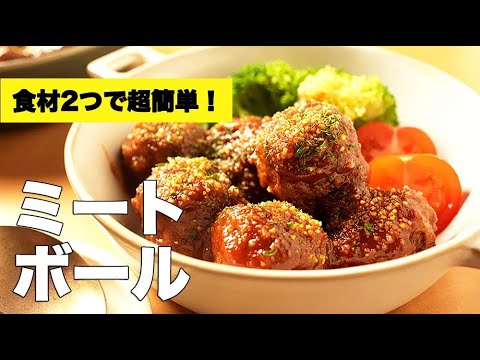
Every morning across Tokyo, millions of home cooks open lacquered plastic boxes and tuck small, glossy, crimson spheres into corners next to rolled tamagoyaki and steamed white rice. Known in household kitchens as nikudango no ketchup-ni (ミートボール ケチャップ煮), these tender, sweet-and-savory glazed meatballs form the culinary backbone of Japanese morning prep. As detailed in a recent MSN culinary report on essential lunchbox staples, home cooks rely on this preparation because it stays remarkably juicy and tender even hours after cooling down completely.
Western cooks often treat ketchup-based meatballs as a retro cocktail party novelty reliant on grape jelly and slow cookers. In contrast, Japanese home cooking treats this staple as precision comfort food. By pairing a customized two-meat blend with balanced fruit sauces and gentle thermal simmering, home cooks circumvent the grease and cleanup of deep-fat fryers while building a lacquered, umami-dense glaze that clings evenly to every bite.
📌 Key Takeaways:
- The Protein Ratio: Combining ground beef and pork (aibiki) in a 7:3 or 6:4 ratio prevents the dense, rubbery shrinkage typical of pure beef.
- The Moisture Secret: Hydrating panko in milk or mayonnaise creates a protective panade that traps fat droplets during cooking.
- The Sauce Architecture: Balancing commercial ketchup with fermented fruit-vegetable sauce (chuno), mirin, and rice vinegar cuts through grease and creates a glossy, clingy glaze.
- Skillet Efficiency: Simmering directly in the sauce pan eliminates splattering oil and slashes cleanup time to under 20 minutes.
The Anatomy of Tender Japanese Home-Style Nikudango
The texture of a Japanese meatball stands apart from Italian-American polpette or Scandinavian meatballs. Western variants prioritize crusty sears or heavy herbal notes. Japanese home-style nikudango prioritize silkiness, moisture retention, and an elastic bite that remains soft at room temperature.
This texture starts with the meat. Japanese butcher counters stock aibiki, a standard pre-ground blend of roughly 70% beef and 30% pork (or a 6:4 split). Pure beef contracts tightly when chilled, releasing moisture and turning tough inside a lunchbox. Pork introduces soft, low-melting-point intramuscular fat that preserves tenderness. When mixed with finely minced onions cooked until translucent, the meat proteins form a tender matrix rather than a dense, bullet-hard ball.
The binding agent dictates structural integrity. Relying on dry breadcrumbs pulls moisture straight out of the meat fibers. Veteran home cooks always prepare a wet panade: soaking Japanese panko in whole milk before folding it into the seasoned ground meat. The jagged, airy structure of panko absorbs liquid without turning pasty, creating moisture pockets that keep the interior springy throughout the cooking process.
The Sweet-Savory Glaze: Beyond Ordinary Ketchup
A frequent error among novice cooks is dumping plain tomato ketchup over meatballs. The result is one-dimensional, sharp, and overly acidic. Japanese recipes rely on a balanced sauce architecture that softens high-fructose tomato purees with traditional fermented condiments.
The linchpin ingredient is Japanese Worcester or chuno sauce. Unlike thin British Worcestershire sauce, chuno is thick, semi-sweet, and packed with pureed dates, apples, prunes, carrots, and warm spices. Adding a single tablespoon of chuno sauce introduces deep umami and complexity that mimics hours of vegetable reduction. To soften the sharpness of the vinegar, cooks balance the sauce with mirin and granulated sugar. The mirin yields a brilliant, lacquered sheen, while a splash of rice vinegar keeps the profile lively and clean.
The classic household formula follows a dependable ratio: 3 tablespoons tomato ketchup, 2 tablespoons mirin, 3 tablespoons water, 2 teaspoons sugar, 1 teaspoon rice vinegar, and 1 teaspoon chuno sauce. Whisked into a cool pan, this mixture reduces rapidly into a velvety, bubble-thick glaze that coats meat without thinning out into watery juices.
Cooking Techniques Compared: Skillet Simmer vs. Microwave Steaming
Cooking methods directly shape preparation time, clean-up requirements, and texture. Deep-frying creates a distinct, firm crust, but demands oil disposal and active stove supervision. Most weeknight cooks prefer the gentle skillet simmer or the rapid microwave shortcut.
| Method | Active Time | Texture Profile | Best Use Case |
|---|---|---|---|
| Skillet Simmer (No-Fry) | 15, 18 minutes | Plump, deeply glazed, tender core | Family weeknight dinners and dinner parties |
| Microwave Steaming | 6, 8 minutes | Soft, steam-poached, delicate bite | Morning rush bento boxes (1, 2 portions) |
| Traditional Deep-Fry | 25, 35 minutes | Firm outer crust, dense, traditional bite | Large weekend meal prep batches |
The no-fry skillet method balances speed and texture. Brown the meatballs briefly in a lightly oiled nonstick pan to set the outer protein shell, then pour the sauce mixture directly into the pan. Cover with a lid and simmer over medium-low heat for roughly 6 to 8 minutes. Remove the lid during the final 3 minutes, swirling the pan constantly as moisture evaporates. The sugars concentrate into a thick glaze that wraps each meatball without burning the meat.
For mornings when every second counts, microwave steaming shortcuts the entire process. Arrange shaped meatballs along the perimeter of a heatproof dish, drizzle the sauce ingredients over the top, cover loosely with microwave-safe wrap, and heat at 600W for 4 to 5 minutes. Gently roll the meatballs through the bubbling juices to coat them evenly.

Smart Vegetable Extensions and Nutritional Balance
Getting children to eat nutrient-rich vegetables remains a daily challenge for parents worldwide. Japanese culinary technique solves this by using finely incorporated vegetables to improve moisture retention rather than treating them as afterthoughts.
Finely shredded broccoli florets, grated carrots, or minced lotus root (renkon) integrate into the meatball base with remarkable ease. Lotus root adds a refreshing, crisp snap, while steamed, finely chopped broccoli florets hold pockets of seasoned sauce within the meat mixture. Adding vegetables also prevents dense protein compaction, creating a softer texture that younger children find easier to chew.
Finely minced fresh mushrooms, such as shiitake or brown button mushrooms, supply natural glutamates that amplify savory flavor. Sauté the mushrooms briefly with onions before mixing them into the raw meat. This step releases excess moisture, ensuring the meatballs retain their shape during cooking without diluting the sweet glaze.
Freezer Storage, Batch Prepping, and Bento Safety
Cooking morning lunches from scratch every day is unsustainable for busy households. Sweet-savory ketchup meatballs are built for batch cooking, holding their texture in the freezer for up to 30 days without losing flavor or juiciness.
Cool the simmered meatballs to room temperature before packing them away. Storing warm food produces condensation, which creates freezer burn and degrades texture. Place cooled meatballs on a parchment-lined baking sheet in an even layer. Freeze them solid for 2 to 3 hours, then transfer them into airtight freezer bags with excess air removed. This flash-freeze step keeps them from freezing into a solid block, letting you thaw individual portions as needed.
For morning packing, heat frozen meatballs thoroughly in a microwave or small toaster oven until steaming hot throughout. Always allow the meatballs to cool to room temperature before closing the lunchbox lid. Trapping steam inside an airtight container creates condensation, raising the internal temperature and humidity into the danger zone for foodborne bacteria like Staphylococcus aureus. A cool, glazed meatball remains entirely safe and delicious when eaten at midday.
Frequently Asked Questions (FAQ)
Q1: Can I use all ground turkey or chicken instead of the beef and pork mix?
A1: Yes, ground chicken thigh or dark-meat turkey works well. White meat dries out quickly, so add 1 tablespoon of Japanese mayonnaise to the mixture. Mayonnaise acts as an emulsifier, infusing gentle fats that keep lean poultry tender.
Q2: What is the best substitute if I cannot find Japanese chuno sauce?
A2: Combine equal parts standard Western Worcestershire sauce and unsweetened applesauce, or mix regular Worcestershire sauce with a touch of ketchup and honey. This captures the spiced, fruit-forward depth characteristic of authentic chuno sauce.
Q3: Why do my meatballs fall apart when I simmer them in the skillet sauce?
A3: This happens when the raw meat mixture is under-worked or the pan heat is too high. Knead the ground meat with salt first until it turns pale and sticky; this releases myosin, the protein that binds ground meat. Brown them undisturbed for two minutes before pouring in the sauce, and avoid rolling them aggressively until the outer layer cooks firm.
Practical Mastery in the Modern Kitchen
Sweet-savory ketchup-glazed meatballs show how small, thoughtful adjustments turn everyday pantry ingredients into something memorable. Understanding how panko panades preserve juiciness, how fruit-vegetable sauces soften acidic tomatoes, and how gentle skillet simmering simplifies clean-up makes weeknight dinners and school lunches manageable and rewarding. With a small batch resting in the freezer, a wholesome, comforting meal is never more than five minutes away.