The Modern Evolution of Aluminum Polishing: Next-Gen Ceramic Compounds Shift the Market
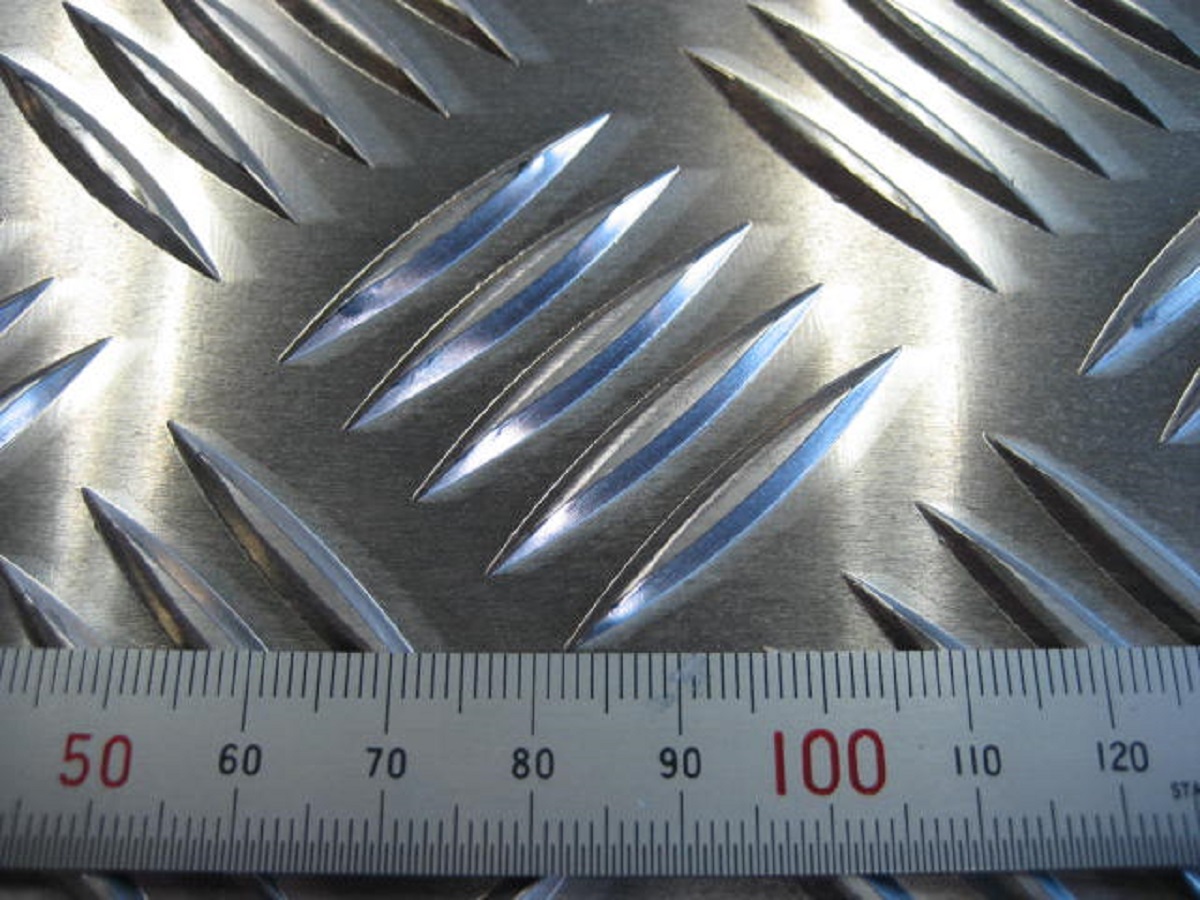
Every commercial detailer and fleet mechanic knows the visceral agony of running a high-torque rotary tool across industrial diamond plate. The raised lugs act like serrated teeth, tearing cotton buffing wheels to shreds, throwing greasy petroleum sling across fresh paint, and packing black oxidation residue deep into the crevices between treads. For more than half a century, anyone chasing a mirror finish on heavy transport steps, toolbox lids, and rig decks had to endure a grueling, toxic cycle of hydrofluoric acid wash, heavy wool cutting pads, and bar-form jewelers rouge.
That labor-intensive regime is collapsing. Across specialized detailing bays and commercial transport hubs, micro-abrasive ceramic formulations are displacing conventional petroleum rouges. By combining engineered sub-micron abrasive particles with slick ceramic suspension chemistry, modern shops are slashing physical labor times and eliminating the dangerous chemical washes that once defined heavy metal restoration.
📌 Key Takeaways:
- The Mechanical Bottleneck: Traditional bar compounds catch violently on raised treads, leaving black wax deposits that require hours of hand-scrubbing to dislodge.
- The Chemical Shift: A modern ceramic polishing compound suspends hard nano-abrasives in water-soluble lubricants, eliminating gummy residue and providing active surface leveling without grabbing lug edges.
- The Regulatory Push: State environmental mandates are phasing out hazardous metal acid wash prep, forcing commercial operators to adopt biodegradable aluminum deoxidizer alternatives.
The Mechanical Hell of the Raised Diamond Tread
Industrial aluminum tread plate, often cataloged as checker plate or five-bar pattern, was never engineered for aesthetic reflectivity. Metallurgists designed it for structural grip under greasy work boots. Alloys such as 3003-H22 and 6061-T6 feature stamped or rolled lugs raised roughly 1.5 to 2.0 millimeters above the base sheet. That geometric profile turns aluminum diamond plate polishing into a logistical nightmare.
Flat sheet polishing is predictable. An operator maintains uniform surface contact, manages heat, and tracks the compound trail. Tread plate destroys that predictability. When a 9-inch cotton wheel spinning at 2,800 RPM strikes the sharp shoulder of a raised lug, it undergoes violent microscopic deflection. The trailing edge of the lug creates an aerodynamic and mechanical dead zone where oxidized metal powder packs tightly against the base surface. Detailers call this "lug shadow." Removing it historically meant stopping the rotary tool, picking up a stiff nylon detail brush, and scrubbing each lug pocket by hand with mineral spirits.
How Ceramic Polishing Compounds Overcame Lug Friction
Traditional compounds rely on tallow, stearic acid, or petroleum waxes to bind aluminum oxide powders into solid bars. When these bars touch hot spinning cotton, the binder melts and transfers to the wheel. Against flat surfaces, this functions adequately. Against raised checker plate, the molten binder cools unevenly, solidifying into a sticky, carbonized sludge that resists buffing.
The breakthrough came when industrial chemical formulators adapted ceramic paint-correction technology for non-ferrous metals. Instead of petroleum binders, a high-performance ceramic polishing compound relies on synthetic emulsifiers carrying engineered aluminum oxide and silicon dioxide (SiO2) particles ground to 0.5 to 1.5 microns. These particles do not shear off in large chunks. They break down progressively under heat and pressure, a process known as diminishing abrasive technology.
Because the liquid suspension maintains a lower surface tension than tallow-based bars, the compound flows freely over lug peaks rather than biting into them. It works inside recessed lug cleaning zones without packing tight pockets with hardened wax. Detailers can rinse the remaining carrier residue clean with water or a mild alcohol wipe, completely bypassing the messy solvent washdown that previously stretched turnaround times by several hours.
The Data Breakdown: Traditional Rouge vs. Ceramic Hybrid Systems
Commercial fleet operations track turnaround by the clock. A shop processing custom haulers or conducting complete semi-truck fuel tank restoration cannot afford unpaid bay hours spent picking wax out of steps. Field data gathered across commercial polishing bays highlights the concrete operational divergence between legacy processes and ceramic-integrated workflows.
| Operational Metric | Legacy 3-Stage Rouge Method | Next-Gen Ceramic Hybrid Method |
|---|---|---|
| Prep Stage | Hydrofluoric/sulfuric acid wash | pH-balanced chemical aluminum deoxidizer |
| Cutting Medium | Brown Tripoli bar on stiff airway wheels | High-viscosity ceramic cutting fluid |
| Finishing Medium | Green or white mirror finish rouge | Ultra-fine ceramic gloss refining compound |
| Rotary Buffer Speed Settings | 2,800, 3,400 RPM (high friction/heat) | 1,600, 2,200 RPM (controlled surface drag) |
| Labor Time (100 sq ft Deck) | 6.5, 8.0 shop hours | 3.5, 4.5 shop hours |
| Raw Material Cost per Bay Job | $22, $30 (inexpensive bars, high pad wear) | $45, $60 (higher upfront compound cost) |
| Oxidation Resistance Lifespan | 3, 6 weeks (bare aluminum exposure) | 4, 6 months (integrated barrier protection) |

Phasing Out the Acid Wash: Environmental Pressures and Pitting Hazards
For decades, commercial shops took an aggressive shortcut to strip checker plate oxidation removal: raw acid. Diluted hydrofluoric and sulfuric acid washes etched raw aluminum clean in seconds, stripping away chalky oxidation while turning the metal a chalky, dead-white hue. Operators referred to this state as "frosted." Buffing frosted aluminum back to a high luster required heavy compounding that ground down the plate's structural thickness over repetitive cycles.
Acid wash prep carries severe structural costs. Acid leaches deep into the micro-fissures around welded brackets and lug bases. If neutralizing rinses fail to reach the bottom of those recesses, the residual acid continues eating the base metal beneath the surface, producing catastrophic subsurface stress-corrosion cracking.
Stricter local wastewater regulations and OSHA respiratory limits forced the industry to reconsider. Modern operations substitute citrus-based surfactants and chelation chemistry for aggressive mineral acids. An engineered, biodegradable aluminum deoxidizer dissolves calcium scale and magnesium salts without stripping the aluminum skin. Instead of etching pits into the metal grain, chelation agents selectively strip oxidized aluminum ions while leaving uncompromised raw metal intact for the buffing stages.
Rotary Dynamics: Airway Wheels and Buffer Calibration
Even with advanced chemical compounds, execution lives or dies on tool speed and wheel selection. Running airway buffing wheels improperly across tread surfaces ruins workpieces and creates serious safety hazards. Cotton wheels fray instantly when run backwards against lug patterns; operators must hold the machine so the wheel rotation rolls off the lug edges rather than biting into them.
Speed management separates amateur jobs from professional results. When using a legacy mirror finish rouge, technicians cranked their machines to maximum speeds, often exceeding 3,200 RPM, to generate the thermal friction required to break down dense tallow fats. That heat warped thin aluminum sheets and scorched cotton plies against lug edges.
Ceramic emulsions require a different mechanical strategy. Optimal rotary buffer speed settings drop significantly, settling between 1,600 RPM and 2,200 RPM. The abrasive grains do not rely on blistering friction to shear metal; they rely on consistent tool pressure and pad rotation. Paired with medium-density, mill-treated yellow or orange airway wheels, the lower RPM allows the liquid abrasive to stay on the working face of the cloth instead of slinging instantly into the wheel well.
Lock-In Protection: The Rise of Metal Ceramic Sealants
Polished aluminum is unstable. The moment tool friction ceases, raw aluminum atoms react with airborne oxygen to create a cloudy film of aluminum oxide. In winter highway conditions, road brine and magnesium chloride accelerate this reaction, converting mirror-bright tread plate back to dull gray within several weeks.
Old-school fleet maintenance relied on carnauba paste waxes to delay the dulling. Natural wax melts off hot tractor steps and evaporates when exposed to direct sun and engine bay heat. Modern tread plate detailing finishes with an inorganic, hard-curing protective sealant coating. These high-solids SiO2 and polysilazane formulas bond covalently with microscopic surface valleys, creating an ultra-thin barrier that repels water at contact angles exceeding 105 degrees.
This barrier shields the metal from environmental corrosion and prevents road film from sticking inside lug corners. Washing dried road grime off sealed tread plates requires little more than a standard pressure washer, eliminating the weekly metal polish maintenance that once consumed hours of driver downtime.
Frequently Asked Questions (FAQ)
Q1: Can a ceramic polishing compound completely replace multi-stage buffing?
A1: Not on heavily pitted or deeply corroded plates. Severe road rash and deep gouges still require mechanical leveling using 320 to 800-grit wet sandpaper or an aggressive sisal wheel. However, once initial leveling finishes, ceramic compounds collapse what used to be a three-stage rouge sequence (Tripoli, green, white) down to a single or dual-stage pass.
Q2: Why are standard wool pads ineffective for aluminum diamond plate polishing?
A2: Flat wool cutting pads lack the lateral structural stiffness needed to navigate raised diamond patterns. The rotating lugs snag the loose knit backing, causing the pad to skip uncontrollably across the metal. Airway buffing wheels with pleated, bias-cut fabric channels hold their shape against lug impacts and allow air to circulate, cooling the workpiece.
Q3: Is it possible to polish tread plate using a dual-action (DA) orbital polisher instead of a rotary machine?
A3: Dual-action polishers are largely ineffective for primary correction on diamond plate. The oscillating movement causes the pad to slam repeatedly into the raised lug shoulders from conflicting angles, stalling the motor and chewing up foam pads within minutes. Direct-drive rotary buffers remain essential for maintaining steady directional cut across textured aluminum.
The New Standard in Commercial Metal Detailing
The industrial detailing sector is shedding its reliance on toxic acid baths and greasy wax bars. As environmental regulations tighten and operators factor the labor cost of bay downtime into their ledgers, precision ceramic polishes have transitioned from high-end specialty car shops directly into working commercial truck bays. Treating tread plate is no longer an exercise in raw, destructive muscle; controlled abrasives and stable chemical carriers have turned one of the dirtiest trades in transportation into a clean, predictable science.